Getting a four-year-old to sleep can feel like an impossible task for many parents. Between bedtime resistance, night wakings, and early morning wake-ups, sleep struggles are common at this age. Understanding why sleep issues occur and implementing evidence-based strategies can transform your family's nights from chaotic to calm.
In this comprehensive guide, we'll explore the science behind preschooler sleep needs, practical strategies for establishing healthy sleep habits, and how proper nutrition—including vitamin spray supplements—can support better rest for your child.
Understanding Your 4-Year-Old's Sleep Needs
Four-year-olds require approximately 10-13 hours of sleep within a 24-hour period, according to the American Academy of Sleep Medicine. However, individual needs vary, and some children may need slightly more or less sleep to function optimally.
At this developmental stage, most children have transitioned away from daytime naps, though some may still benefit from quiet rest periods. This transition can temporarily disrupt nighttime sleep patterns as children adjust to staying awake throughout the day.
Common Sleep Challenges at Age Four
Preschoolers face unique sleep obstacles related to their cognitive and emotional development:
- Bedtime resistance: Increased independence and testing boundaries often manifest as refusal to go to bed
- Separation anxiety: Fear of being alone can resurface even in previously good sleepers
- Active imagination: Vivid dreams and nighttime fears become more common
- Developmental milestones: Cognitive leaps can temporarily disrupt established sleep patterns
- Physical restlessness: High energy levels during the day may make it difficult to wind down
Creating the Perfect Sleep Environment
Your child's bedroom plays a crucial role in sleep quality. Optimize the sleep environment with these evidence-based adjustments:
Temperature and Lighting
Maintain a room temperature between 65-70°F (18-21°C). Cool environments promote better sleep by supporting the body's natural temperature drop during sleep onset. Install blackout curtains to block external light sources, as darkness signals the brain to produce melatonin, the hormone that regulates sleep-wake cycles.
Use a dim red or orange nightlight if your child fears complete darkness. These warm-spectrum lights don't interfere with melatonin production like blue or white light does.
Noise Control
White noise machines can mask household sounds and create a consistent auditory environment. The steady sound helps prevent startling awakenings from sudden noises. Choose continuous white, pink, or brown noise rather than nature sounds with varying volumes.
Comfort and Safety
Ensure your child's mattress provides proper support. Four-year-olds transition from toddler beds to twin beds during this period, and an appropriate mattress firmness prevents discomfort that disrupts sleep. Use breathable, natural fiber bedding to prevent overheating.
Establishing a Consistent Bedtime Routine
A predictable sequence of calming activities signals the brain that sleep time approaches. Research shows that children with consistent bedtime routines fall asleep faster and wake less frequently during the night.
The Ideal Pre-Sleep Sequence
Begin your routine 30-60 minutes before target sleep time. Structure activities in this order:
- Active transition: Give a 30-minute warning before routine begins, allowing your child to finish current activities
- Bath time: A warm bath raises body temperature; the subsequent cooling mimics the natural temperature drop that accompanies sleep onset
- Dental hygiene: Brush teeth and use the bathroom to minimize interruptions after bedtime
- Pajamas and supplements: Get dressed for bed and administer any evening oral spray vitamins recommended by your pediatrician
- Quiet activity: Read 2-3 books, practice gentle stretches, or have calm conversation
- Final connection: Provide reassurance through brief cuddles, a special phrase, or a consistent goodnight ritual
- Lights out: Leave the room while your child is drowsy but still awake
Timing Consistency
Maintain the same bedtime and wake time every day, including weekends. The body's circadian rhythm thrives on predictability. Even small variations of 30 minutes can disrupt sleep quality and make it harder for your child to fall asleep at the desired time.
The Role of Nutrition in Children's Sleep Quality
What your child consumes throughout the day significantly impacts nighttime sleep. Nutritional deficiencies can contribute to sleep difficulties, while proper nutrition supports healthy sleep patterns.
Key Nutrients for Better Sleep
Vitamin D plays a crucial role in sleep regulation. Research published in the Journal of Clinical Sleep Medicine found that vitamin D deficiency correlates with poor sleep quality, shorter sleep duration, and delayed sleep onset in children. The body produces vitamin D through sun exposure, but many children spend limited time outdoors or live in areas with insufficient sunlight during winter months.
A vitamin D3 spray provides an efficient delivery method for this essential nutrient. DrSprays Vitamin D3 offers superior absorption compared to traditional pills, which children often struggle to swallow.
B vitamins, particularly B6 and B12, support the production of serotonin and melatonin—neurotransmitters essential for sleep regulation. A vitamin B12 spray can help ensure your child receives adequate amounts of these important nutrients, especially if they follow restrictive diets or have absorption issues.
Magnesium promotes relaxation by regulating neurotransmitters that calm the nervous system. While not a sedative, magnesium deficiency can contribute to restlessness and difficulty settling at bedtime.
Evening Meal Considerations
Serve dinner 2-3 hours before bedtime. Heavy meals close to sleep time can cause discomfort and disrupt rest. Include complex carbohydrates (whole grains, sweet potatoes) that promote serotonin production, lean proteins for sustained energy through the night, and avoid excessive liquids within two hours of bedtime to minimize nighttime bathroom trips.
Limit or eliminate caffeine from your child's diet entirely. Caffeine appears in unexpected sources including chocolate, some medications, and certain flavored drinks. Even small amounts can significantly impact a child's sleep quality.
Managing Bedtime Resistance Effectively
When your four-year-old refuses to sleep, remain calm and consistent. Bedtime battles often escalate when parents become frustrated or inconsistent with boundaries.
The Strategic Response Method
If your child leaves their room after lights out, calmly and silently return them to bed without engaging in conversation or making eye contact. Interaction—even negative attention—rewards the behavior. Repeat this process as many times as necessary.
The first night may require dozens of returns, but consistency typically produces results within 3-7 days. Your child learns that leaving bed doesn't result in the desired outcome (parental attention, delayed bedtime, or avoiding sleep).
Addressing Specific Concerns
When your child expresses needs or concerns after bedtime, address them before the routine begins. Create a "bedtime checklist" that includes:
- Water bottle within reach
- Bathroom visit completed
- Favorite stuffed animal or comfort item available
- Temperature comfortable
- Questions answered
Once the routine completes, redirect any additional requests by reminding your child that all needs were already addressed.
Daytime Habits That Support Nighttime Sleep
Quality sleep begins with daytime choices. Structure your child's day to promote healthy sleep-wake patterns.
Physical Activity Requirements
Four-year-olds need at least 3 hours of physical activity throughout the day, according to the World Health Organization. Active play helps expend energy and builds "sleep pressure"—the biological drive to sleep that accumulates during waking hours.
Schedule vigorous activity in the morning or early afternoon rather than close to bedtime. Exercise increases cortisol and body temperature, which can interfere with sleep onset if performed too late in the day.
Light Exposure Timing
Expose your child to bright natural light in the morning, ideally within 30 minutes of waking. Morning light exposure helps set the circadian rhythm and promotes alertness during the day and sleepiness at the appropriate time in the evening.
Conversely, dim lights in the evening hours, particularly 2-3 hours before bedtime. Avoid screens during this period, as the blue light from tablets, phones, and televisions suppresses melatonin production and can delay sleep onset by an hour or more.
Nap Transition Management
If your four-year-old still naps, ensure the nap ends by 3:00 PM at the latest. Late or long naps can interfere with nighttime sleep. If your child no longer naps, implement a quiet rest period mid-day where they look at books or listen to calm music in their room. This prevents overtiredness without providing actual sleep that would disrupt bedtime.
When Sleep Issues Signal Deeper Problems
While most sleep difficulties in four-year-olds result from behavioral or environmental factors, certain signs warrant medical evaluation.
Red Flags Requiring Pediatric Consultation
Contact your child's healthcare provider if you observe:
- Loud snoring or gasping during sleep (possible sleep apnea)
- Extreme daytime fatigue despite adequate sleep opportunity
- Significant behavior changes or developmental regression
- Frequent nightmares or night terrors (more than once weekly)
- Restless leg movements or periodic limb movements during sleep
- Sleepwalking or other complex sleep behaviors
The Supplement Solution for Sleep Support
After consulting with your pediatrician, spray supplements may provide targeted nutritional support for better sleep. DrSprays, manufactured in Phoenix, Arizona at an FDA-registered, GMP-certified facility, offers several products that support children's health and sleep quality.
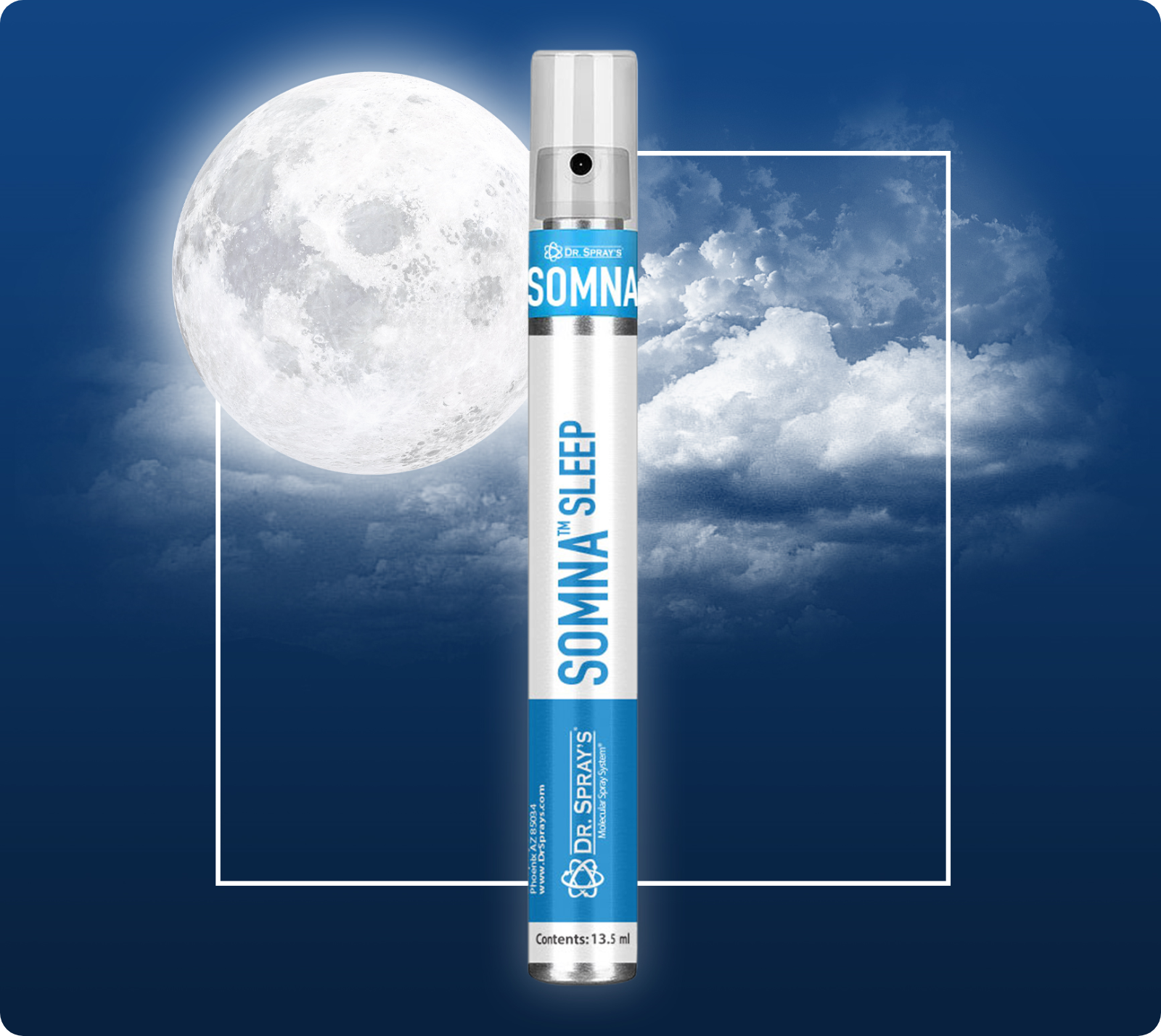
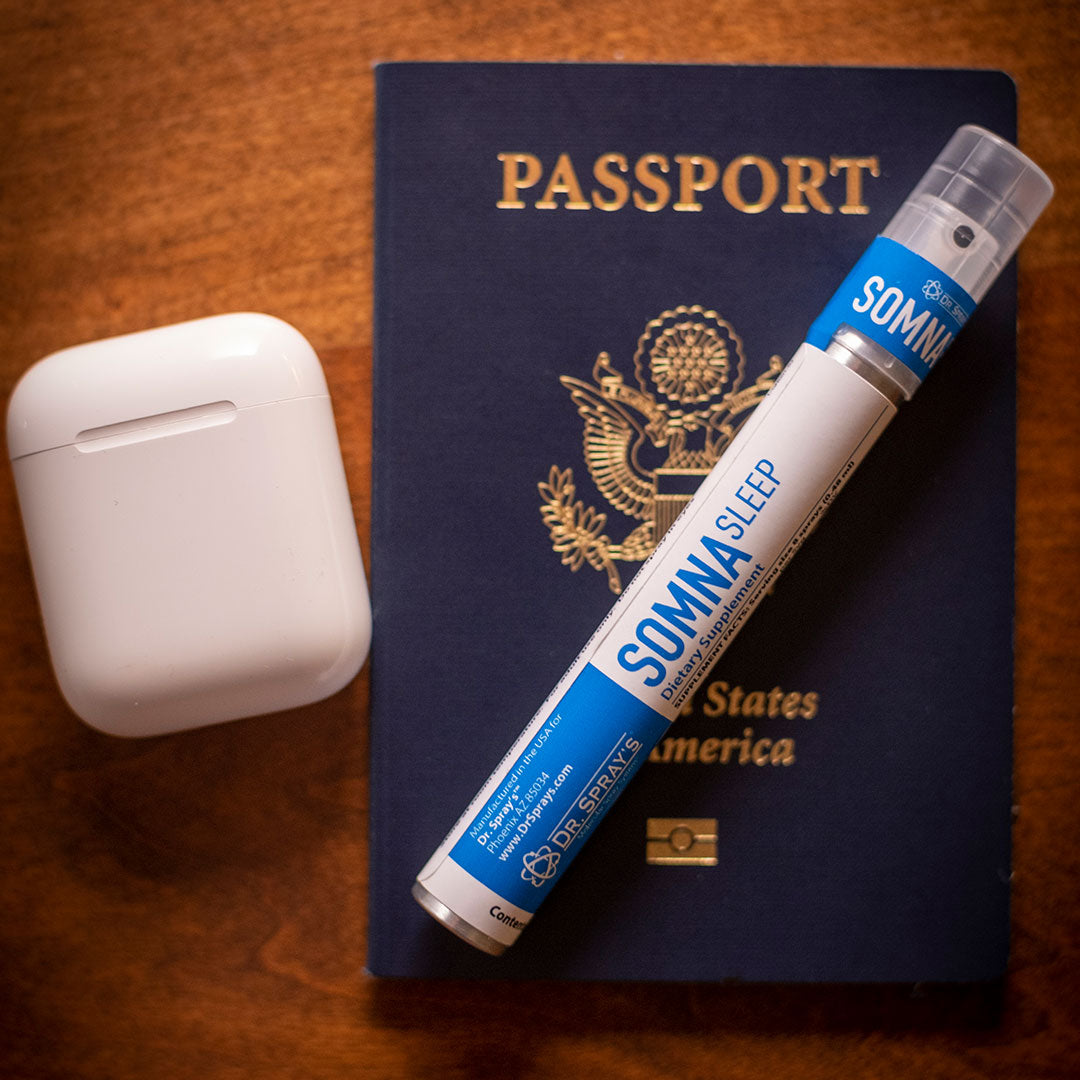
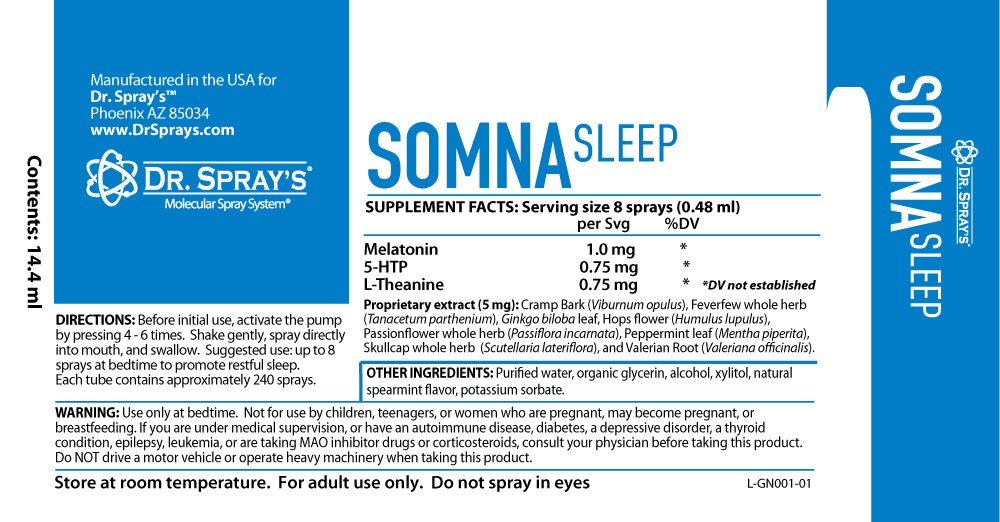
The Sleep Support Spray (Somna) contains natural ingredients that promote relaxation without sedation. Unlike pills that may take an hour to begin working, oral spray delivery allows for faster absorption—up to 90% compared to 10-20% for traditional tablets.
For general nutritional support that indirectly benefits sleep through overall health optimization, consider a comprehensive multivitamin spray. Adequate nutrition across all vitamin and mineral categories supports the biochemical processes that regulate sleep-wake cycles.
Special Considerations: Anxiety and Fear at Bedtime
Four-year-olds develop increasingly vivid imaginations, which can manifest as bedtime fears. Monsters in the closet, shadows on the wall, or separation anxiety may prevent sleep initiation.
Validating Without Reinforcing
Acknowledge your child's feelings without dismissing them: "I understand you feel scared right now." However, avoid elaborate monster-checking rituals that inadvertently validate the fear as rational. Instead, provide simple reassurance: "There are no monsters. You are safe in your room."
Offer a transitional object like a special stuffed animal designated as a "bedtime buddy" or a small flashlight your child controls. These provide comfort while promoting independence.
Gradual Independence Building
If your child requires parental presence to fall asleep, gradually reduce involvement over several weeks:
- Week 1: Sit beside the bed until asleep
- Week 2: Sit midway between bed and door
- Week 3: Sit just inside the doorway
- Week 4: Stand in the hallway where your child can hear but not see you
- Week 5: Complete bedtime routine and leave the room
Progress at your child's pace. Some children adapt quickly, while others need more time between stages.
Technology and Screen Time Impact
Digital devices significantly interfere with children's sleep quality. The American Academy of Pediatrics recommends no screen time in the hour before bed, but research suggests even earlier cutoffs may benefit sleep.
Blue Light Effects
The blue wavelength light emitted by screens suppresses melatonin production more effectively than any other light color. In children, whose eyes transmit more light to the retina than adult eyes, this effect is particularly pronounced.
Studies show that two hours of tablet use before bed can delay melatonin onset by up to three hours in some children, making it biologically impossible to fall asleep at the desired time.
Content Stimulation
Beyond the light effects, screen content provides mental stimulation that counteracts sleep preparation. Fast-paced shows, interactive games, or emotionally engaging content activate the nervous system rather than calming it.
Replace evening screen time with calm, screen-free activities like puzzles, coloring, building blocks, or imaginative play with non-electronic toys.
Addressing Early Morning Wake-Ups
If your four-year-old wakes too early and cannot return to sleep, several factors may contribute:
Environmental Light
Morning sunlight entering the room can trigger waking. Invest in high-quality blackout curtains that block all external light. Even small amounts of light can signal the brain to begin the waking process.
Hunger
Some children genuinely wake hungry. If early waking persists, try offering a small protein-rich snack before bed—a few bites of cheese, nut butter on whole grain crackers, or a hard-boiled egg. This provides sustained energy through the night.
Sleep Pressure Imbalance
Children who go to bed too early may not have accumulated sufficient sleep pressure to sustain sleep through the morning. If your child falls asleep within minutes of lights out, consider pushing bedtime 15-30 minutes later. Optimal sleep onset should occur within 15-20 minutes of lying down.
The Vitamin Spray Advantage for Children
Traditional vitamin pills present multiple challenges for preschool-aged children. Swallowing difficulties, choking risks, and unpleasant tastes make daily supplementation a battle for many families. Oral spray vitamins solve these problems while providing superior absorption.
DrSprays products are developed by doctors and manufactured in Phoenix, Arizona at an FDA-registered facility following Good Manufacturing Practices (GMP). The spray delivery method allows nutrients to absorb through the mucous membranes in the mouth, bypassing the digestive system where many vitamins are degraded or poorly absorbed.
With up to 90% absorption rates compared to 10-20% for traditional pills, vitamin sprays ensure your child receives the intended nutritional benefits. The pleasant taste and easy administration eliminate mealtime struggles, and the portable spray bottles make it simple to maintain consistency even when traveling.
When to Consider Vitamin Supplementation
While a balanced diet should provide most nutrients, certain situations warrant supplementation:
- Picky eaters with limited dietary variety
- Children following vegetarian or vegan diets (particularly for B12)
- Limited sun exposure (vitamin D deficiency)
- Diagnosed nutritional deficiencies
- Absorption issues or digestive conditions
- Periods of rapid growth or recovery from illness
Always consult your pediatrician before starting any supplement regimen. They can test for specific deficiencies and recommend appropriate dosing for your child's individual needs.
Frequently Asked Questions
How long does it take to see improvements in my 4-year-old's sleep patterns?
With consistent implementation of healthy sleep habits, most families notice improvements within 5-7 days. However, complete resolution of sleep issues may take 2-4 weeks. Children who have had poor sleep habits for extended periods typically require more time to adjust than those experiencing temporary sleep disruptions. The key is maintaining absolute consistency with your chosen approach, even when progress seems slow.
Should I let my 4-year-old cry it out at bedtime?
At age four, modified sleep training approaches work better than traditional "cry it out" methods appropriate for younger children. Four-year-olds have the cognitive ability to understand explanations and follow routines. Use clear communication about expectations, implement consistent boundaries, and provide reassurance while still requiring your child to sleep independently. Briefly checking on your child at increasing intervals (5, 10, then 15 minutes) if they're upset can provide reassurance without reinforcing sleep resistance.
What's the best bedtime for a 4-year-old?
Most four-year-olds should aim for a bedtime between 7:00-8:30 PM, depending on their required wake time. Calculate backward from when your child needs to wake up, allowing for 10-13 hours of sleep. For example, if your child wakes at 6:30 AM, bedtime should fall between 6:00-7:30 PM. Watch for sleep cues in the early evening—rubbing eyes, yawning, decreased activity—and align bedtime with these natural signals.
Can vitamin D deficiency really affect my child's sleep?
Yes, research demonstrates a clear connection between vitamin D levels and sleep quality in children. Studies show that vitamin D deficiency correlates with difficulty falling asleep, shorter total sleep duration, and more nighttime awakenings. Vitamin D receptors exist in brain regions that regulate sleep, and the vitamin plays a role in producing sleep-regulating hormones. Many children have insufficient vitamin D levels, particularly during winter months or in regions with limited sunlight. A vitamin D3 spray can help maintain adequate levels year-round.
My child still naps sometimes but not every day. Should I enforce a daily nap?
At age four, nap needs vary significantly between children. Follow your child's lead rather than enforcing a nap if they resist and sleep well at night. However, implement a daily "quiet time" in the early afternoon where your child rests in their room with books or quiet toys. This prevents overtiredness and provides necessary downtime. If your child falls asleep during quiet time, they needed the nap. If they stay awake but remain calm, they're transitioning away from napping—a normal developmental progression.
Are spray vitamins safe for young children?
High-quality spray supplements from reputable manufacturers are safe for children when used according to package directions and pediatric recommendations. DrSprays products are manufactured in an FDA-registered, GMP-certified facility in Phoenix, Arizona and undergo rigorous quality testing. The spray delivery method actually offers safety advantages over pills, which present choking hazards for young children. Always consult your child's healthcare provider before starting any supplement, and choose products specifically formulated for children or appropriate for all ages.
What if my child wakes up in the middle of the night?
Brief nighttime awakenings are normal—everyone experiences them. The goal is teaching your child to return to sleep independently. When your child wakes, wait 2-3 minutes before responding to see if they self-settle. If you need to check on them, keep interactions minimal: dim lights, quiet voice, brief reassurance, and prompt return to their own bed. Avoid bringing your child to your bed, turning on bright lights, or engaging in conversation or activities that provide rewarding stimulation for waking.
How can I tell if my child has a sleep disorder versus just difficult behavior?
Behavioral sleep issues typically respond to consistent routine and boundary-setting within 1-2 weeks. If sleep problems persist despite consistent implementation of healthy sleep habits, or if you observe concerning signs like loud snoring, gasping, extreme daytime sleepiness, or unusual nighttime behaviors, consult your pediatrician. Medical sleep disorders require professional diagnosis and treatment. Keep a sleep log for two weeks before your appointment, documenting bedtimes, wake times, nighttime awakenings, naps, and any concerning symptoms.
Moving Forward: Your Action Plan
Improving your four-year-old's sleep requires patience, consistency, and a comprehensive approach addressing environment, routine, behavior, and nutrition. Start by implementing one or two strategies from this guide, then gradually add others as improvements occur.
Remember that sleep habits develop over time—both good and bad. Just as poor sleep patterns didn't develop overnight, establishing healthy sleep won't happen immediately. Give each strategy at least one week of consistent implementation before determining its effectiveness.
For comprehensive nutritional support that promotes better sleep and overall health, consider incorporating doctor-developed oral spray vitamins into your child's daily routine. The superior absorption and ease of use make them an ideal choice for preschool-aged children.
Quality sleep is fundamental to your child's physical health, emotional regulation, cognitive development, and behavior. By prioritizing healthy sleep habits now, you're investing in your child's immediate well-being and establishing patterns that will benefit them throughout life.
Support Your Child's Sleep with Superior Nutrition
Give your child the nutritional foundation for better sleep with doctor-developed vitamin sprays featuring up to 90% absorption.
Manufactured in Phoenix, Arizona at our FDA-registered, GMP-certified facility, DrSprays products deliver the quality and effectiveness your family deserves.