Getting a 5-year-old to sleep can feel like an impossible task. Between bedtime resistance, endless requests for "just one more story," and the dreaded middle-of-the-night wake-ups, many parents find themselves exhausted and searching for solutions. If you're struggling with your child's sleep routine, you're not alone—and more importantly, there are evidence-based strategies that can help.
Sleep is critical for your child's growth, cognitive development, and emotional regulation. According to the American Academy of Pediatrics, children ages 3-5 need 10-13 hours of sleep per 24 hours, including naps. When children don't get adequate rest, it affects everything from their behavior and learning ability to their immune system and physical growth.
Understanding Why 5-Year-Olds Struggle With Sleep
Before implementing solutions, it helps to understand what's happening developmentally at this age. Five-year-olds are experiencing significant cognitive and emotional growth. Their imaginations are vivid, which can lead to nighttime fears. They're also testing boundaries and asserting independence—bedtime becomes another arena for these developmental battles.
Common sleep disruptors at this age include:
- Overtiredness: Paradoxically, being too tired makes it harder to fall asleep
- Insufficient physical activity: Children need active play to build sleep pressure
- Screen time before bed: Blue light suppresses melatonin production
- Inconsistent routines: Variable bedtimes confuse the body's internal clock
- Nutritional deficiencies: Lack of certain vitamins can impact sleep quality
- Anxiety or stress: School transitions, family changes, or social challenges
Creating an Effective Bedtime Routine
Consistency is the cornerstone of healthy sleep habits. Your 5-year-old's body thrives on predictability, and a structured bedtime routine signals to their brain that sleep is approaching.
Start the Wind-Down Early
Begin your bedtime routine 60-90 minutes before you want your child asleep. This isn't just about the immediate pre-bed activities—it's about gradually shifting the household energy. Dim the lights throughout your home, lower noise levels, and transition to calmer activities.
The Ideal Bedtime Sequence
An effective routine for 5-year-olds typically includes:
- Dinner completion: Finish eating at least 2 hours before bedtime
- Active play cutoff: Stop vigorous physical activity 90 minutes before bed
- Screen time ends: Turn off all devices at least 60 minutes before sleep
- Bath time: A warm bath 45-60 minutes before bed helps lower body temperature, promoting sleepiness
- Pajamas and teeth brushing: Complete hygiene routines in a calm, unhurried manner
- Quiet time in the bedroom: Reading, gentle conversation, or listening to soft music
- Final tuck-in: A consistent goodnight ritual (same words, same actions, same order)
Make the Routine Non-Negotiable
Children feel secure with boundaries. Once you establish your routine, stick to it every night—even on weekends. Consistency reinforces your child's circadian rhythm and eliminates the nightly negotiation that exhausts both parents and children.
Optimizing the Sleep Environment
Your child's bedroom should be a sleep sanctuary. Environmental factors significantly impact sleep quality, and small adjustments can yield impressive results.
Temperature and Air Quality
The ideal bedroom temperature for sleep is between 65-68°F. In Phoenix, Arizona, where temperatures can be extreme, maintaining this range requires attention. Use blackout curtains to block heat during summer months, and consider a small fan for air circulation without creating disruptive noise.
Lighting Considerations
Darkness triggers melatonin production, the hormone responsible for sleep onset. However, many 5-year-olds fear complete darkness. If your child needs a night light, choose one with red or amber wavelengths, which don't suppress melatonin like blue or white light. Position it low to the ground and away from your child's direct line of sight.
Sound Management
Some children sleep better with white noise, which masks household sounds and creates consistency throughout the night. Others prefer silence. Experiment to find what works for your child, but once established, maintain that environment consistently.
The Role of Nutrition in Sleep Quality
What your child consumes throughout the day—and particularly in the evening—directly impacts their ability to fall and stay asleep. Certain nutrients play crucial roles in sleep regulation.
Key Nutrients for Better Sleep
Vitamin D3: Often called the "sunshine vitamin," vitamin D regulates circadian rhythms and supports melatonin production. Deficiency is common, especially in children who spend significant time indoors. A vitamin D3 spray offers an efficient delivery method, with absorption rates far exceeding traditional pills.
B Vitamins: The B complex, particularly B6 and B12, supports the nervous system and helps regulate sleep-wake cycles. Many children don't get adequate B vitamins from diet alone. A vitamin B12 spray provides quick absorption through the oral mucosa, bypassing digestive limitations.
Magnesium: This mineral promotes relaxation and helps regulate GABA, a neurotransmitter that quiets the nervous system. Foods rich in magnesium include leafy greens, nuts, and whole grains.
Calcium: Works with magnesium to promote muscle relaxation and melatonin production. Dairy products, fortified plant milks, and leafy greens are excellent sources.
Timing Matters
Avoid heavy meals within 2-3 hours of bedtime, as digestion can interfere with sleep onset. However, going to bed hungry also disrupts sleep. If your child needs an evening snack, offer something light that combines complex carbohydrates with a small amount of protein—think whole grain crackers with cheese or banana with almond butter.
The Spray Supplement Advantage
Traditional vitamin pills pose challenges for young children. They're difficult to swallow, often have unpleasant tastes when chewed, and absorption through the digestive system can be inconsistent, especially in children with sensitive stomachs or picky eating habits.
Oral spray vitamins solve these problems elegantly. Developed by doctors and manufactured in an FDA-registered, GMP-certified facility in Phoenix, Arizona, these spray supplements deliver nutrients with approximately 90% absorption rate—significantly higher than pills. The sublingual delivery method means nutrients enter the bloodstream through the oral mucosa, providing faster, more efficient supplementation.
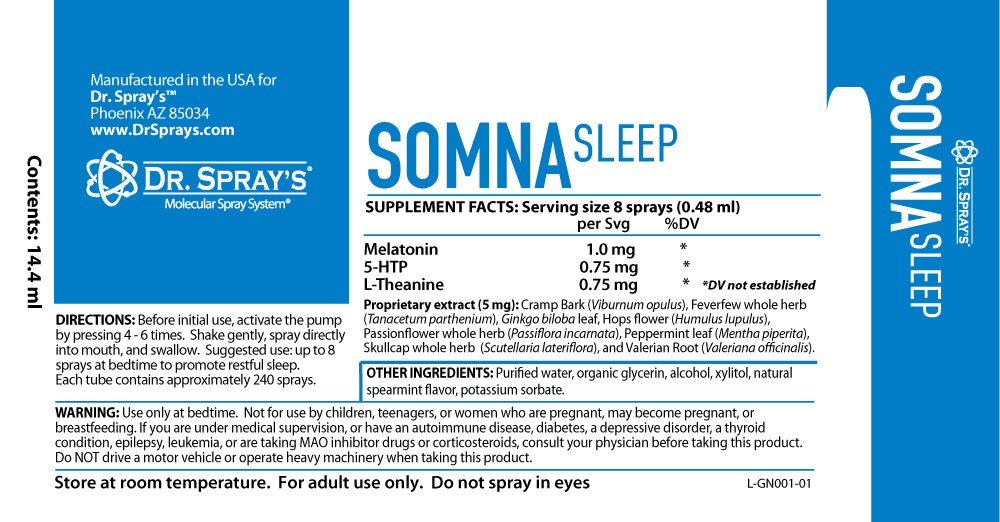
For sleep support specifically, the Somna Sleep spray combines melatonin with complementary nutrients designed to promote natural sleep onset without grogginess the next morning. The pleasant taste and spray format make it easy for children to take as part of their bedtime routine.
Addressing Common Sleep Challenges
Bedtime Resistance and Stalling Tactics
The "I need water," "one more hug," "I forgot to tell you something" routine is universal among 5-year-olds. Set clear expectations before bedtime begins. "After we read stories and I tuck you in, I'll give you two hugs and one kiss. Then it's time to sleep." Build in their requests (water on the nightstand, extra hug) so they're not negotiating points.
Use a visual timer during the routine so your child can see bedtime approaching. This reduces anxiety and power struggles. When they stall, calmly redirect: "I see you're not ready to sleep yet. Let's take three deep breaths together, then I'll tuck you in again."
Nighttime Fears
Vivid imaginations at this age create real fears. Validate their feelings without reinforcing the fear. Instead of saying "there's nothing to be afraid of" (which dismisses their experience), try "I understand you feel scared. Let's think of three things that keep you safe in your room."
Create a "bravery plan" together. This might include a special stuffed animal "protector," a spray bottle of "monster repellent" (water with a drop of lavender oil), or a "worry box" where they can deposit concerns before bed.
Middle-of-the-Night Wakings
If your child wakes during the night, keep interactions brief and boring. Use minimal lighting, few words, and no stimulation. Walk them back to bed, tuck them in, and leave. Consistency teaches them to self-soothe and return to sleep independently.
Check for physical causes: Is the room too hot or cold? Do they need to use the bathroom? Are they thirsty? Address genuine needs, but don't create elaborate nighttime routines that reward waking.
Early Morning Wake-Ups
If your child consistently wakes too early, evaluate their bedtime. Counterintuitively, an earlier bedtime often solves early waking—overtired children sleep poorly. Also ensure their room stays dark until an appropriate wake time. Use blackout curtains and consider an "okay to wake" clock that changes color when it's time to get up.
Physical Activity and Sleep Connection
Five-year-olds need significant physical activity—at least 3 hours of active play daily. Physical exhaustion promotes better sleep, but timing matters. Vigorous activity too close to bedtime can be stimulating. Aim for active play in the morning and early afternoon, with gentler activities in the evening.
Outdoor time offers additional benefits. Natural light exposure, particularly morning sunlight, regulates circadian rhythms. Even 20-30 minutes outside can improve sleep quality. In Phoenix's climate, early morning or evening outdoor time avoids extreme heat while providing light exposure benefits.
When to Seek Professional Help
Most sleep challenges in 5-year-olds resolve with consistent routines and environmental adjustments. However, some situations warrant professional evaluation:
- Snoring, gasping, or pauses in breathing during sleep (possible sleep apnea)
- Extreme difficulty waking in the morning despite adequate sleep hours
- Persistent nightmares or night terrors occurring multiple times per week
- Sleep problems accompanied by behavioral changes, anxiety, or developmental regression
- Your child regularly takes more than 45 minutes to fall asleep despite appropriate routines
Consult your pediatrician, who may refer you to a sleep specialist if needed. Some sleep disorders require medical intervention beyond behavioral strategies.
Building Healthy Sleep Habits for Life
The sleep habits you establish now create patterns that extend into adolescence and adulthood. By prioritizing sleep, maintaining consistency, and addressing both environmental and nutritional factors, you're giving your child tools for lifelong wellness.
Remember that changes take time. Most sleep interventions require 2-3 weeks of consistency before you'll see significant improvement. Stay patient, remain consistent, and celebrate small victories along the way.
Frequently Asked Questions
What time should a 5-year-old go to bed?
Most 5-year-olds should be asleep between 7:00-8:30 PM, depending on their wake time and whether they still nap. The goal is 10-13 hours of sleep per 24-hour period. If your child wakes at 6:30 AM and no longer naps, bedtime should be around 7:00-7:30 PM to ensure adequate sleep.
Are vitamin sprays safe for young children?
Yes, when manufactured by reputable companies following safety standards. Vitamin sprays produced in FDA-registered, GMP-certified facilities undergo rigorous testing. However, always consult your pediatrician before starting any supplement regimen, and follow age-appropriate dosing guidelines. The oral spray delivery method actually offers advantages for children who struggle with pills.
How long does it take to establish a new bedtime routine?
Expect 2-4 weeks of consistent implementation before seeing significant improvement. The first week is typically the most challenging as your child adjusts to new expectations. Maintain consistency even when you don't see immediate results—behavioral change takes time, especially with strong-willed 5-year-olds.
Should I let my 5-year-old cry it out at bedtime?
Traditional "cry it out" methods are generally not recommended for 5-year-olds, as they have the cognitive and language skills for different approaches. Instead, use clear boundaries with empathetic responses. You can sit outside their room initially, gradually moving farther away over several nights as they gain confidence falling asleep independently.
Can nutritional deficiencies really affect sleep?
Absolutely. Research shows that deficiencies in vitamin D, B vitamins, magnesium, and iron can all impact sleep quality. Children are particularly susceptible because they're growing rapidly and may have limited diets. If you suspect nutritional deficiencies might be affecting your child's sleep, discuss testing with your pediatrician. Spray supplements offer an effective delivery method with superior absorption compared to traditional pills.
What if my child's sleep problems started suddenly?
Sudden changes in sleep patterns often indicate an external stressor: starting school, a move, family changes, or even something that seems minor to adults but feels significant to a child. Talk with your child about what's happening in their life. If sleep problems persist beyond 2-3 weeks or are accompanied by other behavioral changes, consult your pediatrician to rule out medical causes.
Is melatonin safe for 5-year-olds?
Melatonin can be safe for short-term use under pediatric guidance, but it shouldn't be a first-line solution. Exhaust behavioral and environmental interventions first. If you do use melatonin, start with the lowest effective dose, give it 30-60 minutes before bedtime, and don't rely on it long-term. Products like the Somna Sleep spray offer controlled dosing in an easy-to-administer format, but always consult your doctor before starting any sleep supplement.
Take the Next Step Toward Better Sleep
Getting your 5-year-old to sleep doesn't have to be a nightly battle. By implementing consistent routines, optimizing their sleep environment, ensuring proper nutrition, and addressing underlying issues with patience and empathy, you can transform bedtime from a source of stress into a peaceful end to the day.
If nutritional support might help your child's sleep quality, consider the convenience and effectiveness of oral spray vitamins. Developed by doctors and manufactured in Phoenix, Arizona, these spray supplements offer 90% absorption rates with flavors children actually enjoy. From vitamin D3 spray to support circadian rhythms to specialized sleep support formulations, there's a solution designed for your family's needs.
Sweet dreams start with smart choices. Explore the complete line of doctor-developed vitamin sprays and discover why thousands of families trust DrSprays for their children's nutritional needs.