When your seven-year-old struggles to fall asleep night after night, the ripple effects touch every aspect of family life. Bedtime becomes a battle, mornings turn into chaos, and the concern for your child's wellbeing weighs heavily on your mind. Understanding the root causes of sleep difficulties in seven-year-olds and implementing evidence-based solutions can transform these nightly struggles into peaceful bedtimes.
At this developmental stage, children need 9-11 hours of quality sleep per night to support their rapid physical growth, cognitive development, and emotional regulation. Yet research shows that approximately 25% of school-age children experience sleep difficulties that can impact their academic performance, mood, and overall health.
Understanding Why Seven-Year-Olds Struggle With Sleep
The bedtime resistance you're experiencing isn't simply defiance or stubbornness. Seven-year-olds face unique developmental challenges that directly impact their ability to wind down and fall asleep naturally.
Developmental Factors at Age Seven
At this age, children experience significant brain development, particularly in areas governing impulse control and emotional regulation. Their growing independence clashes with the security they still need from parents, creating internal conflicts that surface at bedtime. Additionally, their expanding social awareness means they're more likely to experience anxiety about school, friendships, and performance.
The transition from early childhood to middle childhood also brings increased academic demands and extracurricular activities. These responsibilities can create mental stimulation that's difficult to "switch off" when bedtime arrives.
Common Sleep Disruptors
Several specific factors commonly interfere with sleep quality in seven-year-olds:
- Screen exposure: Blue light from tablets, phones, and televisions suppresses melatonin production, the hormone that signals the body it's time to sleep
- Irregular schedules: Inconsistent bedtimes confuse the body's circadian rhythm
- Nutritional gaps: Deficiencies in certain vitamins and minerals can directly impact sleep quality
- Physical inactivity: Insufficient daytime exercise reduces the body's natural drive for sleep
- Anxiety and stress: Worries about school or social situations activate the nervous system
- Environmental factors: Room temperature, noise, and light levels affect sleep onset and quality
The Role of Nutrition in Children's Sleep Quality
What your child eats throughout the day significantly influences their ability to fall asleep and stay asleep. Specific vitamins and minerals play crucial roles in regulating sleep-wake cycles and supporting the body's natural production of sleep-promoting hormones.
Essential Nutrients for Healthy Sleep
Vitamin D3 plays a fundamental role in sleep regulation. Research published in the Journal of Sleep Research demonstrates that vitamin D deficiency correlates with shorter sleep duration and poorer sleep quality in children. This vitamin influences the areas of the brain responsible for sleep regulation and helps maintain proper circadian rhythms.
Many children in Phoenix, Arizona and throughout the Southwest spend significant time indoors due to extreme heat, limiting their natural vitamin D production from sunlight exposure. A vitamin D3 spray offers an efficient way to maintain optimal levels year-round.
B vitamins, particularly B6 and B12, support the production of serotonin and melatonin—neurotransmitters essential for sleep regulation. Vitamin B12 specifically helps regulate the sleep-wake cycle and supports the body's natural circadian rhythm. Children with insufficient B12 may experience difficulty falling asleep or maintaining consistent sleep patterns.
Magnesium acts as a natural relaxant, calming the nervous system and preparing the body for sleep. This mineral helps activate the parasympathetic nervous system, responsible for promoting calm and relaxation. It also regulates melatonin and maintains healthy levels of GABA, a neurotransmitter that promotes sleep.
Why Spray Supplements Offer Advantages for Children
Traditional pills and capsules present challenges for many seven-year-olds. Some children struggle with swallowing larger supplements, while others resist taking pills altogether. This resistance creates additional stress around health routines that should be simple and positive.
Oral spray vitamins bypass these challenges entirely. The spray delivery method allows nutrients to absorb through the mucous membranes in the mouth, entering the bloodstream rapidly without requiring digestion. This mechanism provides superior bioavailability compared to traditional supplements—our spray supplements achieve approximately 90% absorption compared to roughly 10-20% for many pill-form vitamins.
For children who are particularly sensitive or resistant to new routines, the quick, easy application of a vitamin spray removes friction from the daily wellness routine. The pleasant taste and simple delivery make compliance easier, ensuring your child receives consistent nutritional support.
Creating an Effective Bedtime Routine
Consistency forms the foundation of healthy sleep habits. Seven-year-olds thrive on predictability, and a structured bedtime routine signals to both mind and body that sleep time is approaching.
The 90-Minute Wind-Down Protocol
Begin the transition to sleep approximately 90 minutes before your target bedtime. This extended wind-down period allows the body's arousal systems to gradually decrease activity.
90 minutes before bed: End all screen time. The blue light emitted by electronic devices suppresses melatonin production for up to two hours after exposure. Replace screen time with calming activities like puzzles, coloring, or building with blocks.
60 minutes before bed: Transition to quieter activities. This is an ideal time for a warm bath, which not only promotes relaxation but also triggers a slight drop in body temperature afterward—a signal that helps induce sleep. Consider incorporating nutritional support at this time, such as a sleep-supporting supplement.
30 minutes before bed: Move into the bedroom for final preparations. Dim the lights, help your child change into pajamas, and begin tooth-brushing and other hygiene routines. Keep conversations calm and positive, avoiding discussions about tomorrow's challenges or anything that might trigger anxiety.
15 minutes before bed: Settle into a calming bedtime story or quiet conversation. Physical closeness during this time reinforces security and emotional connection, helping your child feel safe and ready for sleep.
Optimizing the Sleep Environment
The bedroom environment significantly impacts sleep quality. Create conditions that support the body's natural sleep processes:
- Temperature: Maintain the room between 65-68°F, as cooler temperatures facilitate sleep onset
- Darkness: Use blackout curtains to eliminate external light sources that can disrupt melatonin production
- Noise control: Consider white noise machines to mask disruptive sounds and create consistent auditory conditions
- Comfort: Ensure appropriate bedding for the season and a supportive mattress suited to your child's size
- Safety: Address any fears by using a small nightlight if needed, positioned to avoid shining directly on your child
Addressing Anxiety and Emotional Barriers to Sleep
Many seven-year-olds experience anxiety that peaks at bedtime. The quiet, dark environment eliminates daytime distractions, allowing worries to surface with full intensity.
Validation and Connection Techniques
When your child expresses fears or worries at bedtime, resist the urge to dismiss them as insignificant. What seems trivial to adults often feels overwhelming to a seven-year-old navigating complex social situations and academic expectations for the first time.
Practice active listening by giving your child space to express concerns without interruption. Acknowledge their feelings with statements like "I understand that worry feels really big right now" rather than minimizing with "there's nothing to worry about."
Implement a "worry time" earlier in the evening—perhaps during dinner or immediately after—where your child can share concerns and you can problem-solve together. This designated time prevents worries from accumulating until bedtime when they feel more overwhelming.
Relaxation Techniques for Children
Teaching your seven-year-old simple relaxation techniques provides them with tools to self-soothe when anxiety arises:
Progressive muscle relaxation: Guide your child to tense and release different muscle groups, starting with the toes and moving upward. This technique reduces physical tension while focusing the mind on body sensations rather than worries.
Breathing exercises: Practice "balloon breathing" where your child imagines their belly as a balloon, slowly inflating with each inhale and deflating with each exhale. This activates the parasympathetic nervous system, naturally promoting calm.
Visualization: Help your child imagine a peaceful, safe place in detail—what they see, hear, smell, and feel. This mental imagery redirects anxious thoughts while promoting relaxation.
Lifestyle Factors That Support Better Sleep
Sleep doesn't exist in isolation—it's influenced by activities, habits, and choices throughout the entire day.
Physical Activity Requirements
Seven-year-olds need at least 60 minutes of moderate to vigorous physical activity daily. Regular exercise improves sleep quality by increasing time spent in deep sleep stages, reducing sleep onset time, and decreasing nighttime awakenings.
However, timing matters. Intense physical activity within three hours of bedtime can be counterproductive, as it increases body temperature and stimulates the nervous system. Schedule active play and organized sports for morning or early afternoon when possible.
Dietary Considerations
What your child eats—and when—affects their ability to fall asleep. Avoid large meals within two hours of bedtime, as digestion can interfere with sleep onset. Similarly, limit fluid intake in the hour before bed to reduce nighttime bathroom trips that disrupt sleep continuity.
Certain foods actively promote sleep. Complex carbohydrates increase tryptophan availability, which the body converts to serotonin and then melatonin. Consider a small, balanced bedtime snack like whole grain crackers with cheese or banana slices with almond butter.
Ensure your child's overall nutrition supports their sleep needs. A multivitamin spray can help fill nutritional gaps that might otherwise impact sleep quality, particularly if your child is a picky eater.
Consistent Schedule Maintenance
The circadian rhythm—your child's internal biological clock—functions most effectively with consistency. Maintain the same bedtime and wake time within 30 minutes, even on weekends. While it's tempting to allow later bedtimes on Friday and Saturday nights, significant schedule variations can trigger "social jet lag," making Monday morning transitions particularly difficult.
When to Consider Additional Support
Most sleep difficulties in seven-year-olds respond well to behavioral interventions and routine optimization. However, certain situations warrant additional support beyond home strategies.
Nutritional Supplementation
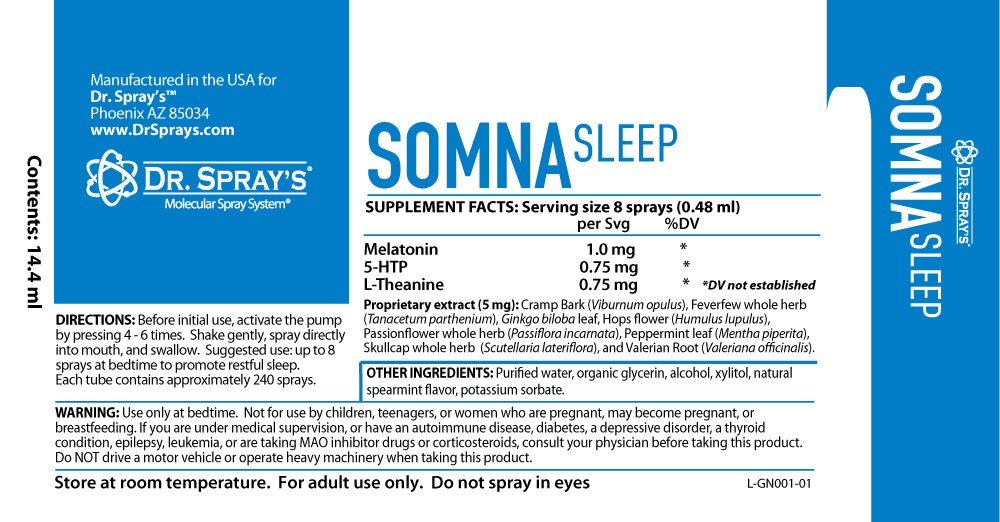
If you suspect nutritional deficiencies might be contributing to your child's sleep difficulties, targeted supplementation can make a significant difference. A sleep-supporting spray formulated with natural ingredients can help establish healthier sleep patterns without the risks associated with pharmaceutical sleep aids.
The advantage of pharmaceutical-grade spray supplements manufactured in FDA-registered, GMP-certified facilities is the assurance of quality, purity, and appropriate dosing. When choosing supplements for your child, prioritize products that meet these rigorous standards.
Signs That Professional Evaluation Is Needed
Consult your pediatrician if your child experiences:
- Loud snoring or breathing pauses during sleep, which may indicate sleep apnea
- Excessive daytime sleepiness despite seemingly adequate nighttime sleep
- Frequent nightmares or night terrors that don't improve with reassurance
- Sleepwalking or other complex sleep behaviors
- Sleep difficulties persisting beyond three months despite consistent intervention
- Significant behavioral changes or academic decline related to poor sleep
These symptoms may indicate underlying sleep disorders or other health conditions requiring medical assessment and treatment.
Building Long-Term Healthy Sleep Habits
The strategies you implement now establish patterns that can benefit your child throughout their life. Sleep hygiene practices learned in childhood often persist into adolescence and adulthood, providing a foundation for lifelong health.
Teaching Sleep Independence
While bedtime routines for seven-year-olds still require parental involvement, gradually building independence helps your child develop self-soothing skills. This might mean reading together but having your child turn off their own light, or staying in the room for progressively shorter periods each night.
Create a "bedtime pass" system for children who frequently call out or leave their room after lights-out. Give your child one or two passes per night that they can exchange for a drink of water, bathroom trip, or brief check-in. This provides security while setting clear boundaries.
Positive Reinforcement Strategies
Celebrate sleep successes rather than focusing on difficulties. Create a simple chart where your child earns a sticker for each night they follow the bedtime routine successfully and stay in bed until morning. After accumulating a certain number of stickers, they earn a small privilege or special activity with you.
Frame sleep as something positive your child gets to do rather than something they must do. Emphasize how good sleep helps them feel energized for activities they enjoy, perform better in school, and enjoy time with friends.
Frequently Asked Questions
How long does it take to establish a new sleep routine with a seven-year-old?
Most children adapt to new routines within 2-3 weeks if you maintain consistency. The first week typically presents the most resistance as your child adjusts to new expectations. By the second week, you'll likely notice improvements in cooperation. By the third week, the routine should feel more natural for both of you. However, children with significant sleep difficulties or anxiety may require 4-6 weeks to fully adjust to new patterns.
Should I let my seven-year-old stay up late on weekends?
Maintaining consistent sleep schedules—even on weekends—supports your child's circadian rhythm and makes weekday transitions easier. If you want to allow some flexibility for special occasions, limit variations to 30-60 minutes later than the regular bedtime. Larger schedule shifts can create a phenomenon similar to jet lag, making Monday mornings particularly challenging and potentially affecting your child's mood and focus throughout the school week.
What should I do if my child wakes up in the middle of the night?
Keep nighttime interactions brief, calm, and boring. Use minimal lighting, speak in quiet tones, and avoid engaging in extended conversations or activities. Provide quick reassurance, help your child settle back into bed, and leave the room. If middle-of-the-night wakings become frequent, evaluate potential causes like room temperature, noise disturbances, or anxiety that might be disrupting sleep continuity.
Are vitamin sprays safe for children?
Oral spray vitamins formulated specifically for children and manufactured in FDA-registered, GMP-certified facilities meet rigorous safety and quality standards. The spray delivery method offers advantages over traditional supplements, including superior absorption rates and easier administration for children who struggle with pills. Always follow dosage instructions and consult your pediatrician before starting any new supplement, especially if your child has underlying health conditions or takes medications.
How much sleep does a seven-year-old actually need?
The American Academy of Sleep Medicine recommends 9-11 hours of sleep per night for children aged 6-12 years. Individual needs vary slightly, but consistent sleep within this range supports optimal physical growth, cognitive function, emotional regulation, and immune system health. If your child regularly sleeps less than 9 hours per night, they're likely experiencing sleep deprivation that can affect behavior, learning, and overall wellbeing.
Can nutrition really affect my child's sleep quality?
Absolutely. Specific vitamins and minerals directly influence sleep-regulating hormones and neurotransmitters. Vitamin D affects brain regions responsible for sleep regulation, B vitamins support melatonin production, and magnesium helps activate the nervous system's relaxation response. Children with nutritional deficiencies often experience difficulty falling asleep, frequent night wakings, and poor sleep quality. Addressing these gaps through diet and, when necessary, high-quality supplements like vitamin B12 spray can produce noticeable improvements in sleep patterns.
What if my child says they're not tired at bedtime?
Seven-year-olds often don't recognize their own tiredness signals, especially when engaged in stimulating activities. Maintain consistent bedtimes regardless of your child's stated tiredness level. The body's circadian rhythm functions best with predictability, and over time, your child will naturally begin feeling sleepy at the established bedtime. If your child genuinely seems wide awake despite an age-appropriate bedtime, evaluate their total sleep time—they may actually need slightly less than average—or investigate whether daytime naps or excessive caffeine intake (from chocolate, soda, or tea) might be interfering with nighttime sleepiness.
Moving Forward With Confidence
Transforming your seven-year-old's sleep patterns requires patience, consistency, and a comprehensive approach that addresses physical, emotional, and environmental factors. The strategies outlined here work synergistically—no single intervention solves sleep difficulties in isolation, but together they create conditions that support your child's natural sleep processes.
Start by implementing the 90-minute wind-down routine and optimizing the sleep environment. These foundational changes often produce noticeable improvements within the first week. Then layer in additional strategies like anxiety management techniques and dietary adjustments, including ensuring adequate intake of sleep-supporting nutrients through diet or supplements.
Remember that setbacks are normal. Illness, travel, and stressful events can temporarily disrupt even well-established sleep routines. When this happens, simply return to your consistent routine as soon as circumstances allow. The patterns you've built will reassert themselves more quickly than they initially developed.
The investment you make in your child's sleep health today pays dividends far beyond childhood. Quality sleep supports academic success, emotional resilience, physical health, and the energy to fully engage with life's opportunities. By prioritizing these healthy sleep habits now, you're equipping your child with skills and patterns that will serve them throughout their lifetime.
Support Your Child's Sleep With Superior Nutrition
When dietary gaps interfere with your child's sleep quality, our doctor-developed spray supplements provide targeted nutritional support with 90% absorption rates. Manufactured in our FDA-registered, GMP-certified facility in Phoenix, Arizona, each formula is designed for maximum effectiveness and ease of use.
Explore our sleep-supporting solutions:
- • Vitamin D3 Spray for circadian rhythm regulation
- • Vitamin B12 Spray for sleep-wake cycle support
- • Sleep Support Spray for natural relaxation
- • Multivitamin Spray for comprehensive nutritional support