If you're struggling to get your 5-year-old to sleep, you're not alone. Sleep challenges affect up to 50% of preschool-aged children, leaving parents exhausted and searching for solutions. The good news? With the right combination of consistent routines, environmental adjustments, and nutritional support, you can help your child develop healthy sleep habits that last a lifetime.
This comprehensive guide explores evidence-based strategies to help your kindergartener fall asleep faster, stay asleep longer, and wake up refreshed—giving your entire family the rest you need.
Understanding Your 5-Year-Old's Sleep Needs
Before implementing solutions, it's important to understand what normal sleep looks like for a child this age. According to the American Academy of Sleep Medicine, 5-year-olds need 10-13 hours of sleep per 24-hour period, including any daytime naps (though most children this age no longer nap regularly).
At this developmental stage, children experience significant cognitive and physical growth. Their brains are processing new information learned during the day, developing social skills, and building emotional regulation—all of which happen during quality sleep.
Common Sleep Disruptors at Age Five
Several factors uniquely affect sleep quality in 5-year-olds:
- Increased independence: Your child may resist bedtime as they assert autonomy
- Active imagination: Fears of the dark, monsters, or separation from parents become more vivid
- Social pressures: Starting kindergarten introduces new schedules and stressors
- Screen exposure: Increased device access disrupts natural sleep-wake cycles
- Nutritional gaps: Deficiencies in key vitamins can interfere with sleep regulation
The Foundation: Creating a Consistent Bedtime Routine
Consistency is the cornerstone of healthy sleep habits. A predictable bedtime routine signals to your child's brain that it's time to wind down, triggering the release of melatonin—the hormone responsible for sleep.
The Ideal 30-45 Minute Wind-Down Sequence
Start your routine at the same time every night, even on weekends. Here's an effective structure:
- Bath time (5-10 minutes): Warm water naturally lowers body temperature afterward, promoting sleepiness
- Pajamas and hygiene (5 minutes): Brushing teeth, using the bathroom, and getting into comfortable sleepwear
- Quiet activity (10-15 minutes): Puzzles, coloring, or other calm activities in the bedroom
- Reading together (10-15 minutes): Choose calming stories, not exciting adventures
- Final goodnight ritual (5 minutes): Tucking in, saying goodnight to stuffed animals, one last hug
The key is consistency. Your child's internal clock will begin anticipating sleep at the appropriate time when the routine remains stable night after night.
Optimizing the Sleep Environment
Your child's bedroom should be a sleep sanctuary. Several environmental factors significantly impact sleep quality.
Temperature and Darkness
Keep the bedroom between 65-70°F (18-21°C). A slightly cool room promotes better sleep than a warm one. If your child fears complete darkness, use a dim red or amber nightlight—these wavelengths don't suppress melatonin production like blue or white light does.
Sound and Stimulation
White noise machines can mask household sounds that might wake your child during lighter sleep cycles. Remove electronic devices, including tablets, phones, and televisions, from the bedroom entirely. The blue light from screens suppresses melatonin for up to two hours after exposure.
Bed Association
Use the bed only for sleep, not for playtime or timeout. This creates a strong mental association between the bed and rest, making it easier for your child to fall asleep when they lie down.
Addressing Bedtime Resistance and Stall Tactics
Five-year-olds are masters of delay. "Just one more story," "I need water," "I have to tell you something important"—these requests can extend bedtime indefinitely if you allow it.
Set Clear Boundaries with Compassion
Build anticipated requests into your routine. Offer water during the bathroom portion, read the agreed-upon number of stories, and have a stuffed animal or security object ready. Once you say goodnight, be firm but kind: "We've done everything on our bedtime list. It's time for sleep now. I'll see you in the morning."
The Silent Return Technique
If your child gets out of bed, calmly and silently return them without engaging in conversation. Don't make eye contact, explain, or negotiate. Simply guide them back to bed. Consistency here is critical—it may take multiple nights, but your child will learn that getting up doesn't result in interaction or延period bedtime.
Managing Nighttime Fears and Anxiety
Fears of the dark, monsters, or being alone are developmentally normal at age five. These aren't manipulative tactics—your child's imagination is truly causing distress.
Validate Without Reinforcing
Acknowledge your child's feelings: "I understand you're worried about monsters." Then provide reassurance: "There are no monsters in our house. You are safe, and I'm right down the hall."
Avoid checking under the bed or in the closet repeatedly, as this can actually reinforce the idea that there might be something to fear. Instead, create a "bravery ritual" during your bedtime routine—maybe a special stuffed animal that "protects" them, or a quick positive affirmation.
Gradual Independence Building
If your child requires your presence to fall asleep, gradually reduce your involvement over several weeks. Start by sitting on the bed, then move to a chair beside the bed, then to the doorway, and eventually to checking in every few minutes until they're asleep.
The Critical Role of Nutrition in Sleep Quality
What your child eats—and when—significantly affects their ability to fall asleep and stay asleep. Certain nutritional deficiencies are directly linked to sleep disturbances in children.
Key Vitamins and Minerals for Sleep
Vitamin D3: Often called the "sunshine vitamin," vitamin D plays a crucial role in sleep regulation. Research published in the Journal of Clinical Sleep Medicine found that vitamin D deficiency is associated with poor sleep quality, shorter sleep duration, and daytime sleepiness in children. Many children, especially those in northern climates or who spend most of their time indoors, don't get adequate vitamin D from sun exposure alone.
Vitamin B12: This essential vitamin supports the production of melatonin and helps regulate circadian rhythms. B12 deficiency can lead to sleep-wake cycle disruptions. While B12 is found in animal products, absorption can be inefficient through digestion, especially in children with picky eating habits.
Magnesium: This mineral acts as a natural relaxant, helping to calm the nervous system and prepare the body for sleep. It's found in leafy greens, nuts, and whole grains—foods many 5-year-olds refuse to eat in sufficient quantities.
Why Traditional Vitamins Often Fall Short
Getting a 5-year-old to take vitamins can be its own bedtime battle. Traditional pills are difficult for young children to swallow, and many gummy vitamins contain high sugar content that can actually interfere with sleep. Additionally, digestive absorption of nutrients from pills can be as low as 10-20%, meaning your child may not be getting the full benefit even when they do take them.
The Advantages of Oral Spray Vitamins
Modern vitamin spray technology offers a solution specifically suited for children. Oral spray vitamins deliver nutrients directly through the oral mucosa (the lining of the mouth), bypassing the digestive system entirely. This method achieves up to 90% absorption—significantly higher than pills or gummies.
For children struggling with sleep, a vitamin D3 spray can be particularly beneficial. Just a few sprays before bedtime can help support healthy sleep-wake cycles without the struggle of swallowing pills. The natural peppermint flavoring in quality spray supplements is generally well-accepted by children, making it easy to incorporate into your bedtime routine.
Similarly, a vitamin B12 spray can support overall sleep regulation when used consistently. These spray supplements are developed to provide the exact dosing children need without excess sugars or artificial additives.
Sleep-Supporting Nutrition Throughout the Day
Beyond supplementation, focus on sleep-friendly foods:
- Complex carbohydrates: Whole grain bread, oatmeal, and brown rice help produce serotonin
- Lean proteins: Turkey, chicken, and fish contain tryptophan, a sleep-promoting amino acid
- Calcium-rich foods: Milk, yogurt, and cheese help the brain use tryptophan to manufacture melatonin
Avoid caffeine (yes, it's in chocolate and some sodas), sugary snacks, and large meals within two hours of bedtime.
Physical Activity and Sleep Connection
Active 5-year-olds sleep better. Physical activity increases sleep pressure throughout the day, making it easier to fall asleep at night. Aim for at least 60 minutes of active play daily.
Timing Matters
Schedule intense physical activity for morning or early afternoon rather than evening. Exercise raises body temperature and cortisol levels, which can interfere with sleep if done too close to bedtime. Gentle activities like stretching or yoga are fine in the evening.
Screen Time Management
The blue light emitted by tablets, phones, and televisions suppresses melatonin production, making it harder for children to fall asleep. Implement a "screens off" rule at least one hour before bedtime—ideally two hours.
If your child watches shows or plays games on devices, enable blue light filters during daytime use and keep brightness levels low. Never allow screens in the bedroom.
When to Seek Professional Help
While most childhood sleep issues resolve with consistent routines and environmental adjustments, some situations warrant consultation with a pediatrician or sleep specialist:
- Loud snoring or breathing pauses during sleep (possible sleep apnea)
- Persistent difficulty falling asleep despite consistent routines (possible insomnia)
- Extreme daytime sleepiness interfering with activities
- Sleepwalking or night terrors occurring frequently
- Sleep difficulties persisting beyond three months despite intervention
Your pediatrician can rule out underlying medical conditions, assess for sleep disorders, and provide additional guidance tailored to your child's specific needs.
Creating Sustainable Sleep Habits for Life
The sleep habits you establish now will serve your child throughout their life. Consistency is more important than perfection—there will be difficult nights, travel disruptions, and occasional setbacks. What matters is returning to your established routine as quickly as possible.
Remember that sleep needs evolve as children grow. What works perfectly at age five may need adjustment at age seven or ten. Stay attuned to your child's changing needs and be willing to adapt while maintaining core principles of consistency, healthy environments, and proper nutrition.
Frequently Asked Questions
How long should it take my 5-year-old to fall asleep?
Most children should fall asleep within 15-30 minutes of lying down. If it consistently takes longer than 30 minutes, your child may not be tired enough at bedtime (try moving bedtime 15 minutes later) or may be experiencing anxiety that needs addressing.
Is it normal for my 5-year-old to still need a nightlight?
Yes, completely normal. Many children this age still fear the dark. Choose a dim red or amber nightlight rather than blue or white, as these warmer wavelengths don't interfere with melatonin production. Avoid nightlights bright enough to read by.
Should my 5-year-old still be taking naps?
Most 5-year-olds no longer need daytime naps. If your child still naps regularly, it may be interfering with nighttime sleep. However, occasional naps during illness or after particularly active days are fine. If your child seems exhausted without a nap, consult your pediatrician to rule out underlying issues.
Can vitamin sprays really help my child sleep better?
Vitamin supplementation can support healthy sleep when deficiencies exist. Vitamins D3 and B12 play important roles in sleep regulation, and many children don't get adequate amounts from diet alone. Oral spray vitamins offer superior absorption compared to pills or gummies—up to 90% versus 10-20%—making them particularly effective for addressing deficiencies. However, supplementation works best as part of a comprehensive approach that includes consistent routines and a healthy sleep environment.
What if my child wakes up in the middle of the night?
Brief awakenings are normal—we all cycle through sleep stages throughout the night. The key is teaching your child to fall back asleep independently. When they wake, wait a moment before responding to see if they settle on their own. If they call for you, provide brief, calm reassurance without turning on bright lights or engaging in conversation. Guide them back to sleep using the same techniques as bedtime.
How do I handle early morning wake-ups?
If your child consistently wakes before 6:00 AM, ensure their room stays dark (blackout curtains help) and use white noise to mask early morning sounds. Don't start the day until your designated wake time—use a "okay to wake" clock that changes color when it's time to get up. Gradually, your child's internal clock will adjust. Also ensure bedtime isn't too early; sometimes early waking indicates too much sleep opportunity.
Are melatonin supplements safe for 5-year-olds?
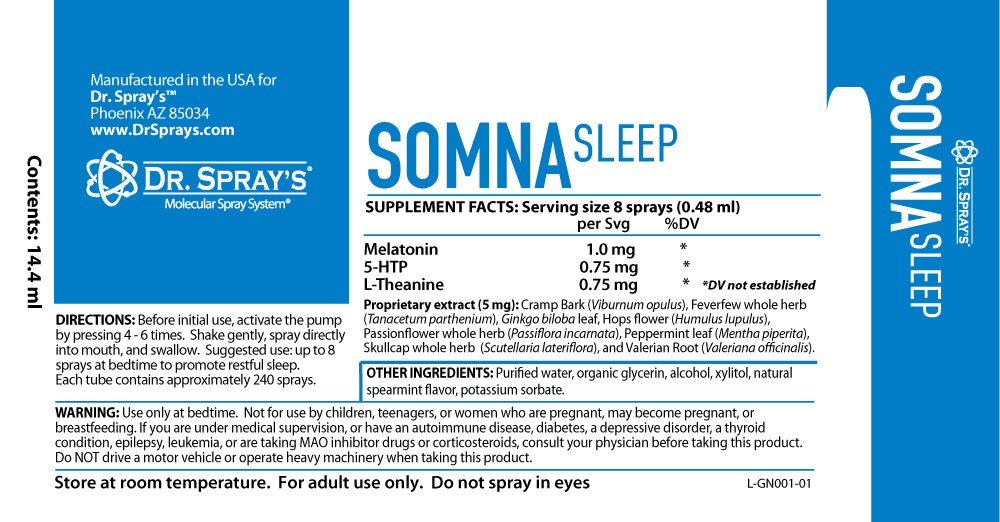
While melatonin supplements are widely available, they should only be used under pediatrician supervision for children. The body naturally produces melatonin when sleep conditions are optimal. Before turning to melatonin supplements, exhaust behavioral strategies, ensure adequate vitamin D and B12 levels through high-absorption spray supplements, and optimize the sleep environment. If sleep issues persist, discuss options with your child's doctor.
What's the best bedtime for a 5-year-old?
Most 5-year-olds should go to bed between 7:00-8:30 PM, depending on when they need to wake up in the morning. Count backward from wake time to ensure 10-13 hours of sleep opportunity. If your child attends kindergarten starting at 8:00 AM and needs to wake at 6:30 AM, bedtime should be between 6:30-8:30 PM. Watch for natural sleepiness cues—rubbing eyes, decreased activity, yawning—and align bedtime with these signals when possible.
Supporting Your Child's Sleep Journey from Phoenix to Anywhere
Whether you're managing desert heat in Phoenix, Arizona, or cold winters elsewhere, the principles of healthy sleep remain constant: consistency, optimal environments, and proper nutrition. When traditional approaches need support, modern solutions like high-absorption spray supplements can fill nutritional gaps that interfere with quality rest.
Quality sleep sets the foundation for your child's physical growth, cognitive development, emotional regulation, and overall health. The effort you invest now in establishing healthy sleep habits will pay dividends throughout your child's life. Be patient with the process, stay consistent with your approach, and don't hesitate to seek professional guidance when needed.
Sweet dreams start with the right foundation—and with the strategies outlined here, you're well-equipped to help your 5-year-old develop the sleep skills they need to thrive.
Ready to Support Your Child's Sleep Naturally?
If nutritional gaps are interfering with your child's sleep quality, high-absorption vitamin sprays may help. DrSprays offers doctor-developed Vitamin D3 spray and Vitamin B12 spray with 90% absorption rates—far superior to traditional pills or gummies.
Manufactured in our FDA-registered, GMP-certified facility in Phoenix, Arizona, every spray delivers consistent, precise dosing without sugars, artificial colors, or unnecessary additives. Just a few sprays as part of your bedtime routine can help ensure your child gets the nutrients they need for healthy sleep regulation.
Explore our complete line of oral spray vitamins and discover why thousands of families trust DrSprays for their daily nutrition—making wellness simple, effective, and actually enjoyable.