Teaching a five-year-old to sleep independently represents one of the most common challenges parents face. If you've found yourself lying beside your child's bed each night or dealing with repeated wake-ups, you're not alone. Approximately 25% of children between ages three and seven experience difficulty sleeping alone, according to pediatric sleep research.
This comprehensive guide explores evidence-based strategies to help your five-year-old develop healthy, independent sleep habits while addressing the nutritional factors that support quality rest.
Understanding Why Five-Year-Olds Resist Sleeping Alone
Before implementing solutions, understanding the root causes of sleep resistance helps parents respond with appropriate strategies rather than frustration.
Developmental Factors at Age Five
Five-year-olds experience significant cognitive and emotional development. Their imaginations flourish during this stage, which can unfortunately manifest as nighttime fears. They understand concepts like darkness and solitude but lack the experience to feel completely secure with them.
Separation anxiety, while typically peaking in toddlerhood, can resurface or persist in five-year-olds during transitions like starting kindergarten or welcoming a new sibling. The nighttime separation from parents triggers these anxieties more intensely than daytime separations.
Common Sleep Disruptors
Several factors contribute to sleep resistance in five-year-olds:
- Inconsistent routines: Irregular bedtimes and wake times disrupt circadian rhythms
- Environmental factors: Room temperature, lighting, and noise levels affect comfort
- Screen time: Blue light exposure within two hours of bedtime suppresses melatonin production
- Nutritional deficiencies: Low levels of specific vitamins impact sleep quality
- Overstimulation: High-energy activities before bed make settling difficult
Creating the Foundation for Independent Sleep
Successful transition to independent sleep requires establishing supportive conditions before addressing behavioral aspects.
Optimize the Sleep Environment
Transform your child's bedroom into a sleep sanctuary. The ideal sleep environment maintains a temperature between 65-70°F, uses blackout curtains or shades to eliminate external light, and incorporates white noise machines to mask household sounds.
Allow your five-year-old to participate in room preparation. Children who feel ownership over their sleep space demonstrate greater willingness to stay there. Let them choose new bedding featuring favorite characters or select a special nightlight that provides minimal illumination without disrupting melatonin production.
Establish a Consistent Bedtime Routine
Predictability creates security for five-year-olds. Design a 30-45 minute bedtime routine that follows the same sequence each night. An effective routine might include:
- Bath or shower (warm water promotes relaxation)
- Putting on pajamas
- Brushing teeth
- Taking nighttime supplements if recommended
- Reading two or three books together
- Discussing the day's highlights and tomorrow's plans
- Singing a lullaby or playing soft music
- Final goodnight with lights out
Maintain this routine even on weekends and during vacations when possible. Consistency reinforces the neurological association between these activities and sleep.
Implementing the Gradual Retreat Method
The gradual retreat method, also called "camping out," represents one of the most effective approaches for teaching independent sleep without causing significant distress.
Week One: Bedside Presence
Begin by sitting in a chair next to your child's bed during the initial falling-asleep period. Provide physical reassurance through hand-holding or gentle back rubbing, but avoid lying down with them. Your presence offers comfort while they practice falling asleep without you in their bed.
If your child gets up or calls out, calmly return them to bed with minimal interaction. Use brief phrases like "It's sleep time" rather than engaging in conversation.
Week Two: Mid-Room Position
Move your chair halfway between the bed and the door. Continue offering verbal reassurance, but reduce physical contact. Your five-year-old can still see you, which provides security, but they're learning to self-soothe without touch.
Week Three: Doorway Position
Relocate to a chair in the doorway. At this stage, your presence remains visible but more distant. Many children successfully fall asleep independently by this phase.
Week Four: Hallway Check-Ins
Transition to checking in from the hallway at increasing intervals (initially every 2-3 minutes, gradually extending to 5-10 minutes). Eventually, your child will fall asleep before you return for a check-in.
The Role of Nutrition in Children's Sleep Quality
While behavioral strategies form the foundation of sleep training, nutritional support plays a crucial complementary role that many parents overlook.
Vitamins That Support Healthy Sleep Patterns
Several vitamins and minerals directly influence sleep quality in children. Vitamin D3 regulates circadian rhythms and influences melatonin production. Research published in the Journal of Clinical Sleep Medicine found that children with vitamin D deficiency experienced more frequent night wakings and shorter total sleep duration.
Magnesium acts as a natural relaxant, supporting the nervous system and promoting muscle relaxation necessary for restful sleep. Many children don't consume adequate magnesium through diet alone, particularly if they're selective eaters.
Vitamin B12 influences melatonin secretion timing and sleep-wake cycle regulation. B12 deficiency can cause sleep disturbances and increased nighttime restlessness.
Why Spray Supplements Work Better for Children
Traditional pills and gummies present challenges for children. Pills require swallowing skills many five-year-olds haven't fully developed, while gummies often contain high sugar content and require chewing, which can be stimulating rather than calming before bed.
Oral spray vitamins offer a practical alternative, delivering nutrients through the oral mucosa with absorption rates up to 90%. The spray format eliminates the struggle of pill-swallowing while providing precise dosing. DrSprays, manufactured in a GMP-certified facility in Phoenix, Arizona, offers doctor-developed formulations specifically designed for optimal absorption.
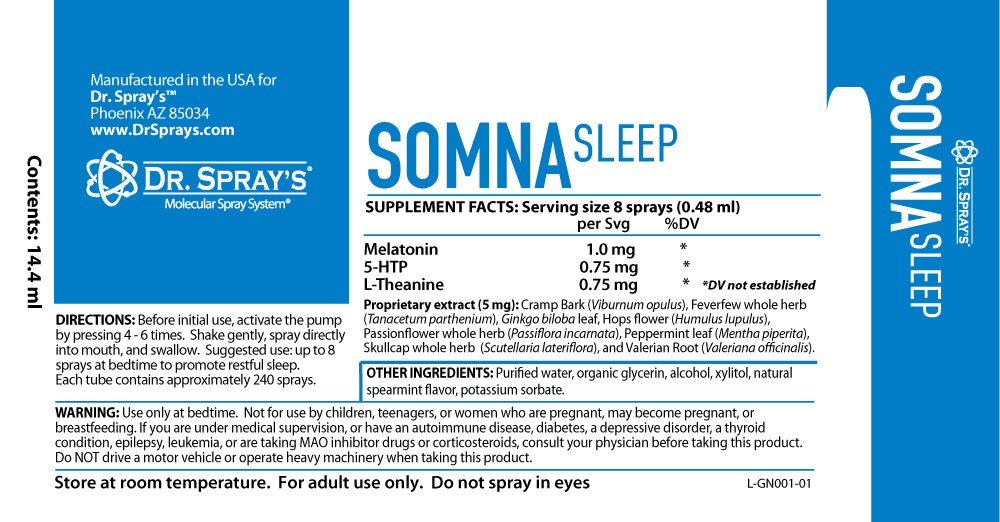
For children experiencing sleep difficulties, a vitamin D3 spray taken in the morning can help regulate circadian rhythms, while the Sleep/Somna spray formulation provides targeted support for nighttime rest when recommended by a pediatrician.
Addressing Nighttime Fears and Anxiety
Five-year-olds commonly develop specific fears that interfere with independent sleep, from monsters under the bed to worries about family safety.
Validate Without Reinforcing
Acknowledge your child's fears without dismissing them or accidentally making them seem more credible. Instead of saying "There's nothing to be afraid of," try "I understand you feel worried. Let's think about what makes you safe."
Create a "worry time" earlier in the evening where your child can express concerns and you can problem-solve together. This prevents anxious thoughts from emerging at bedtime.
Empower Through Control
Give your five-year-old age-appropriate tools to manage fears independently. A flashlight beside the bed allows them to check their room if concerned. "Monster spray" (water in a spray bottle) provides a concrete action they can take, offering psychological relief.
Some families find success with "protection" items like a special stuffed animal that "guards" the room or a dreamcatcher that "catches bad dreams."
Managing Middle-of-the-Night Wakings
Even after successfully falling asleep independently, many five-year-olds wake during the night seeking parental comfort.
The Quick Return Technique
When your child appears at your bedside, immediately and calmly walk them back to their room with minimal interaction. Avoid turning on bright lights, engaging in conversation, or providing drinks or snacks (which can inadvertently reward the waking).
Use a simple script: "It's nighttime. Everyone is sleeping. Back to your bed." Consistency remains essential—returning them every single time establishes the expectation.
Understanding Sleep Cycle Wakings
Children naturally rouse slightly between sleep cycles throughout the night. The difference between good and poor sleepers isn't the absence of these wakings but the ability to self-soothe back to sleep.
When your child fully wakes and seeks you out, they're demonstrating they haven't yet developed self-soothing skills for these transition moments. The gradual retreat method specifically targets this skill development.
Positive Reinforcement Strategies
Five-year-olds respond enthusiastically to positive reinforcement systems that make progress visible and rewarding.
Sleep Chart Systems
Create a visual chart tracking successful nights. Each morning your child stays in their bed all night (or meets whatever goal you've set for their current stage), they add a sticker or mark the chart. After accumulating a predetermined number of successful nights, they earn a small reward.
Keep rewards simple and immediate—a trip to the park, choosing breakfast, or an extra bedtime story. Avoid rewards that might increase bedtime resistance, like later bedtimes or screen time.
Morning Praise Over Nighttime Negotiations
Provide enthusiastic praise in the morning for successful nights rather than extensive encouragement at bedtime, which can inadvertently prolong the bedtime routine and provide attention that reinforces resistance.
When to Seek Professional Support
While most five-year-olds can learn independent sleep through consistent behavioral strategies, certain situations warrant professional evaluation.
Consult your pediatrician if your child:
- Experiences extreme anxiety that doesn't improve with consistent routines
- Snores loudly or exhibits breathing pauses during sleep
- Shows excessive daytime sleepiness despite adequate nighttime sleep opportunities
- Resists sleep for more than an hour each night despite consistent implementation of strategies
- Experiences frequent nightmares or night terrors multiple times weekly
These symptoms may indicate underlying sleep disorders, anxiety conditions, or other health concerns requiring specialized intervention.
The Phoenix Approach: Holistic Sleep Solutions
Parents in Phoenix, Arizona, and throughout the Southwest face unique sleep challenges due to extended daylight hours and year-round heat. Blackout curtains become essential rather than optional, and maintaining cool bedroom temperatures requires planning.
The vitamin D3 paradox in sunny climates deserves attention—despite abundant sunshine, many children spend most daytime hours indoors in air-conditioned spaces, potentially leading to deficiency. A vitamin D3 spray supplement can help maintain optimal levels that support healthy sleep-wake cycles.
Creating a Family Sleep Culture
Independent sleep success extends beyond individual bedtime battles to encompass your entire family's approach to sleep.
Model Healthy Sleep Habits
Children observe and internalize parental attitudes toward sleep. When parents treat sleep as a priority rather than an inconvenience, children absorb this perspective. Discuss your own bedtime routine, mention feeling better after good sleep, and avoid portraying sleep as something to minimize or overcome.
Coordinate with Partners and Caregivers
Consistency requires all caregivers to implement the same strategies. Discuss your approach with your partner, and communicate expectations clearly to grandparents or babysitters who might provide evening care. Children quickly identify inconsistencies and may resist bedtime more with the parent who maintains stricter boundaries.
Troubleshooting Common Setbacks
Progress rarely follows a straight line. Anticipating and planning for setbacks prevents discouragement.
Illness and Regression
When your five-year-old experiences illness, temporarily adjusting sleep expectations makes sense. However, return to established routines as soon as they recover. Many children test whether relaxed sick-day rules have become permanent, so be prepared to re-establish boundaries.
Travel and Routine Disruption
Maintaining some elements of your bedtime routine while traveling helps minimize disruption. Pack a familiar blanket or stuffed animal, maintain similar bedtime and wake times, and recreate key routine elements even in unfamiliar environments.
Expect some regression upon returning home and reinforce previous expectations without frustration. Most children return to established patterns within three to five nights.
Frequently Asked Questions
How long does it take for a five-year-old to learn to sleep alone?
Most children show significant improvement within two to four weeks of consistent implementation of gradual retreat methods. However, individual timelines vary based on the child's temperament, previous sleep history, and consistency of approach. Some children adapt within a week, while others require six to eight weeks to fully transition to independent sleep.
Should I use melatonin supplements for my five-year-old?
Melatonin supplementation for children should only occur under pediatric guidance. While generally considered safe for short-term use, melatonin doesn't address the behavioral components of sleep resistance and may mask underlying issues. Focus first on behavioral strategies, sleep environment optimization, and ensuring adequate intake of vitamins that support natural melatonin production, such as vitamin D3 and B12.
What if my child has genuine needs during the night?
Distinguish between needs and wants. Genuine needs include bathroom trips, illness symptoms, or legitimate fears from actual events (like storms). Address these calmly and quickly, then return to the sleep routine. For repeated requests, establish a "one last thing" rule during the bedtime routine where you address potential needs proactively, then maintain boundaries afterward.
Can vitamin deficiencies really affect my child's sleep?
Yes, research demonstrates clear connections between specific vitamin deficiencies and sleep quality in children. Vitamin D deficiency correlates with increased night wakings and shorter sleep duration. B12 deficiency affects circadian rhythm regulation. Magnesium deficiency can cause restlessness and difficulty settling. While supplements don't replace behavioral strategies, addressing nutritional gaps through diet and appropriate supplementation like spray supplements can support overall sleep improvement.
Is it harmful to let my child cry when learning to sleep alone?
The gradual retreat method described in this article minimizes distress by maintaining parental presence while teaching independent sleep skills. This approach differs from extinction methods ("cry it out") that involve no parental presence. Five-year-olds have sufficient cognitive development to understand explanations about new sleep expectations, making gentler transition methods effective. Brief protests during the adjustment period are normal and different from prolonged distress.
What if only one parent can get my child to sleep?
Parent preference at bedtime is common but can be addressed through gradual involvement of both parents. Begin with the preferred parent handling the routine while the other parent participates in one step (like brushing teeth). Gradually increase the less-preferred parent's involvement over several weeks until they can handle the entire routine. This prevents the situation where one parent cannot manage bedtime, creating stress and limiting flexibility.
How do I handle bedtime battles with strong-willed children?
Strong-willed five-year-olds benefit from choices within boundaries. Offer options for pajamas, which books to read, or which stuffed animal to sleep with, but maintain non-negotiable limits on bedtime and staying in bed. Frame expectations positively: "It's time to choose your pajamas" rather than "Go put your pajamas on." Use natural consequences—if bedtime preparation takes too long, there's less time for stories. Avoid power struggles by remaining calm and consistent rather than engaging in arguments.
Supporting Your Child's Sleep Journey
Teaching your five-year-old to sleep independently represents an investment in their long-term health and your family's well-being. Quality sleep affects everything from immune function and growth to emotional regulation and learning capacity.
The strategies outlined here—environmental optimization, consistent routines, gradual retreat methods, positive reinforcement, and nutritional support—work synergistically to create conditions for sleep success. No single element works in isolation, but together they form a comprehensive approach addressing the multifaceted nature of childhood sleep challenges.
Remember that setbacks are normal, progress isn't always linear, and what works for one child may require adjustment for another. Patience, consistency, and a holistic approach that includes both behavioral strategies and nutritional support create the foundation for healthy sleep habits that will benefit your child for years to come.
Support Your Child's Sleep with Optimal Nutrition
Quality sleep depends on more than good routines—proper nutrition plays a crucial role in healthy sleep patterns. DrSprays offers doctor-developed oral spray vitamins with 90% absorption rates, manufactured in our FDA-registered, GMP-certified facility in Phoenix, Arizona.
Our Vitamin D3 spray supports circadian rhythm regulation, while our comprehensive line of spray supplements provides the nutritional foundation children need for restorative sleep. Easy to use, no pills to swallow, and formulated for optimal absorption.
Explore our complete range of vitamin sprays and give your child's body the nutritional support it needs for healthy sleep and development.