Helping a 7-year-old transition to sleeping alone is one of the most common challenges parents face. At this age, children have developed strong attachment patterns and may resist independent sleep for various reasons—from separation anxiety to simple habit. Understanding the underlying causes and implementing consistent, compassionate strategies can make this transition smoother for everyone involved.
This guide explores evidence-based approaches to help your child develop healthy, independent sleep habits while addressing the nutritional factors that support quality rest.
Understanding Why Your 7-Year-Old Won't Sleep Alone
Before implementing solutions, it's important to understand what drives your child's resistance to sleeping independently. Seven-year-olds are cognitively sophisticated enough to articulate fears while still being young enough to struggle with emotional regulation at bedtime.
Common Reasons Children Resist Independent Sleep
Most children who struggle with sleeping alone fall into one or more of these categories:
- Separation anxiety: Fear of being apart from parents, especially during the vulnerable nighttime hours
- Fear of the dark: Developmental fears about what might be hiding in shadows or under the bed
- Established co-sleeping patterns: Long-standing habits that provide comfort and security
- Overstimulation: Difficulty winding down from active days or screen time exposure
- Physical discomfort: Unaddressed nutritional deficiencies affecting sleep quality
- Environmental factors: Room temperature, noise levels, or unfamiliar surroundings
The Developmental Context of Seven-Year-Olds
At seven, children are experiencing significant cognitive and emotional growth. They're developing abstract thinking abilities, which can paradoxically increase nighttime fears as they imagine scenarios beyond their immediate experience. They're also becoming more aware of their independence while still craving parental connection—creating an internal conflict that often surfaces at bedtime.
Creating an Effective Bedtime Routine
Consistency forms the foundation of healthy sleep habits. A predictable bedtime routine signals to your child's body and brain that sleep is approaching, triggering natural relaxation responses.
The 60-Minute Wind-Down Window
Begin your bedtime routine approximately one hour before lights-out. This window allows sufficient time for transitioning from active play to sleep-ready calm:
- 7:00 PM - End screen time: Turn off all devices and dim household lights
- 7:15 PM - Light snack and supplements: Offer a small, sleep-promoting snack with any evening vitamins
- 7:30 PM - Bath or shower: Warm water naturally lowers body temperature post-bath, promoting sleepiness
- 7:45 PM - Quiet activities: Reading, coloring, or gentle conversation
- 8:00 PM - Lights out: Final goodnight with reassurance
Making the Routine Non-Negotiable
Children thrive on predictability. Once established, maintain your routine even on weekends and during vacations when possible. Consistency reinforces your child's internal clock and reduces bedtime negotiations.
The Gradual Transition Approach
For children accustomed to co-sleeping or requiring parental presence, an abrupt change can increase anxiety and resistance. The gradual approach respects your child's emotional needs while steadily moving toward independence.
The Chair Method
This evidence-based technique involves slowly increasing the physical distance between you and your child over several weeks:
Week 1: Sit in a chair next to your child's bed until they fall asleep. Offer verbal reassurance but minimize physical contact.
Week 2: Move the chair halfway between the bed and the door. Continue providing verbal comfort.
Week 3: Position the chair in the doorway. Your presence remains visible but increasingly distant.
Week 4: Sit just outside the door where your child can hear but not see you.
Week 5: Complete check-ins at increasing intervals (5 minutes, 10 minutes, 15 minutes) until sleep occurs.
The Pass System
Give your child two "bedtime passes" each night—physical cards they can exchange for one brief visit to your room or one request for you to check on them. This system provides security while setting clear boundaries. Unused passes can be rewarded with small privileges the next day.
Nutritional Support for Better Sleep
Sleep quality depends significantly on proper nutrition. Certain vitamin and mineral deficiencies directly impair your child's ability to fall asleep, stay asleep, and achieve restorative rest.
Key Nutrients That Support Healthy Sleep
Vitamin B12 plays a crucial role in regulating circadian rhythms—the internal clock that signals when to sleep and wake. Children with low B12 levels often experience disrupted sleep patterns and difficulty falling asleep. A vitamin B12 spray offers superior absorption compared to traditional pills, ensuring your child receives adequate levels of this essential nutrient.
Vitamin D3 influences sleep quality through its effects on melatonin production and sleep duration. Research shows children with vitamin D deficiency experience more frequent night wakings and shorter total sleep time. Since sun exposure is limited for many children, especially during winter months or in regions with less sunlight, supplementation becomes important. A vitamin D3 spray provides an easy, effective delivery method that children typically accept more readily than pills.
Magnesium promotes relaxation by regulating neurotransmitters that calm the nervous system. It also helps regulate melatonin, the hormone that controls sleep-wake cycles.
B-Complex vitamins work together to support nervous system function and stress response, both critical for quality sleep.
Why Spray Supplements Are Ideal for Children
Traditional pills and capsules present several challenges for seven-year-olds. Many children struggle with swallowing larger tablets, leading to medication resistance and inconsistent supplementation. Oral spray vitamins eliminate these obstacles while offering significant advantages:
- Superior absorption: Spray supplements bypass the digestive system, delivering nutrients directly through the oral mucosa with up to 90% absorption
- Faster action: Nutrients enter the bloodstream within minutes rather than hours
- No swallowing required: Eliminates choking hazards and compliance issues
- Pleasant delivery: Natural flavoring makes supplementation something children don't resist
- Precise dosing: Easy to adjust serving sizes for different ages and needs
Products developed by medical professionals and manufactured in FDA-registered, GMP-certified facilities in Phoenix, Arizona, ensure quality and safety standards that parents can trust.
Specialized Sleep Support Formulations
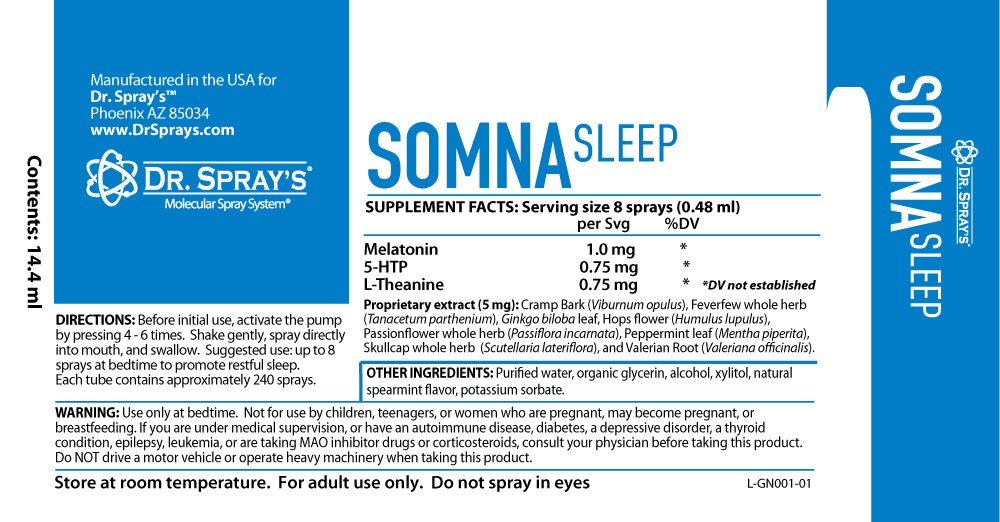
Beyond individual vitamins, comprehensive sleep formulations combine multiple sleep-promoting ingredients in one convenient delivery system. The Somna Sleep Spray offers a targeted approach with ingredients like melatonin, GABA, and L-theanine that work synergistically to promote natural sleep onset and maintenance.
These spray supplements provide a non-habit-forming option for occasional sleep support during the transition to independent sleeping.
Environmental Optimization for Better Sleep
Your child's bedroom environment significantly impacts their comfort with sleeping alone. Small adjustments can make the space feel safer and more conducive to rest.
Light Management
Complete darkness signals melatonin production, but many children fear total darkness. Find a middle ground with:
- Warm-toned night lights that provide security without disrupting melatonin
- Motion-activated hallway lights for bathroom trips
- Blackout curtains to block external light sources
- Elimination of device screens that emit sleep-disrupting blue light
Temperature and Air Quality
The ideal sleep temperature ranges between 65-68°F (18-20°C). Cooler temperatures facilitate the natural drop in body temperature necessary for sleep onset. Ensure adequate ventilation and consider a quiet fan for air circulation and white noise benefits.
Safety and Security Features
Address specific fears with practical solutions:
- Check under the bed and in the closet together as part of the routine
- Leave the door slightly open to maintain connection
- Provide a flashlight within reach for nighttime empowerment
- Use a special stuffed animal or comfort object as a "guardian"
- Install a baby gate at the top of stairs if nighttime wandering is a concern
Addressing Resistance and Setbacks
Even with the best strategies, you'll likely encounter resistance. How you respond to pushback determines whether progress continues or stalls.
Managing Bedtime Stalling Tactics
Seven-year-olds are masters at delay tactics: "I need water," "One more story," "I forgot to tell you something." Anticipate these requests by building them into your routine:
- Place water on the nightstand before bedtime
- Set a specific number of stories or reading time in advance
- Create a "talk time" earlier in the routine for sharing daily events
- Acknowledge requests but firmly redirect to the established routine
Handling Night Wakings
When your child appears in your room during the night, respond with calm consistency:
- Keep interactions brief and boring—no engaging conversation or activities
- Use minimal lighting to avoid fully waking your child
- Walk them back to their room immediately
- Offer brief reassurance and leave promptly
- Maintain the same response every single time
Dealing with Legitimate Fears
Validate your child's emotions while teaching coping strategies. Dismissing fears as "silly" undermines trust and increases anxiety. Instead:
- Acknowledge: "I hear that you're feeling scared about the shadows"
- Empower: "What could we do to make you feel safer?"
- Problem-solve together: Implement solutions your child helps create
- Practice daytime bravery: Rehearse the bedtime routine during daylight hours
The Role of Daytime Behavior and Activity
Sleep success doesn't begin at bedtime—it's built throughout the day through activity, nutrition, and stress management.
Physical Activity Requirements
Children need substantial physical activity to build sleep pressure—the biological drive to sleep. Aim for at least 60 minutes of moderate to vigorous activity daily. Morning and afternoon exercise proves most beneficial, while intense activity within two hours of bedtime can be counterproductive.
Nutritional Timing and Content
Evening meals should occur at least two hours before bedtime. Heavy, rich, or spicy foods can cause discomfort that interferes with sleep. A light snack before bed can prevent hunger-related wakings, but choose sleep-promoting options:
- Whole grain crackers with cheese
- Banana slices with almond butter
- Warm milk with honey
- Yogurt with berries
Administer any vitamin sprays as part of your evening routine, about 30-45 minutes before bed. This timing allows nutrients to begin working as your child winds down.
Managing After-School Stress
Academic and social pressures accumulate throughout the day. Create decompression time after school—unstructured play, outdoor time, or quiet activities that allow processing of the day's events. Children who don't decompress carry stress to bedtime, manifesting as resistance to sleeping alone.
When to Seek Professional Support
While most children eventually adjust to independent sleep with consistent parenting strategies, certain signs indicate the need for professional evaluation.
Red Flags Requiring Professional Assessment
Consult your pediatrician or a child sleep specialist if you observe:
- Extreme anxiety that escalates despite consistent intervention
- Sleep resistance accompanied by behavioral changes during the day
- Physical symptoms like stomach aches or headaches specifically at bedtime
- Loud snoring, breathing pauses, or gasping during sleep
- Excessive daytime sleepiness despite adequate sleep opportunity
- Sleep problems persisting beyond three months of consistent intervention
- Regression after successfully sleeping independently
Underlying Conditions That Affect Sleep
Several medical conditions can impair sleep quality and should be ruled out:
Sleep apnea affects approximately 1-5% of children and causes breathing disruptions that fragment sleep. Enlarged tonsils and adenoids are common culprits in this age group.
Restless leg syndrome creates uncomfortable sensations in the legs that worsen at night, making it difficult to fall asleep.
Anxiety disorders extend beyond normal childhood fears and may require therapeutic intervention.
Nutritional deficiencies in iron, vitamin D, or B vitamins can significantly impair sleep quality. Blood testing can identify deficiencies that supplementation can address.
Long-Term Benefits of Independent Sleep
The effort invested in teaching independent sleep skills yields dividends that extend far beyond childhood. Understanding these benefits can motivate parents during challenging moments.
Developmental and Emotional Growth
Children who master independent sleep develop stronger self-soothing capabilities and emotional regulation. They learn that they can manage difficult feelings—a skill that transfers to countless other life situations. This competence builds self-esteem and resilience.
Family Well-Being
When children sleep independently, parents regain necessary adult time and couple connection. Parental sleep quality improves, which positively affects patience, emotional availability, and overall family dynamics. Better-rested parents are more effective parents.
Academic and Cognitive Performance
Quality sleep directly impacts learning, memory consolidation, attention span, and emotional regulation—all critical for school success. Seven-year-olds require 9-11 hours of sleep nightly for optimal cognitive functioning.
Creating a Sustainable Sleep Plan
Success requires a comprehensive plan that addresses multiple factors simultaneously rather than focusing on any single element.
Your 30-Day Implementation Timeline
Week 1: Assessment and Preparation
- Identify specific sleep challenges and contributing factors
- Optimize the bedroom environment
- Establish a consistent bedtime and wake time
- Begin vitamin supplementation if deficiencies are suspected
Week 2: Routine Establishment
- Implement the 60-minute wind-down routine
- Practice the routine consistently every night
- Begin the gradual transition approach
- Track progress in a sleep journal
Week 3: Consistency and Adjustment
- Maintain unwavering consistency despite resistance
- Advance the gradual transition based on progress
- Fine-tune environmental factors as needed
- Celebrate small victories with your child
Week 4: Independence and Reinforcement
- Continue advancing toward full independence
- Implement reward systems for successful nights
- Address any remaining challenges with targeted strategies
- Establish the new normal with ongoing consistency
Tracking Progress and Maintaining Motivation
Visual progress tracking helps both parents and children see improvement, even during difficult nights. Create a simple chart where your child places a sticker for each successful night of independent sleep. After accumulating a certain number of stickers, offer a small reward—extra park time, a special activity, or choosing the weekend movie.
Avoid food-based rewards, which can create unhealthy associations between behavior and eating.
Frequently Asked Questions
How long does it typically take for a 7-year-old to adjust to sleeping alone?
Most children show significant improvement within 2-4 weeks of consistent intervention, though complete adjustment may take 6-8 weeks. The timeline varies based on the child's temperament, the duration of previous sleeping arrangements, and the consistency of parenting responses. Children who have co-slept since infancy typically require longer transitions than those who developed independent sleep skills earlier and then regressed.
Should I let my child cry it out at this age?
Traditional "cry it out" methods designed for infants are generally not recommended or necessary for seven-year-olds. At this age, children can understand explanations, participate in creating solutions, and respond to gradual approaches. Extinction-based methods may damage trust and increase anxiety in older children. Instead, use gradual withdrawal techniques that provide reassurance while progressively increasing independence.
What if my child has nightmares or night terrors?
Nightmares and night terrors are distinct phenomena requiring different responses. Nightmares occur during REM sleep and children remember them; comfort your child, provide reassurance, and discuss the dream if helpful. Night terrors happen during deep sleep—children appear distressed but are not actually awake and won't remember the episode. During night terrors, ensure safety but avoid waking your child; the episode typically resolves within minutes. If either occurs frequently, evaluate stress levels, screen time exposure, and sleep adequacy. Vitamin B6 deficiency has been linked to increased nightmares in some research.
Can vitamin sprays really help with sleep problems?
Yes, when sleep difficulties stem from or are exacerbated by nutritional deficiencies, addressing these deficiencies through supplementation can significantly improve sleep quality. Vitamin spray delivery offers advantages over pills, including superior absorption rates (up to 90% compared to 10-20% for many oral tablets), faster onset of action, and easier administration for children. However, supplements work best as part of a comprehensive approach that includes consistent routines, appropriate sleep environment, and healthy daytime habits. Consult your pediatrician before starting any supplementation regimen.
What should I do when my child gets out of bed repeatedly?
Respond with calm, boring consistency every single time. Walk your child back to bed immediately without engaging in conversation, offering entertainment, or showing frustration. Keep lights dim, interactions brief, and your demeanor neutral. Each response should be virtually identical—your predictability eventually reduces the behavior's effectiveness at gaining attention or delaying sleep. The pass system can be helpful here, giving your child two "free passes" per night for leaving the room, after which no additional exits are permitted except for bathroom or genuine emergencies.
Is it normal for a 7-year-old to still struggle with sleeping alone?
While many children sleep independently by age seven, struggling at this age is more common than many parents realize. Family sleeping arrangements vary culturally, and there's no single "right" age for independent sleep. However, if resistance to sleeping alone interferes with family functioning, causes significant stress, or prevents adequate rest, addressing it becomes important regardless of age. The key is finding an approach that respects your child's emotional needs while moving toward healthy independence.
Should bedtime be the same every night, even on weekends?
Yes, maintaining consistency within about 30 minutes even on weekends helps preserve your child's circadian rhythm and makes weekday mornings easier. Significant schedule variations (more than one hour) can create "social jet lag," making Monday morning wake-ups particularly difficult and affecting sleep quality throughout the following week. If late weekend events occur occasionally, return to the regular schedule the next night rather than allowing the shift to continue.
How do I handle sleeping alone when we travel or during transitions?
Anticipate that transitions and travel may temporarily disrupt progress. Bring familiar comfort items, maintain as much of your routine as possible in the new environment, and understand that some regression is normal. Don't abandon all boundaries during travel, but allow slightly more flexibility than at home. Upon returning home, immediately resume your standard routine and expectations. Most children re-adjust within a few days if consistency returns promptly.
What if only one parent can successfully do bedtime?
Children often show preference for one parent at bedtime, but allowing this exclusively can create unsustainable patterns and put undue burden on one parent. Gradually involve the other parent using the same techniques described for teaching independent sleep—slowly increasing their role over several weeks. Begin with the preferred parent handling most of the routine while the other parent participates in one element, then progressively shift more responsibility. Consistency in routine matters more than which parent executes it.
Conclusion: Building Confidence Through Consistency
Teaching your 7-year-old to sleep alone represents one of many developmental transitions you'll navigate together. While the process requires patience, consistency, and sometimes significant effort, the skills your child develops extend far beyond bedtime. You're teaching self-soothing, emotional regulation, and the confidence to manage challenges independently—foundational capabilities that serve them throughout life.
Success comes from addressing multiple factors simultaneously: establishing predictable routines, creating a comfortable environment, supporting emotional needs through gradual transitions, and ensuring nutritional factors that influence sleep are optimized. Quality vitamin and supplement sprays can address deficiencies that impair sleep while offering a delivery method children readily accept.
Remember that progress isn't always linear. Difficult nights will occur even after successful stretches. These setbacks don't erase previous progress—they're normal parts of development. Respond to challenges with the same calm consistency that characterizes your overall approach, and forward movement will resume.
Every child differs in temperament, adaptability, and readiness for independence. Trust your parental instincts about pacing while maintaining clear boundaries and expectations. The goal isn't achieving perfect independence overnight but rather building sustainable skills through gradual, supported progress.
Your commitment to helping your child develop healthy sleep habits provides benefits that compound over years. Better sleep means better learning, improved emotional regulation, and stronger physical health. The investment you make now pays dividends in countless aspects of your child's development and your family's quality of life.
Support Your Child's Sleep with Science-Backed Nutrition
Discover how doctor-developed vitamin sprays can help address nutritional factors affecting your child's sleep quality. Our FDA-registered, GMP-certified formulations deliver superior absorption in a format children actually enjoy.
Shop our sleep-supporting products:
- Somna Sleep Spray - Comprehensive sleep support formula
- Vitamin B12 Spray - Supports healthy circadian rhythms
- Vitamin D3 Spray - Promotes sleep quality and duration
Manufactured in Phoenix, Arizona | FDA Registered | GMP Certified | Doctor Developed