Helping an 8-year-old transition to sleeping alone is one of the most common challenges parents face. Whether your child has been co-sleeping since infancy or recently developed nighttime fears, establishing independent sleep habits takes patience, consistency, and the right approach to their overall wellness.
This comprehensive guide explores proven strategies to help your child sleep independently while addressing the nutritional and behavioral factors that influence sleep quality in children.
Understanding Why 8-Year-Olds Resist Sleeping Alone
Before implementing any sleep strategy, it's important to understand the underlying reasons for your child's resistance:
Developmental Factors
At eight years old, children are experiencing significant cognitive development. Their imaginations are vivid, which can lead to increased nighttime fears. They're also becoming more aware of the world around them, which can manifest as anxiety about separation from parents.
Emotional Security Needs
Some children have higher emotional security needs than others. An 8-year-old who resists sleeping alone may be seeking reassurance and connection, especially if there have been recent changes in the household such as a new sibling, move, or family stress.
Physical Discomfort
Physical factors like nutritional deficiencies, particularly in vitamins that support sleep regulation, can make it harder for children to feel comfortable falling asleep alone. Deficiencies in vitamin D, B vitamins, and magnesium have all been linked to sleep difficulties in children.
Creating the Ideal Sleep Environment
The foundation of independent sleep starts with an environment that feels safe and comfortable.
Room Setup and Lighting
Transform your child's bedroom into a sleep sanctuary by addressing these key elements:
- Appropriate lighting: Use a small nightlight if needed, but ensure the room is dark enough to promote melatonin production
- Comfortable bedding: Let your child choose bedding with their favorite colors or characters to increase ownership of their space
- Temperature control: Keep the room between 65-70°F for optimal sleep
- Minimal electronics: Remove screens from the bedroom or ensure they're turned off at least one hour before bedtime
White Noise and Sound
Many children find comfort in consistent background noise. A white noise machine, fan, or gentle nature sounds can mask household noises that might startle your child awake and create a consistent audio environment that signals sleep time.
The Gradual Transition Approach
The most successful method for helping an 8-year-old sleep alone is a gradual transition that respects their emotional needs while progressively building independence.
Week 1-2: Bedroom Presence
Begin by sitting in a chair next to your child's bed during the falling-asleep process. Read quietly, work on a tablet with dimmed screen, or simply sit calmly. Your presence provides security while they're in their own bed.
Week 3-4: Moving Away
Gradually move your chair further from the bed each night. Start near the bed, then move to the middle of the room, then near the door. This visual demonstration of increasing distance helps children adjust slowly.
Week 5-6: Outside the Door
Transition to sitting just outside the door where your child can hear you but not see you. Leave the door slightly ajar so they know you're nearby.
Week 7+: Check-ins
Once your child falls asleep independently, establish a check-in routine where you return to their room at specific intervals (every 10 minutes initially) until they're asleep. Gradually extend these intervals.
Establishing a Consistent Bedtime Routine
Consistency is crucial for children's sleep success. A predictable routine signals to your child's body that sleep time is approaching.
The 60-Minute Wind-Down
Create a structured hour-long routine that occurs at the same time each night:
- Bath or shower (30 minutes before bed): Warm water helps lower core body temperature, which signals sleep readiness
- Pajamas and teeth brushing (20 minutes before bed): Establish hygiene habits as part of the sleep preparation
- Quiet activity (15 minutes before bed): Reading together, gentle conversation, or quiet play
- Tucking in and goodnight (5 minutes before lights out): A consistent goodnight ritual that includes reassurance
The Power of Routine Supplements
Supporting your child's sleep routine with proper nutrition can make a significant difference. Many children have vitamin deficiencies that affect sleep quality. Spray supplements designed for sleep support offer an easy way to ensure your child receives sleep-supporting nutrients without the difficulty of swallowing pills.
Addressing Nutritional Factors in Children's Sleep
Proper nutrition plays a crucial role in sleep quality, and deficiencies in key vitamins and minerals can significantly impact a child's ability to fall asleep and stay asleep independently.
Vitamin D and Sleep Regulation
Research shows that vitamin D deficiency is associated with sleep disorders in children. Vitamin D receptors are present in areas of the brain that regulate sleep, and adequate levels support healthy sleep-wake cycles. A vitamin D3 spray can provide an effective way to address deficiencies, especially during winter months when sun exposure is limited.
B Vitamins and Sleep Quality
B vitamins, particularly B6 and B12, play essential roles in melatonin production and regulation. Children with low B vitamin levels may experience difficulty falling asleep, restless sleep, and increased nighttime waking. Vitamin B12 spray delivery offers superior absorption compared to traditional pills, with up to 90% absorption rate.
The Advantage of Oral Spray Vitamins
For children who struggle with pills or have absorption issues, oral spray vitamins provide several advantages:
- Higher absorption: Spray supplements bypass digestive processing, delivering nutrients directly through oral mucosa
- Easier administration: No choking hazard or struggle with swallowing pills
- Faster action: Nutrients enter the bloodstream more quickly
- Pleasant experience: Many children find vitamin spray more enjoyable than traditional supplements
Products manufactured in FDA-registered, GMP-certified facilities in Phoenix, Arizona ensure quality and safety standards for children's supplements.
Behavioral Strategies for Independent Sleep
Beyond environment and nutrition, specific behavioral approaches can help your 8-year-old feel more confident about sleeping alone.
The Reward Chart Method
Create a visual chart where your child earns stickers or stars for each successful night sleeping in their own bed. After accumulating a certain number, they earn a predetermined reward. This positive reinforcement motivates continued progress.
Worry Time Before Bed
Set aside 10-15 minutes earlier in the evening (not right before bed) for your child to discuss any worries or fears. Write them down together and discuss solutions. This prevents nighttime anxiety from surfacing when they're alone.
Special Object for Comfort
Provide a special stuffed animal, blanket, or even a t-shirt that smells like you. This transitional object provides comfort and security when you're not physically present.
Visualization and Relaxation Techniques
Teach your child simple relaxation methods they can use independently:
- Deep breathing: Breathe in for four counts, hold for four, exhale for four
- Progressive muscle relaxation: Tense and release muscle groups from toes to head
- Positive visualization: Imagine a favorite peaceful place in detail
Addressing Specific Sleep Challenges
Night Waking and Returning to Your Bed
If your child wakes during the night and comes to your room, calmly walk them back to their bed without lengthy conversation or engagement. Keep lights dim and interactions brief and boring. Consistency is key—return them every single time.
Weekend Consistency
Maintain the same sleep schedule and routine on weekends as during the school week. Dramatic shifts in sleep timing can undermine progress and make Monday nights particularly difficult.
Managing Setbacks
Expect occasional setbacks, especially during times of stress, illness, or travel. When setbacks occur, simply return to your routine without punishment or frustration. Progress isn't always linear.
When to Seek Professional Help
While most children can learn to sleep independently with consistent parenting strategies, certain situations warrant professional consultation:
- Sleep difficulties persist despite consistent efforts for three months
- Your child experiences severe anxiety or panic attacks at bedtime
- Sleep problems are affecting school performance or daytime behavior
- You suspect sleep apnea or other sleep disorders (snoring, gasping, frequent waking)
- Your family is experiencing significant stress that affects your ability to implement consistent strategies
A pediatrician, child psychologist, or sleep specialist can identify underlying issues and provide targeted interventions.
Supporting Your Child's Overall Wellness
Independent sleep is just one component of your child's overall health and development. Supporting their wellness holistically creates a foundation for better sleep.
Daytime Physical Activity
Ensure your child gets at least 60 minutes of physical activity daily. Active children fall asleep faster and experience deeper, more restorative sleep. Outdoor activity is particularly beneficial as natural light exposure supports healthy circadian rhythms.
Balanced Nutrition Throughout the Day
A diet rich in whole foods, lean proteins, fruits, and vegetables provides the nutrients children need for healthy sleep regulation. Limit sugar and caffeine, particularly in the afternoon and evening.
Screen Time Management
Blue light from screens suppresses melatonin production. Establish a "screens off" time at least one hour before bed. This includes television, tablets, phones, and computers.
Comprehensive Vitamin Support
If your child's diet is limited or you suspect nutritional gaps, a multivitamin spray can provide comprehensive nutritional support. The convenience of spray supplements makes daily supplementation easier for both parents and children.
Building Long-Term Sleep Independence
The goal isn't just to get your 8-year-old to sleep alone tonight—it's to build skills and confidence that will serve them throughout childhood and adolescence.
Celebrating Progress
Acknowledge every step forward, no matter how small. Did your child stay in their bed 10 minutes longer than yesterday? Celebrate it. Did they call for you only once instead of three times? Recognize that achievement.
Fostering Confidence
Help your child recognize their growing independence: "You were so brave sleeping in your room last night" or "You're getting really good at falling asleep on your own." This builds self-efficacy and motivation.
Age-Appropriate Responsibilities
Give your child ownership over aspects of their bedtime routine. Let them choose which pajamas to wear, which book to read, or what order to complete bedtime tasks. This sense of control increases cooperation and independence.
The Parent's Role in Sleep Success
Your approach and consistency significantly impact your child's success with independent sleep.
Managing Your Own Emotions
It's normal to feel guilty, anxious, or frustrated during this transition. However, projecting these emotions can increase your child's anxiety. Remind yourself that teaching independent sleep is a gift you're giving your child, not a rejection.
United Parental Front
If you have a partner, ensure you're both implementing the same strategies consistently. Mixed messages or one parent being more lenient can significantly delay progress.
Self-Care During the Transition
This process can be exhausting for parents. Ensure you're getting adequate rest, nutrition, and support. Consider your own vitamin levels—B12 supplementation can help support energy levels during demanding parenting periods.
Frequently Asked Questions
How long does it typically take for an 8-year-old to adjust to sleeping alone?
Most children adjust within 4-8 weeks with consistent implementation of gradual transition strategies. However, every child is different—some may adjust faster while others need more time. The key is consistency rather than speed.
Should I let my child cry it out at age 8?
Traditional cry-it-out methods are not recommended for 8-year-olds, who have more complex emotional needs than infants. Instead, use gradual distancing techniques that provide reassurance while building independence. If your child is crying intensely, their anxiety level may be too high, and you may need to slow down the transition process.
What if my child has genuine fears about sleeping alone?
Validate your child's feelings while also helping them develop coping strategies. Use the worry time technique earlier in the evening, teach relaxation methods, and consider a nightlight or comfort object. If fears seem excessive or interfere with daily functioning, consult a child psychologist.
Can vitamin deficiencies really affect my child's sleep?
Yes, research shows that deficiencies in vitamin D, B vitamins, magnesium, and iron can all impact sleep quality in children. If your child has persistent sleep difficulties, ask your pediatrician to check vitamin levels. Oral spray vitamins offer an effective delivery method with superior absorption rates compared to traditional pills.
My child falls asleep in their bed but comes to my room at 2 AM. What should I do?
Calmly and consistently walk your child back to their bed every single time, keeping interactions brief and boring. Don't engage in conversation or negotiation. This teaches that their bed is where they sleep all night long. Initially, this may happen multiple times per night, but consistency will reduce frequency over time.
Should I use melatonin supplements for my 8-year-old?
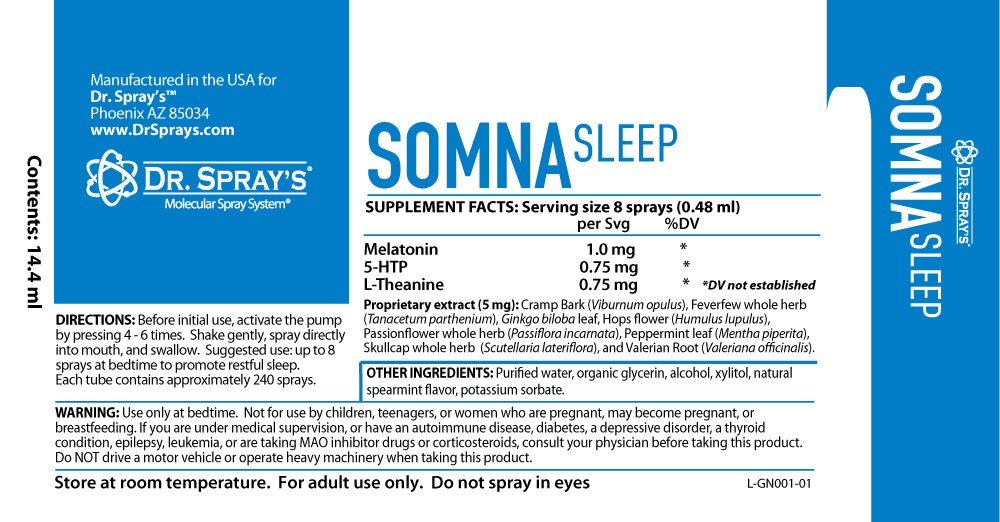
Melatonin supplementation in children should only be used under pediatrician guidance. Before considering melatonin, address behavioral factors, sleep environment, and potential nutritional deficiencies. If supplementation is needed, sleep support formulas with natural ingredients may offer a gentler alternative.
How do I handle sleep regression after we've made progress?
Sleep regressions are normal, especially during times of stress, illness, or life changes. Simply return to your established routine without punishment or frustration. Acknowledge that setbacks happen and reinforce that your child has successfully slept independently before and will again.
Is it normal for an 8-year-old to still want to sleep with parents?
While cultural norms vary, most child development experts agree that 8-year-olds benefit from learning to sleep independently. However, the desire for parental proximity is normal. The goal is to help your child develop the confidence and skills to sleep alone while still feeling emotionally connected to you.
What's the best way to explain to my child why they need to sleep alone?
Frame it positively: "You're growing up and ready for this big kid skill" rather than "You're too old to sleep with us." Emphasize that sleeping independently is a sign of growing strength and capability. Explain that everyone in the family has their own special sleeping space, and theirs is specially designed just for them.
Can I stay in my child's room until they fall asleep permanently?
While this may work short-term, it can create dependence where your child cannot fall asleep without your presence. This becomes problematic when you're unavailable or when your child wakes during normal sleep cycles and cannot self-soothe back to sleep. The gradual transition approach builds true independence.
Take Action for Better Sleep Tonight
Teaching your 8-year-old to sleep independently is one of the most valuable skills you can help them develop. By combining environmental improvements, consistent behavioral strategies, and proper nutritional support, you can set your child up for sleep success.
Remember that this process requires patience and consistency. Every child progresses at their own pace, and setbacks are normal. Celebrate small victories and maintain a calm, positive approach even when challenges arise.
Supporting your child's overall wellness—including proper nutrition—creates a foundation for better sleep. If you suspect vitamin deficiencies may be affecting your child's sleep quality, consider the convenience and superior absorption of doctor-developed vitamin sprays. With products manufactured in an FDA-registered facility in Phoenix, Arizona, and formulated for optimal absorption, spray supplements offer an effective way to address nutritional gaps that may impact sleep.
Start tonight by implementing one strategy from this guide. Whether it's establishing a consistent bedtime routine, moving your chair a few feet from your child's bed, or addressing potential nutritional deficiencies, every step forward is progress toward independent, restful sleep for your child—and better rest for your entire family.
For more information about supporting your child's health and wellness through innovative supplement delivery, learn more about DrSprays' approach to vitamin supplementation and how oral spray technology is changing the way families think about daily nutrition.