Getting a three-year-old to sleep can be one of the most challenging aspects of parenting. At this age, children are developing independence, testing boundaries, and experiencing rapid cognitive growth—all of which can interfere with bedtime routines. If you're struggling with nighttime battles, you're not alone. This comprehensive guide explores evidence-based strategies to help your toddler develop healthy sleep habits.
Understanding Why Three-Year-Olds Resist Sleep
Before implementing solutions, it's important to understand the underlying reasons why your three-year-old might be resisting bedtime. At this developmental stage, several factors contribute to sleep challenges:
Developmental Milestones and Sleep Disruption
Three-year-olds are experiencing significant cognitive and emotional development. They're developing language skills, understanding cause and effect, and beginning to grasp abstract concepts like time. This mental activity doesn't simply turn off at bedtime—their brains continue processing new information, which can make falling asleep difficult.
Additionally, this is the age when many children develop fears of the dark, separation anxiety, or vivid imaginations that create bedtime worries. What seems irrational to adults can feel very real to a toddler whose brain is still learning to distinguish fantasy from reality.
Nap Transitions and Sleep Needs
Around age three, many children are transitioning away from daily naps or reducing nap duration. This transition period can temporarily disrupt nighttime sleep patterns. Some three-year-olds still need a short nap to function well, while others do better with quiet rest time instead. Finding the right balance for your individual child is essential.
Most three-year-olds need between 10-13 hours of total sleep per 24-hour period. If your child is napping too late in the day or for too long, they may simply not be tired enough at bedtime.
Nutritional Deficiencies That Affect Sleep
Sleep quality can be significantly impacted by nutritional status. Deficiencies in certain vitamins and minerals are associated with sleep difficulties in young children:
- Vitamin D3: Low levels are linked to shorter sleep duration and sleep disorders in children
- Vitamin B12: Deficiency can disrupt circadian rhythms and melatonin production
- Magnesium: Helps regulate neurotransmitters that promote relaxation and sleep
- Iron: Deficiency can contribute to restless leg syndrome, which disrupts sleep
Traditional vitamin supplements can be challenging for toddlers who resist swallowing pills or dislike the taste of liquid vitamins. Modern oral spray vitamins offer an alternative delivery method that many parents find easier to administer while ensuring better absorption of essential nutrients.
Creating an Effective Bedtime Routine
A consistent, calming bedtime routine is the foundation of healthy sleep habits for three-year-olds. The routine should be predictable, relaxing, and take approximately 20-30 minutes from start to finish.
The Ideal Bedtime Sequence
Structure your routine with a clear sequence of activities that signal to your child's body that sleep is approaching:
- Transition warning (30 minutes before bed): Give advance notice that bedtime is approaching, allowing your child to mentally prepare
- Bath time: A warm bath raises body temperature; the subsequent cooling promotes drowsiness
- Put on pajamas: Let your child choose between two acceptable pajama options to provide a sense of control
- Brush teeth: Make this non-negotiable but keep it brief and positive
- Quiet activity: Read books, tell stories, or listen to calm music
- Lights out: Maintain the same bedtime each night, even on weekends
The Power of Consistency
Three-year-olds thrive on predictability. When bedtime routines vary significantly from night to night, it creates uncertainty and anxiety. Stick to the same sequence, even when traveling or during weekends. If both parents participate in bedtime, ensure you're following the same routine.
Consistency also means maintaining the same bedtime and wake time within a 30-minute window. This helps regulate your child's circadian rhythm, making it easier for them to fall asleep naturally at the appropriate time.
Managing Bedtime Resistance
When your three-year-old resists the routine, remain calm but firm. Avoid lengthy explanations or negotiations, which can become attention-seeking opportunities. Instead, use simple phrases like "It's bedtime" and physically guide your child through the routine without anger or frustration.
If your child repeatedly leaves their room, walk them back without discussion. The first time, you might say, "It's time to sleep," but subsequent returns should be silent. This technique requires patience but is highly effective when applied consistently.
Optimizing the Sleep Environment
The physical sleep environment plays a crucial role in sleep quality. Small adjustments to your child's bedroom can make a significant difference in how quickly they fall asleep and how well they stay asleep.
Temperature and Ventilation
The ideal bedroom temperature for sleep is between 65-70°F (18-21°C). Three-year-olds have difficulty regulating body temperature, so a room that's too warm can cause restlessness and frequent waking. Ensure adequate ventilation without creating drafts directly on your child.
Lighting Considerations
Darkness signals the brain to produce melatonin, the hormone that promotes sleep. However, many three-year-olds fear complete darkness. If a nightlight is necessary, choose one that emits red or amber light rather than blue or white light, which can suppress melatonin production.
Install blackout curtains to prevent early morning sunlight from waking your child prematurely. During summer months especially, this can help maintain consistent wake times.
Noise Control
White noise machines can mask household sounds that might wake a light-sleeping toddler. The consistent sound also creates an auditory cue that signals sleep time. Keep the volume at a moderate level—approximately as loud as a shower running in the next room.
Comfort and Safety
Ensure your child's mattress provides appropriate support and that bedding is comfortable but not excessive. Three-year-olds should use a pillow, but it should be relatively flat. Remove toys from the sleeping area to eliminate distractions and encourage the association between bed and sleep rather than play.
Addressing Common Sleep Challenges
Even with an excellent routine and sleep environment, specific issues may arise. Here's how to handle the most common sleep problems in three-year-olds.
Nighttime Fears and Anxiety
Three-year-olds commonly develop fears of monsters, shadows, or being alone. Validate these feelings rather than dismissing them: "I understand you feel scared, but you are safe, and I'm nearby."
Create a "monster spray" (water in a spray bottle with a fun label) that your child can use to "banish" scary things before bed. This gives them a sense of control over their fears. You might also conduct a "monster check" together as part of the bedtime routine, looking in closets and under beds to demonstrate the room is safe.
Frequent Night Wakings
If your child wakes frequently during the night, first rule out physical causes such as illness, discomfort, or the need to use the bathroom. If night wakings persist without obvious cause, they may have become habitual.
When your child wakes, keep interactions minimal. Use a calm, boring approach: walk them back to bed with minimal light and without engaging in conversation. Your goal is to make night waking unrewarding so the behavior naturally decreases.
Early Morning Waking
Three-year-olds who wake too early (before 6:00 AM) may need adjustments to their sleep schedule. Paradoxically, an earlier bedtime often helps, as overtired children wake earlier. Try moving bedtime 15 minutes earlier for several nights to see if morning wake time improves.
Use a toddler alarm clock that changes color when it's an appropriate time to get up. Teach your child that they should stay quietly in bed until the clock indicates morning has arrived.
Stalling Tactics
Three-year-olds are masters at delaying bedtime with "one more" requests: one more story, one more drink, one more hug. Prevent this by building these requests into your routine. Announce at the beginning of the routine: "We'll read two books tonight. You can choose which ones."
Once the routine is complete, avoid reopening negotiations. If your child makes additional requests, calmly remind them: "We already did that. It's time to sleep now."
The Role of Nutrition in Toddler Sleep
What your three-year-old eats—and when they eat it—can significantly impact sleep quality. A strategic approach to nutrition supports natural sleep processes.
Timing of Meals and Snacks
Avoid large meals within two hours of bedtime, as digestion can interfere with falling asleep. However, going to bed hungry can also prevent sleep. If your child needs a bedtime snack, choose foods that promote sleep.
Good bedtime snacks include:
- Banana with a small amount of nut butter
- Whole grain crackers with cheese
- Warm milk (dairy or fortified plant-based)
- Oatmeal with a small amount of honey (after age one)
Avoid sugary snacks, caffeine (including chocolate), and highly processed foods close to bedtime.
Essential Vitamins for Healthy Sleep
Ensuring adequate intake of sleep-supporting nutrients is important for three-year-olds. Many young children have insufficient levels of key vitamins, particularly if they're picky eaters.
Vitamin D3: Often called the "sunshine vitamin," vitamin D3 plays a role in regulating sleep-wake cycles. Children in northern climates or those who spend limited time outdoors may be deficient. Research indicates that vitamin D3 supplementation may improve sleep quality and duration in children with low levels.
Vitamin B12: This vitamin supports the production of melatonin and helps regulate circadian rhythms. Children following vegetarian or vegan diets are at higher risk for B12 deficiency. A vitamin B12 spray can provide an easy way to ensure adequate intake.
Magnesium: Known as nature's relaxation mineral, magnesium helps calm the nervous system and promote restful sleep. Food sources include leafy greens, nuts, seeds, and whole grains.
Advantages of Spray Vitamin Delivery
For parents of picky eaters or children who resist traditional supplements, spray supplements offer several advantages. The oral spray delivery method provides faster absorption than pills or gummies, with absorption rates up to 90% compared to 10-20% for traditional capsules that must be digested.
Spray vitamins are particularly useful for three-year-olds because they're easy to administer—no pill-swallowing required—and many children find the format more acceptable than liquid vitamins. The convenience factor can't be overstated for busy parents managing bedtime routines.
When selecting vitamin products for your child, choose those manufactured in FDA-registered, GMP-certified facilities that adhere to strict quality standards. Products developed by healthcare professionals typically offer more reliable formulations based on current nutritional science.
Daytime Activities That Support Nighttime Sleep
How your three-year-old spends their waking hours directly impacts nighttime sleep quality. Strategic daytime activities promote healthy sleep patterns.
Physical Activity Requirements
Three-year-olds need at least 60 minutes of active play daily, preferably outdoors. Physical activity helps expend energy, reduces stress, and promotes deeper sleep. However, avoid vigorous activity within two hours of bedtime, as it can be overstimulating.
Morning and afternoon outdoor time is particularly beneficial because natural light exposure helps regulate circadian rhythms. Even 15-20 minutes of sunlight exposure in the morning can significantly improve nighttime sleep.
Screen Time Management
The American Academy of Pediatrics recommends limiting screen time for preschoolers and eliminating it entirely in the hour before bed. Blue light from screens suppresses melatonin production and the content itself can be mentally stimulating.
If your child does watch screens during the day, ensure content is age-appropriate and calm rather than fast-paced or frightening. Replace evening screen time with quiet activities like puzzles, coloring, or building blocks.
Nap Strategy
If your three-year-old still naps, ensure it occurs early enough in the afternoon—ideally before 3:00 PM. Naps should last no longer than 90 minutes. If your child is transitioning away from napping, institute a "quiet time" where they rest in their room with books or quiet toys for 30-60 minutes.
Watch for signs that napping is interfering with nighttime sleep: difficulty falling asleep at bedtime, bedtime battles, or early morning waking. These may indicate it's time to eliminate the nap entirely.
When to Seek Professional Help
While many sleep challenges in three-year-olds resolve with consistent routines and environmental adjustments, certain situations warrant professional evaluation.
Consult your pediatrician if your child:
- Snores loudly or has pauses in breathing during sleep (possible sleep apnea)
- Shows excessive daytime sleepiness despite adequate nighttime sleep duration
- Has persistent nightmares or night terrors multiple times per week
- Demonstrates rhythmic movements like head banging or body rocking
- Shows signs of restless leg syndrome (uncomfortable sensations in legs that worsen at rest)
- Has difficulty breathing through their nose (possible adenoid or tonsil issues)
Sleep disorders in young children are treatable, but they require proper diagnosis. Don't hesitate to advocate for your child if sleep problems persist despite implementing behavioral strategies.
Creating Sustainable Sleep Success
Helping your three-year-old develop healthy sleep habits requires patience, consistency, and sometimes creativity. Remember that sleep patterns can temporarily regress during times of stress, illness, travel, or developmental leaps. This is normal and doesn't mean you've failed—simply return to your established routines as soon as possible.
The strategies outlined in this guide work synergistically. A consistent bedtime routine is more effective when combined with an optimized sleep environment. Proper nutrition supports the benefits of adequate physical activity. Each element reinforces the others to create conditions that naturally promote healthy sleep.
Most importantly, remain calm during nighttime challenges. Your three-year-old can sense frustration and anxiety, which makes falling asleep even harder. Approach bedtime with quiet confidence that your child will eventually fall asleep, because they will.
By addressing sleep holistically—through behavioral routines, environmental optimization, proper nutrition, and appropriate supplementation when needed—you're setting the foundation not just for better nights now, but for healthy sleep patterns that will benefit your child for years to come.
Frequently Asked Questions
What time should a three-year-old go to bed?
Most three-year-olds should go to bed between 7:00-8:00 PM, depending on their wake time and nap schedule. The goal is to ensure they get 10-13 hours of total sleep per 24-hour period. An earlier bedtime often works better than a later one, as overtired children have more difficulty falling asleep and staying asleep.
How long should it take a three-year-old to fall asleep?
After completing the bedtime routine, a well-rested three-year-old should fall asleep within 15-30 minutes. If your child regularly takes longer than 30 minutes to fall asleep, they may not be tired enough at bedtime, suggesting either a too-late bedtime or excessive napping during the day.
Should I let my three-year-old cry it out?
Traditional "cry it out" methods are generally not recommended for three-year-olds, who have more complex emotional and cognitive abilities than infants. Instead, use gentle but firm approaches: walk your child back to bed without extended interaction, validate their feelings briefly, then leave. Consistency matters more than the specific method.
Can vitamin deficiency cause sleep problems in toddlers?
Yes, deficiencies in certain vitamins and minerals—particularly vitamin D3, vitamin B12, iron, and magnesium—are associated with sleep difficulties in young children. If your three-year-old is a picky eater or has persistent sleep problems, discuss vitamin levels with your pediatrician. Vitamin spray supplements can help address deficiencies when dietary intake is insufficient.
My three-year-old wakes up multiple times per night. Is this normal?
While occasional night wakings are normal, frequent wakings (more than once per night) that persist for weeks may indicate an underlying issue. Possible causes include sleep associations that require parent intervention, environmental factors (temperature, noise, light), or physical discomfort. Evaluate your child's sleep environment and routine first; if the problem persists, consult your pediatrician.
How do I handle bedtime when my three-year-old says they're scared?
Validate their feelings without reinforcing the fear: "I understand you feel scared, but you are safe." Provide a comfort object like a special stuffed animal or blanket. Consider a dim nightlight that emits red or amber light. Conduct a brief "safety check" of the room as part of the routine, but avoid making it an elaborate production that provides secondary gain for expressing fear.
Should three-year-olds still be napping?
Sleep needs vary individually. Some three-year-olds still benefit from a short nap (60-90 minutes), while others no longer need one. Signs your child may be ready to drop the nap include: difficulty falling asleep at bedtime, bedtime taking more than 30 minutes, or consistently waking very early in the morning. When transitioning away from naps, replace them with quiet rest time.
What's the best way to give vitamins to a picky three-year-old?
Many parents find that oral spray vitamins work well for picky toddlers who resist pills or dislike liquid supplements. Spray vitamins are easy to administer, have better absorption than traditional pills, and come in formulations designed for children's needs. Make vitamin time part of your morning or bedtime routine so it becomes an expected habit.
Can I give my three-year-old melatonin to help them sleep?
Melatonin should only be used under pediatrician guidance. While sometimes helpful for specific sleep disorders, melatonin is not a substitute for good sleep hygiene and behavioral strategies. Before considering melatonin, try optimizing your child's bedtime routine, sleep environment, and nutrition. Ensure adequate intake of vitamins like D3 and B12, which support natural melatonin production.
How long does it take to establish a new sleep routine?
Most children adapt to a new routine within 1-2 weeks of consistent implementation. The first few nights may be challenging as your three-year-old tests boundaries, but persistence is essential. Don't abandon a strategy after just a few difficult nights—give it at least 7-10 days of consistent application before determining whether it's working.
About the Author
This article was developed by the team at DrSprays, drawing on current pediatric sleep research and nutritional science. DrSprays specializes in doctor-developed oral spray vitamins formulated for optimal absorption. All products are manufactured in an FDA-registered, GMP-certified facility in Phoenix, Arizona, ensuring the highest quality standards. Our team is committed to providing families with evidence-based health information and innovative nutritional solutions.
Support Your Child's Sleep with Targeted Nutrition
If you've implemented behavioral strategies and optimized your child's sleep environment but challenges persist, nutritional deficiencies may be playing a role. Many three-year-olds don't get adequate vitamins from diet alone, particularly if they're picky eaters.
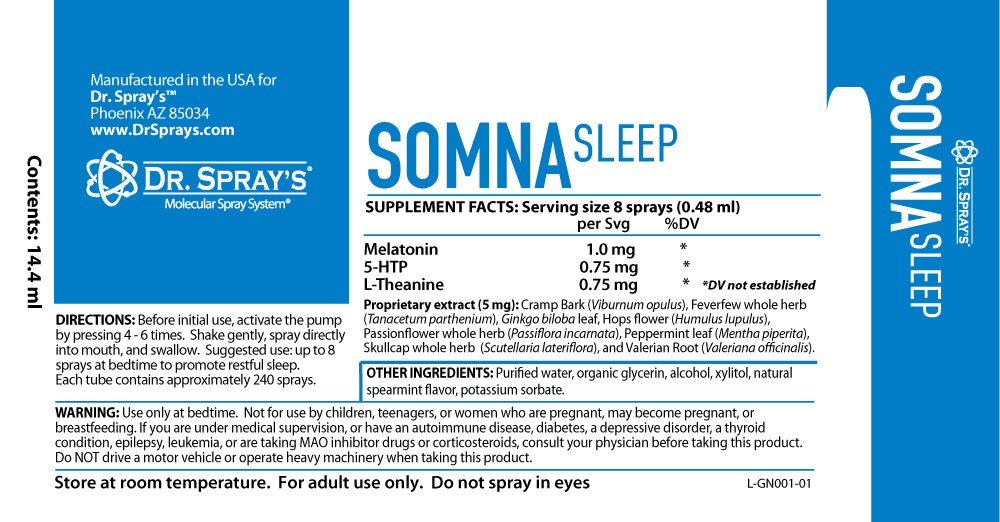
DrSprays offers doctor-developed vitamin sprays with 90% absorption rates—significantly higher than traditional pills or gummies. Our Vitamin D3 spray and Vitamin B12 spray support healthy sleep-wake cycles and overall wellness. For adults struggling with their own sleep challenges, our Sleep spray provides targeted nutritional support.
All DrSprays products are manufactured in our FDA-registered, GMP-certified facility in Phoenix, Arizona, ensuring quality and safety you can trust. Explore our complete line of oral spray vitamins to find solutions that support your family's health and wellness goals.