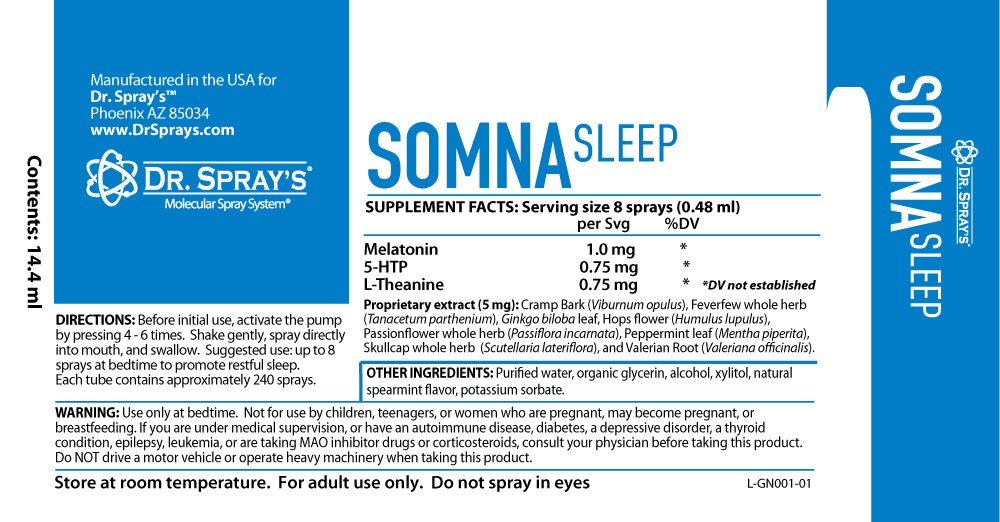
Getting a one-year-old to sleep through the night is one of the most challenging aspects of early parenthood. While sleep regressions and nighttime wakings are developmentally normal, nutritional deficiencies can significantly impact your toddler's ability to establish healthy sleep patterns. Understanding the connection between proper nutrition and quality sleep can help you create an environment where your child naturally sleeps longer and more soundly.
Understanding Sleep Patterns in One-Year-Olds
At twelve months, most toddlers need between 11-14 hours of total sleep per day, including nighttime sleep and daytime naps. However, many parents report that their one-year-old still wakes multiple times throughout the night, disrupting the entire household's rest. While behavioral factors certainly play a role, emerging research shows that vitamin and mineral deficiencies can significantly affect a child's sleep quality and duration.
The transition from infant to toddler brings dramatic changes in nutritional needs. As children reduce their milk intake and become pickier eaters, they may not receive adequate amounts of sleep-supporting nutrients. This nutritional gap can manifest as difficulty falling asleep, frequent night wakings, and early morning rising.
Critical Nutrients That Support Sleep in Toddlers
Vitamin D3: The Sleep-Wake Cycle Regulator
Vitamin D plays a crucial role in regulating circadian rhythms and producing sleep-promoting hormones. Research indicates that vitamin D deficiency is surprisingly common in young children, particularly those with limited sun exposure or darker skin tones. A vitamin D3 spray offers an effective delivery method for toddlers who resist swallowing pills or liquids with strong tastes.
Studies have found that children with adequate vitamin D levels fall asleep faster and experience fewer nighttime disruptions. The vitamin works by supporting melatonin production and helping establish consistent sleep-wake cycles. For families in sun-rich locations like Phoenix, Arizona, outdoor play during appropriate hours can complement supplementation, though year-round supplementation is often still recommended by pediatricians.
Vitamin B12: Energy Regulation and Sleep Quality
While vitamin B12 is commonly associated with energy production, it also plays an essential role in maintaining healthy sleep patterns. This vitamin helps regulate the body's internal clock and supports the production of neurotransmitters that signal when it's time to sleep. A vitamin B12 spray provides rapid absorption, which is particularly beneficial for children who may have difficulty absorbing nutrients through traditional digestion.
Toddlers who consume limited animal products or have digestive sensitivities may be at higher risk for B12 deficiency. Signs can include restlessness at bedtime, difficulty settling down, and excessive nighttime movement. Addressing this deficiency through targeted supplementation can lead to noticeable improvements in sleep quality within weeks.
Magnesium: Nature's Relaxation Mineral
Magnesium supports muscle relaxation, nervous system calm, and the production of GABA, a neurotransmitter that promotes relaxation and sleep. Many toddlers don't consume enough magnesium-rich foods like leafy greens, nuts, and whole grains. This deficiency can manifest as physical restlessness, difficulty relaxing at bedtime, and night wakings.
The Advantages of Oral Spray Vitamins for Toddlers
Traditional vitamin delivery methods often present challenges for one-year-olds. Pills are a choking hazard, liquids may be rejected due to taste, and gummy vitamins can be a safety concern. Oral spray vitamins offer a practical solution that addresses these concerns while providing superior absorption.
Superior Absorption Rates
When you use a vitamin spray, the nutrients are absorbed directly through the mucous membranes in the mouth, bypassing much of the digestive system. This sublingual and buccal absorption can achieve rates up to 90%, compared to 10-20% absorption with traditional pills. For young children whose digestive systems are still maturing, this enhanced bioavailability means they actually receive more of the nutrients they need.
Ease of Administration
Getting a struggling toddler to take their vitamins can become a daily battle. Spray supplements eliminate this struggle with quick, simple administration. A few sprays in the mouth takes seconds, and many formulations come in naturally pleasant flavors that children accept more readily than traditional vitamin liquids.
Precise Dosing
Spray delivery systems provide accurate, consistent dosing with each spray. This precision is particularly important for fat-soluble vitamins like D3, where you want to ensure your child receives the appropriate amount without risk of excessive intake. Quality spray supplements feature measured pumps that deliver exact amounts with each application.
Creating a Sleep-Supporting Nutritional Foundation
Whole Food Sources
While supplementation can address gaps, building a nutrition-rich diet should be your foundation. For one-year-olds, focus on offering:
- Fatty fish like salmon or sardines (vitamin D, omega-3s, B12)
- Eggs (vitamin D, B12, protein)
- Fortified whole milk or dairy alternatives (vitamin D, calcium)
- Leafy greens when accepted (magnesium, folate)
- Whole grains (B vitamins, magnesium)
- Lean meats and poultry (B12, iron, zinc)
Strategic Supplementation
Even with an excellent diet, many toddlers benefit from targeted supplementation. The American Academy of Pediatrics recommends vitamin D supplementation for most children, and many pediatricians suggest additional nutrients based on individual dietary patterns. Work with your healthcare provider to identify which nutrients may be lacking in your child's diet.
Timing Matters
When you administer supplements can impact both their effectiveness and your child's sleep. B vitamins are best given in the morning or early afternoon, as they support energy metabolism. Magnesium and vitamin D are better suited for evening administration, as they promote relaxation and work with the body's natural sleep processes.
Evidence-Based Sleep Strategies Beyond Nutrition
While addressing nutritional deficiencies provides a crucial foundation, successful sleep training requires a comprehensive approach.
Establish Consistent Routines
One-year-olds thrive on predictability. Create a bedtime routine that occurs at the same time each night and follows the same sequence. This might include bath time, putting on pajamas, reading books, singing lullabies, and settling into the crib. Consistency signals to your child's brain that sleep time is approaching.
Optimize the Sleep Environment
Your child's bedroom should be dark, cool, and quiet. In warm climates like Phoenix, Arizona, maintaining a comfortable temperature (between 68-72°F) is essential for quality sleep. Use blackout curtains to block early morning light, and consider white noise to mask household sounds that might disturb sleep.
Watch Wake Windows
One-year-olds typically need wake windows of 3-4 hours between sleep periods. If your child stays awake too long, they become overtired, making it harder to fall asleep and stay asleep. Conversely, too much daytime sleep can interfere with nighttime sleep. Most one-year-olds do well with one or two naps totaling 2-3 hours during the day.
Respond Appropriately to Night Wakings
When your child wakes at night, pause before immediately intervening. Many toddlers briefly wake between sleep cycles and can settle themselves back to sleep if given the opportunity. If intervention is needed, keep it brief, boring, and consistent with your chosen sleep training method.
When Nutritional Deficiencies Might Be the Culprit
Certain signs suggest that your one-year-old's sleep difficulties may have a nutritional component:
- Physical restlessness or leg movements during sleep (may indicate magnesium or iron deficiency)
- Difficulty settling down despite obvious tiredness (possible B vitamin or magnesium insufficiency)
- Frequent night wakings without clear cause (may suggest vitamin D deficiency)
- Excessive sweating during sleep (can indicate vitamin D deficiency)
- Pale skin, fatigue during waking hours (possible iron or B12 deficiency)
- Limited dietary variety or restricted diets (increased risk for multiple deficiencies)
If you notice these patterns, consult your pediatrician about testing for nutritional deficiencies. Blood tests can identify specific gaps that targeted supplementation can address.
Quality Matters: Choosing Safe Supplements
Not all vitamin supplements are created equal, especially for young children. When selecting oral spray vitamins or any supplement for your toddler, prioritize:
Manufacturing Standards
Choose products manufactured in FDA-registered, GMP-certified facilities. These designations ensure that supplements meet strict quality control standards and contain what their labels claim. Products made in the United States, such as those manufactured in Phoenix, Arizona, must adhere to rigorous FDA guidelines.
Third-Party Testing
Look for supplements that undergo independent testing for purity and potency. Third-party verification provides additional assurance that products are free from contaminants and contain accurate amounts of listed ingredients.
Age-Appropriate Formulations
Ensure any supplement you choose is specifically formulated for young children. Dosing for toddlers differs significantly from adult dosing, and some ingredients appropriate for adults may not be suitable for one-year-olds.
Clean Ingredients
Avoid products with unnecessary fillers, artificial colors, excessive sugars, or common allergens. The simpler the ingredient list, the better for your child's developing system.
Working With Your Healthcare Provider
Before starting any supplementation regimen for your one-year-old, consult with your pediatrician. They can assess your child's individual needs, recommend appropriate testing if deficiencies are suspected, and provide guidance on safe dosing. This is particularly important if your child has any underlying health conditions, takes medications, or follows a restricted diet.
Your healthcare provider can also help you understand normal sleep development versus sleep issues that may require intervention. While nutritional support can significantly improve sleep quality, some sleep challenges require additional strategies or professional guidance.
Real-World Success: A Comprehensive Approach
Parents who successfully help their one-year-olds sleep through the night typically combine multiple strategies. They address nutritional gaps through diet and targeted supplementation, establish consistent sleep routines, optimize the sleep environment, and respond to their child's individual needs with patience and consistency.
Many families report that after addressing vitamin D or B12 deficiencies with spray supplements, their child's sleep improved within 2-4 weeks. However, this nutritional foundation works best when combined with behavioral strategies and environmental optimization.
The Long-Term Benefits of Quality Sleep
Helping your one-year-old establish healthy sleep patterns provides benefits that extend far beyond peaceful nights. Quality sleep supports:
- Cognitive development and learning
- Physical growth and immune function
- Emotional regulation and behavior
- Appetite regulation and healthy eating habits
- Family well-being and parental mental health
When you invest time in understanding and addressing the factors affecting your child's sleep—including nutritional needs—you're setting the foundation for lifelong healthy sleep habits.
Moving Forward: Creating Your Action Plan
If your one-year-old struggles with nighttime sleep, take a systematic approach to identifying and addressing potential causes:
- Evaluate your child's diet and identify potential nutritional gaps
- Consult your pediatrician about testing for vitamin deficiencies, particularly D3 and B12
- Consider high-quality vitamin spray options for any identified deficiencies
- Establish or refine consistent sleep routines and environmental factors
- Implement age-appropriate sleep training methods if needed
- Track changes and adjust strategies based on your child's response
- Maintain patience—meaningful improvement typically takes 2-4 weeks of consistency
Remember that every child is unique, and what works for one family may need adjustment for yours. The key is addressing both the nutritional foundation and behavioral aspects of sleep in a way that fits your family's needs and values.
Frequently Asked Questions
Is it safe to give vitamin sprays to a one-year-old?
When used as directed and with pediatrician approval, oral spray vitamins are safe for toddlers. The spray delivery method actually offers advantages for this age group, including easier administration and superior absorption compared to traditional supplements. Always choose products specifically formulated for young children and manufactured in FDA-registered facilities with GMP certification. Start with lower doses and monitor for any reactions, though adverse effects are rare with quality products.
How long does it take to see sleep improvements after starting vitamin supplementation?
Most parents notice improvements within 2-4 weeks of consistent supplementation, though timing varies based on the severity of deficiency and individual factors. Vitamin D typically takes longer to build up in the system (4-6 weeks for full effects), while B12 may show faster results (1-2 weeks). Keep a sleep log to track patterns and help identify whether supplementation is making a difference. Remember that supplementation works best when combined with consistent sleep routines and environmental optimization.
Can my one-year-old get too much vitamin D3 from a spray?
When using properly dosed vitamin D3 spray products designed for children and following recommended guidelines, the risk of excessive intake is minimal. The American Academy of Pediatrics recommends 400-600 IU daily for toddlers, though some children may need more based on individual factors. Quality spray supplements feature measured pumps that deliver precise amounts per spray. Vitamin D toxicity is extremely rare and typically only occurs with doses far exceeding recommendations over extended periods. Your pediatrician can monitor vitamin D levels through simple blood tests if there are concerns.
What's the best time of day to give my toddler vitamin sprays?
Timing depends on the specific vitamin. B vitamins, including vitamin B12 spray, are best given in the morning or early afternoon since they support energy metabolism and might interfere with sleep if given too close to bedtime. Vitamin D3 and magnesium are better suited for evening administration, as they support relaxation and work synergistically with natural sleep processes. For multi-vitamin sprays, morning administration is typically recommended. Always administer sprays with or after food to enhance absorption and reduce the risk of stomach upset.
Are spray supplements better than gummy vitamins for toddlers?
Spray supplements offer several advantages over gummy vitamins for one-year-olds. First, gummies pose a choking risk for young toddlers. Second, sprays provide superior absorption (up to 90% compared to 10-20% for gummies) because nutrients are absorbed directly through mouth tissues. Third, gummies often contain added sugars and can contribute to dental problems. Fourth, spray dosing is more precise and easier to adjust. While gummies may work for older children, sprays are generally the safer, more effective choice for one-year-olds.
My toddler is a picky eater. Should I supplement even if sleep isn't an issue?
Many pediatricians recommend targeted supplementation for picky eaters, even without obvious symptoms. Nutritional deficiencies can develop gradually and may affect development before sleep problems become apparent. If your one-year-old refuses entire food groups (especially meats, dairy, or vegetables), consult your pediatrician about appropriate supplementation. A vitamin D3 spray and possibly B12 are commonly recommended for children with limited dietary variety. Quality oral spray vitamins make supplementation easier for resistant toddlers since they don't require convincing a child to chew or swallow pills.
Can vitamin deficiencies cause other problems besides sleep issues?
Yes, nutritional deficiencies affect many aspects of development and health. Vitamin D deficiency can impact bone development, immune function, and mood regulation. B12 deficiency may affect cognitive development, energy levels, and nervous system function. Iron deficiency can cause developmental delays, poor appetite, and behavioral issues. Addressing these deficiencies through proper nutrition and supplementation supports not just sleep, but overall growth, development, and well-being. Sleep problems are often one of the first noticeable signs of nutritional inadequacy, making them an important warning signal.
How do I know if my child's sleep problems are nutritional or behavioral?
This distinction can be challenging, which is why a comprehensive approach works best. If your child has any risk factors for nutritional deficiency (limited diet, digestive issues, vegan diet, limited sun exposure), addressing nutrition first makes sense. If sleep problems persist after 4-6 weeks of proper supplementation and diet optimization, behavioral factors are likely primary. However, nutrition and behavior often interact—an overtired child from nutritional deficiency may develop poor sleep habits that persist even after the deficiency is corrected. Your pediatrician can help assess both factors and create an integrated approach.
Take Action for Better Sleep Tonight
Quality sleep transforms both childhood development and family life. If your one-year-old struggles with nighttime sleep, addressing potential nutritional gaps may provide the foundation needed for improvement. Combined with consistent routines and an optimized sleep environment, proper nutrition supports your child's natural sleep patterns.
Don't let another sleepless night compromise your family's well-being. Explore doctor-developed vitamin spray options that make supplementation simple and effective for toddlers. Visit DrSprays to discover physician-formulated oral spray vitamins with 90% absorption rates, manufactured in an FDA-registered, GMP-certified facility right here in Phoenix, Arizona. Our Vitamin D3 spray and Vitamin B12 spray are specifically designed for optimal absorption and easy administration—perfect for young children.
Ready to build a nutritional foundation for better sleep? Browse our complete collection of premium spray supplements and take the first step toward peaceful nights and well-rested days for your entire family.