Helping your one-year-old sleep through the night is one of the most challenging yet important milestones in early parenthood. At this age, your toddler is developing rapidly, and proper sleep plays a crucial role in their physical growth, cognitive development, and emotional well-being. Many parents struggle with nighttime wakings, wondering if their child's nutrition, sleep environment, or routine might be affecting their ability to stay asleep.
This comprehensive guide explores evidence-based strategies to help your one-year-old achieve consistent, restful sleep throughout the night, including how nutritional support through modern delivery methods like vitamin spray supplements can address common deficiencies that may impact sleep quality.
Understanding Your One-Year-Old's Sleep Needs
At twelve months, children typically require 12-14 hours of total sleep within a 24-hour period, including nighttime sleep and daytime naps. Most one-year-olds transition to a schedule with one or two daytime naps and approximately 10-12 hours of nighttime sleep.
However, sleep patterns vary considerably among individual children. Some naturally sleep longer stretches, while others wake frequently due to developmental leaps, teething discomfort, or nutritional factors. Understanding what's developmentally normal helps parents set realistic expectations and identify when intervention might be needed.
Common Sleep Disruptions at This Age
One-year-olds experience several developmental changes that can temporarily disrupt sleep patterns:
- Separation anxiety: Peak separation anxiety often occurs around 12-18 months, causing increased nighttime wakings
- Physical milestones: Learning to walk and increased mobility can lead to overtiredness and difficulty settling
- Teething: Molars typically emerge between 12-18 months, causing discomfort that disrupts sleep
- Nutritional transitions: The shift from breast milk or formula to solid foods can affect nutrient absorption and sleep quality
- Language development: Rapid brain development during language acquisition can temporarily affect sleep patterns
The Connection Between Nutrition and Sleep Quality
Research increasingly demonstrates the significant relationship between nutritional status and sleep quality in young children. Several key vitamins and minerals directly influence the body's sleep-wake cycle and the production of sleep-regulating hormones.
Essential Nutrients for Healthy Sleep Patterns
Specific nutrients play critical roles in regulating your child's circadian rhythm and supporting the neurological processes necessary for sustained sleep:
Vitamin D: This essential vitamin regulates sleep-wake cycles and supports the production of serotonin, a precursor to the sleep hormone melatonin. Studies show that vitamin D deficiency correlates with poor sleep quality and increased nighttime wakings in children. Many toddlers in Phoenix, Arizona, despite the abundant sunshine, may not receive adequate vitamin D due to necessary sun protection practices and limited outdoor time during extreme heat.
B Vitamins: The B-complex vitamins, particularly B6 and B12, support the production of neurotransmitters that regulate sleep-wake cycles. Vitamin B12 specifically helps regulate circadian rhythms by influencing melatonin secretion timing. Children transitioning from breast milk may experience decreased B12 intake if their solid food diet doesn't include adequate sources.
Magnesium: This mineral activates neurotransmitters responsible for calming the nervous system and promoting relaxation. Magnesium deficiency can manifest as restlessness, difficulty settling, and frequent nighttime wakings.
Zinc: Essential for immune function and overall health, zinc also plays a role in regulating melatonin production and supporting deep, restorative sleep phases.
Modern Nutrient Delivery for Better Absorption
Traditional vitamin supplementation for toddlers presents several challenges. Pills are choking hazards, liquid vitamins often have unpleasant tastes that children resist, and gummy vitamins contain added sugars that can affect both dental health and sleep quality.
Oral spray vitamins offer an innovative solution with a 90% absorption rate compared to approximately 20% for traditional pills. This superior absorption means your child receives more nutritional benefit from smaller doses, and the convenient spray format eliminates struggles around swallowing or taste resistance.
For parents in Phoenix, Arizona, where the dry climate and indoor lifestyle during summer months can affect vitamin D production, vitamin D3 spray provides an efficient way to ensure adequate intake without the challenges of traditional supplementation methods.
Establishing a Consistent Bedtime Routine
Consistency forms the foundation of healthy sleep habits for one-year-olds. A predictable bedtime routine signals to your child's brain that sleep time is approaching, triggering the natural release of sleep-promoting hormones.
Creating an Effective Evening Sequence
Begin your routine 30-45 minutes before your target bedtime. A successful sequence might include:
- Light dinner 2-3 hours before bed: Ensure adequate nutrition without causing discomfort from digestion
- Calm play activities: Avoid stimulating games or screen time in the final hour before bed
- Bath time: Warm water helps relax muscles and signals the transition toward sleep
- Quiet time in the bedroom: Dim lights and engage in calming activities like reading or gentle songs
- Final feeding if needed: Some one-year-olds still benefit from a small pre-bed snack or milk
- Tooth brushing: Establish dental hygiene habits early
- Bedtime story or lullaby: Create positive sleep associations through comforting rituals
The key is maintaining this sequence consistently, even when traveling or during schedule disruptions. Children thrive on predictability, and the familiar pattern helps them feel secure and ready for sleep.
Optimizing the Sleep Environment
Your child's bedroom environment significantly impacts their ability to fall asleep and remain asleep throughout the night. Several factors deserve careful attention.
Temperature and Air Quality
The ideal bedroom temperature for toddler sleep ranges between 68-72°F. In Phoenix's desert climate, maintaining this temperature during summer months requires adequate cooling, but avoid positioning cribs directly under air conditioning vents where temperature fluctuations might disturb sleep.
Proper humidity levels (40-50%) also matter, particularly in arid climates. Dry air can cause nasal congestion and throat discomfort that disrupts sleep. A cool-mist humidifier helps maintain comfortable moisture levels without creating dampness that promotes mold growth.
Light Management
Light exposure powerfully influences circadian rhythms. Create a dark sleep environment using blackout curtains or shades, particularly important during Arizona's long summer evenings when sunset occurs late.
Use dim, warm-colored night lights if necessary for nighttime checks rather than bright white lights that suppress melatonin production. Red or amber lights minimally impact sleep hormones while providing enough visibility for safety.
Noise Control
White noise machines effectively mask household sounds or outside noises that might wake a light-sleeping toddler. Consistent background sound also creates a positive sleep association and can soothe children through brief partial wakings that occur naturally during sleep cycles.
Addressing Nutritional Deficiencies That Impact Sleep
If your one-year-old consistently struggles with sleep despite environmental optimization and routine consistency, nutritional deficiencies may contribute to the problem.
Signs Your Toddler May Need Nutritional Support
Watch for these indicators that suggest your child might benefit from supplementation:
- Difficulty falling asleep despite obvious tiredness
- Frequent nighttime wakings without clear cause (not hungry, wet, or uncomfortable)
- Restless sleep with significant movement or position changes
- Daytime fatigue or irritability despite adequate sleep opportunity
- Limited dietary variety or picky eating that restricts nutrient intake
- Following vegetarian or vegan diets that may lack certain vitamins
Safe Supplementation for Toddlers
Before starting any supplementation, consult your pediatrician to rule out underlying medical conditions and discuss appropriate dosing for your child's age and weight.
Spray supplements offer particular advantages for this age group. The sublingual delivery method bypasses the digestive system, allowing nutrients to enter the bloodstream directly through the mucous membranes. This approach proves especially beneficial for children with sensitive stomachs or those recovering from illness when digestive absorption may be compromised.
Products manufactured in FDA-registered, GMP-certified facilities ensure quality control and safety standards appropriate for young children. When selecting supplements, prioritize those specifically formulated without unnecessary additives, artificial colors, or excessive sweeteners.
Managing Night Wakings and Sleep Associations
Even with optimal nutrition and environment, some one-year-olds wake during the night. How you respond to these wakings significantly influences whether they become habitual or gradually diminish.
Evaluating the Cause of Nighttime Waking
When your toddler wakes at night, quickly assess whether they have a genuine need:
Hunger: While most one-year-olds can sleep 10-12 hours without eating, growth spurts or insufficient daytime calories may create legitimate nighttime hunger. If your child genuinely seems hungry (not just seeking comfort), offer a small, protein-rich snack.
Discomfort: Check for wet diapers, uncomfortable clothing, or room temperature issues. During Arizona summers, children may overheat if wearing heavy pajamas or using thick blankets.
Illness or teething: Physical discomfort from teething or illness obviously requires comfort and appropriate care. Support your child's immune system through adequate nutrition, including vitamin C and zinc, which play crucial roles in immune function.
Gentle Sleep Training Approaches
If wakings don't stem from genuine needs, consider age-appropriate sleep training methods:
Gradual retreat: Slowly decrease your involvement in helping your child fall back asleep over several weeks. Begin by staying in the room but progressively reduce interaction, eventually moving toward the door, then outside the room.
Check-and-console: Respond to crying at progressively longer intervals, providing brief reassurance without picking up or fully engaging. This teaches self-soothing while maintaining security.
Bedtime fading: If your child resists bedtime, temporarily move it later to match their natural drowsy time, then gradually shift it earlier once they're falling asleep easily.
Daytime Factors That Influence Nighttime Sleep
Your child's daytime activities, nutrition, and routine significantly impact nighttime sleep quality.
Optimal Nap Timing
Most one-year-olds need one or two naps totaling 2-3 hours. If your child still takes two naps, transition to one nap around 15-18 months when they consistently resist one nap or bedtime becomes difficult.
Schedule the single nap for early afternoon (12:00-2:30 PM typically works well) to ensure adequate wake time before bedtime. Naps too close to bedtime prevent the accumulation of sleep pressure necessary for easy nighttime sleep onset.
Physical Activity and Outdoor Time
Adequate physical activity during waking hours promotes better sleep. Encourage active play, walking practice, and exploration. In Phoenix's climate, plan outdoor activities during cooler morning or evening hours to avoid excessive heat exposure.
Morning sunlight exposure particularly benefits circadian rhythm regulation. Even 15-20 minutes of natural light exposure after waking helps set your child's internal clock for appropriate sleepiness at bedtime.
Balanced Nutrition Throughout the Day
Ensure your one-year-old receives adequate calories and nutrients during daytime hours to minimize nighttime hunger. Offer a variety of whole foods including:
- Iron-rich proteins (meat, beans, fortified cereals) that support oxygen transport and prevent the restlessness associated with iron deficiency
- Complex carbohydrates that provide steady energy and support serotonin production
- Healthy fats crucial for brain development and the absorption of fat-soluble vitamins like vitamin D
- Colorful fruits and vegetables providing antioxidants and various micronutrients
For picky eaters or children with limited dietary variety, vitamin spray supplements can fill nutritional gaps without the battle of forcing unwanted foods.
When to Consult Healthcare Professionals
While most sleep challenges in one-year-olds resolve with consistent routines and appropriate support, certain situations warrant professional evaluation.
Red Flags Requiring Medical Attention
Consult your pediatrician if your child experiences:
- Loud snoring, gasping, or pauses in breathing during sleep (possible sleep apnea)
- Extreme difficulty waking in the morning despite adequate sleep opportunity
- Significant daytime sleepiness or falling asleep during activities
- Sleep problems accompanied by poor growth or developmental delays
- Sudden changes in sleep patterns following illness or injury
- Persistent sleep difficulties despite implementing evidence-based strategies for several weeks
Working with Pediatric Sleep Specialists
If basic interventions don't resolve sleep issues, pediatric sleep specialists can provide comprehensive evaluation including assessment of:
- Underlying medical conditions affecting sleep
- Nutritional deficiencies through blood work and dietary analysis
- Sleep architecture through polysomnography if indicated
- Family dynamics and stress factors impacting sleep
- Customized behavioral interventions suited to your family's needs
Long-Term Sleep Health Strategies
Establishing healthy sleep patterns at age one creates a foundation for lifelong sleep health. Consider these ongoing strategies as your child grows.
Maintaining Consistency During Transitions
Major life changes—moving homes, starting daycare, welcoming a sibling—temporarily disrupt sleep. Maintain core routine elements during transitions to provide stability and security. Your child's familiar bedtime sequence remains an anchor during otherwise uncertain times.
Adjusting Routines as Your Child Develops
Remain flexible and responsive to your child's changing needs. As they approach 18 months and beyond, bedtime may shift slightly, nap requirements change, and their ability to communicate needs improves. Continue prioritizing adequate sleep while adapting specific strategies to developmental stages.
Supporting Overall Health
Remember that sleep exists within the larger context of overall health. Regular pediatric checkups, appropriate immunizations, dental care, and attention to both physical and emotional well-being all contribute to sleep quality.
Nutritional support through high-absorption delivery methods ensures your growing child receives essential vitamins and minerals even during phases of picky eating or dietary limitations. Multi-vitamin spray formulations designed for children provide comprehensive nutritional insurance without the risks or difficulties of traditional supplementation.
Frequently Asked Questions
How long does it take for a one-year-old to learn to sleep through the night?
The timeline varies significantly depending on your child's temperament, previous sleep patterns, and the consistency of your approach. Some children respond to routine changes within a week, while others may need 3-4 weeks to fully adjust. Gentle sleep training methods typically show meaningful improvement within 1-2 weeks, though complete consolidation of nighttime sleep may take longer. Be patient and consistent—most one-year-olds can achieve consolidated nighttime sleep with appropriate support.
Can vitamin deficiencies really affect my toddler's sleep?
Yes, research demonstrates clear connections between nutritional status and sleep quality. Vitamin D deficiency correlates with sleep disturbances, reduced total sleep time, and poor sleep quality in children. Vitamin B12 deficiency affects circadian rhythm regulation and melatonin production. Iron deficiency can cause restless sleep and frequent wakings. Addressing nutritional gaps through diet and, when necessary, supplementation often improves sleep outcomes alongside behavioral interventions.
Should I still feed my one-year-old during the night?
Most one-year-olds don't require nighttime feedings for nutrition, as they can obtain adequate calories during waking hours. However, some children still genuinely need one nighttime feeding, particularly during growth spurts or if they're small for age. Evaluate whether your child is truly hungry (quickly consumes a full feeding and settles immediately) or seeking comfort. If eliminating nighttime feeds, do so gradually by slowly reducing the amount offered over several weeks while ensuring increased daytime calorie intake.
What if my one-year-old wakes up crying but isn't hungry or uncomfortable?
Brief crying upon partial waking is developmentally normal as children cycle through sleep stages. Many toddlers need to learn self-soothing skills to transition back to sleep independently. Wait a few minutes before responding—sometimes children resettle on their own. If crying persists or escalates, check briefly without fully engaging or turning on lights. Offer reassurance through voice or gentle touch without picking up unless clearly distressed. This teaches that nighttime is for sleeping while providing security.
How does living in Phoenix, Arizona affect my child's vitamin D levels?
Despite abundant sunshine, many Arizona children have insufficient vitamin D levels due to necessary sun protection practices. Dermatologists recommend sunscreen and sun avoidance during peak hours because of high UV exposure and skin cancer risk. Indoor activity during extreme summer heat further limits sun exposure. Additionally, sunscreen with SPF 30 reduces vitamin D production by approximately 95-98%. Because vitamin D significantly impacts sleep quality and overall health, supplementation often proves necessary. Vitamin D3 spray offers a safe, effective delivery method with superior absorption compared to traditional supplements.
Are oral spray vitamins safe for one-year-olds?
Oral spray vitamins manufactured in FDA-registered facilities following GMP certification standards meet rigorous safety requirements. The sublingual spray delivery method is safe for children who can cooperate with a quick spray (usually by 12-18 months). Always follow age-appropriate dosing guidelines and consult your pediatrician before starting any supplementation. The 90% absorption rate of spray supplements means children receive nutritional benefits from smaller doses compared to pills or liquids, reducing the risk of excessive intake.
How much sleep does a one-year-old actually need?
One-year-olds typically need 12-14 hours of total sleep in 24 hours, including nighttime sleep and naps. This generally breaks down to 10-12 hours at night and 1-3 hours during daytime naps (split between one or two naps depending on the child). However, individual variation exists—some children function well with slightly less while others need more. Focus on whether your child seems well-rested, happy, and meeting developmental milestones rather than rigidly adhering to specific hour requirements.
Can I give my toddler melatonin to help them sleep?
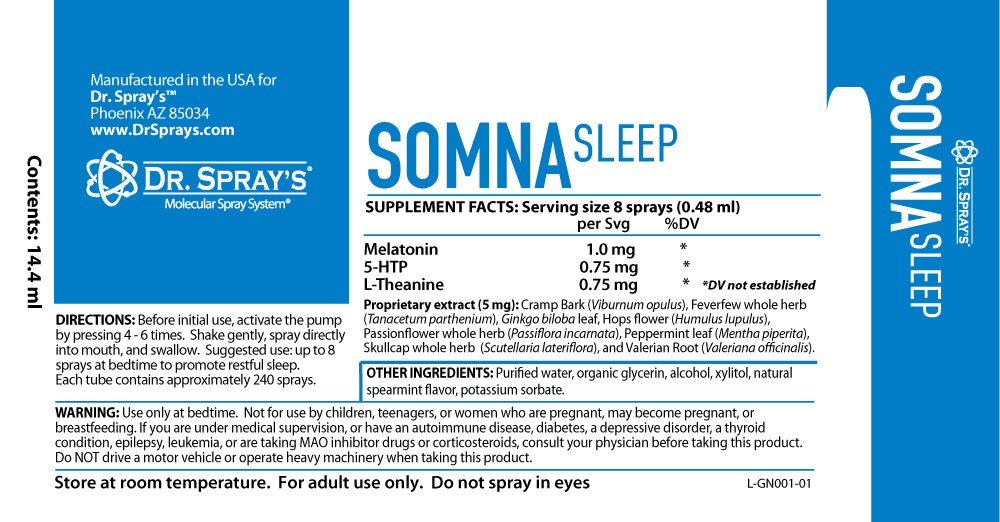
While melatonin supplements are available, most pediatric sleep experts recommend exhausting behavioral and environmental interventions before considering melatonin for young children. Melatonin may help with specific conditions like jet lag or certain developmental disorders, but shouldn't be used routinely for typical sleep challenges. Instead, support your child's natural melatonin production through appropriate light exposure (bright light during day, darkness at night), consistent routines, and adequate nutrition including vitamins D and B12 which influence melatonin regulation. Always consult your pediatrician before giving melatonin to young children.
About the Author
This article was developed by the nutrition and wellness team at DrSprays, drawing on current pediatric sleep research and nutritional science. Our Phoenix, Arizona-based facility manufactures doctor-developed oral vitamin sprays in an FDA-registered, GMP-certified environment, with a focus on supporting family health through innovative, high-absorption nutrient delivery. While we specialize in supplementation science, we always recommend consulting qualified healthcare providers for personalized medical advice regarding your child's health and development.
Support Your Toddler's Sleep with Optimal Nutrition
Helping your one-year-old sleep through the night requires patience, consistency, and attention to multiple factors including routine, environment, and nutritional status. While behavioral strategies form the foundation of healthy sleep habits, ensuring adequate nutrition—particularly vitamins that directly influence sleep-wake cycles—supports your efforts from a physiological standpoint.
If your toddler's diet doesn't consistently provide essential nutrients, or if picky eating limits variety, high-absorption spray supplements offer an effective solution without the challenges of traditional pills or the sugar content of gummy vitamins.
Explore DrSprays' complete line of vitamin and supplement sprays to discover how our doctor-developed, 90% absorption formulations can support your family's wellness goals. From vitamin D3 to support circadian rhythms, to B12 for neurological health, our Phoenix-manufactured products deliver essential nutrients in a convenient format designed for modern families.
Remember that every child is unique, and what works for one family may need adjustment for another. Be patient with the process, maintain consistency with chosen strategies, and don't hesitate to seek professional guidance when needed. With time, support, and appropriate nutritional foundation, your one-year-old can develop the healthy sleep patterns that benefit the entire family.