Getting a three-year-old to sleep can feel like an impossible task for many parents. Between bedtime battles, endless requests for "just one more story," and middle-of-the-night wake-ups, sleep challenges at this age are incredibly common. Understanding the underlying causes and implementing effective strategies can transform your evenings from stressful to peaceful.
This comprehensive guide explores evidence-based approaches to help your three-year-old develop healthy sleep habits, including the role of proper nutrition and innovative solutions like vitamin spray supplements that support natural sleep cycles.
Understanding Sleep Needs for Three-Year-Olds
Before addressing sleep challenges, it's essential to understand what constitutes healthy sleep for a three-year-old. According to pediatric sleep experts, children in this age group typically require 10-13 hours of total sleep within a 24-hour period, including nighttime sleep and potential naps.
At three years old, many children are transitioning away from regular naps, which can temporarily disrupt nighttime sleep patterns. This developmental phase requires patience and adjustment as your child's sleep architecture matures. Their circadian rhythms are still developing, making consistency in sleep routines particularly important.
Common Sleep Challenges at Age Three
Three-year-olds face several age-specific sleep obstacles:
- Developmental leaps: Rapid cognitive and physical development can lead to increased nighttime brain activity
- Growing independence: A desire for autonomy often manifests as bedtime resistance
- Vivid imagination: Increased fear of the dark or imaginary creatures
- Nap transitions: Irregular sleep patterns as daytime sleep needs change
- Nutritional deficiencies: Inadequate intake of sleep-supporting nutrients like vitamin D, magnesium, or B vitamins
The Critical Role of Nutrition in Children's Sleep
Many parents overlook the significant connection between nutritional status and sleep quality in young children. Specific vitamins and minerals play crucial roles in regulating sleep-wake cycles, producing sleep hormones, and maintaining overall neurological health.
Key Nutrients That Support Healthy Sleep
Vitamin D3: Often called the "sunshine vitamin," vitamin D plays a vital role in sleep regulation. Research indicates that vitamin D deficiency is associated with shorter sleep duration and poor sleep quality in children. During winter months or in regions with limited sunlight exposure, supplementation becomes particularly important. A vitamin D3 spray offers an easy way to ensure your child receives adequate levels of this essential nutrient.
Vitamin B12: This crucial B vitamin supports the production of melatonin, the hormone responsible for regulating sleep-wake cycles. Children following restricted diets or those with absorption issues may benefit from supplementation. The convenience of a vitamin B12 spray makes it particularly suitable for young children who resist traditional pills or tablets.
Magnesium: Known as nature's relaxation mineral, magnesium helps calm the nervous system and prepare the body for rest. Many children don't consume adequate amounts through diet alone, making supplementation worth considering.
Why Oral Spray Vitamins Work Better for Children
Traditional vitamin delivery methods pose challenges for three-year-olds. Pills are choking hazards, capsules are difficult to swallow, and many gummy vitamins contain excessive sugar that can actually disrupt sleep. This is where innovative vitamin spray technology offers a superior solution.
Oral spray vitamins provide several advantages for young children:
- Superior absorption: Sublingual delivery bypasses digestive breakdown, achieving up to 90% absorption compared to 10-20% for traditional pills
- Easy administration: A simple spray eliminates the struggle of pill-swallowing
- Pleasant experience: Natural flavors make supplementation enjoyable rather than combative
- Precise dosing: Each spray delivers a consistent, measured amount
- Fast-acting: Nutrients enter the bloodstream within minutes rather than hours
Parents in Phoenix, Arizona, and nationwide have discovered that spray supplements transform the daily vitamin routine from a battle into a positive habit that children actually look forward to.
Establishing an Effective Bedtime Routine
Consistency is the cornerstone of successful sleep training for three-year-olds. A predictable bedtime routine signals to your child's body that sleep is approaching, triggering the natural production of sleep hormones.
Creating Your Ideal Evening Schedule
Begin your bedtime routine at the same time each evening, ideally 30-60 minutes before your target sleep time. Here's a proven sequence that works for many families:
- Transition activity (6:30-6:45 PM): Provide a 10-minute warning before bedtime preparations begin, helping your child mentally shift from active play
- Light dinner and hydration (5:30-6:00 PM): Ensure adequate nutrition earlier in the evening, avoiding heavy meals close to bedtime
- Supplement administration (6:45 PM): If using sleep-supporting supplements, administer them at a consistent time; vitamin spray products integrate seamlessly into this routine
- Bath time (6:45-7:00 PM): Warm water raises body temperature; the subsequent cooling signals sleep readiness
- Quiet activities (7:00-7:20 PM): Reading, gentle music, or quiet conversation in dimmed lighting
- Final preparations (7:20-7:30 PM): Bathroom visit, teeth brushing, pajamas, and tucking in
- Lights out (7:30 PM): Aim for darkness or very dim lighting, maintaining cool room temperature (65-70°F)
The Power of Consistency
Research consistently demonstrates that children with regular bedtime routines fall asleep faster, sleep longer, and wake less frequently during the night. The key is maintaining this schedule even on weekends, as irregular sleep patterns can disrupt your child's developing circadian rhythm.
Environmental Optimization for Better Sleep
The sleep environment significantly impacts your three-year-old's ability to fall asleep and stay asleep throughout the night. Creating an optimal bedroom sanctuary involves attention to several key factors.
Managing Light Exposure
Light is the most powerful regulator of circadian rhythms. For children in Phoenix, Arizona, where sunlight is abundant, managing light exposure becomes particularly important:
- Install blackout curtains or shades to eliminate street lights and early morning sun
- Remove or cover electronic displays that emit blue light
- Use a dim, red-spectrum nightlight if your child requires some illumination
- Maximize morning light exposure to reinforce healthy circadian patterns
Temperature and Air Quality
Cooler temperatures facilitate sleep by triggering the body's natural temperature drop associated with sleep onset. Maintain bedroom temperature between 65-70°F for optimal sleep conditions.
In the Arizona climate, air conditioning helps maintain comfortable sleeping conditions while also filtering air. Consider using a HEPA filter to reduce allergens that might disrupt sleep.
Sound Management
Some children sleep better with white noise that masks household sounds and creates acoustic consistency. Others prefer complete silence. Experiment to determine your child's preference, then maintain that environment consistently.
Addressing Common Bedtime Resistance Strategies
Even with perfect routines and environments, three-year-olds often resist bedtime as they assert their growing independence. Understanding the psychology behind these behaviors helps parents respond effectively.
The "One More" Requests
The classic "one more story," "one more hug," or "one more drink" represents your child's attempt to delay separation and extend parental attention. Address this by:
- Building these requests into your routine preemptively ("We'll read two books, then it's sleep time")
- Offering choices within boundaries ("Would you like the blue blanket or the green one?")
- Remaining calm but firm when enforcing limits
- Providing reassurance without negotiating
Fear and Anxiety
Three-year-olds' developing imaginations can create genuine fears about darkness, monsters, or being alone. Validate these feelings while providing comfort:
- Acknowledge fears without reinforcing them ("I understand you feel worried")
- Conduct a pre-bedtime "monster check" that becomes part of the routine
- Provide a special comfort object like a stuffed animal or blanket
- Leave the door slightly open if complete darkness creates anxiety
- Consider a brief check-in system ("I'll come check on you in five minutes")
The Science Behind Sleep-Supporting Supplements
While behavioral strategies and environmental optimization form the foundation of healthy sleep habits, targeted nutritional support can provide additional benefits for children with specific deficiencies or persistent sleep challenges.
Understanding Absorption and Bioavailability
The effectiveness of any supplement depends primarily on how well the body absorbs and utilizes its nutrients. Traditional oral supplements face significant absorption challenges, particularly in young children whose digestive systems are still developing.
Oral spray vitamins utilize sublingual and buccal absorption—the direct passage of nutrients through the mucous membranes in the mouth into the bloodstream. This delivery method offers several scientific advantages:
- Bypasses first-pass metabolism in the liver that degrades many nutrients
- Avoids stomach acid that can destroy sensitive vitamins
- Delivers nutrients directly to systemic circulation within minutes
- Achieves significantly higher bioavailability (up to 90% versus 10-20% for pills)
For families seeking reliable supplementation, products manufactured in FDA-registered, GMP-certified facilities provide assurance of quality and consistency. DrSprays produces all formulations in our Phoenix, Arizona facility under strict quality control standards, ensuring every spray delivers the precise nutrient content listed on the label.
When to Consider Sleep-Supporting Supplements
Consult with your pediatrician about supplementation if your child exhibits:
- Persistent difficulty falling asleep despite consistent routines
- Frequent night wakings without obvious cause
- Signs of vitamin D deficiency (limited sun exposure, darker skin tone, living in northern climates)
- Dietary restrictions that might limit nutrient intake
- Seasonal sleep disruptions
Daily Habits That Support Nighttime Sleep
Sleep success for three-year-olds extends beyond bedtime routines to encompass the entire day's activities, nutrition, and structure.
Physical Activity and Energy Expenditure
Active play is essential for sleep readiness. Three-year-olds should engage in several hours of physical activity daily, including:
- Outdoor play in natural sunlight (which also supports vitamin D production)
- Structured activities like swimming, dance, or toddler sports
- Unstructured free play that allows for running, jumping, and climbing
However, avoid intense physical activity within two hours of bedtime, as it can be stimulating rather than sleep-promoting.
Nutrition Throughout the Day
Sleep-supporting nutrition isn't just about evening supplements. Focus on whole-food sources of key nutrients:
- Complex carbohydrates: Whole grains, sweet potatoes, and oatmeal support serotonin production
- Lean proteins: Chicken, fish, and legumes provide amino acids necessary for sleep hormone synthesis
- Healthy fats: Avocados, nuts, and fatty fish support overall brain health
- Calcium-rich foods: Dairy or fortified alternatives aid in melatonin production
Even with a balanced diet, many children don't achieve optimal nutrient levels. This is where a comprehensive multivitamin spray can fill nutritional gaps, ensuring your child receives essential vitamins and minerals that support not only sleep but overall health and development.
Screen Time Management
Blue light from screens suppresses melatonin production, making it harder for children to fall asleep. Establish a screen-free period of at least one hour (preferably two) before bedtime. The American Academy of Pediatrics recommends limiting total daily screen time to one hour of high-quality programming for children aged 2-5.
Handling Sleep Regressions and Setbacks
Even children with previously excellent sleep habits may experience temporary regressions. Understanding these common causes helps parents respond appropriately rather than abandoning effective strategies.
Common Triggers for Sleep Disruptions
- Developmental milestones: Learning new skills can cause temporary sleep fragmentation
- Illness: Colds, ear infections, or other ailments disrupt normal patterns
- Life changes: New siblings, moving homes, or starting preschool
- Seasonal transitions: Time changes or variations in daylight hours
- Nutritional deficiencies: Seasonal variations in vitamin D from reduced sun exposure
Responding to Regressions
When sleep problems emerge:
- Maintain consistency with established routines even when they seem ineffective
- Rule out illness or physical discomfort
- Provide extra reassurance during stressful transitions without creating new dependencies
- Consider whether seasonal changes might require adjusted vitamin D supplementation
- Give changes time to work—most regressions resolve within 2-4 weeks
Special Considerations for Different Family Situations
Sleep strategies may require modification based on family structure, work schedules, and living situations.
Working Parents and Bedtime Schedules
Parents arriving home late from work often struggle with compressed evening routines. Prioritize connection time while maintaining sleep schedules:
- Focus on quality over quantity during bedtime routines
- Consider whether morning time together might compensate for limited evenings
- Resist the temptation to delay bedtime for more interaction, as overtired children sleep poorly
- Ensure caregivers maintain consistent daytime routines and nap schedules
Shared Bedrooms
When siblings share rooms, coordinate bedtimes when possible or stagger them strategically. Use white noise to prevent one child from waking another, and establish clear expectations about quiet behavior during the other's bedtime routine.
Single Parent Households
Solo bedtime management requires extra efficiency. Streamline routines without sacrificing consistency, consider simultaneous bathing for multiple children when safe, and don't hesitate to use tools like vitamin spray supplements that simplify health routines while supporting sleep.
When to Seek Professional Help
While most three-year-old sleep challenges resolve with consistent routines and appropriate support, certain situations warrant professional evaluation:
- Persistent sleep problems lasting more than three months despite consistent interventions
- Snoring, gasping, or pauses in breathing during sleep (potential sleep apnea)
- Excessive daytime sleepiness or fatigue
- Extreme bedtime resistance accompanied by significant anxiety or behavioral issues
- Sleep problems that significantly impact family functioning
Your pediatrician can assess whether underlying medical conditions, nutritional deficiencies, or sleep disorders require specialized treatment. They may recommend blood tests to check for vitamin D deficiency or other nutritional issues that could be addressed with targeted supplementation.
Frequently Asked Questions
How long should it take my three-year-old to fall asleep?
Most three-year-olds should fall asleep within 15-30 minutes of being put to bed. If your child consistently takes longer than 30 minutes to fall asleep, bedtime may be too early for their current sleep needs, or they may be getting too much daytime sleep. Conversely, if they fall asleep within minutes, they may be overtired, which can actually lead to poorer quality sleep and more night wakings.
Is it normal for three-year-olds to still need naps?
Sleep needs vary significantly among children this age. Some three-year-olds still require a 60-90 minute afternoon nap, while others have completely transitioned away from daytime sleep. Generally, if your child naps and still falls asleep easily at bedtime and sleeps through the night, the nap is still appropriate. If napping makes bedtime difficult or causes early morning waking, it may be time to transition to quiet rest time instead.
Can vitamin spray really help my child sleep better?
Vitamin sprays won't solve behavioral sleep issues or replace the need for consistent routines. However, if your child has nutritional deficiencies—particularly in vitamin D, B vitamins, or magnesium—addressing these through high-absorption oral spray vitamins can support the body's natural sleep-wake regulation. The key advantage of spray supplements is their superior absorption rate (up to 90% compared to 10-20% for traditional pills), meaning your child actually receives and utilizes the nutrients. Always consult your pediatrician before starting any supplement regimen.
What should I do when my child keeps getting out of bed?
Persistent bed exits require calm, consistent responses. Walk your child back to bed without extended conversation or engagement. Keep the interaction boring and brief. Some families use a "bedtime pass" system where the child gets one or two passes per night to use for legitimate needs (water, bathroom, one more hug), but once used, must stay in bed. Consistency is crucial—if you sometimes engage and sometimes don't, you'll reinforce the behavior.
How do I handle early morning waking?
If your three-year-old consistently wakes before 6:00 AM, several factors might be responsible: too-early bedtime, insufficient light-blocking in the bedroom, hunger, or the natural tendency to wake with sunlight. Address the sleep environment first with blackout curtains and white noise. If problems persist, consider whether bedtime needs adjustment. For children in Phoenix, Arizona, where sunrise occurs very early during summer months, room-darkening solutions become particularly important. Ensure adequate evening nutrition and consider whether supplementation might address deficiencies affecting sleep duration.
Are there any supplements I should avoid giving my three-year-old?
Never give children melatonin supplements without direct guidance from your pediatrician, as they can disrupt the body's natural hormone production. Similarly, avoid adult formulations or herbal supplements not specifically designed for children. When selecting spray supplements, choose products manufactured in FDA-registered, GMP-certified facilities that follow strict quality control protocols. Always verify that the dosage is appropriate for your child's age and weight, and discuss any supplementation plan with your healthcare provider.
How does vitamin D deficiency affect sleep in children?
Vitamin D plays a crucial role in sleep regulation through its influence on sleep-promoting areas of the brain. Deficiency has been linked to shorter sleep duration, poorer sleep quality, and delayed sleep onset in children. Children with darker skin, limited outdoor time, or those living in northern latitudes face higher risk of deficiency. A simple blood test can determine your child's vitamin D status. If deficiency is identified, a high-absorption D3 spray provides an effective solution that bypasses digestive absorption issues common with traditional supplements.
What's the difference between vitamin spray and traditional children's vitamins?
The primary difference lies in absorption and delivery method. Traditional children's vitamins—whether gummy, chewable, or liquid—must pass through the digestive system, where stomach acid and digestive enzymes can degrade nutrients before absorption. Bioavailability for oral tablets typically ranges from 10-20%, meaning most of the vitamin content is wasted. Oral spray vitamins utilize sublingual and buccal absorption, delivering nutrients directly through the mouth's mucous membranes into the bloodstream. This method achieves absorption rates up to 90%, ensuring your child receives the full benefit of each dose. Additionally, spray supplements eliminate choking hazards and the struggle of pill-swallowing common with three-year-olds.
Supporting Your Child's Journey to Better Sleep
Helping your three-year-old develop healthy sleep habits is one of the most valuable gifts you can provide. Quality sleep affects every aspect of development—from emotional regulation and learning capacity to immune function and physical growth.
The strategies outlined in this guide work synergistically: consistent routines establish the behavioral foundation, optimized environments create ideal conditions, and proper nutrition—including targeted supplementation when appropriate—supports the physiological processes underlying healthy sleep.
Remember that every child is unique. What works perfectly for one family may require modification for another. The key is consistency, patience, and a willingness to adjust strategies based on your child's responses. Most importantly, don't hesitate to seek professional guidance when sleep problems persist or significantly impact your family's quality of life.
As you implement these evidence-based approaches, track your child's progress over weeks rather than days. Sustainable change takes time, but the investment in establishing healthy sleep patterns now will benefit your child for years to come.
Take the Next Step Toward Better Sleep
If you suspect nutritional deficiencies might be contributing to your child's sleep challenges, consider how innovative vitamin spray delivery can support their health. Our doctor-developed formulations are manufactured in our FDA-registered, GMP-certified facility in Phoenix, Arizona, ensuring the highest quality standards.
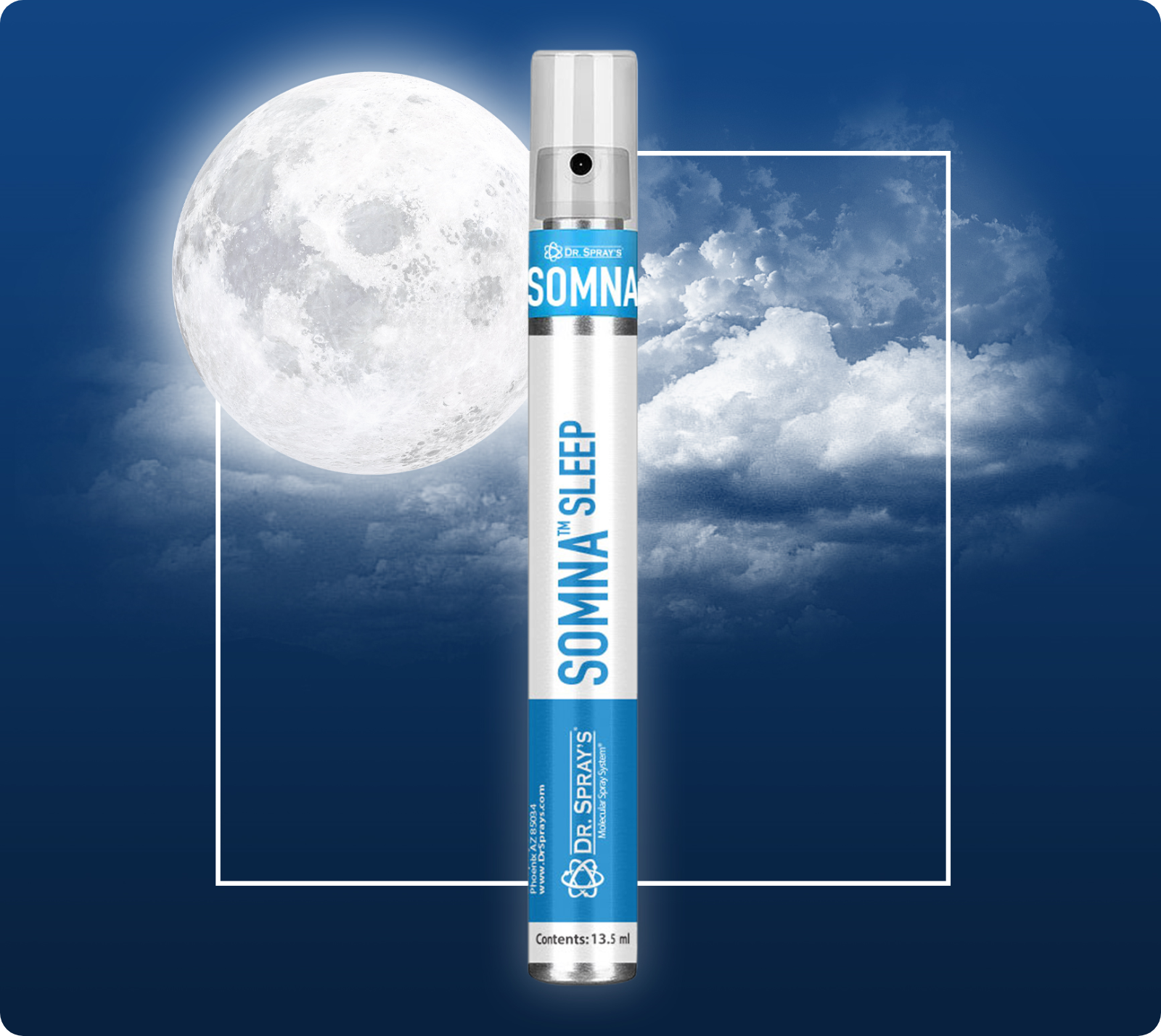
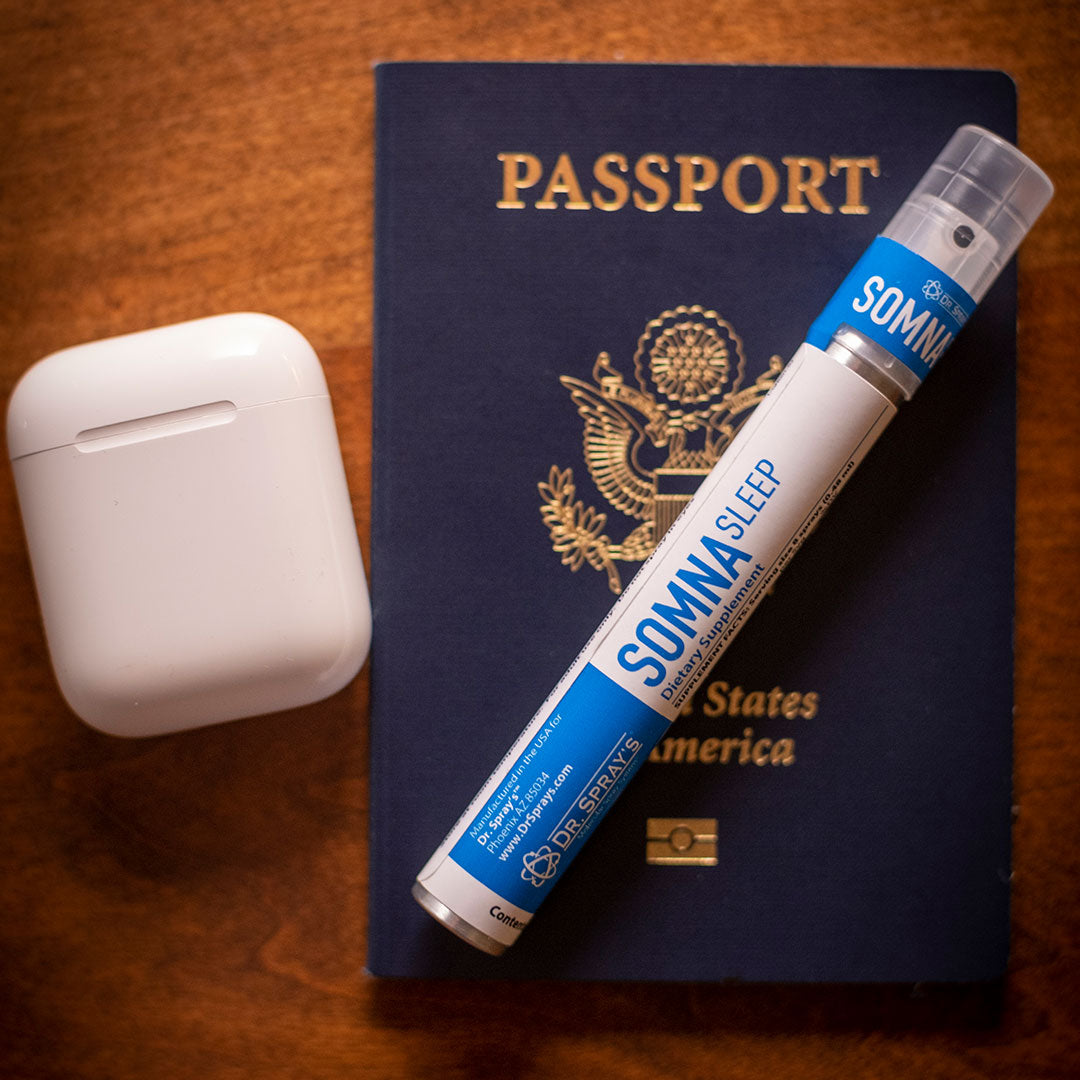
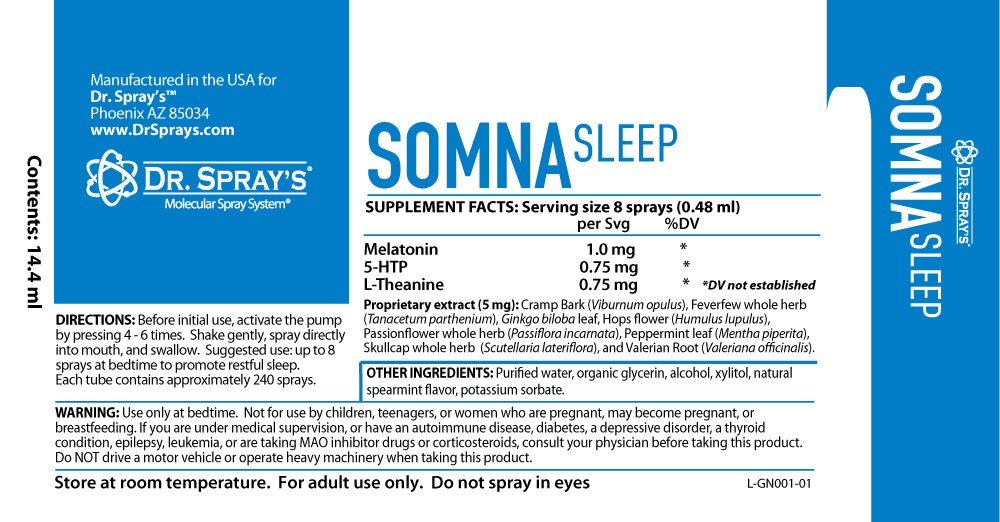
Our Sleep Support Spray combines targeted nutrients designed to promote relaxation and support natural sleep cycles, while our Vitamin D3 Spray addresses one of the most common deficiencies affecting children's sleep quality. For comprehensive nutritional support, our Complete Multivitamin Spray ensures your child receives essential vitamins and minerals in the most absorbable form available.
With up to 90% absorption compared to traditional supplements, our oral spray vitamins deliver real nutritional support that your child's body can actually use. Each spray provides precise, consistent dosing in a format that even selective three-year-olds accept easily.
Explore our complete line of vitamin spray supplements and discover how superior absorption and convenient delivery can support your child's health and sleep. Every DrSprays product comes with our commitment to quality, purity, and effectiveness—because your child deserves nothing less.