As a parent in Phoenix, Arizona, you know the challenges of getting a 10-year-old to wind down for bed. Between school activities, homework, screen time, and the natural energy of childhood, establishing healthy sleep patterns can feel like an uphill battle. Understanding the science behind childhood sleep and implementing proven strategies can transform your evenings from stressful to peaceful.
Quality sleep is essential for your child's physical growth, cognitive development, and emotional wellbeing. At this crucial age, children need 9-12 hours of sleep per night to support their developing brains and bodies. When sleep becomes difficult, the effects ripple through every aspect of their lives—from classroom performance to mood regulation and immune function.
Understanding Sleep Challenges in 10-Year-Olds
The preteen years bring unique sleep challenges. Children at this age experience significant physical, emotional, and social changes that directly impact their sleep patterns. Their bodies are growing rapidly, hormones are beginning to shift, and academic and social pressures increase substantially.
Many 10-year-olds struggle with what sleep specialists call "sleep onset latency"—the time it takes to fall asleep after getting into bed. While occasional restlessness is normal, consistent difficulty falling asleep can indicate underlying issues that need addressing.
Common Sleep Disruptors
Several factors commonly interfere with children's ability to fall asleep quickly:
- Screen exposure: Blue light from tablets, phones, and computers suppresses melatonin production, the hormone responsible for signaling sleep time to the body
- Irregular schedules: Weekend sleep patterns that differ dramatically from weekday routines confuse the body's internal clock
- Physical inactivity: Insufficient physical activity during the day leaves energy unburned, making it harder to feel tired at bedtime
- Nutritional deficiencies: Lack of key vitamins and minerals can disrupt natural sleep-wake cycles
- Stress and anxiety: Academic pressure and social concerns can keep young minds racing at bedtime
- Environmental factors: Bedroom temperature, noise levels, and light exposure all affect sleep quality
Creating the Ideal Sleep Environment
Your child's bedroom should be a sanctuary designed specifically for rest. Small environmental adjustments can make a significant difference in how quickly they fall asleep.
Optimizing Room Conditions
Temperature plays a crucial role in sleep onset. The ideal bedroom temperature for children is between 65-70°F. In Phoenix's warm climate, ensuring adequate air conditioning during summer months is essential. A room that's too warm can prevent the natural body temperature drop that signals sleep time.
Darkness is equally important. Even small amounts of light can interfere with melatonin production. Install blackout curtains or blinds to block outside light sources. Remove or cover any electronic devices with LED lights, including alarm clocks, chargers, and gaming consoles.
Consider implementing white noise or soft, consistent background sounds to mask disruptive noises from other parts of the house or outside. A fan, dedicated white noise machine, or app can provide this consistent auditory backdrop that helps many children fall asleep faster.
Decluttering for Rest
A cluttered, chaotic bedroom environment can subconsciously increase stress and make relaxation difficult. Help your child keep their sleeping space organized and free from excessive toys, electronics, or homework materials. The bedroom should be associated primarily with sleep and rest, not play or work.
Establishing a Consistent Bedtime Routine
Predictability and consistency are cornerstones of healthy sleep habits. A regular bedtime routine signals to your child's brain and body that sleep is approaching, triggering the natural wind-down process.
The 60-Minute Wind-Down
Begin the bedtime routine approximately one hour before you want your child to fall asleep. This provides adequate time for the body to transition from active daytime mode to restful nighttime state.
A structured routine might include:
- Screen shutdown (60 minutes before bed): Turn off all electronic devices to allow melatonin production to begin naturally
- Light snack (45 minutes before bed): A small, sleep-promoting snack can prevent hunger from interfering with sleep
- Warm bath or shower (30-40 minutes before bed): The post-bath temperature drop mimics the natural body temperature decrease that occurs before sleep
- Hygiene tasks (30 minutes before bed): Brushing teeth, using the bathroom, and putting on pajamas
- Quiet activities (20 minutes before bed): Reading, gentle stretching, or listening to calming music
- Lights out (consistent time): Same time every night, even on weekends
The Power of Consistency
Maintaining the same bedtime and wake time seven days a week is one of the most effective strategies for improving sleep quality. This consistency reinforces your child's circadian rhythm—the internal 24-hour clock that regulates sleep-wake cycles.
While weekends and school breaks may tempt you to relax these rules, staying within 30 minutes of the regular schedule prevents the "social jet lag" that can disrupt sleep patterns and make Monday mornings particularly difficult.
Physical Activity and Sleep Connection
Regular physical activity is one of the most powerful natural sleep aids available. Children who engage in moderate to vigorous physical activity fall asleep faster, sleep more deeply, and wake feeling more refreshed.
Aim for at least 60 minutes of physical activity daily. In Phoenix's climate, this might mean morning or evening outdoor activities during summer months, with indoor options during the hottest parts of the day. Swimming, cycling, team sports, dance, martial arts, or even active play at the park all contribute to better sleep.
However, timing matters. Vigorous exercise too close to bedtime can be stimulating rather than sleep-promoting. Try to complete intense physical activities at least three hours before bedtime, allowing time for the body to transition into rest mode.
Nutrition's Role in Sleep Quality
What your child eats throughout the day—and particularly in the evening—significantly impacts their ability to fall asleep quickly. Certain nutrients directly support the production of sleep-regulating hormones and neurotransmitters.
Sleep-Supporting Nutrients
Vitamin D3 plays a crucial role in sleep regulation. Research shows that vitamin D deficiency is associated with poor sleep quality, difficulty falling asleep, and shorter sleep duration. While Phoenix offers abundant sunshine, many children still don't get adequate vitamin D due to indoor activities and sunscreen use. A vitamin D3 spray can help ensure optimal levels without requiring your child to swallow large pills.
Vitamin B12 influences the body's circadian rhythm and melatonin production. Deficiency in this essential vitamin can lead to sleep disturbances and daytime fatigue. For children who are picky eaters or follow vegetarian diets, supplementation through an easy-to-use vitamin B12 spray can support healthy sleep patterns.
Magnesium acts as a natural relaxant, helping to quiet the nervous system and prepare the body for sleep. Good dietary sources include leafy greens, nuts, seeds, and whole grains. Many children don't consume adequate amounts of these foods, making deficiency common.
Calcium helps the brain use tryptophan to manufacture melatonin. Dairy products before bed have long been recommended for this reason, though many alternatives like fortified plant-based milks also provide calcium.
Foods to Avoid Before Bedtime
Just as some nutrients promote sleep, others can interfere with it:
- Caffeine: Even small amounts from chocolate, soda, or tea can remain in the system for hours
- Sugar: Late-day sugar causes blood glucose spikes that can prevent or interrupt sleep
- Heavy, spicy, or acidic foods: These can cause digestive discomfort that interferes with sleep onset
- Large meals: Eating too much close to bedtime forces the body to focus on digestion rather than sleep
The Benefits of Spray Supplements for Children
Traditional vitamin pills and capsules present challenges for many children. They can be difficult to swallow, have unpleasant tastes, or simply become another point of resistance in an already busy routine. Oral spray vitamins offer an alternative delivery method that addresses these common obstacles.
Developed by doctors and produced in an FDA-registered, GMP-certified facility in Phoenix, Arizona, vitamin sprays provide several advantages for children and parents:
Superior Absorption
Spray supplements utilize sublingual (under the tongue) and buccal (cheek) absorption, allowing nutrients to enter the bloodstream directly through the mucous membranes in the mouth. This bypasses the digestive system, where many nutrients are broken down or poorly absorbed. Research indicates that spray delivery can achieve absorption rates up to 90%, compared to significantly lower rates for traditional pills.
Ease of Use
Getting a 10-year-old to take vitamins consistently becomes much easier when the process takes just seconds and doesn't require swallowing pills. A quick spray before bed can become a simple, non-negotiable part of the bedtime routine.
Precise Dosing
Spray supplements provide controlled, measured doses with each spray, eliminating guesswork and ensuring your child receives the intended amount of each nutrient.
Sleep-Specific Supplement Solutions
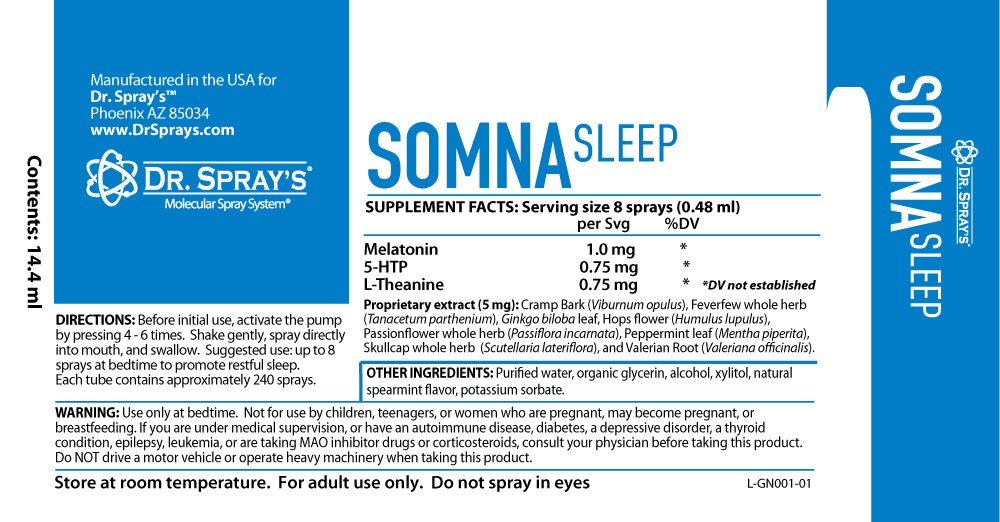
For children who consistently struggle with falling asleep despite environmental and behavioral interventions, targeted nutritional support can help. A specialized sleep support spray formulated with natural ingredients like melatonin, magnesium, and calming botanicals can assist the body's natural sleep processes.
When considering any supplement for your child, always consult with their pediatrician first. They can assess whether supplementation is appropriate, recommend proper dosing, and ensure there are no interactions with any medications or underlying health conditions.
Relaxation Techniques for Bedtime
Teaching your 10-year-old simple relaxation techniques empowers them to actively participate in the sleep process rather than feeling helpless when they can't fall asleep.
Deep Breathing Exercises
The "4-7-8" breathing technique is simple enough for children to master and effective for promoting relaxation:
- Breathe in through the nose for 4 counts
- Hold the breath for 7 counts
- Exhale slowly through the mouth for 8 counts
- Repeat 3-4 times
This pattern activates the parasympathetic nervous system, triggering the body's natural relaxation response.
Progressive Muscle Relaxation
This technique involves systematically tensing and releasing different muscle groups, helping children become aware of physical tension and consciously release it. Starting at the toes and working up to the head, tense each muscle group for 5 seconds, then release and notice the difference.
Visualization and Guided Imagery
Encourage your child to imagine a peaceful, comfortable place in vivid detail—perhaps a favorite vacation spot or an imaginary calming environment. Focusing on sensory details (what they see, hear, smell, and feel) occupies the mind and reduces anxious thoughts that can prevent sleep.
Managing Screen Time Effectively
In our digital age, screen time management is perhaps the single most important behavioral intervention for improving children's sleep. The blue light emitted by electronic devices suppresses melatonin production, effectively telling the brain it's still daytime.
Establish a firm "screens off" rule at least one hour before bedtime. This includes phones, tablets, computers, televisions, and gaming devices. Remove devices from the bedroom entirely—the temptation to check messages or play games can sabotage even the best sleep intentions.
If evening screen use is unavoidable, enable blue light filters on devices or use blue light blocking glasses. However, these are compromise solutions; eliminating screens entirely before bed remains the gold standard.
When to Seek Professional Help
While occasional sleep difficulties are normal, persistent problems may indicate a sleep disorder or other underlying condition requiring professional evaluation. Consult your pediatrician if your child experiences:
- Difficulty falling asleep more than three nights per week for several weeks
- Excessive daytime sleepiness or fatigue despite adequate sleep opportunity
- Loud snoring, breathing pauses, or gasping during sleep
- Frequent nightmares or night terrors
- Sleepwalking or other unusual sleep behaviors
- Significant mood changes, difficulty concentrating, or declining academic performance
Sleep disorders like sleep apnea, restless leg syndrome, or insomnia can affect children and require specific medical interventions beyond lifestyle modifications.
Building Long-Term Healthy Sleep Habits
The sleep habits your child develops now will influence their relationship with sleep throughout adolescence and adulthood. By prioritizing sleep health and teaching your child that quality rest is essential—not optional—you're investing in their long-term physical health, mental wellbeing, and academic success.
Remember that changes don't happen overnight. Be patient and consistent as you implement new routines and strategies. Most children show improvement within 1-2 weeks of consistent application of sleep-promoting behaviors.
Celebrate small victories and adjust strategies as needed. What works perfectly for one child may need modification for another. Stay flexible while maintaining consistency with core principles like regular sleep schedules and screen-free wind-down time.
Frequently Asked Questions
How much sleep does a 10-year-old actually need?
Most 10-year-olds need between 9-12 hours of sleep per night for optimal health and development. Individual needs vary, but if your child wakes naturally feeling refreshed and maintains good energy throughout the day without excessive crankiness, they're likely getting adequate sleep. Conversely, if they're difficult to wake, seem constantly tired, or struggle with mood regulation, they may need more sleep than they're currently getting.
Are vitamin sprays safe for children?
Yes, oral spray vitamins manufactured in FDA-registered, GMP-certified facilities with appropriate dosing for children are generally safe. However, always consult your child's pediatrician before starting any supplement regimen. They can assess your child's specific nutritional needs, recommend appropriate dosages, and ensure there are no contraindications with existing medications or health conditions. Quality spray supplements offer a convenient, effective alternative to traditional pills.
What if my child says they're not tired at bedtime?
Feeling "not tired" at bedtime often results from poor sleep habits rather than actual lack of sleep need. Maintain consistent bedtime regardless of whether your child feels tired. Their circadian rhythm will adjust over time. Ensure they're getting adequate physical activity during the day, limiting screen time before bed, and avoiding stimulating activities in the evening. After 1-2 weeks of consistency, most children naturally feel sleepier at the appropriate time.
Should bedtime be the same every night, including weekends?
Yes, consistency is crucial for maintaining healthy circadian rhythms. While some flexibility on special occasions is reasonable, regular weekend sleep schedule variations create "social jet lag" that disrupts sleep patterns and can cause difficulties falling asleep Sunday night and waking Monday morning. Try to stay within 30 minutes of your child's regular bedtime even on weekends.
Can certain vitamins really help my child sleep better?
Yes, specific vitamins and minerals play important roles in sleep regulation. Vitamin D3 influences circadian rhythm and sleep quality, while vitamin B12 helps regulate the sleep-wake cycle. Magnesium acts as a natural relaxant, and calcium assists in melatonin production. Deficiencies in these nutrients can contribute to sleep difficulties. A vitamin spray formulated for sleep support can provide these nutrients in an easy-to-absorb format, though dietary sources should always be the first approach.
How long should a bedtime routine take?
An effective bedtime routine typically takes 30-60 minutes from start to finish. This provides adequate time for the body to transition from active, alert mode to a restful state. Rushing through the routine or extending it excessively can both interfere with its effectiveness. Find a middle ground that feels calm and unhurried but doesn't become a prolonged negotiation.
Is it okay to let my child read in bed before sleep?
Yes, reading is an excellent pre-sleep activity, with one important caveat: use warm, dim lighting rather than bright overhead lights, and choose physical books rather than backlit e-readers or tablets. Reading helps quiet the mind, provides a natural stopping point when eyes grow tired, and creates a positive association between bed and relaxation. Aim for 15-20 minutes of reading as part of the wind-down routine.
What should I do if my child wakes in the middle of the night and can't fall back asleep?
First, ensure their sleep environment remains optimal—dark, cool, and quiet. Avoid turning on bright lights or engaging in stimulating conversation. Encourage them to practice the same relaxation techniques used at bedtime, such as deep breathing or visualization. If they remain awake for more than 20 minutes, a brief, calm activity in dim lighting (like reading) can help reset the sleep process. Avoid screens entirely, as they'll fully awaken the brain.
About the Author
This article was written by the research and content team at DrSprays, a Phoenix, Arizona-based developer of doctor-formulated oral vitamin sprays. Our products are manufactured in an FDA-registered, GMP-certified facility and designed to provide superior absorption and convenience for families seeking to support their nutritional health. All content is reviewed for accuracy and based on current scientific research regarding sleep health and nutrition.
Supporting Your Child's Sleep Journey
Helping your 10-year-old fall asleep quickly requires a multifaceted approach combining environmental optimization, consistent routines, adequate physical activity, proper nutrition, and age-appropriate relaxation techniques. While the process requires commitment and patience, the results—a well-rested, healthier, happier child—make the effort worthwhile.
Remember that you're not alone in this challenge. Sleep difficulties affect many families, and small, consistent changes can produce significant improvements. By prioritizing your child's sleep health now, you're establishing patterns that will benefit them throughout their life.
If you're looking for convenient ways to support your child's nutritional needs and sleep health, explore our range of doctor-developed vitamin sprays designed for superior absorption and ease of use. From Vitamin D3 to specialized sleep support formulas, our Phoenix-manufactured sprays offer a simple solution to common supplementation challenges.
Ready to Transform Your Child's Sleep?
Discover how doctor-formulated vitamin sprays can support healthy sleep patterns. Our Phoenix-based team has developed oral spray supplements with up to 90% absorption rates, making it easier than ever to ensure your child gets the nutrients they need for quality rest.
Explore Our Complete Range of Vitamin Sprays →
Questions about which products are right for your family? Contact our team for personalized guidance.