Sleep challenges affect many 12-year-olds, impacting their academic performance, mood, and physical development. Understanding why preteens struggle with sleep and implementing evidence-based strategies can help establish healthy sleep patterns that last a lifetime.
This comprehensive guide explores the unique sleep needs of 12-year-olds and provides practical, actionable solutions to help them fall asleep faster and achieve restorative rest.
Understanding Sleep Needs at Age 12
Twelve-year-olds require 9-12 hours of sleep per night, according to the American Academy of Sleep Medicine. At this developmental stage, the body undergoes significant changes that directly impact sleep patterns.
During early adolescence, circadian rhythms naturally shift later—a biological change called "sleep phase delay." This means your 12-year-old's body naturally wants to stay up later and sleep in longer, creating conflict with school schedules and family routines.
Why Sleep Matters for Preteens
Quality sleep supports critical functions during this growth period:
- Physical growth: Growth hormone releases primarily during deep sleep stages
- Brain development: Neural connections strengthen and reorganize during rest
- Emotional regulation: Sleep deprivation amplifies mood swings and irritability
- Academic performance: Memory consolidation occurs during sleep cycles
- Immune function: The body repairs and strengthens defenses overnight
Common Sleep Obstacles for 12-Year-Olds
Before implementing solutions, identify potential barriers preventing your preteen from falling asleep quickly.
Technology and Blue Light Exposure
Electronic devices suppress melatonin production—the hormone that signals sleepiness. Many 12-year-olds use smartphones, tablets, or gaming systems right up until bedtime, disrupting their natural sleep-wake cycle.
Blue light from screens tricks the brain into thinking it's still daytime, delaying sleep onset by up to two hours in some cases.
Academic Stress and Anxiety
Middle school introduces increased academic demands, social pressures, and extracurricular commitments. Racing thoughts about homework, tests, or social situations can keep the mind active when the body needs rest.
Irregular Sleep Schedules
Inconsistent bedtimes—especially drastic differences between weeknights and weekends—confuse the body's internal clock. This pattern makes falling asleep difficult and creates persistent daytime fatigue.
Nutritional Deficiencies
Certain vitamin and mineral deficiencies directly impact sleep quality. Low levels of vitamin D3, B vitamins, and magnesium can interfere with neurotransmitter production and circadian rhythm regulation.
Proven Strategies to Help 12-Year-Olds Fall Asleep Faster
These evidence-based techniques address the root causes of sleep difficulties while building sustainable healthy habits.
1. Establish a Consistent Sleep Schedule
Set the same bedtime and wake time every day—including weekends. This consistency reinforces the circadian rhythm, making it easier to fall asleep naturally.
For most 12-year-olds with school start times around 7:30-8:00 AM, an appropriate bedtime falls between 8:30-9:30 PM. Calculate backward from their required wake time to ensure adequate sleep duration.
2. Create a Technology Curfew
Remove all screens at least one hour before bedtime. This includes smartphones, tablets, computers, televisions, and gaming devices.
Practical implementation tips:
- Create a charging station outside the bedroom
- Use traditional alarm clocks instead of phone alarms
- Enable "Do Not Disturb" modes during sleep hours
- Model this behavior yourself as a parent
3. Design an Optimal Sleep Environment
The bedroom should signal rest and relaxation. Make these environmental adjustments:
- Temperature: Keep the room between 65-68°F (18-20°C)
- Lighting: Use blackout curtains or eye masks to eliminate light
- Noise: Minimize disruptions with white noise machines if needed
- Comfort: Invest in appropriate mattress firmness and supportive pillows
- Organization: Reduce clutter that may cause stress or distraction
4. Implement a Calming Bedtime Routine
A predictable 30-45 minute wind-down routine signals the brain that sleep approaches. Effective activities include:
- Warm bath or shower (body temperature drop afterward promotes sleepiness)
- Reading physical books (not backlit e-readers)
- Gentle stretching or yoga poses
- Journaling thoughts or gratitude lists
- Listening to calm music or guided relaxation recordings
5. Address Nutritional Support for Better Sleep
Proper nutrition plays a fundamental role in sleep quality. Many preteens have dietary gaps that impact their ability to fall asleep and maintain restorative rest.
Key nutrients that support healthy sleep patterns include:
- Vitamin D3: Regulates sleep-wake cycles and supports melatonin production
- B Vitamins: Essential for neurotransmitter synthesis and stress response
- Magnesium: Promotes muscle relaxation and calm nervous system function
- Zinc: Supports immune function and sleep architecture
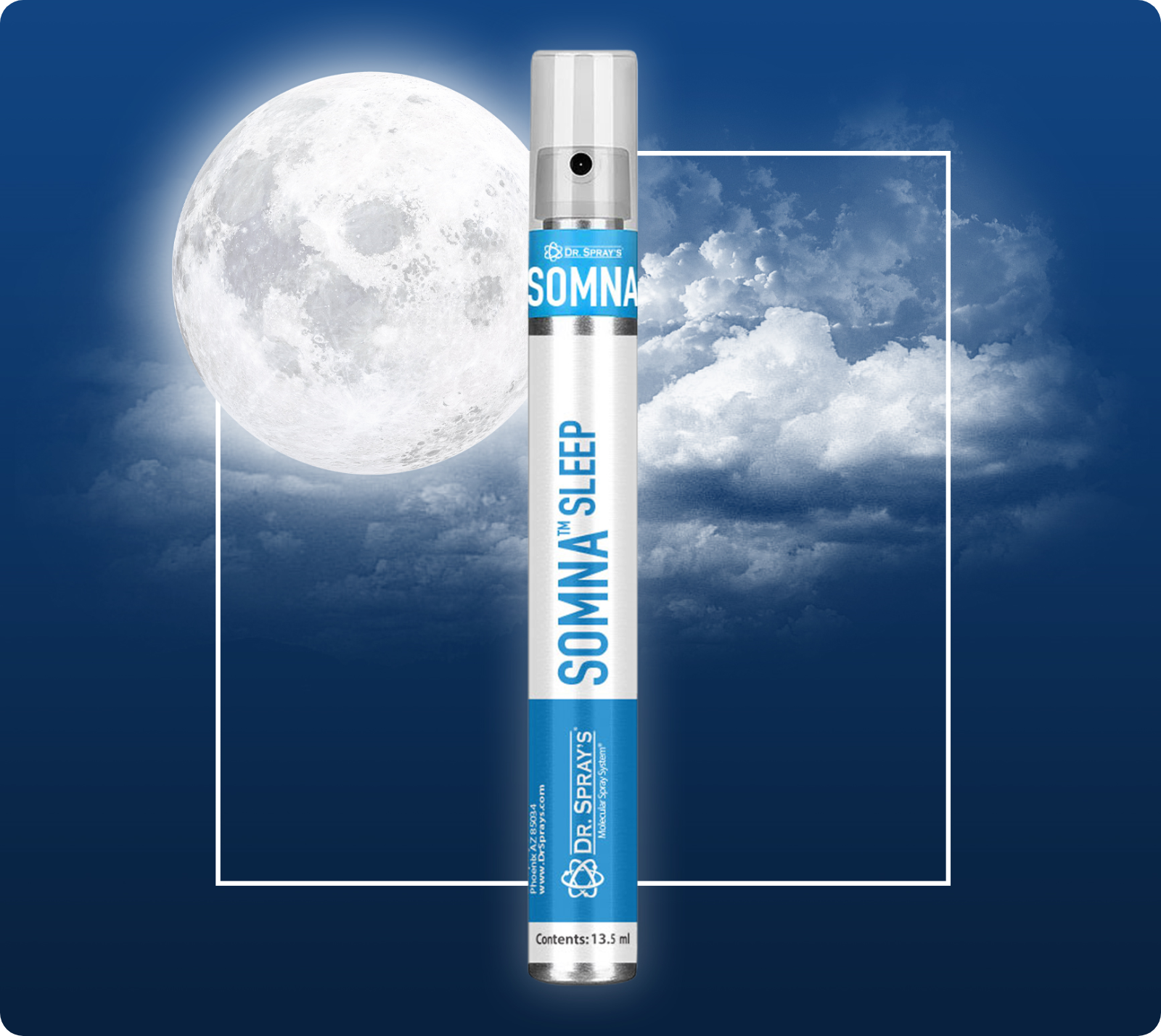
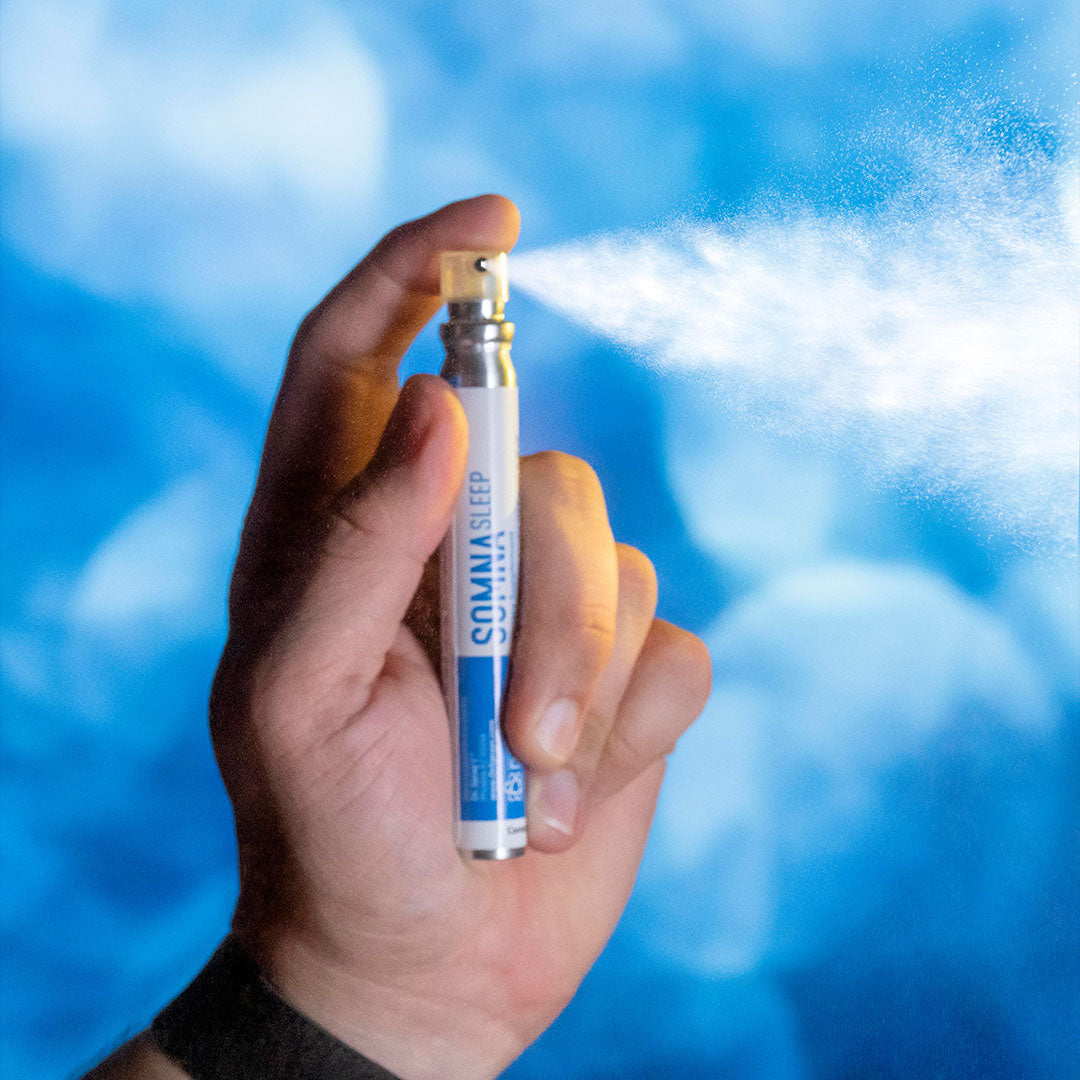
Traditional vitamin pills can be difficult for preteens to swallow consistently. Oral spray vitamins offer an effective alternative with superior absorption rates. Developed by doctors and manufactured in a FDA-registered, GMP-certified facility in Phoenix, Arizona, vitamin sprays deliver nutrients directly through the oral mucosa with up to 90% absorption—significantly higher than traditional pills.
For sleep support specifically, consider targeted supplementation that addresses common deficiencies. A quality vitamin B12 spray supports energy regulation and nervous system function, while a vitamin D3 spray helps regulate circadian rhythms—especially important during months with limited sun exposure.
6. Manage Caffeine Intake
Many preteens consume caffeine through sodas, energy drinks, chocolate, or coffee-flavored treats without realizing the impact on sleep. Caffeine has a half-life of 5-6 hours, meaning consumption after 2:00 PM can still affect bedtime.
Establish clear guidelines about caffeine avoidance, especially in the afternoon and evening hours.
7. Encourage Daytime Physical Activity
Regular exercise promotes better sleep quality and faster sleep onset. Aim for at least 60 minutes of moderate physical activity daily, preferably completed at least 3-4 hours before bedtime.
Physical activity benefits sleep by:
- Increasing sleep pressure throughout the day
- Reducing anxiety and stress hormones
- Regulating body temperature cycles
- Supporting overall health and development
8. Practice Relaxation Techniques
Teach your 12-year-old specific methods to calm an active mind:
4-7-8 Breathing: Inhale for 4 counts, hold for 7 counts, exhale for 8 counts. Repeat 4 times.
Progressive Muscle Relaxation: Systematically tense and release muscle groups from toes to head.
Visualization: Guide them through imagining a peaceful, comfortable scene in vivid detail.
Body Scan Meditation: Focus attention on each body part sequentially, noting sensations without judgment.
9. Address Worries Before Bed
Create a "worry time" earlier in the evening—at least two hours before bed. Encourage your preteen to write down concerns and either problem-solve or agree to address them the next day.
This practice prevents anxious thoughts from intruding during the transition to sleep.
10. Optimize Light Exposure Throughout the Day
Support the circadian rhythm by maximizing bright light exposure during morning and daytime hours, then dimming lights in the evening.
Morning sunlight exposure within 30 minutes of waking helps anchor the sleep-wake cycle and improves nighttime sleep quality.
What Not to Do: Common Sleep Mistakes
Avoid these counterproductive approaches that can worsen sleep difficulties:
- Forcing bedtime too early: This creates frustration and negative sleep associations
- Using sleep as punishment: Sleep should be viewed positively, not as a consequence
- Allowing excessive weekend sleep-ins: More than one hour difference disrupts the weekly rhythm
- Providing large meals before bed: Heavy food intake diverts blood flow to digestion
- Using screens as sleep aids: Audio content without visual stimulation is preferable
- Ignoring persistent sleep problems: Chronic difficulties may indicate underlying sleep disorders
When to Seek Professional Help
Consult a healthcare provider if your 12-year-old experiences:
- Consistent difficulty falling asleep after 30+ minutes for more than three weeks
- Loud snoring or pauses in breathing during sleep
- Excessive daytime sleepiness despite adequate sleep opportunity
- Restless leg sensations that interfere with sleep onset
- Significant mood changes, including depression or severe anxiety
- Academic performance decline related to fatigue
These symptoms may indicate sleep disorders like insomnia, sleep apnea, restless leg syndrome, or other conditions requiring professional evaluation and treatment.
The Role of Supplements in Sleep Support
While lifestyle modifications form the foundation of healthy sleep habits, targeted nutritional support can address deficiencies that interfere with rest.
When considering supplementation for your 12-year-old, prioritize products specifically formulated for safety and efficacy. Spray supplements offer several advantages for preteens:
- Easy administration without swallowing difficulties
- Rapid absorption through oral mucosa
- Precise dosing control
- Pleasant taste that encourages consistent use
- No artificial fillers or unnecessary additives
For comprehensive sleep and wellness support, products manufactured in Phoenix, Arizona under strict FDA-registered and GMP-certified standards ensure quality and purity you can trust.
Beyond sleep-specific support, maintaining optimal nutrient levels throughout the day supports overall health. A quality multi-vitamin spray can fill common dietary gaps, while targeted formulations address specific needs as they arise.
Creating Long-Term Sleep Success
Helping your 12-year-old develop healthy sleep habits requires patience, consistency, and realistic expectations. Changes won't happen overnight, but implementing these strategies systematically will yield meaningful improvements.
Weekly Implementation Plan
Week 1: Establish consistent bedtime and wake time; remove devices from bedroom
Week 2: Optimize sleep environment (temperature, lighting, comfort)
Week 3: Implement 30-minute bedtime routine; add relaxation techniques
Week 4: Address nutritional support; evaluate and adjust strategies
Track progress using a simple sleep journal noting bedtime, estimated sleep onset time, wake time, and overall sleep quality rating. This data helps identify patterns and measure improvement.
Adjusting for Individual Needs
Every child is unique. Some 12-year-olds naturally require more or less sleep within the recommended range. Pay attention to daytime functioning—if your preteen feels rested, functions well academically and socially, and maintains good mood and energy, their current sleep amount is likely adequate.
Conversely, if they consistently struggle with morning wakefulness, experience afternoon crashes, or show irritability and difficulty concentrating, they likely need more sleep—even if they're within the general recommendation range.
Frequently Asked Questions
How long does it take to see improvements in sleep patterns?
Most families notice initial improvements within 1-2 weeks of consistently implementing sleep hygiene strategies. However, fully resetting the circadian rhythm and establishing automatic healthy sleep patterns typically requires 4-6 weeks of consistent practice. Be patient and maintain routines even when progress feels slow.
Is it normal for 12-year-olds to want to stay up later than they did when younger?
Yes, this is completely normal. Biological changes during puberty naturally shift the circadian rhythm later—a phenomenon called "sleep phase delay." This doesn't mean bedtime rules should be eliminated, but it does explain why your preteen may resist earlier bedtimes more than they did at age 8 or 9. Work with this natural shift by establishing age-appropriate bedtimes rather than fighting against developmental biology.
Can vitamin sprays really help with sleep problems?
While vitamin spray products don't directly cause sleepiness like sleep medications, they can address nutritional deficiencies that interfere with natural sleep processes. Deficiencies in vitamin D3, B vitamins, and certain minerals can disrupt circadian rhythm regulation and neurotransmitter production. Correcting these deficiencies through high-absorption oral spray vitamins may improve sleep quality as part of a comprehensive approach. Always consult with a healthcare provider before starting any supplementation.
Should 12-year-olds take melatonin supplements?
Melatonin supplementation for children should only be used under medical supervision. While melatonin can help with certain sleep disorders, it's not appropriate for everyday sleep difficulties in most cases. Focus first on behavioral strategies, sleep hygiene, and addressing nutritional deficiencies. If sleep problems persist despite these interventions, consult a pediatrician who can evaluate whether melatonin or other interventions are appropriate for your specific situation.
What if my 12-year-old says they're not tired at bedtime?
This is common and often reflects either insufficient sleep pressure (not enough physical or mental activity during the day), circadian rhythm misalignment, or conditioned arousal associated with bedtime. Address this by ensuring adequate daytime physical activity, consistent wake times (even on weekends), morning light exposure, and evening light dimming. Even if they don't feel sleepy initially, maintaining consistent bedtime routines helps reset the body clock over time.
How can I help my child avoid using their phone at night without constant battles?
Make device curfews a family rule rather than individual punishment. Create a central charging station where everyone (including parents) docks devices at a set time each evening. Explain the science behind blue light and sleep disruption. Provide alternative entertainment options like books, journals, or audio content. Most importantly, model the behavior yourself—preteens are more likely to comply when they see parents following the same rules.
Are weekend sleep schedule changes really that harmful?
Yes, significant differences between weekday and weekend sleep schedules (called "social jet lag") can substantially disrupt circadian rhythms. While some flexibility is reasonable, try to limit differences to no more than one hour. Sleeping in until noon on Saturday after a 6:30 AM weekday wake time creates the physiological equivalent of traveling across multiple time zones—your child's body must readjust twice weekly, making consistent sleep quality nearly impossible.
What's the best room temperature for sleep?
Research indicates optimal sleep occurs in rooms between 65-68°F (18-20°C). This cooler temperature facilitates the natural body temperature drop that promotes sleep onset. However, individual preferences vary slightly. The room should feel cool but not cold—your preteen should be comfortable under appropriate bedding without overheating or shivering.
Can exercise too close to bedtime interfere with sleep?
Vigorous exercise within 3-4 hours of bedtime can delay sleep onset by raising core body temperature and increasing alertness hormones. However, gentle activities like stretching, yoga, or leisurely walking are generally fine in the evening. Schedule more intense physical activities for morning or afternoon hours when possible.
How do I know if my child's sleep problems require medical attention?
Seek professional evaluation if sleep difficulties persist for more than three weeks despite consistent implementation of healthy sleep practices, if your child experiences breathing problems during sleep (loud snoring, gasping, or pauses), shows excessive daytime sleepiness, has restless leg sensations, experiences significant mood changes, or if sleep problems substantially impact academic performance or daily functioning.
Supporting Your Preteen's Sleep Journey
Helping your 12-year-old establish healthy sleep habits is an investment in their immediate wellbeing and long-term health. The strategies outlined in this guide address both the behavioral and physiological factors that influence sleep quality.
Remember that sustainable change happens gradually. Celebrate small victories, maintain consistency even when progress seems slow, and recognize that you're teaching life skills that extend far beyond childhood.
Quality sleep during these critical developmental years supports physical growth, emotional regulation, cognitive function, and overall health. By prioritizing sleep now, you're helping your preteen build a foundation for academic success, healthy relationships, and lifelong wellness.
Support Your Family's Health with Superior Absorption
Quality nutrition plays a vital role in sleep health and overall wellness. DrSprays offers doctor-developed vitamin and supplement sprays with up to 90% absorption—significantly higher than traditional pills.
Our products are manufactured in an FDA-registered, GMP-certified facility in Phoenix, Arizona, ensuring the highest quality standards. From Vitamin D3 for circadian rhythm support to B12 for energy regulation, our spray delivery system makes it easy for the whole family to maintain optimal nutrition.
Experience the DrSprays difference:
- 90% absorption rate through oral mucosa
- Easy-to-use spray format—no pills to swallow
- Doctor-developed formulations
- Made in Phoenix, Arizona under strict quality controls
- Fast-acting delivery system