Getting a 10-year-old to sleep can feel like an uphill battle. Between screen time, busy schedules, and natural developmental changes, many children struggle to wind down at bedtime. If you're searching for practical solutions to help your child get better rest, you're in the right place.
Quality sleep is essential for growing bodies and developing minds. Children ages 9-12 need approximately 9-12 hours of sleep each night for optimal health, yet many fall short of this recommendation. This comprehensive guide explores proven strategies to establish healthy sleep habits while addressing common challenges parents face.
Understanding Sleep Needs for 10-Year-Olds
At age 10, children experience significant physical, emotional, and cognitive development. Their bodies are growing rapidly, their brains are processing new information constantly, and hormonal changes are beginning to take shape. All of these factors make adequate sleep not just important—it's absolutely critical.
The American Academy of Pediatrics recommends that children ages 6-12 get 9-12 hours of sleep per 24-hour period on a regular basis. When children consistently miss this target, the consequences can include:
- Difficulty concentrating in school
- Mood swings and irritability
- Weakened immune function
- Increased risk of obesity
- Poor academic performance
- Behavioral issues
Understanding these sleep requirements is the first step toward creating an effective bedtime routine that actually works.
Creating the Ideal Sleep Environment
Your child's bedroom plays a crucial role in sleep quality. The environment should signal to their brain that it's time to wind down and rest.
Optimize the Bedroom Temperature
The ideal sleeping temperature for most children ranges between 65-70°F (18-21°C). A room that's too warm can disrupt sleep cycles and cause restlessness. In Phoenix, Arizona, where temperatures can soar, using air conditioning to maintain a comfortable bedroom temperature becomes especially important during summer months.
Control Light Exposure
Light is one of the most powerful regulators of our circadian rhythm—the internal clock that tells our bodies when to sleep and wake. For 10-year-olds, minimizing light exposure in the evening helps trigger natural melatonin production.
- Install blackout curtains to block external light sources
- Remove or cover electronic devices with LED displays
- Use dim, warm-colored nightlights if your child prefers not sleeping in complete darkness
- Keep hallway lights minimal during nighttime hours
Minimize Noise Disruptions
While some children can sleep through anything, others wake at the slightest sound. Consider using white noise machines or fans to create consistent background sound that masks disruptive noises from other parts of the house or outside.
Establishing a Consistent Bedtime Routine
Consistency is key when it comes to children's sleep habits. A predictable routine signals to the body that sleep is approaching, making the transition easier.
Set a Regular Sleep Schedule
Going to bed and waking up at the same time every day—even on weekends—helps regulate your child's internal clock. Choose a bedtime that allows for at least 10 hours of sleep before they need to wake for school.
Design a Wind-Down Period
Start the bedtime routine 30-60 minutes before lights out. This gives your child's body time to transition from active mode to rest mode. An effective wind-down routine might include:
- Taking a warm bath or shower
- Putting on comfortable pajamas
- Brushing teeth and completing hygiene tasks
- Reading a book together or independently
- Having a brief, calm conversation about the day
- Practicing relaxation exercises or gentle stretching
Make It Calming, Not Stimulating
The activities during wind-down time should be relaxing rather than energizing. Avoid rough play, intense conversations about problems, or anything that might cause emotional upset right before bed.
Managing Screen Time and Technology
Perhaps no single factor impacts children's sleep more dramatically than screen exposure, especially in the hours leading up to bedtime.
The Blue Light Problem
Electronic devices emit blue light, which suppresses melatonin production and tricks the brain into thinking it's daytime. For 10-year-olds whose circadian rhythms are still developing, this effect is particularly pronounced.
Research shows that even two hours of screen exposure in the evening can significantly delay sleep onset and reduce overall sleep quality.
Implement a Digital Curfew
Establish a firm rule that all screens—tablets, smartphones, computers, and televisions—get turned off at least one hour before bedtime. Better yet, keep devices out of the bedroom entirely.
Create a charging station in a common area where devices stay overnight. This eliminates the temptation to check messages or play games after lights out.
Nutrition's Role in Sleep Quality
What your child eats and drinks throughout the day, and particularly in the evening hours, can significantly impact their ability to fall asleep and stay asleep.
Timing Evening Meals
Heavy meals close to bedtime can cause discomfort and make it harder to fall asleep. Aim to finish dinner at least 2-3 hours before bed. If your child needs a snack later, keep it light and sleep-friendly.
Sleep-Promoting Snacks
If your 10-year-old gets hungry before bed, offer small portions of foods that support sleep:
- Bananas (natural source of melatonin and magnesium)
- Whole grain crackers with a small amount of cheese
- A small bowl of oatmeal
- Greek yogurt with berries
- Almond butter on whole wheat toast
Limit Caffeine and Sugar
Many parents don't realize how much caffeine their children consume through sodas, chocolate, and even some flavored waters. Caffeine can remain in the system for 6-8 hours, so avoid these items after lunch time.
Similarly, sugary snacks in the evening can cause energy spikes that make settling down difficult.
The Connection Between Nutrients and Sleep
Certain vitamins and minerals play crucial roles in regulating sleep cycles and supporting the body's natural sleep processes.
Vitamin D3 and Sleep Regulation
Vitamin D3 influences sleep quality through its effect on serotonin production. Research indicates that vitamin D deficiency is associated with sleep disturbances in children. While sunlight exposure provides vitamin D, children who spend most of their time indoors—especially during Phoenix, Arizona's intense summer heat—may not get adequate amounts.
A vitamin D3 spray offers an efficient way to ensure your child maintains optimal levels. Unlike pills that children often resist taking, oral spray vitamins provide fast absorption through the mouth's mucous membranes.
B Vitamins for Nervous System Support
B vitamins, particularly B6 and B12, support the nervous system and help regulate the body's production of melatonin. A vitamin B12 spray can be particularly beneficial for children who may have difficulty absorbing nutrients from food or traditional supplements.
The advantage of spray supplements is their superior absorption rate—up to 90% compared to pills that must travel through the digestive system. This is especially important for children with sensitive stomachs or picky eating habits.
Magnesium's Calming Effects
Magnesium helps regulate neurotransmitters that calm the nervous system and prepare the body for sleep. Many children don't get enough magnesium through diet alone, as it's found primarily in foods like leafy greens, nuts, and whole grains—items that 10-year-olds often avoid.
Natural Sleep Support Solutions
When implementing healthy sleep habits, some families find additional support helpful during the transition period or for children who struggle with persistent sleep difficulties.
Sleep-Specific Formulations
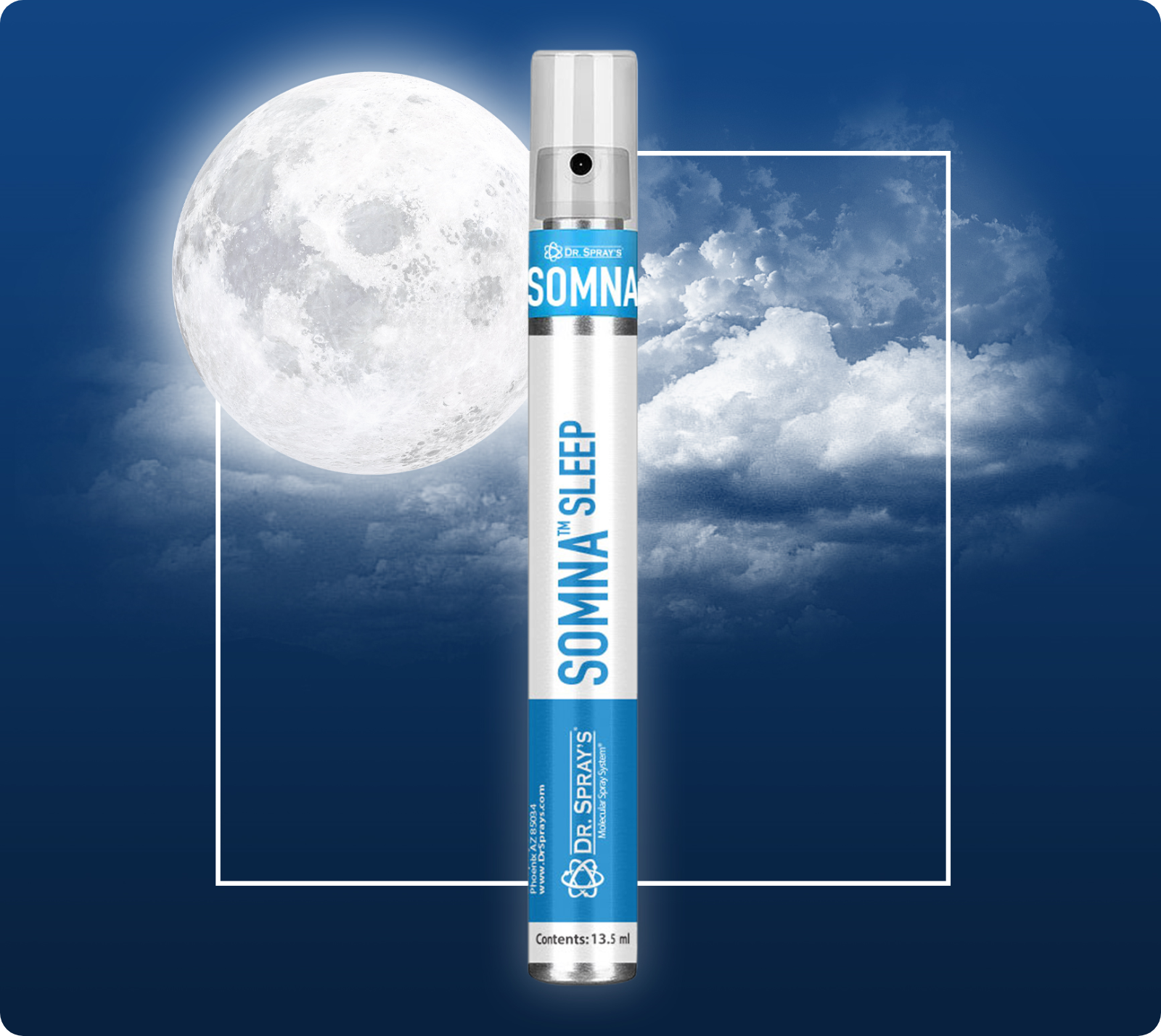
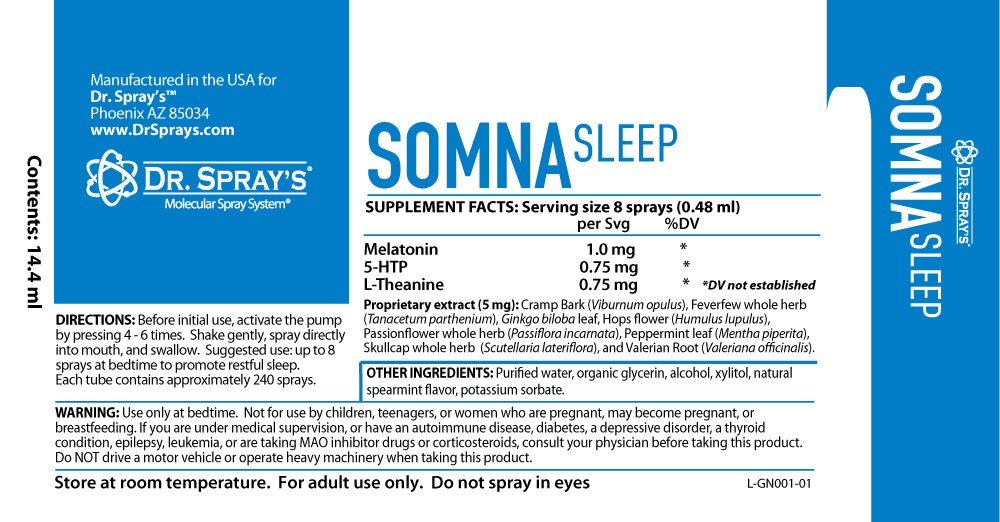
DrSprays offers a Sleep/Somna spray specifically formulated to support natural sleep cycles. Developed by doctors and manufactured in an FDA-registered, GMP-certified facility in Phoenix, Arizona, this oral spray combines ingredients that work with your body's natural processes.
The spray delivery method offers several advantages for children:
- No pills to swallow
- Fast-acting formula
- Pleasant taste that kids don't resist
- Precise dosing
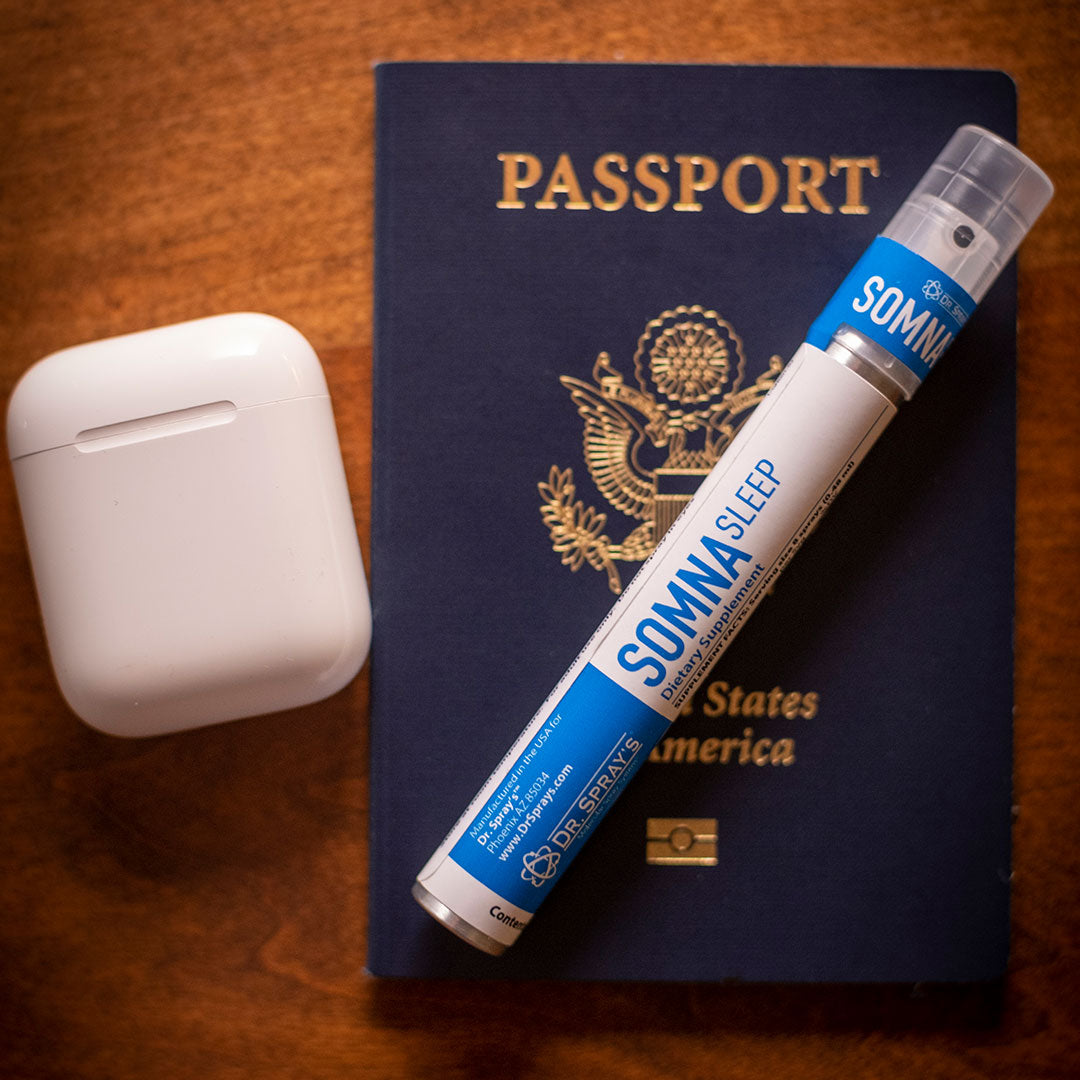
- Travel-friendly convenience
Supporting Overall Wellness
Sleep doesn't exist in isolation—it's connected to overall health and wellness. A comprehensive multi-vitamin spray can help fill nutritional gaps that might indirectly affect sleep quality, energy levels, and general well-being.
The vitamin spray format makes daily supplementation easier for busy families, especially when dealing with children who resist traditional pills or gummies.
Physical Activity and Sleep Connection
Regular physical activity improves sleep quality, but timing matters. Encourage your 10-year-old to stay active during the day, but avoid vigorous exercise within 2-3 hours of bedtime.
Daytime Movement
Children should get at least 60 minutes of moderate to vigorous physical activity daily. This could include:
- Playing outside after school
- Participating in sports or dance classes
- Bike riding around the neighborhood
- Swimming (particularly refreshing in Phoenix's warm climate)
- Active play with friends
Evening Relaxation Exercises
Instead of intense activity, evening hours should focus on gentle movement like stretching, yoga, or breathing exercises that promote relaxation rather than stimulation.
Addressing Common Sleep Challenges
Dealing with Nighttime Fears
Many 10-year-olds still experience nighttime anxiety or fears. Validate their feelings while providing reassurance. A dimmed nightlight, open bedroom door, or comfort item can help ease anxiety without disrupting sleep quality.
Managing Weekend Schedule Shifts
While some flexibility on weekends is natural, try to keep wake times within one hour of the school schedule. Sleeping in much later can shift circadian rhythms and make Monday morning wake-ups particularly difficult.
Handling Resistance to Bedtime
If your child regularly resists bedtime, evaluate whether the sleep schedule is age-appropriate and whether daytime activities are providing enough physical and mental stimulation. Sometimes, behavior issues around bedtime stem from a schedule that doesn't match the child's actual sleep needs.
When to Seek Professional Help
While most sleep issues can be resolved with consistent routines and healthy habits, some situations warrant professional evaluation:
- Persistent difficulty falling asleep (taking more than 30 minutes regularly)
- Frequent nighttime waking (more than once per night)
- Loud snoring or breathing pauses during sleep
- Excessive daytime sleepiness despite adequate nighttime sleep
- Sleep walking or night terrors
- Behavioral or academic problems related to poor sleep
A pediatrician or sleep specialist can identify underlying issues like sleep apnea, restless leg syndrome, or other medical conditions affecting sleep quality.
The Parent's Role in Healthy Sleep
Children learn by example. If you're staying up late scrolling through your phone or keeping irregular sleep schedules, your child will internalize these patterns as normal.
Model healthy sleep habits by:
- Maintaining your own consistent sleep schedule
- Creating device-free evening time
- Prioritizing sleep as a family value
- Discussing the importance of rest openly
Building Long-Term Success
Establishing healthy sleep habits takes time—typically 2-4 weeks before new routines feel natural. Stay consistent even when progress seems slow. The investment you make now in your 10-year-old's sleep habits will benefit them for years to come.
Remember that sleep needs and patterns naturally evolve as children grow. Stay flexible and adjust routines as needed while maintaining core principles like consistency, healthy environments, and appropriate boundaries around technology.
Supporting Your Child's Sleep Journey
Every child is unique, and what works perfectly for one family might need adjustment for another. Pay attention to your child's individual responses and needs. Some children are naturally earlier risers, while others function better with slightly later schedules.
The goal isn't perfection—it's establishing a foundation of healthy habits that support your child's growth, development, and well-being. With patience, consistency, and the right tools, you can help your 10-year-old develop sleep patterns that will serve them well into adolescence and beyond.
Frequently Asked Questions
What time should a 10-year-old go to bed?
If your child needs to wake at 7:00 AM for school and requires 10 hours of sleep, bedtime should be around 9:00 PM. However, the exact time depends on your family's schedule and your child's individual needs. The key is maintaining consistency—going to bed and waking up at the same time every day, including weekends.
Are vitamin sprays safe for 10-year-olds?
Yes, when used as directed, vitamin sprays are safe for children. DrSprays products are manufactured in an FDA-registered, GMP-certified facility with rigorous quality standards. Oral spray vitamins actually offer advantages over pills, including better absorption rates (up to 90%) and easier administration for children who struggle with swallowing tablets. Always consult with your child's pediatrician before starting any new supplement regimen.
How long does it take to establish a new sleep routine?
Most children adapt to new sleep routines within 2-4 weeks of consistent implementation. The first week is typically the most challenging as your child adjusts to new expectations. Stay firm with boundaries while being patient with the process. The more consistent you are, the faster the routine will become natural.
Can vitamin D deficiency affect my child's sleep?
Yes, research shows that vitamin D plays a significant role in sleep quality. Vitamin D receptors are present in brain areas that regulate sleep, and deficiency has been linked to sleep disturbances in children. A vitamin D3 spray can help maintain optimal levels, especially for children with limited sun exposure or those living in areas with intense heat like Phoenix, Arizona, where outdoor time may be limited during summer months.
What should I do if my child wakes up in the middle of the night?
If your child wakes during the night, keep interactions brief and boring. Avoid turning on bright lights or engaging in stimulating conversation. Guide them back to bed with minimal fuss. If nighttime waking becomes persistent, evaluate whether the sleep environment is optimal, the schedule is appropriate, or whether underlying issues like anxiety or discomfort need to be addressed.
Is it okay for my 10-year-old to use melatonin?
While melatonin supplements are widely used, it's essential to consult your child's pediatrician before starting any sleep supplement. The doctor can assess whether melatonin is appropriate for your child's specific situation and recommend proper dosing. Natural sleep support formulations, like those found in spray supplements, may offer gentler alternatives that work with the body's own processes.
How much screen time is okay before bed?
Ideally, all screens should be turned off at least one hour before bedtime. The blue light emitted by devices suppresses melatonin production and can delay sleep onset by 30 minutes or more. If you cannot eliminate all screen time, use blue light filters and keep brightness low, but understand that this is a compromise rather than an optimal solution.
What's the difference between vitamin spray and vitamin pills?
Spray supplements offer several advantages over traditional pills. The oral spray format delivers nutrients through the mouth's mucous membranes, achieving absorption rates up to 90% compared to pills that must pass through the digestive system. For children, spray vitamins eliminate the challenge of swallowing large tablets, provide faster results, and often have more pleasant flavors. This makes daily supplementation much easier for families.
About the Author
This article was developed by the DrSprays content team in collaboration with healthcare professionals specializing in pediatric sleep and nutrition. DrSprays is committed to providing families with science-backed information to support children's health and wellness. Our products are developed by doctors and manufactured in Phoenix, Arizona, in an FDA-registered, GMP-certified facility to ensure the highest quality standards.
Ready to Support Your Child's Sleep Naturally?
Establishing healthy sleep habits for your 10-year-old takes time, patience, and sometimes a little extra nutritional support. If you're looking for high-quality supplements designed with children's needs in mind, explore the DrSprays collection of doctor-developed oral spray vitamins.
Our Sleep/Somna spray provides natural support for healthy sleep cycles, while our vitamin D3 spray and vitamin B12 spray help maintain the nutritional foundation that supports overall wellness and better rest.
Manufactured in Phoenix, Arizona, in an FDA-registered, GMP-certified facility, DrSprays products deliver up to 90% absorption rates—far exceeding traditional pills. With convenient spray delivery, getting your child to take their daily vitamins becomes effortless.
Browse our complete collection of vitamin sprays today and take the first step toward supporting your child's sleep and overall health naturally.