Getting an 11-year-old to sleep on time can be one of the most challenging aspects of parenting. At this age, children are navigating increased academic demands, social pressures, and significant physical changes that can all interfere with healthy sleep patterns. Understanding the science behind preteen sleep and implementing practical strategies can make bedtime less of a battle and more of a natural transition.
Sleep isn't just downtime—it's when growing bodies repair tissues, consolidate memories, and regulate hormones essential for development. For 11-year-olds specifically, quality sleep supports everything from academic performance to emotional regulation and physical growth.
Understanding Sleep Needs for 11-Year-Olds
The National Sleep Foundation recommends that children aged 6-13 get between 9-11 hours of sleep each night. However, research shows that many preteens fall short of this target, with the average 11-year-old getting only 8-9 hours on school nights.
At age 11, children experience significant developmental changes that affect sleep patterns. Their circadian rhythms begin shifting toward a later sleep-wake cycle—a process that intensifies during the teenage years. This biological change means their bodies naturally want to stay awake later and sleep in longer, which often conflicts with school schedules and family routines.
Signs Your 11-Year-Old Isn't Getting Enough Sleep
- Difficulty waking up in the morning despite adequate time in bed
- Increased irritability, mood swings, or emotional outbursts
- Trouble concentrating on homework or schoolwork
- Falling asleep during car rides or quiet activities
- Frequent illness due to weakened immune function
- Changes in appetite or energy levels throughout the day
Creating an Optimal Sleep Environment
The bedroom environment plays a crucial role in sleep quality. For 11-year-olds transitioning toward more independence, involving them in creating their ideal sleep space can increase buy-in and compliance with bedtime routines.
Temperature and Lighting
The ideal bedroom temperature for sleep falls between 60-67°F. A room that's too warm can interfere with the body's natural temperature drop that signals sleep time. Consider using a programmable thermostat to automatically adjust temperatures in the evening.
Light exposure significantly impacts the body's production of melatonin, the hormone that regulates sleep-wake cycles. Install blackout curtains or shades to eliminate street lights and early morning sun. Even small amounts of light from electronics can disrupt sleep, so remove or cover LED displays from alarm clocks and other devices.
Noise Control and Comfort
If your home environment includes unavoidable noise—whether from siblings, traffic, or other sources—consider using a white noise machine or fan to create consistent, soothing background sound that masks disruptive noises.
Invest in a comfortable, supportive mattress and pillows appropriate for your child's size and sleeping position. Many 11-year-olds are still using bedding from their younger years that no longer provides adequate support for their growing bodies.
Establishing Effective Bedtime Routines
Consistency is paramount when it comes to sleep schedules. The body's internal clock thrives on predictability, and maintaining consistent sleep and wake times—even on weekends—helps reinforce healthy circadian rhythms.
The 60-Minute Wind-Down
Create a structured routine that begins about an hour before the target sleep time. This transition period signals to the brain that it's time to shift from active daytime mode to restful nighttime mode.
A sample routine might include:
- 7:30 PM - Put away all screens and devices
- 7:45 PM - Take a warm shower or bath
- 8:00 PM - Put on pajamas and prepare for the next day
- 8:15 PM - Quiet activity like reading or journaling
- 8:30 PM - Lights out
The Technology Challenge
Screen time before bed is one of the most significant sleep disruptors for preteens. The blue light emitted by phones, tablets, computers, and televisions suppresses melatonin production and keeps the brain in an alert state.
Implement a "technology curfew" at least one hour before bedtime. Create a charging station outside the bedroom where all devices must be placed overnight. This removes the temptation to check messages or scroll through social media when sleep should be the priority.
If homework requires technology in the evening, use blue light filtering glasses or enable night mode settings on devices to minimize the impact on circadian rhythms.
Nutrition and Supplements for Better Sleep
What your 11-year-old eats and drinks throughout the day—and especially in the evening—can significantly impact sleep quality. Creating awareness around nutrition and sleep can empower your preteen to make better choices.
Foods That Support Sleep
Encourage evening meals and snacks that contain tryptophan, magnesium, and complex carbohydrates, which support the production of sleep-promoting neurotransmitters:
- Turkey, chicken, or fish
- Whole grain crackers or toast
- Bananas
- Almonds or cashews (if no allergies)
- Warm milk or herbal tea
- Oatmeal with a small amount of honey
What to Avoid
Certain foods and beverages can interfere with sleep onset and quality. Limit or eliminate these items after 3 PM:
- Caffeinated beverages including soda, energy drinks, and iced tea
- Chocolate (which contains caffeine)
- Heavy, spicy, or acidic foods that may cause discomfort
- Large meals within two hours of bedtime
- Excessive fluids that may require nighttime bathroom trips
The Role of Vitamin Spray Supplements
Nutritional deficiencies can significantly impact sleep quality in children. Research has shown that deficiencies in certain vitamins and minerals correlate with sleep difficulties, particularly vitamin D, B vitamins, and magnesium.
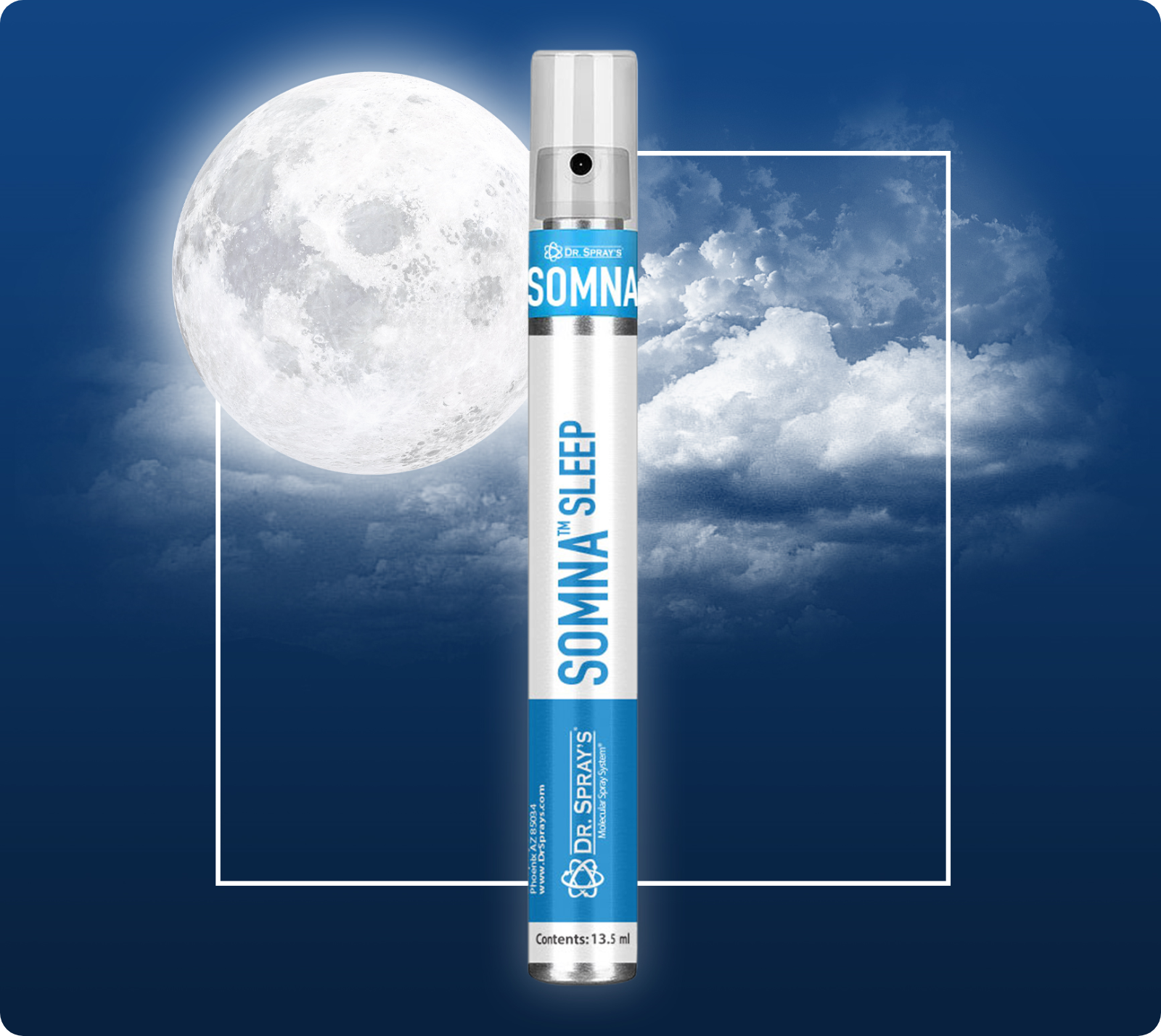
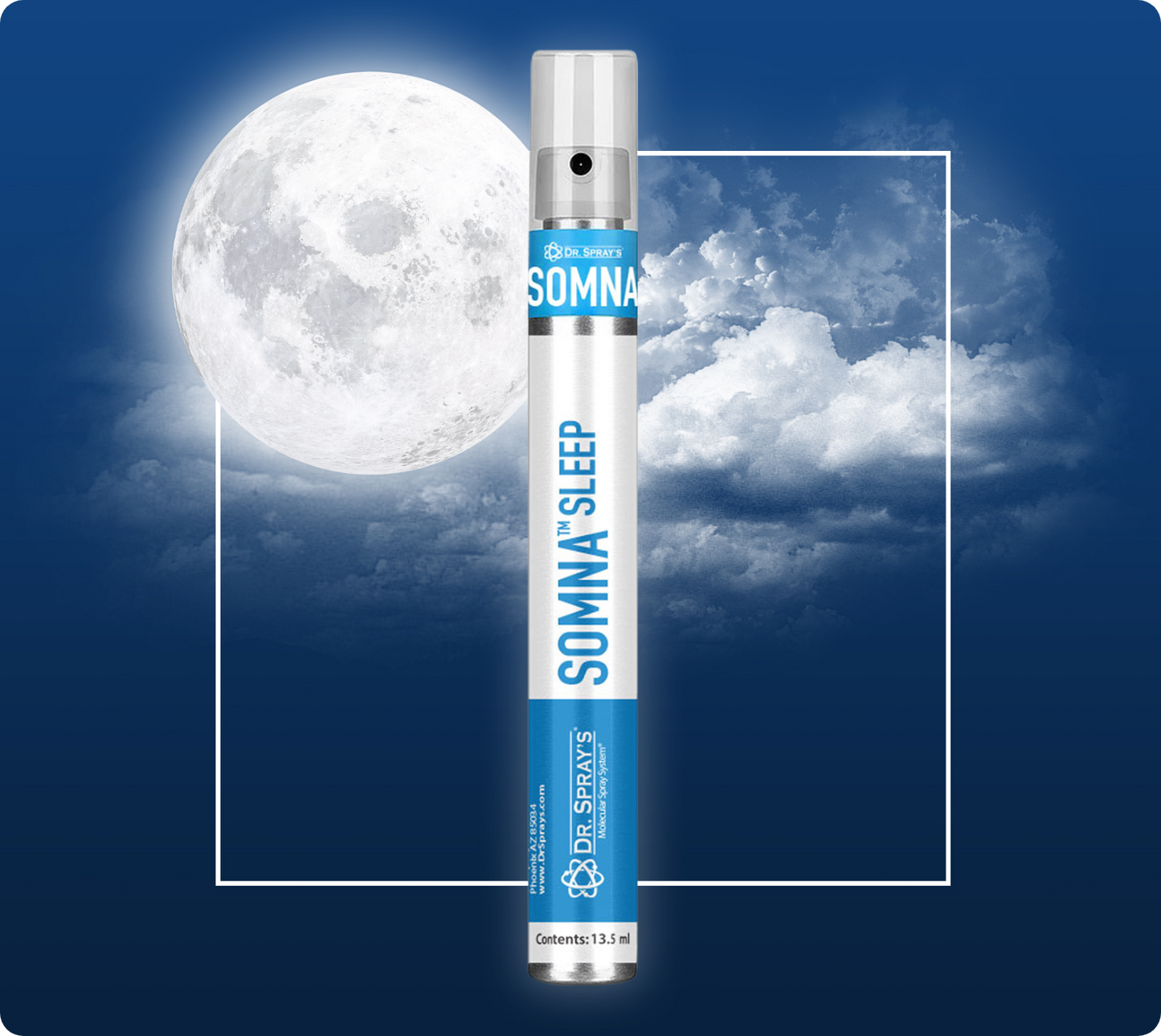
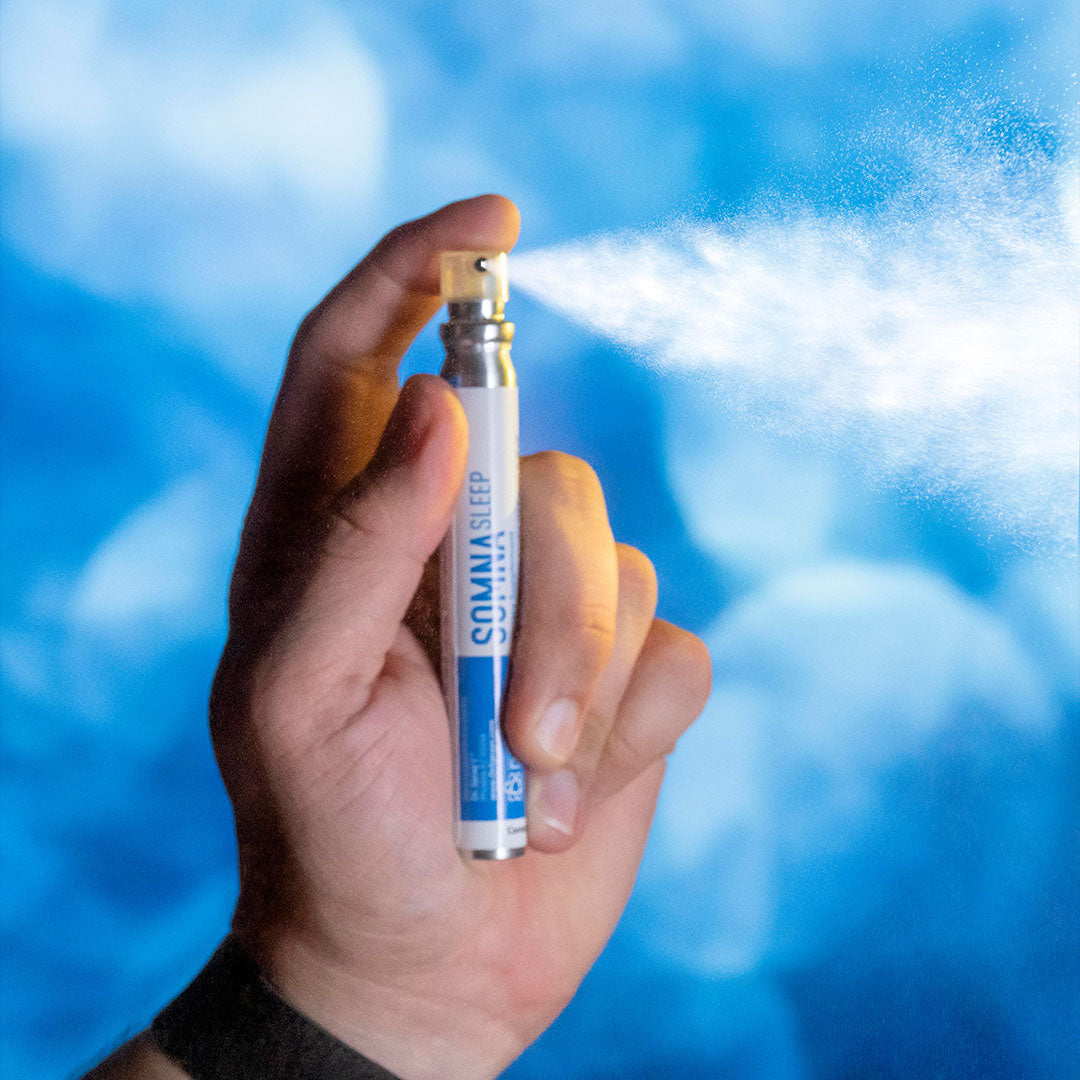
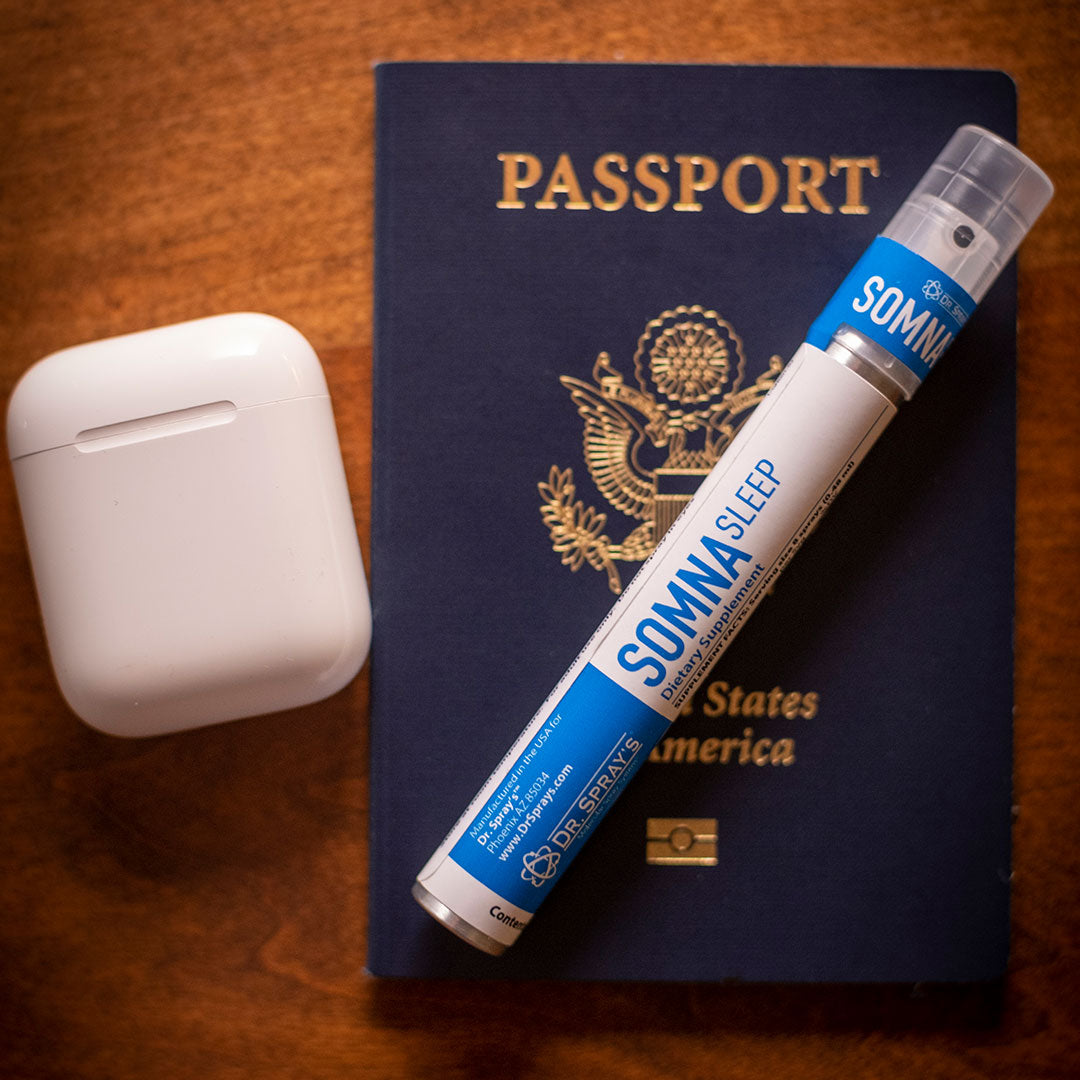
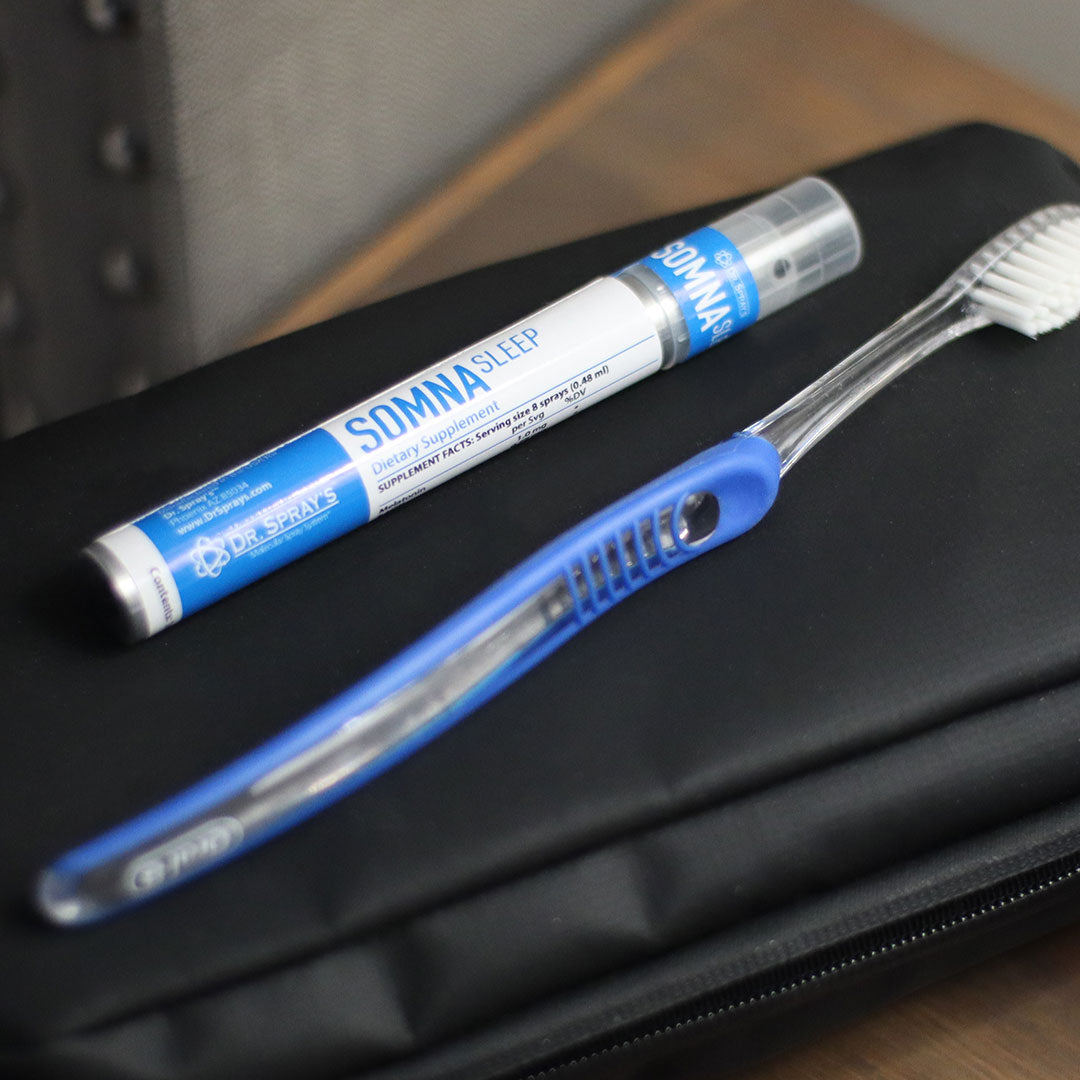
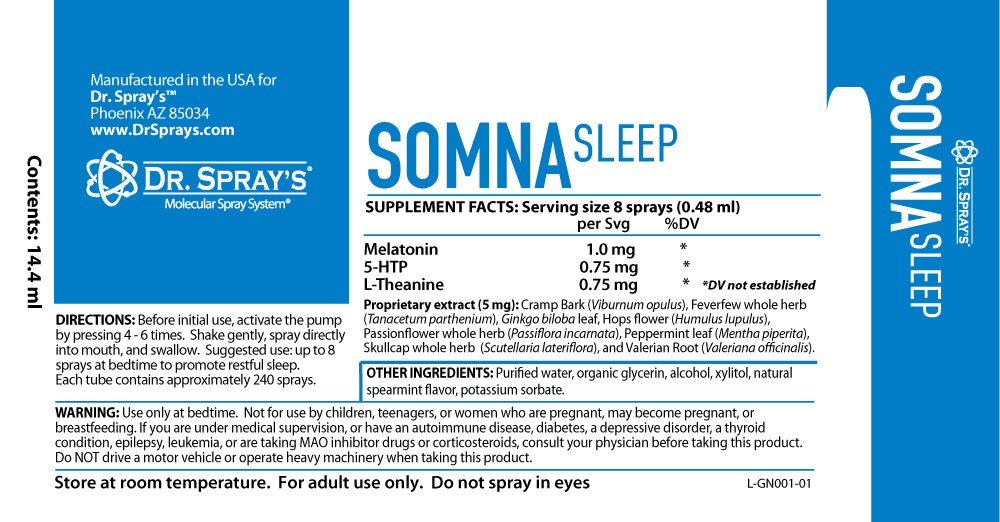
Many parents find that oral spray vitamins offer advantages over traditional pills for preteens. Spray supplements provide faster absorption and eliminate the difficulty some children have swallowing large tablets. Products formulated specifically for sleep support can be incorporated into the bedtime routine as a consistent signal that rest time is approaching.
When considering spray supplements for your 11-year-old, look for products manufactured in FDA registered, GMP certified facilities to ensure quality and safety. The sublingual delivery method used by vitamin spray products allows for absorption rates up to 90%, compared to 10-20% for traditional pills.
Certain nutrients particularly support healthy sleep patterns:
- Vitamin D3 spray: Vitamin D receptors are found throughout the brain, including areas that regulate sleep. Studies suggest that vitamin D deficiency may be linked to shorter sleep duration and poor sleep quality. Many children, especially those in northern climates or who spend limited time outdoors, don't get adequate vitamin D from sun exposure alone.
- Vitamin B12 spray: B vitamins play essential roles in producing melatonin and regulating circadian rhythms. B12 specifically supports the nervous system and may help improve sleep-wake cycle regulation.
- Magnesium: This mineral activates neurotransmitters responsible for calming the body and mind, preparing the nervous system for sleep.
Always consult with your child's pediatrician before introducing any new supplements, including vitamin spray products, to ensure they're appropriate for your child's specific health needs and don't interact with any medications.
Managing Stress and Anxiety
Eleven-year-olds face increasing academic pressures, complex social dynamics, and awareness of world events that can create anxiety interfering with sleep. Teaching stress management techniques provides lifelong tools for better sleep and overall wellbeing.
Relaxation Techniques
Deep breathing exercises: Teach your child the 4-7-8 technique—inhale through the nose for 4 counts, hold for 7 counts, exhale through the mouth for 8 counts. This activates the parasympathetic nervous system, signaling the body to relax.
Progressive muscle relaxation: Guide your child through tensing and releasing different muscle groups, starting with the toes and moving up through the body. This increases body awareness and releases physical tension that can prevent sleep onset.
Visualization: Encourage imagining a peaceful, safe place in vivid detail. This mental exercise diverts anxious thoughts and creates a calm mental state conducive to sleep.
Journaling and Worry Management
Many preteens lie awake ruminating about social situations, upcoming tests, or other concerns. Establishing a "worry time" earlier in the evening allows children to process these thoughts before bed rather than when they should be sleeping.
Provide a journal where your child can write down worries, thoughts about the day, or things to remember for tomorrow. This external brain dump often helps children feel they can set aside these thoughts because they've been captured and won't be forgotten.
Physical Activity and Sleep Connection
Regular physical activity is one of the most effective ways to promote healthy sleep in children. Exercise helps regulate circadian rhythms, reduces stress hormones, and creates the physical tiredness that facilitates sleep onset.
Encourage your 11-year-old to get at least 60 minutes of moderate to vigorous physical activity daily. This can include organized sports, active play, biking, swimming, or family walks.
However, timing matters. Vigorous exercise within three hours of bedtime can be stimulating and interfere with sleep onset. Schedule intense activities for earlier in the day, reserving evenings for gentler movement like stretching or casual walks.
When to Seek Professional Help
While most sleep difficulties in 11-year-olds can be addressed through lifestyle modifications, certain signs indicate the need for professional evaluation:
- Persistent difficulty falling asleep taking more than 30-45 minutes regularly
- Frequent nighttime awakenings or difficulty returning to sleep
- Loud snoring, gasping, or breathing pauses during sleep (possible sleep apnea)
- Excessive daytime sleepiness despite adequate time in bed
- Unusual sleep behaviors like sleepwalking or night terrors
- Restless legs or frequent leg movements during sleep
- Sleep problems lasting more than a few weeks despite implementing good sleep habits
Your child's pediatrician can evaluate for underlying sleep disorders, medical conditions affecting sleep, or mental health concerns like anxiety or depression that may require specialized treatment.
Addressing Common Sleep Challenges
The Weekend Sleep Schedule Problem
Many preteens want to stay up late and sleep in on weekends, but this disrupts circadian rhythms and makes Monday mornings even more difficult. Limit weekend sleep schedule variations to no more than one hour from the school night routine. If your child needs to catch up on sleep, encourage an earlier bedtime rather than a later wake time.
Resistance to Bedtime
As children seek more independence, they may resist bedtime as a form of asserting autonomy. Involve your 11-year-old in creating their sleep routine, allowing choices within appropriate parameters. For example, they might choose which relaxing activity to do before bed or what order to complete bedtime tasks, but the overall schedule and lights-out time remain non-negotiable.
Fear and Nighttime Anxiety
Some 11-year-olds still experience nighttime fears or separation anxiety. Validate these feelings while providing reassurance and coping strategies. A nightlight, favorite stuffed animal, or brief check-in after a set amount of time can provide comfort without creating dependency. If fears are intense or increasing rather than improving, consult with a mental health professional.
The Role of Morning Routines
Good sleep starts with a good wake-up. Establishing consistent morning routines supports the entire sleep-wake cycle and makes evenings easier.
Exposure to bright light within the first hour of waking helps set the circadian clock for the day. Encourage your child to spend time near a window during breakfast or, if possible, briefly go outside. This natural light exposure reinforces when the body should be alert and, consequently, when it should be sleepy later.
A nutritious breakfast that includes protein and complex carbohydrates provides steady energy and prevents the afternoon crashes that might lead to poor evening habits. Consider oral spray vitamins as part of the morning routine, particularly if your child struggles with breakfast or has specific nutritional needs that aren't met through diet alone.
Creating Family Sleep Priorities
Children model the behaviors they observe. If parents stay up late scrolling phones or working, children receive the message that sleep isn't truly a priority. Create a family sleep culture that values rest:
- Establish a family technology curfew that applies to everyone
- Model good sleep hygiene in your own routine
- Prioritize sleep when making schedule decisions, even if it means saying no to some activities
- Talk positively about sleep as something that helps everyone feel better and perform better
- Make the evening wind-down a pleasant family time rather than a rushed, stressful period
Seasonal and Environmental Considerations
For families living in areas like Phoenix, Arizona, environmental factors present unique sleep challenges. The intense heat during summer months can make it difficult to maintain optimal bedroom temperatures, and the abundant sunshine year-round affects circadian rhythms differently than in regions with more seasonal variation.
In hot climates, running air conditioning at night becomes essential for sleep quality. If cooling costs are a concern, focus on keeping bedrooms comfortable while allowing other areas of the home to be warmer. Ceiling fans provide additional circulation and create white noise that can improve sleep quality.
The strong sunlight in places like Arizona offers advantages for morning light exposure to set circadian rhythms but requires effective window coverings to block early morning sun during sleep time. Quality blackout curtains become especially important during summer months when sunrise occurs very early.
Tracking Progress and Making Adjustments
Sleep improvements don't happen overnight. Keep a sleep log for 2-3 weeks tracking bedtime, wake time, time to fall asleep, nighttime awakenings, and morning mood. This data helps identify patterns and measure progress.
Many sleep issues in preteens improve with consistent implementation of good sleep hygiene practices, but some strategies work better for individual children than others. Be prepared to adjust your approach based on what you observe. If one bedtime routine activity isn't working, try something different while maintaining the overall structure and consistency.
Celebrate small victories. If your child falls asleep 10 minutes faster than before, acknowledge that progress. If they make it through the week with consistent bedtimes, recognize their effort. Positive reinforcement encourages continued compliance with sleep routines.
Frequently Asked Questions
How many hours of sleep does an 11-year-old really need?
Most 11-year-olds need between 9-11 hours of sleep per night for optimal health, development, and functioning. The exact amount varies by individual, but falling below 9 hours regularly can lead to cognitive, emotional, and physical consequences. Watch your child's daytime functioning—if they're alert, emotionally regulated, and performing well academically, they're likely getting enough sleep.
What if my 11-year-old says they can't fall asleep?
If your child consistently takes more than 30 minutes to fall asleep despite being in bed at an appropriate time, several factors might be at play. They may not be tired enough due to insufficient physical activity during the day, they might be experiencing anxiety or racing thoughts, or their circadian rhythm might be naturally shifted later. Try implementing a consistent wind-down routine, eliminating screens earlier in the evening, and teaching relaxation techniques. If the problem persists for more than a few weeks, consult their pediatrician to rule out sleep disorders.
Are sleep supplements safe for 11-year-olds?
Many sleep supplements marketed for children contain melatonin or herbal ingredients. While these are generally considered safe for short-term use, they should only be used under the guidance of a pediatrician. Focus first on non-supplement interventions like consistent sleep schedules, appropriate sleep environment, and good sleep hygiene. If nutritional deficiencies are contributing to sleep problems, addressing those with appropriate vitamin spray or other supplement forms under medical supervision may help. Products from FDA registered, GMP certified facilities offer higher safety assurance.
Should I let my 11-year-old sleep in on weekends?
While it's tempting to allow weekend sleep-ins to "catch up" on rest, large variations in sleep schedules disrupt circadian rhythms and make weekday mornings more difficult. Limit weekend wake times to within one hour of the school schedule. If your child seems chronically sleep-deprived, move the bedtime earlier rather than allowing later weekend mornings. If they regularly need weekend catch-up sleep, the weeknight sleep schedule needs adjustment.
How do I handle a child who sneaks their phone at night?
Technology sneaking is common at this age. Remove the temptation entirely by collecting all devices—phones, tablets, gaming systems—at the established technology curfew time, storing them outside the bedroom in a designated charging station. Be consistent with this rule every single night. If sneaking persists, implement consequences that matter to your child, such as earlier device collection time or reduced overall screen privileges. Explain the sleep science behind the rule so they understand it's about their wellbeing, not arbitrary control.
Can vitamin deficiencies really affect my child's sleep?
Yes, research has established connections between certain nutritional deficiencies and sleep problems. Vitamin D deficiency has been linked to shorter sleep duration and poor sleep quality. B vitamin deficiencies can affect the production of sleep-regulating neurotransmitters. Magnesium deficiency may contribute to restless sleep and difficulty falling asleep. If you suspect nutritional gaps in your child's diet, consult their pediatrician about appropriate testing and supplementation. Spray supplements offer high absorption rates and ease of use for children who struggle with pills.
What's the best room temperature for an 11-year-old to sleep?
The optimal temperature for sleep falls between 60-67°F (15-19°C). The body's core temperature naturally drops during sleep, and a cooler room facilitates this process. Rooms that are too warm can lead to restless sleep and frequent awakenings. However, individual preference varies slightly—some children sleep better at the cooler end of this range while others prefer it slightly warmer. Use breathable bedding and appropriate pajamas to help regulate body temperature throughout the night.
When should I worry about my child's sleep problems?
Occasional sleep difficulties are normal, especially during stressful periods like exam weeks or after exciting events. However, consult your child's doctor if sleep problems persist for more than 2-3 weeks, if your child shows signs of sleep disorders like snoring with breathing pauses, if daytime functioning is significantly impaired, or if your child expresses significant distress about sleep. Also seek help if you notice changes in mood, behavior, or academic performance that seem related to sleep issues. Early intervention can prevent chronic sleep problems from developing.
Conclusion: Building Lifelong Healthy Sleep Habits
Teaching your 11-year-old healthy sleep habits provides benefits that extend far beyond childhood. The routines, environment, and attitudes about sleep established during the preteen years often carry into adolescence and adulthood.
Remember that improving sleep is a process, not an instant fix. Consistency matters more than perfection. Some nights will go better than others, and that's normal. Keep reinforcing the importance of sleep, modeling good sleep habits yourself, and creating an environment and routine that support rest.
As your child grows and changes, their sleep needs and challenges will evolve. Stay flexible and communicate openly about what's working and what isn't. By prioritizing sleep as a family value and providing the structure and tools your 11-year-old needs for success, you're investing in their immediate wellbeing and long-term health.
Support Your Child's Sleep with Quality Nutrition
Nutritional support can play a valuable role in helping your preteen get the quality sleep they need for growth and development. DrSprays offers doctor-developed oral spray vitamins manufactured in an FDA registered, GMP certified facility in Phoenix, Arizona. With absorption rates up to 90%, our vitamin D3 spray and vitamin B12 spray provide easy, effective nutritional support for growing children. Explore our range of spray supplements designed for optimal absorption and convenience. Visit DrSprays to learn more about supporting your family's health naturally.