Getting a one-year-old to sleep consistently through the night remains one of the most challenging aspects of parenting. At this developmental stage, toddlers experience significant physical and cognitive growth, which can disrupt established sleep patterns and leave parents exhausted and searching for solutions.
Research shows that nutritional deficiencies, particularly in vitamins B12 and D3, can significantly impact sleep quality in toddlers. While establishing healthy sleep habits forms the foundation of good rest, ensuring your child receives adequate nutrition—and that you're well-rested enough to maintain consistent routines—plays an equally important role in the journey toward peaceful nights.
Understanding Your One-Year-Old's Sleep Needs
At twelve months, most toddlers require between 11 and 14 hours of total sleep within a 24-hour period, typically divided between nighttime sleep and one or two daytime naps. However, every child develops differently, and these numbers represent general guidelines rather than strict requirements.
The transition from infancy to toddlerhood brings numerous developmental milestones that can temporarily disrupt sleep patterns. Your one-year-old is likely learning to walk, developing language skills, and experiencing separation anxiety—all of which can manifest as sleep resistance or frequent night wakings.
Common Sleep Challenges at This Age
Parents of one-year-olds frequently encounter several specific sleep obstacles:
- Sleep regression: Developmental leaps often coincide with temporary setbacks in previously established sleep patterns
- Separation anxiety: Increased awareness of being apart from caregivers peaks around this age
- Teething discomfort: Molars typically emerge during the second year, causing pain that disrupts sleep
- Nap transitions: Moving from two naps to one can create overtiredness if timing isn't optimal
- Increased mobility: The excitement of new physical skills can make settling down difficult
Creating an Effective Sleep Environment
The physical space where your toddler sleeps significantly influences their ability to fall asleep and stay asleep throughout the night. Optimizing the sleep environment addresses many common disturbances before they occur.
Room Temperature and Air Quality
Maintain the bedroom temperature between 68 and 72 degrees Fahrenheit for optimal sleep conditions. Toddlers cannot regulate body temperature as effectively as adults, making them more susceptible to discomfort from rooms that are too warm or too cold.
In dry climates like Phoenix, Arizona, consider using a humidifier to maintain humidity levels between 30 and 50 percent. Adequate moisture in the air prevents respiratory discomfort that can wake children during the night.
Light Control and Darkness
Complete darkness signals the brain to produce melatonin, the hormone responsible for sleep regulation. Install blackout curtains or shades to eliminate external light sources, particularly important during summer months when daylight extends later into the evening.
If your child shows fear of complete darkness, use a dim red or amber night light positioned away from the crib. These wavelengths don't suppress melatonin production like blue or white light.
Sound Management
White noise machines effectively mask household sounds and external disturbances that might wake light sleepers. Set the volume to approximately 50 decibels—about the level of a quiet conversation—and position the device at least seven feet from the crib.
Establishing a Consistent Bedtime Routine
A predictable sequence of calming activities before bed helps toddlers transition from the stimulation of daytime to the quiet of nighttime. Consistency in timing and activities provides security and sets clear expectations.
Components of an Effective Routine
Design your bedtime routine to last between 20 and 30 minutes, following the same sequence each night:
- Bath time: A warm bath raises body temperature; the subsequent cooling naturally promotes drowsiness
- Pajamas and diaper change: Fresh, comfortable clothing removes potential physical irritants
- Quiet activity: Reading books or singing lullabies in dim lighting signals approaching sleep time
- Final feeding: A small snack or nursing session (ending at least 20 minutes before bed) prevents hunger
- Goodnight ritual: Consistent phrases, kisses, or comfort objects create emotional security
Timing Your Routine
Begin the bedtime routine at the same time each evening, ideally when your toddler shows early signs of tiredness but before overtiredness sets in. Watch for cues like eye rubbing, decreased activity, or fussiness, which typically appear about 30 minutes before optimal sleep time.
Most one-year-olds benefit from a bedtime between 7:00 and 8:00 PM, though individual needs vary based on wake time and nap schedule.
Optimizing Daytime Factors for Better Night Sleep
What happens during waking hours directly impacts nighttime sleep quality. Addressing daytime elements creates a foundation for successful nights.
Nap Schedule Considerations
At twelve months, some toddlers still benefit from two shorter naps, while others transition to a single midday nap. Watch your child's individual needs rather than forcing a schedule based solely on age.
Signs your toddler is ready for one nap include:
- Consistently refusing the morning or afternoon nap
- Taking significantly longer to fall asleep at bedtime
- Waking earlier in the morning despite adequate total sleep
During the transition period, offer flexibility with an early bedtime when needed to prevent overtiredness, which paradoxically makes falling asleep more difficult.
Physical Activity Requirements
One-year-olds require substantial physical activity for healthy development and quality sleep. The National Sleep Foundation recommends toddlers engage in active play for several hours throughout the day, though this needn't be continuous.
Activities that promote both development and better sleep include:
- Outdoor exploration and play, particularly in morning sunlight
- Indoor climbing and gross motor activities
- Interactive games involving movement
- Walks in the stroller with opportunities to walk independently
Schedule vigorous activities for morning and early afternoon, transitioning to calmer play at least two hours before bedtime.
Nutrition's Role in Sleep Quality
The relationship between nutrition and sleep operates bidirectionally—poor nutrition disrupts sleep, while inadequate sleep interferes with proper nutrient absorption and appetite regulation. Ensuring your toddler receives essential vitamins and minerals supports both physical development and sleep quality.
Critical Nutrients for Sleep
Several vitamins play particularly important roles in sleep regulation:
Vitamin D3: Often called the "sunshine vitamin," vitamin D deficiency has been linked to sleep disorders in children. Research published in the Journal of Clinical Sleep Medicine found that children with lower vitamin D levels experienced shorter sleep duration and increased nighttime wakings. Since sunscreen application and limited outdoor time—common in hot climates—reduce natural vitamin D production, supplementation often becomes necessary.
Vitamin B12: This essential nutrient supports nervous system function and helps regulate circadian rhythms. B12 deficiency can cause restlessness and difficulty maintaining sleep throughout the night. Children following vegetarian or vegan diets face particular risk of deficiency, as B12 occurs primarily in animal products.
Magnesium: This mineral promotes relaxation and supports the production of sleep-inducing neurotransmitters. Many toddlers don't consume adequate magnesium through diet alone.
Iron: Deficiency in iron has been associated with restless sleep and frequent wakings. One-year-olds require approximately 7 milligrams daily, which can be challenging to achieve through diet, particularly for picky eaters.
Challenges with Traditional Supplementation
While pediatricians often recommend supplements to address nutritional gaps, administering them to one-year-olds presents significant challenges. Traditional pills pose choking hazards, liquid supplements frequently cause gagging or spitting, and gummy vitamins aren't appropriate for this age group.
Additionally, absorption rates for conventional oral supplements remain surprisingly low, with studies showing that pills and liquids typically achieve only 10-20% bioavailability. This means most of the vitamins parents carefully measure and struggle to administer never actually benefit their child.
Modern Supplement Delivery Methods
Innovations in supplement delivery have created more effective and convenient options for ensuring adequate nutrition. Oral spray vitamins represent a significant advancement in bioavailability and ease of administration.
Unlike traditional supplements that must survive stomach acid and first-pass metabolism through the liver, vitamin spray products deliver nutrients directly through the mucous membranes in the mouth. This method achieves up to 90% absorption rate—significantly higher than pills or liquid supplements.
For parents specifically, maintaining your own nutritional status proves crucial for having the energy and patience required for consistent sleep training. Products like vitamin B12 spray and vitamin D3 spray offer convenient ways to address common deficiencies that contribute to parental fatigue.
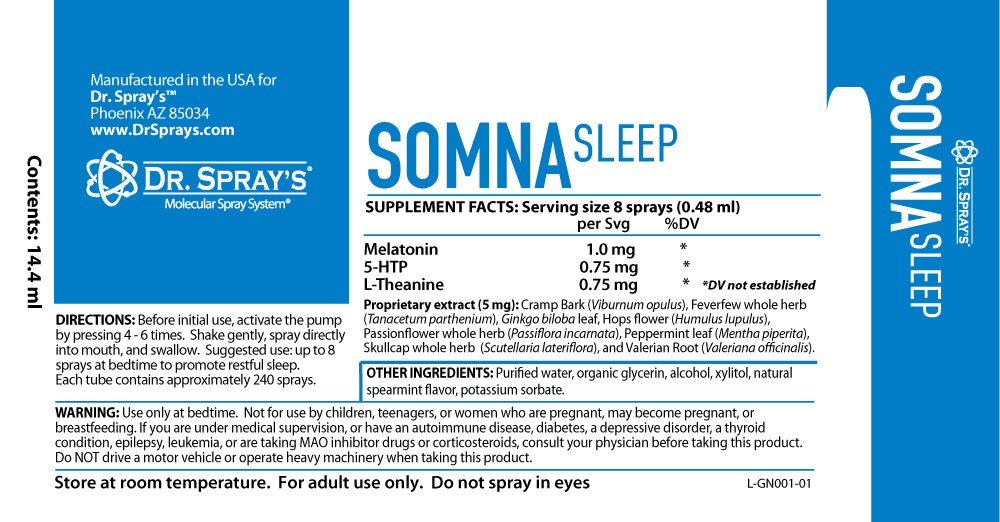
The Phoenix, Arizona-based company DrSprays manufactures doctor-developed spray supplements in an FDA-registered, GMP-certified facility, ensuring quality and safety standards. Their sleep support spray has helped many parents improve their own rest quality, enabling them to maintain the consistency essential for establishing healthy sleep habits in their children.
Addressing Night Wakings and Sleep Associations
Most one-year-olds wake briefly several times during the night as they transition between sleep cycles. The key difference between good sleepers and those who struggle lies in their ability to self-soothe back to sleep without parental intervention.
Understanding Sleep Associations
Sleep associations are conditions children learn to associate with falling asleep. When these conditions require parental involvement—such as rocking, nursing, or holding—toddlers lack the ability to return to sleep independently during natural night wakings.
Positive sleep associations that support independent sleep include:
- A consistent sleep space (crib or bed)
- A comfort object like a lovey or small blanket (for toddlers over 12 months)
- White noise or consistent environmental sounds
- Darkness or minimal red/amber lighting
Responding to Night Wakings
When your one-year-old wakes during the night, pause before immediately responding. Often, toddlers resettle within a few minutes if given the opportunity. This waiting period helps distinguish between brief wakings during sleep cycle transitions and genuine needs requiring attention.
If your child continues crying after a few minutes, check for:
- Physical discomfort (wet diaper, uncomfortable clothing, temperature issues)
- Illness symptoms (fever, congestion, teething pain)
- Environmental disturbances (loud noises, light, temperature changes)
Address genuine needs calmly and quietly, keeping lights dim and interactions minimal. Avoid stimulating activities that signal playtime rather than continued sleep.
Sleep Training Methods for One-Year-Olds
Sleep training encompasses various approaches to teaching independent sleep skills. At one year old, children possess the developmental capacity to learn these skills, though the specific method should align with your family's values and parenting philosophy.
Gradual Withdrawal Approach
This gentle method involves slowly reducing your presence during the falling-asleep process over several weeks. Begin by sitting near the crib until your toddler falls asleep, then gradually move farther away each night until you're outside the room.
This approach typically takes longer but causes less distress for both children and parents who prefer more gradual transitions.
Check-and-Console Method
Also called the Ferber method, this approach involves putting your child down awake and returning at progressively longer intervals to offer brief reassurance. On the first night, you might check after 3, 5, then 10 minutes. Subsequent nights extend these intervals.
During checks, keep interactions brief—a few words of reassurance and perhaps a gentle pat, but avoid picking up your child or providing the sleep association they're learning to manage without.
Pick-Up-Put-Down Method
When your toddler cries, pick them up until calm (not asleep), then put them back down. Repeat as needed until they fall asleep. This method provides more physical comfort than check-ins but still encourages independent sleep.
Extinction Method
This approach involves putting your child down awake and not returning until morning (or the next scheduled feeding). While research shows this method works quickly—often within 3-5 nights—many parents find it emotionally difficult to implement.
Importantly, no evidence suggests that any gentle sleep training method causes psychological harm when implemented with an otherwise secure and attached child.
When to Seek Professional Help
While most sleep challenges in one-year-olds resolve with consistent implementation of healthy sleep practices, some situations warrant consultation with a pediatrician or sleep specialist.
Consider professional evaluation if your child:
- Snores loudly or shows signs of breathing difficulties during sleep
- Experiences extreme difficulty falling asleep despite consistent routines (taking more than an hour regularly)
- Wakes more than 3-4 times nightly beyond 14 months despite sleep training efforts
- Shows excessive daytime sleepiness despite adequate total sleep hours
- Demonstrates significant developmental delays alongside sleep issues
Sleep apnea, though less common in toddlers than older children, can occur at this age and requires medical intervention. Similarly, underlying medical conditions like reflux, allergies, or eczema may interfere with sleep quality and benefit from treatment.
Maintaining Parental Well-being During Sleep Challenges
Sleep deprivation significantly impacts parental mental health, patience, and ability to maintain the consistency that successful sleep training requires. Prioritizing your own rest and nutrition isn't selfish—it's essential for supporting your child effectively.
Practical Strategies for Parents
Consider these approaches to preserve your own well-being:
- Split night duties: If you have a partner, divide night responsibilities so each person gets longer uninterrupted sleep periods several nights per week
- Nap when possible: Even 20-30 minute rest periods during your toddler's naps can significantly reduce sleep debt
- Address your own nutritional needs: Sleep deprivation increases nutritional requirements, particularly for B vitamins that support energy production
- Seek support: Accept help from family or consider hiring occasional help for daytime hours to allow catch-up rest
- Maintain perspective: This phase is temporary; even the most challenging sleepers typically improve significantly within weeks of consistent intervention
Supporting Your Energy Levels
When operating on limited sleep, maintaining optimal nutrition becomes even more critical. However, exhausted parents often lack time for careful meal planning and preparation. Spray supplements offer a convenient solution for ensuring adequate nutrient intake despite demanding schedules.
The multi-vitamin spray provides comprehensive nutritional support in seconds, while targeted formulas like Meta-Boost spray can support the energy levels parents desperately need during this challenging period.
Frequently Asked Questions
Is it normal for my 1-year-old to still wake up at night?
Yes, night wakings remain common at this age, with approximately 20-30% of one-year-olds still waking regularly. However, frequent wakings (more than 2-3 times nightly) typically indicate that your child hasn't yet learned independent sleep skills or may have underlying factors like nutritional deficiencies, discomfort, or inconsistent routines affecting their sleep quality. With appropriate intervention, most toddlers can learn to sleep through the night within a few weeks.
How long should I let my 1-year-old cry during sleep training?
The appropriate duration depends on your chosen sleep training method and your family's comfort level. Graduated extinction methods typically start with 3-5 minute intervals, while full extinction involves no parental checks. Research shows that brief periods of crying during sleep training don't cause psychological harm in secure, well-cared-for children. However, always ensure you've ruled out genuine needs (hunger, pain, illness) before implementing any sleep training approach. Most children show significant improvement within 3-7 nights of consistent implementation.
What time should my 1-year-old go to bed?
Most one-year-olds benefit from a bedtime between 7:00 and 8:00 PM, though individual needs vary based on wake time and nap schedule. The key is maintaining consistency—putting your toddler down at the same time each night. Watch for your child's natural tired signs, which typically appear 11-12 hours after morning wake time. An age-appropriate bedtime prevents overtiredness, which paradoxically makes falling asleep more difficult and leads to more frequent night wakings.
Can vitamin deficiencies really affect my toddler's sleep?
Yes, research demonstrates clear connections between certain nutritional deficiencies and sleep problems in children. Vitamin D deficiency has been associated with shorter sleep duration and increased night wakings. Vitamin B12 deficiency can cause restlessness and disrupted circadian rhythms. Iron deficiency often manifests as restless sleep and difficulty maintaining sleep throughout the night. If your toddler follows a restricted diet, lives in an area with limited sun exposure, or has shown poor weight gain, discuss vitamin testing with your pediatrician.
Should I still give my 1-year-old a bottle at bedtime?
While nutritional needs are legitimate, bottles at bedtime create several concerns. First, milk or juice sitting on teeth overnight increases cavity risk. Second, the bottle often becomes a sleep association, meaning your child learns they need it to fall asleep and will likely require it during night wakings. Consider moving the final feeding to 20-30 minutes before starting the bedtime routine, followed by teeth brushing. This timing ensures your toddler isn't hungry while breaking the bottle-sleep association.
How do I transition from two naps to one?
The transition typically occurs between 12 and 18 months and should be gradual. Watch for signs your toddler is ready: consistently refusing one nap, taking much longer to fall asleep at bedtime, or waking earlier despite adequate total sleep. During the transition period, alternate between one-nap and two-nap days based on your child's morning wake time and behavior. On one-nap days, offer the nap around 12:00-12:30 PM and provide an earlier bedtime (6:30-7:00 PM) to prevent overtiredness. Full transition usually takes 2-4 weeks.
What if my 1-year-old stands up in the crib and won't lie down?
Standing is a new skill your toddler is excited to practice, even at inappropriate times. When you initially put your child down, lay them flat rather than placing them standing. If they stand up, you can lay them back down once or twice with minimal interaction, but avoid repeatedly doing so, as this becomes a game. Instead, leave the room and allow your child to decide when to lie down. Most toddlers tire of standing within a few minutes. Ensure the sleep environment is safe so standing doesn't pose risks, and maintain confidence that your child will eventually choose to lie down and sleep.
Are vitamin sprays safe for toddlers?
Many spray supplement formulations are designed for adults rather than toddlers. Always consult your pediatrician before introducing any supplement to your child. That said, the spray delivery method itself offers advantages in terms of absorption and ease of administration compared to pills or liquids that may cause choking or spitting. For parents themselves, spray vitamins manufactured in FDA-registered facilities provide a safe and effective way to maintain nutritional status during the demanding period of addressing toddler sleep issues.
Conclusion: Building Sustainable Sleep Habits
Teaching your one-year-old to sleep through the night requires patience, consistency, and attention to multiple factors including environment, routine, nutrition, and your own well-being. While the process can feel overwhelming when you're operating on limited sleep, remember that most toddlers show significant improvement within just a few weeks of implementing appropriate strategies.
Focus on creating a foundation of consistent timing, an optimized sleep environment, and age-appropriate expectations. Address nutritional factors that may be undermining sleep quality—both your child's and your own. Most importantly, maintain consistency even when progress feels slow. Sleep skills, once learned, provide benefits that extend far beyond the toddler years, supporting cognitive development, emotional regulation, and physical growth.
The challenging nights will pass. With evidence-based strategies and adequate support for your own needs during this demanding period, you'll help your one-year-old develop healthy sleep habits that serve them for years to come.
Support Your Family's Health Journey
Parenting a toddler demands optimal energy and nutritional support. Discover how doctor-developed spray vitamins with 90% absorption rates can help you maintain the vitality you need during this challenging phase.
Manufactured in Phoenix, Arizona in an FDA-registered, GMP-certified facility.