Getting a five-year-old to sleep independently in their own bed represents one of the most common challenges parents face. Whether your child has always co-slept or recently developed anxiety about sleeping alone, establishing healthy sleep habits at this age sets the foundation for years of restful nights ahead.
This comprehensive guide explores proven strategies to help your child transition to sleeping independently, including the role of nutrition and calming supplements in supporting quality sleep.
Understanding Why Five-Year-Olds Resist Sleeping Alone
Before implementing solutions, it's important to understand the underlying reasons your child may resist independent sleep:
Developmental Factors
At age five, children experience significant cognitive development. They're developing stronger imaginations, which can lead to fears of monsters, the dark, or being separated from parents. Their growing awareness of the world around them can also trigger anxiety about being alone at night.
Sleep Environment Changes
Recent moves, room changes, or disruptions to routine can destabilize a previously good sleeper. Five-year-olds thrive on predictability, and any deviation from their established patterns can manifest as resistance to sleeping alone.
Nutritional Deficiencies
What many parents don't realize is that certain vitamin deficiencies can significantly impact sleep quality. Deficiencies in vitamin D, B vitamins, and magnesium have all been linked to sleep disturbances in children. When children don't get adequate nutrition to support their natural sleep-wake cycles, falling asleep and staying asleep becomes more challenging.
Creating the Ideal Sleep Environment
The physical space where your child sleeps plays a crucial role in their willingness to sleep independently.
Optimize the Bedroom Setup
Make your child's room inviting and comfortable. Allow them to participate in choosing bedding, arranging stuffed animals, or selecting a special nightlight. When children feel ownership over their space, they're more likely to want to spend time there.
Keep the room temperature between 65-70°F (18-21°C), as cooler temperatures promote better sleep. Ensure the room is dark enough to encourage melatonin production, but not so dark that it triggers fear.
Address Noise Concerns
Some children sleep better with white noise or gentle background sounds that mask household noises. A consistent sound machine can help your child feel less alone while blocking out sounds that might wake them during light sleep cycles.
Safety and Comfort Items
Transitional objects like favorite stuffed animals, special blankets, or photographs of family members can provide comfort during the night. These items serve as "security anchors" that remind your child they're safe even when parents aren't immediately present.
Establishing a Consistent Bedtime Routine
Consistency is perhaps the most critical factor in helping children sleep independently.
The 30-Minute Wind-Down
Begin your bedtime routine 30 minutes before lights out. This gives your child's body time to transition from active play to sleep mode. Include calming activities like reading together, gentle stretching, or listening to quiet music.
Build Predictable Steps
Create a sequence of activities that happens in the same order every night. For example: bath time, pajamas, teeth brushing, story time, hugs and kisses, lights out. When children know exactly what to expect, they feel more secure.
Include Nutritional Support
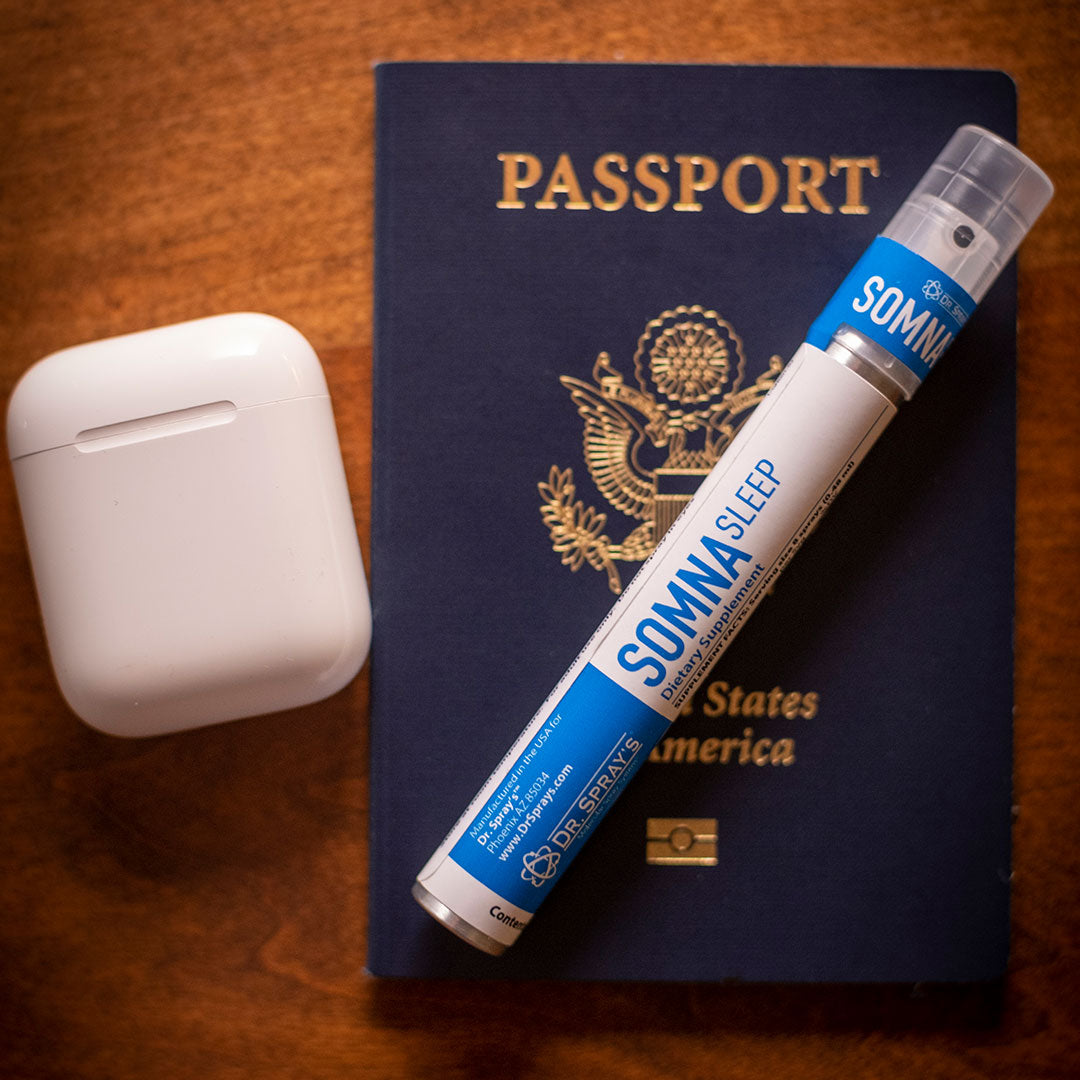
Many families in Phoenix, Arizona and beyond have found success incorporating calming supplements into their evening routine. A sleep-supporting vitamin spray can be administered as part of the bedtime routine, helping signal to your child's body that it's time to wind down.
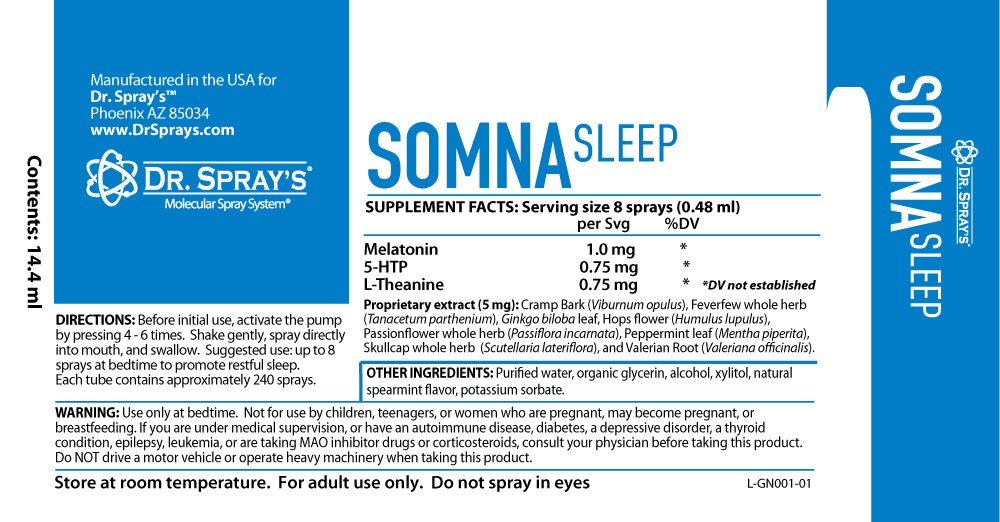
Unlike pills or gummies that can be difficult for young children, an oral spray vitamin delivers nutrients quickly and efficiently. Products formulated specifically for sleep support often contain natural ingredients like melatonin, valerian root, and chamomile.
Gradual Transition Strategies
Abrupt changes rarely work with five-year-olds. Instead, implement gradual transitions that build confidence over time.
The Chair Method
Start by sitting in a chair next to your child's bed until they fall asleep. Every few nights, move the chair slightly farther from the bed, gradually moving toward the door. Eventually, you'll be sitting outside the room, then checking in periodically, then not at all.
This method works because it gives your child the security of your presence while slowly building their independence. The process typically takes 2-3 weeks but results in lasting change.
The "Bedtime Pass" System
Give your child one or two "passes" they can use each night to call you back for a legitimate need (water, bathroom, one more hug). Once they've used their passes, they understand that's it for the night. This system gives them some control while setting clear boundaries.
Reward Charts and Positive Reinforcement
Create a visual chart where your child earns stickers for successful independent sleep nights. After accumulating a certain number of stickers, they earn a small reward. Focus on effort rather than perfection—even staying in bed until a specific time counts as success.
The Role of Nutrition in Supporting Sleep
Proper nutrition plays a fundamental role in sleep quality, yet it's often overlooked when addressing sleep challenges.
Key Vitamins for Sleep Support
Vitamin D3: Research shows that vitamin D deficiency correlates with sleep disorders in children. Vitamin D receptors in the brain regulate sleep-wake cycles. A vitamin D3 spray can help ensure your child maintains adequate levels, especially during winter months or in regions with limited sun exposure.
B Vitamins: The B vitamin complex, particularly B6 and B12, supports the production of serotonin and melatonin—hormones essential for regulating sleep. Children with B vitamin deficiencies may experience difficulty falling asleep or maintaining sleep throughout the night. A vitamin B12 spray provides easy supplementation for children who may have dietary gaps.
Magnesium: This mineral acts as a natural relaxant, calming the nervous system and preparing the body for sleep. Many children don't get adequate magnesium from diet alone.
Why Spray Supplements Work Well for Children
Traditional pills can be difficult for young children to swallow, and gummies often contain high amounts of sugar that can actually interfere with sleep. Oral spray vitamins offer several advantages:
- Easy administration—no swallowing pills required
- Fast absorption through the oral mucosa (up to 90% absorption rate)
- No added sugars or artificial fillers
- Can be incorporated naturally into bedtime routine
- Precise dosing without the mess of liquid vitamins
Quality matters when selecting spray supplements. Look for products manufactured in FDA-registered, GMP-certified facilities that use pure, effective ingredients without unnecessary additives.
Addressing Common Setbacks
Even with the best strategies in place, you'll likely encounter challenges along the way.
Night Wakings and Middle-of-the-Night Visits
When your child comes to your room in the middle of the night, calmly and quietly walk them back to their bed with minimal interaction. Don't engage in conversation or turn on bright lights. Consistency here is crucial—every time you allow them to stay in your bed, you reset the progress.
Illness or Travel Disruptions
When routine gets disrupted by travel or illness, it's natural to revert to old patterns. Plan for this and don't consider it failure. Once the disruption passes, immediately return to your established routine. Your child will bounce back faster than you might expect.
Regression Periods
Sometimes children who've been sleeping well independently suddenly regress. Look for underlying causes like stress at school, changes at home, or growth spurts that might be affecting sleep. Address the root cause rather than abandoning your sleep independence goals.
Supporting Overall Sleep Health
Beyond the specific goal of sleeping alone, focus on comprehensive sleep health.
Daytime Activity Matters
Ensure your child gets adequate physical activity during the day. Children who are physically tired sleep better than those who've been sedentary. Aim for at least an hour of active play daily, preferably outdoors where they also benefit from natural sunlight exposure that supports healthy circadian rhythms.
Limit Screen Time
The blue light from screens suppresses melatonin production, making it harder to fall asleep. Implement a "screens off" rule at least one hour before bedtime. Replace screen time with calming activities like reading or quiet play.
Manage Evening Nutrition
Avoid heavy meals, sugar, and caffeine (including chocolate) in the hours before bed. Instead, offer a light snack if needed, such as a banana or small serving of whole grain crackers with nut butter, which provide sleep-supporting nutrients like tryptophan and complex carbohydrates.
This is also the ideal time to administer any spray supplements your child takes for sleep support, creating a consistent signal that bedtime is approaching.
When to Seek Professional Help
Most children respond well to consistent routines and gradual transition strategies, but some situations warrant professional guidance.
Consider consulting your pediatrician or a pediatric sleep specialist if:
- Your child shows signs of a sleep disorder like sleep apnea (snoring, gasping, pauses in breathing)
- Extreme anxiety or fear prevents sleep despite weeks of consistent effort
- Sleep issues significantly impact daytime functioning, mood, or development
- Your child experiences frequent nightmares or night terrors
- You suspect underlying health issues affecting sleep quality
Healthcare providers can assess whether medical conditions, anxiety disorders, or nutritional deficiencies require specific treatment beyond behavioral strategies.
Long-Term Benefits of Independent Sleep
The effort invested in teaching your five-year-old to sleep independently pays dividends for years to come.
Children who sleep independently typically:
- Develop better self-soothing skills they'll use throughout life
- Experience higher quality, more restorative sleep
- Show improved daytime behavior and emotional regulation
- Build confidence and independence in other areas
- Allow parents to get better rest, improving overall family dynamics
Remember that every child develops at their own pace. What works for one family may need adjustment for another. Stay patient, remain consistent, and celebrate small victories along the way.
Frequently Asked Questions
How long does it typically take for a five-year-old to adjust to sleeping alone?
Most children adapt to sleeping independently within 2-4 weeks when parents implement consistent strategies. However, this timeline varies based on the child's temperament, previous sleep habits, and how consistently the routine is maintained. Some children adjust in days, while others may need 6-8 weeks. The key is maintaining consistency even when you don't see immediate results.
Should I let my five-year-old cry it out if they resist sleeping alone?
The "cry it out" method is generally not recommended for five-year-olds who can communicate verbally. Instead, use gradual transition methods that provide reassurance while building independence. Validate your child's feelings ("I know it feels scary") while maintaining boundaries ("but you're safe in your bed, and I'm right here"). This approach respects their emotions while still working toward the goal.
Can vitamin deficiencies really affect my child's sleep?
Yes, research demonstrates clear connections between certain vitamin deficiencies and sleep disturbances. Vitamin D deficiency has been linked to both difficulty falling asleep and frequent night wakings. B vitamins play crucial roles in melatonin production, and magnesium deficiency can cause restlessness and difficulty maintaining sleep. If your child has persistent sleep issues, discussing nutritional status with your pediatrician is worthwhile.
Are sleep spray supplements safe for five-year-olds?
Sleep-supporting spray supplements formulated for children and used according to directions are generally safe. However, always consult your pediatrician before starting any supplement regimen. Choose products manufactured in FDA-registered facilities with quality certifications. Doctor-developed sleep spray formulations designed specifically for sleep support offer a safer alternative to over-the-counter sleep medications.
What's better for kids—vitamin spray or traditional pills?
For young children, vitamin spray offers several advantages over pills. Most five-year-olds struggle to swallow pills safely, and forcing them creates stress. Oral spray vitamins provide superior absorption (up to 90% compared to 10-20% for many pills), work quickly, and eliminate choking risks. They're also easier to administer as part of a bedtime routine without the struggle that often accompanies pill-taking.
My child sleeps fine alone but wakes up and comes to my bed every night. What should I do?
Middle-of-the-night visits require the same consistency as initial bedtime. When your child appears, calmly walk them back to their bed with minimal interaction—no conversation, no lights, no engaging. Do this every single time, no matter how tired you are. Most children stop this behavior within a week or two when they learn it doesn't result in sleeping in your bed. A B12 vitamin spray taken earlier in the day may help support more continuous sleep cycles.
Should I use a nightlight or keep the room completely dark?
This depends on your child's preferences. Complete darkness promotes optimal melatonin production, but if your child fears the dark, a dim, warm-toned nightlight is perfectly fine. Avoid bright lights or blue-spectrum lights that can interfere with sleep. Red or amber nightlights work best as they don't suppress melatonin production as much as other colors.
How do I handle bedtime when traveling or during disruptions to routine?
Bring familiar sleep items (special blanket, stuffed animal, pillowcase) to create consistency in new environments. Maintain your bedtime routine as much as possible, even if timing shifts slightly. When you return home, immediately resume your regular routine. Expect some regression, but don't abandon your strategies—your child will readjust more quickly if you remain consistent.
Is co-sleeping inherently bad, or is it just a preference?
Co-sleeping is a personal family choice, and there's no single "right" approach. However, by age five, most child development experts recommend children sleep independently to support developmental milestones around autonomy and self-soothing. If co-sleeping works for your family and everyone sleeps well, there's no urgent need to change. However, if sleep quality suffers or you're ready for a change, five is an appropriate age to transition to independent sleep.
Take Action: Support Your Child's Sleep Success
Teaching your five-year-old to sleep independently requires patience, consistency, and the right support systems. By creating an optimal sleep environment, establishing predictable routines, and ensuring proper nutrition, you give your child the foundation they need for healthy, independent sleep.
Nutritional support can make a meaningful difference in this transition. If your child struggles with falling asleep or maintaining sleep throughout the night, consider whether nutritional gaps might be contributing to the challenge.
Explore our selection of doctor-developed vitamin sprays formulated for optimal absorption and effectiveness. Our sleep support spray contains natural ingredients that work with your child's body to promote restful sleep, while our vitamin D3 spray and B12 spray support overall health and healthy sleep-wake cycles.
All DrSprays products are manufactured in our FDA-registered, GMP-certified facility in Phoenix, Arizona, ensuring the highest quality standards. With up to 90% absorption rates, our oral spray vitamins deliver the nutrients your child needs without pills, without mess, and without the struggle.
Ready to support your child's sleep journey? Browse our full collection or learn more about how vitamin sprays work to deliver superior nutritional support.
Remember, every child is unique. While these strategies work for most families, always consult your pediatrician about persistent sleep issues or before starting any supplement regimen. Sweet dreams are within reach—stay consistent, stay patient, and celebrate every small victory along the way.