Sleep challenges with one-year-olds rank among the most common concerns parents face. At this developmental stage, your toddler experiences significant cognitive, physical, and emotional growth that can dramatically impact sleep patterns. Understanding these changes and implementing evidence-based strategies can transform nighttime from a battle into a peaceful routine.
This comprehensive guide explores the science behind toddler sleep, practical implementation strategies, and nutritional factors that support healthy rest patterns—including how targeted supplementation through advanced delivery methods can address common deficiencies affecting sleep quality.
Understanding Your One-Year-Old's Sleep Needs
One-year-olds require approximately 11-14 hours of total sleep within a 24-hour period, typically divided between nighttime sleep (10-12 hours) and one or two daytime naps (2-3 hours combined). However, these are guidelines rather than rigid rules—individual children may need slightly more or less depending on their unique physiology and activity levels.
At this age, your child's brain undergoes remarkable development. They're processing new motor skills, language acquisition, and social interactions, all of which can create sleep disruptions as their minds work to consolidate these experiences during rest periods.
Common Sleep Disruptions at Twelve Months
Several factors contribute to sleep challenges during this developmental window:
- Separation anxiety: Peak separation anxiety typically occurs between 10-18 months, making bedtime particularly difficult as your child resists being apart from you
- Nap transitions: Many one-year-olds shift from two naps to one during this period, temporarily disrupting their overall sleep architecture
- Developmental milestones: Learning to walk, climb, or communicate creates excitement that can interfere with settling down
- Teething discomfort: Molars often emerge around this age, causing pain that disrupts sleep
- Increased independence: Your toddler's growing autonomy often manifests as bedtime resistance
Creating an Optimal Sleep Environment
The physical sleep environment significantly influences your one-year-old's ability to fall asleep and stay asleep throughout the night. Small adjustments can yield substantial improvements.
Temperature and Lighting
Research consistently shows that cooler room temperatures (between 68-72°F) promote better sleep quality. The body's natural circadian rhythm includes a slight temperature drop during sleep onset, and a cooler environment facilitates this process.
Darkness is equally critical. Even small amounts of light can suppress melatonin production, the hormone that regulates sleep-wake cycles. Install blackout curtains or shades to create complete darkness, particularly important during summer months when daylight extends into evening hours.
Sound Considerations
White noise machines can effectively mask household sounds and create consistent audio environments that support continuous sleep. However, keep volume moderate—approximately 50 decibels, similar to a quiet conversation—and position devices at least seven feet from the crib to protect developing hearing.
Safety and Comfort
Maintain a clutter-free sleep space with a firm mattress and fitted sheet only. Remove pillows, blankets, stuffed animals, and bumper pads, which pose suffocation risks. If your child needs comfort, consider a small lovey or transitional object once they're past twelve months and can move objects away from their face independently.
Establishing Consistent Sleep Routines
Predictability provides security for one-year-olds. A consistent bedtime routine signals the body that sleep approaches, triggering physiological changes that facilitate rest.
The Power of Routine Timing
Begin your bedtime routine at the same time each evening, ideally when your child shows early tiredness signs (eye rubbing, decreased activity, fussiness) but before overtiredness sets in. Overtired children release cortisol, a stress hormone that actually makes falling asleep more difficult despite appearing exhausted.
Your routine should last 20-30 minutes and include calming activities in a specific sequence. This might include:
- Bath time with warm water
- Gentle massage or lotion application
- Pajama dressing
- Quiet reading or lullabies
- Dimmed lights and final goodnight routine
Bridging Activities
Include transitional activities that gradually decrease stimulation. Avoid screens entirely during the hour before bed—the blue light emitted by devices suppresses melatonin production and can delay sleep onset by up to an hour.
Instead, focus on tactile and auditory experiences: reading board books, singing gentle songs, or practicing simple breathing exercises (even one-year-olds can learn to take deep breaths when you model the behavior).
Nutritional Foundations for Healthy Sleep
What your one-year-old consumes throughout the day significantly impacts nighttime sleep quality. Several nutrients play direct roles in sleep regulation and circadian rhythm function.
Vitamin D and Sleep Regulation
Vitamin D influences sleep quality through multiple pathways. This essential nutrient affects the production of serotonin, a neurotransmitter that converts to melatonin during evening hours. Research indicates that vitamin D deficiency correlates with increased sleep disturbances, shorter sleep duration, and poorer sleep quality across all age groups.
One-year-olds need approximately 600 IU of vitamin D daily, yet deficiency remains surprisingly common, particularly in northern climates, during winter months, or among children with darker skin pigmentation who require more sun exposure to synthesize adequate vitamin D.
Traditional supplementation methods pose challenges for toddlers—pills are choking hazards, and liquid drops often taste unpleasant, leading to administration difficulties. Advanced vitamin D3 spray delivery systems offer superior solutions, providing precise dosing in a format that bypasses digestive processing for enhanced absorption.
B Vitamins and Sleep-Wake Cycles
B-complex vitamins, particularly B6 and B12, play crucial roles in neurotransmitter production and regulation. Vitamin B12 specifically influences melatonin secretion and helps maintain healthy circadian rhythms.
While most children obtain sufficient B vitamins through diet, certain factors can increase deficiency risk: limited dietary variety, digestive absorption issues, or following plant-based diets (B12 occurs naturally only in animal products).
When supplementation becomes necessary, absorption efficiency matters significantly. Vitamin B12 spray formulations deliver nutrients directly through oral mucosa, achieving absorption rates up to 90%—substantially higher than traditional tablets or capsules that must survive harsh stomach acid before absorption in the small intestine.
Magnesium's Calming Effects
Magnesium supports hundreds of biochemical reactions in the body, including those that promote relaxation and sleep. This mineral helps regulate GABA, a neurotransmitter that calms nervous system activity. Adequate magnesium intake correlates with improved sleep quality and reduced nighttime awakenings.
Dietary sources include whole grains, leafy greens, beans, and nuts (in age-appropriate forms). For children who struggle to consume these foods consistently, targeted supplementation may provide benefits.
Addressing Common Sleep Training Approaches
Sleep training encompasses various methods designed to help children develop independent sleep skills. No single approach works universally—families must consider their child's temperament, parenting philosophy, and practical constraints when selecting strategies.
Graduated Extinction ("Ferber Method")
This approach involves putting your child to bed awake and returning at progressively longer intervals to provide brief reassurance without picking them up. The first night, you might check after 3 minutes, then 5, then 10. Subsequent nights extend these intervals.
Research demonstrates effectiveness for many families, with most children showing significant improvement within 3-7 days. However, this method requires consistency and can prove emotionally challenging for parents who struggle hearing their child cry, even temporarily.
Chair Method
The chair method involves sitting beside your child's crib until they fall asleep, then gradually moving the chair farther from the crib over successive nights until you're eventually outside the room. This gentler approach may take longer but works well for children with intense separation anxiety or for parents who prefer maintaining closer proximity during the transition.
Pick-Up/Put-Down Method
When your child cries, you pick them up until calm, then immediately place them back in the crib while still awake. This process repeats as many times as necessary. While reassuring for parents who want immediate response to distress, this method can take weeks to show results and may prove physically exhausting.
Important Considerations
Before beginning any sleep training approach, ensure your child is healthy, not experiencing significant developmental leaps, and that basic needs (hunger, discomfort, illness) aren't causing nighttime waking. Consistency across all caregivers is essential—mixed messages confuse children and prolong the adjustment period.
The Role of Daytime Habits in Nighttime Sleep
Sleep doesn't exist in isolation—daytime activities, nutrition, and routines directly influence nighttime rest quality.
Physical Activity Requirements
One-year-olds need substantial physical activity to expend energy and build healthy sleep pressure throughout the day. The American Academy of Pediatrics recommends at least 30 minutes of structured physical activity plus several hours of unstructured active play daily.
Include outdoor time whenever possible. Natural light exposure, particularly in morning hours, helps regulate circadian rhythms and reinforces appropriate sleep-wake timing. Even on cold days, bundled outdoor walks provide valuable light exposure and sensory experiences.
Strategic Nap Timing
Nap timing significantly impacts nighttime sleep. Most one-year-olds thrive with either two shorter naps (one morning, one afternoon) or a single longer midday nap. The transition between these patterns typically occurs between 12-18 months and can temporarily disrupt nighttime sleep.
Avoid late afternoon naps, which can interfere with bedtime. If your child naps after 3:00 PM, they may not accumulate sufficient sleep pressure by evening, resulting in bedtime resistance or delayed sleep onset.
Meal Timing and Composition
Serve dinner 2-3 hours before bedtime to allow adequate digestion. Include complex carbohydrates, lean proteins, and healthy fats that provide sustained energy release rather than blood sugar spikes and crashes that can cause nighttime waking.
Many parents offer a small bedtime snack—perhaps whole grain crackers with nut butter or a banana—to ensure their child isn't genuinely hungry during the night. However, avoid creating dependencies on feeding as a sleep association if you're working toward independent sleep skills.
When Sleep Challenges Signal Deeper Issues
While many sleep difficulties reflect normal developmental phases, certain patterns warrant professional evaluation.
Signs Requiring Medical Consultation
Contact your pediatrician if your one-year-old experiences:
- Loud snoring, gasping, or pauses in breathing during sleep
- Persistent night sweats
- Extreme difficulty waking in the morning despite adequate sleep opportunity
- Excessive daytime sleepiness or frequent, unplanned naps
- Sleep disruptions accompanied by developmental regression
- Consistent nighttime waking after previously sleeping through the night for several months
Nutritional Deficiencies and Sleep
Undiagnosed nutritional deficiencies can manifest as sleep disturbances. Iron deficiency, for instance, associates with restless leg syndrome even in young children, causing uncomfortable sensations that disrupt sleep. Vitamin D insufficiency correlates with increased nighttime waking and shorter overall sleep duration.
If your child demonstrates persistent sleep challenges alongside other symptoms—excessive fatigue, irritability, poor growth, or frequent illness—discuss comprehensive nutritional assessment with your healthcare provider. Blood tests can identify specific deficiencies requiring targeted intervention.
When supplementation becomes necessary, delivery method matters substantially. Modern oral spray vitamins offer distinct advantages for toddlers: no choking risk, pleasant taste that encourages compliance, and superior absorption compared to traditional pills or liquids that must survive digestive processing. Products developed in FDA-registered, GMP-certified facilities in Phoenix, Arizona provide quality assurance that parents need when addressing their child's nutritional needs.
Managing Setbacks and Regression
Even after establishing solid sleep patterns, temporary disruptions occur. Understanding common triggers helps parents respond appropriately rather than abandoning strategies that previously worked.
Illness-Related Sleep Disruptions
When your one-year-old falls ill, prioritizing comfort over sleep training makes sense. Offer extra reassurance, adjust expectations, and focus on helping your child feel secure. Once health returns, resume previous routines—most children quickly re-establish good sleep habits after brief illness-related disruptions.
Travel and Schedule Changes
Travel, holidays, or schedule changes inevitably disrupt established routines. Maintain as many elements of your regular bedtime routine as possible, even in unfamiliar environments. Bring familiar items—sleep sack, favorite book, portable sound machine—that signal bedtime despite location changes.
Expect some regression, but implement your regular routine immediately upon returning home rather than waiting several days. Most children readjust within 2-3 nights if parents remain consistent.
Developmental Leaps
Major developmental milestones—learning to walk, experiencing language explosions, or mastering new cognitive skills—often coincide with temporary sleep regression. Your child's brain works overtime processing new information, sometimes causing nighttime restlessness or early waking.
These phases typically last 1-3 weeks. Maintain your established routines while offering extra patience and reassurance. Avoid creating new sleep associations (like rocking to sleep after weeks of independent settling) that you'll need to address once the developmental phase passes.
Building Long-Term Healthy Sleep Habits
The strategies you implement at age one create foundations for years of healthy sleep. Viewing sleep as a skill your child develops—rather than something that simply happens—shifts perspective and empowers consistent action.
Consistency Across Environments
Whenever possible, maintain similar sleep expectations across all caregiving environments. Communicate your approach to daycare providers, babysitters, and family members who regularly care for your child. While perfect consistency isn't always achievable, children adapt more easily when expectations remain relatively stable.
Adapting as Your Child Grows
Sleep needs evolve continuously throughout early childhood. What works perfectly at twelve months may require adjustment by eighteen months. Stay attuned to your child's cues—earlier or later tiredness signs, changing nap needs, or shifting wake times—and adjust routines accordingly rather than rigidly maintaining outdated schedules.
Supporting Overall Health
Sleep exists as one component of comprehensive health. Prioritizing balanced nutrition, adequate physical activity, emotional security, and appropriate healthcare creates synergistic effects that support quality sleep naturally.
For families in Phoenix, Arizona, and surrounding areas, accessing healthcare professionals who understand the interplay between nutrition, development, and sleep provides valuable support. When supplementation becomes part of your child's health regimen, choosing products manufactured locally in FDA-registered facilities ensures quality standards and supply chain transparency.
Practical Implementation: Your Seven-Day Plan
Transforming sleep patterns requires commitment and consistency. This seven-day framework provides structure while allowing flexibility for your family's unique needs.
Days 1-2: Assessment and Preparation
Track current patterns: bedtime, wake time, nap duration, nighttime wakings, and your responses. Identify specific issues requiring attention. Optimize the sleep environment—install blackout curtains, adjust temperature, remove clutter. Select your sleep training approach if pursuing formal methods.
Days 3-4: Implementation Begins
Launch your new bedtime routine at a consistent time. Expect resistance—this is normal and temporary. Remain calm and consistent regardless of your child's protests. Document what happens to identify patterns and progress.
Days 5-7: Building Consistency
Continue your established routine without variation. Most children begin showing improvement by day five if approaches remain consistent. Resist the urge to abandon your plan during difficult moments—consistency during this critical window determines long-term success.
Beyond Week One
After the initial week, continue your routine for at least three weeks to fully establish new patterns. Evaluate progress objectively—are bedtimes easier? Does your child fall asleep faster? Are nighttime wakings less frequent or shorter?
Adjust specific elements that aren't working while maintaining overall consistency. For example, you might shift bedtime fifteen minutes earlier if your child seems overtired, but continue the same routine sequence and response approach.
Understanding Individual Differences
Every child brings unique temperament and biological rhythms that influence sleep patterns. Some children naturally adapt quickly to changes, while others require extended transition periods. Neither pattern indicates problems—simply different neurological wiring.
High-Needs Children
Some one-year-olds demonstrate intense emotional responses, high sensitivity to environmental changes, and strong resistance to transitions. These children often require gentler sleep approaches, longer adjustment periods, and more parental presence during the learning process.
Rather than comparing your high-needs child to others who may adapt more quickly, focus on incremental progress. Small improvements—sleeping five minutes longer before calling out, settling slightly faster than the previous week—represent genuine success.
Easy Temperament Children
Children with naturally easy temperaments often adapt to sleep training quickly, sometimes within 2-3 days. While this feels rewarding for parents, remember that this reflects your child's innate disposition rather than superior parenting strategies.
Frequently Asked Questions
How long should I let my one-year-old cry during sleep training?
This depends on your chosen approach and comfort level. Graduated extinction methods involve checking at regular intervals (typically starting at 3-5 minutes and gradually extending), while pick-up/put-down methods involve immediate response. No credible evidence suggests that sleep training with periodic checks causes emotional harm when implemented with healthy, securely attached children. However, choose an approach that aligns with your parenting philosophy and that you can implement consistently.
Should I continue nighttime feedings for my one-year-old?
Most one-year-olds can sleep through the night nutritionally without feeding, assuming they consume adequate calories during daytime hours. However, some children genuinely need one nighttime feeding, particularly if they're smaller, highly active, or experiencing growth spurts. Consult your pediatrician to determine whether nighttime feedings serve nutritional purposes or have become habitual sleep associations.
Can vitamin deficiencies really cause sleep problems in toddlers?
Yes, research clearly demonstrates connections between specific nutrient deficiencies and sleep disturbances. Vitamin D deficiency correlates with decreased sleep duration and increased nighttime waking. Iron deficiency can cause restless leg syndrome, disrupting sleep quality. B vitamins influence neurotransmitter production that regulates sleep-wake cycles. If your child demonstrates persistent sleep difficulties despite behavioral interventions, discuss nutritional assessment with your healthcare provider.
What's better for supplementation—pills, liquids, or spray vitamins?
For young children, spray supplements offer distinct advantages. Traditional pills pose choking hazards for one-year-olds. Liquid vitamins often taste unpleasant and must survive digestive processing before absorption. Oral spray delivery provides precise dosing, pleasant taste that encourages compliance, and absorption rates up to 90% through direct uptake via oral mucosa. This makes spray formats particularly effective for addressing deficiencies that may impact sleep quality.
How do I handle early morning waking (before 6:00 AM)?
Early morning waking often results from going to bed overtired (counterintuitively), environmental factors (light, noise), or insufficient daytime sleep. Try moving bedtime 15-30 minutes earlier for one week—overtired children often wake earlier. Ensure the room remains completely dark until your desired wake time. Evaluate whether nap timing or duration requires adjustment. Respond consistently to early waking by treating it as nighttime rather than starting the day, encouraging your child to resettle if possible.
Should I use melatonin for my one-year-old?
The American Academy of Pediatrics does not recommend melatonin supplementation for most children, particularly young toddlers. Melatonin should never serve as a first-line approach for routine sleep difficulties. In rare cases, pediatricians may recommend melatonin for specific medical conditions affecting sleep, but this requires professional oversight. Focus first on optimizing sleep environment, routines, and addressing potential nutritional deficiencies affecting natural melatonin production.
Can I sleep train while my child is teething?
Mild teething discomfort typically doesn't prevent sleep training, though you may need to offer appropriate pain relief before bedtime. However, if your child experiences significant teething pain with fever or extreme irritability, postpone sleep training until symptoms subside. Once the acute phase passes, implement or resume your sleep strategies—children typically readjust quickly to established routines.
What if my partner and I disagree about sleep training approaches?
Parental consistency is crucial for success. Before beginning, discuss approaches thoroughly, addressing concerns and finding common ground. Review research together, consult your pediatrician, or work with a sleep consultant to develop a unified plan. If complete agreement isn't possible, identify the elements you can both support and implement those consistently rather than pursuing incompatible strategies simultaneously.
The Science Behind Spray Vitamin Technology
Understanding how nutrient delivery methods affect absorption helps parents make informed supplementation decisions when addressing sleep-related deficiencies.
Absorption Challenges with Traditional Supplements
Traditional oral supplements—tablets, capsules, or liquids—must survive harsh digestive processes before absorption. Stomach acid degrades many nutrients, while digestive enzymes further break down compounds. Only remaining molecules reach the small intestine for absorption into the bloodstream. This process can reduce bioavailability by 50-60% or more for certain nutrients.
For children with digestive sensitivities or inconsistent eating patterns that affect digestive enzyme production, absorption efficiency may decrease further, meaning that labeled supplement doses don't reflect actual nutrient delivery.
Oral Mucosa Absorption Advantages
Advanced vitamin spray delivery systems utilize the oral mucosa—the mucous membranes lining the mouth—as an absorption site. This tissue features rich capillary networks that allow direct nutrient transfer into the bloodstream, bypassing digestive degradation entirely.
Products developed in Phoenix, Arizona facilities using pharmaceutical-grade processes achieve absorption rates approaching 90%, ensuring that supplementation effectively addresses identified deficiencies. This efficiency matters particularly when targeting specific issues like sleep disturbances that may relate to inadequate vitamin D or B12 levels.
Practical Benefits for Parents
Beyond absorption advantages, spray formats offer practical benefits crucial for parents of toddlers. The delivery method eliminates choking concerns inherent with pills. Precise spray dosing prevents over- or under-supplementation. Pleasant flavors encourage child cooperation rather than battles over medication administration. These factors increase compliance, ensuring that supplementation protocols your healthcare provider recommends actually translate into consistent nutrient delivery.
Creating Your Family's Sleep Success Story
Improving your one-year-old's sleep requires patience, consistency, and evidence-based strategies tailored to your child's unique needs. While the process may challenge you initially, the long-term benefits—better rest for your child, improved family functioning, and establishment of healthy sleep foundations—make the effort worthwhile.
Remember that progress rarely follows a linear path. Expect good nights and difficult nights, steps forward and temporary setbacks. What matters is maintaining overall consistency in your approach while remaining flexible enough to adjust specific elements that aren't serving your family well.
When nutritional factors contribute to sleep challenges, addressing deficiencies through appropriate supplementation can provide the physiological support your child needs for quality rest. Modern delivery systems ensure that supplementation efforts translate into actual nutrient availability that supports the biochemical processes underlying healthy sleep-wake regulation.
Your pediatrician serves as your partner in navigating sleep challenges, particularly when underlying medical or nutritional issues may contribute to difficulties. Don't hesitate to seek professional guidance when sleep problems persist despite consistent intervention, or when you observe concerning symptoms beyond routine sleep resistance.
The investment you make now in establishing healthy sleep patterns pays dividends for years to come, supporting your child's physical growth, cognitive development, emotional regulation, and overall wellbeing. With informed strategies, appropriate support, and patient consistency, you can guide your one-year-old toward the restorative sleep they need to thrive.
Support Your Child's Sleep with Optimal Nutrition
If nutritional deficiencies are impacting your toddler's sleep quality, our doctor-developed vitamin sprays deliver essential nutrients with 90% absorption rates—far superior to traditional supplements. Manufactured in our FDA-registered, GMP-certified facility in Phoenix, Arizona, our products provide the quality and efficacy your family deserves.
Explore our sleep-supporting formulations:
- 🌙 Vitamin D3 Spray - Supports healthy sleep-wake cycle regulation
- ⚡ Vitamin B12 Spray - Aids neurotransmitter production for quality rest
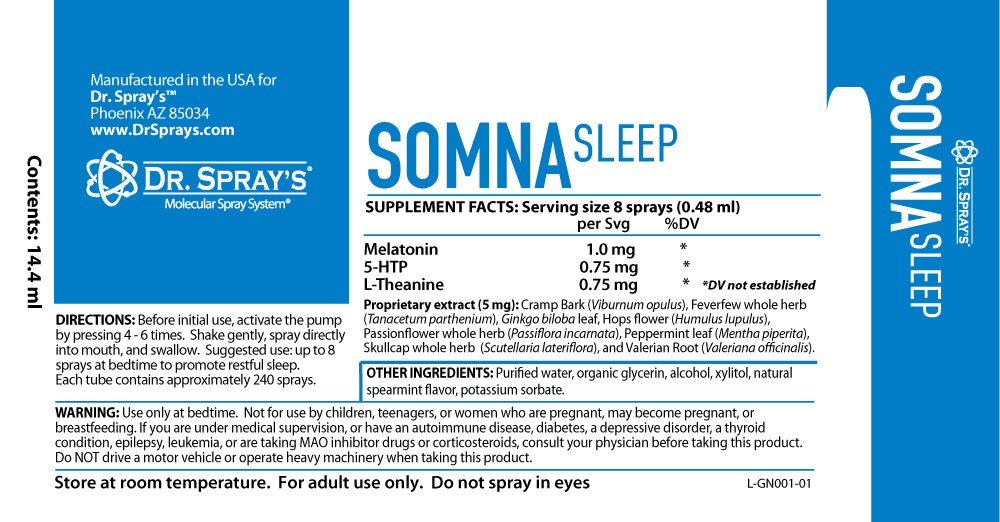
- 💤 Somna Sleep Spray - Natural sleep support for the whole family