If you're struggling with your two-year-old's bedtime routine, you're not alone. This developmental stage brings unique sleep challenges as toddlers assert their independence, experience separation anxiety, and navigate rapidly developing cognitive abilities. Understanding the underlying factors and implementing evidence-based strategies can transform chaotic bedtimes into peaceful transitions.
Understanding Two-Year-Old Sleep Patterns
At age two, children typically need 11-14 hours of total sleep in a 24-hour period, including one daytime nap. However, individual needs vary considerably. The key challenge lies in their emerging autonomy—toddlers are learning they can say "no" and resist routines, making bedtime a natural testing ground for boundaries.
Developmental milestones also impact sleep quality. Two-year-olds are experiencing language explosions, improving motor skills, and developing social-emotional awareness. These cognitive leaps can make it harder for their brains to "shut down" at night, leading to resistance, night wakings, or early morning wake-ups.
Common Sleep Disruptions at This Age
- Separation anxiety: Increased awareness of being separate from caregivers can trigger bedtime protests
- Developmental regressions: New skills like potty training or transitioning to a toddler bed can temporarily disrupt established patterns
- Nightmares and night terrors: Imagination develops rapidly, sometimes creating sleep disturbances
- Overtiredness: Paradoxically, being too tired makes it harder for toddlers to fall asleep
- Nutritional deficiencies: Inadequate levels of certain vitamins and minerals can affect sleep quality
Establishing a Consistent Bedtime Routine
Predictability is essential for two-year-olds. A consistent routine signals to their body and brain that sleep time is approaching, activating natural relaxation responses. Your routine should start at the same time each evening and follow the same sequence of activities.
Effective Bedtime Routine Components
Begin your routine 30-45 minutes before desired sleep time. Start with a transition activity that signals the day is ending—perhaps tidying toys together or dimming household lights. Follow with calming activities in this general sequence:
- Bath time: Warm water naturally lowers body temperature afterward, promoting sleepiness
- Pajamas and hygiene: Tooth brushing and getting dressed for bed become part of the wind-down
- Quiet time: Reading books, singing lullabies, or gentle conversation
- Cuddle time: Physical closeness and reassurance before transitioning to independent sleep
- Final goodnight: A consistent phrase or ritual that signals you're leaving the room
The specific activities matter less than the consistency. If your toddler knows exactly what to expect, they feel more secure and less likely to resist.
Optimizing the Sleep Environment
Your two-year-old's bedroom should be a sleep sanctuary. Environmental factors significantly impact both the ability to fall asleep and sleep quality throughout the night.
Key Environmental Elements
Temperature control: Keep the room between 68-72°F. Toddlers sleep better in slightly cool environments. Dress your child in breathable sleepwear appropriate for the temperature—overheating is a common sleep disruptor.
Lighting: Use blackout curtains or shades to eliminate external light sources. Even small amounts of light can suppress melatonin production. A dim red or amber nightlight is acceptable if your child fears complete darkness, as these wavelengths don't interfere with sleep hormones as significantly as blue or white light.
Sound management: White noise machines can mask household sounds that might wake your toddler. Consistent background noise also becomes a sleep association that helps with both falling asleep and transitioning between sleep cycles.
Comfort objects: A special stuffed animal or blanket provides security and helps your child self-soothe during night wakings. Introduce these objects during happy daytime play so they become positively associated before bedtime use.
Addressing Bedtime Resistance and Tantrums
When your two-year-old fights sleep, staying calm and consistent is crucial. Bedtime battles often escalate when parents react with frustration or inconsistently enforce boundaries.
Strategies for Managing Resistance
Offer limited choices: Two-year-olds crave autonomy. Provide controlled options like "Would you like to read two books or three?" or "Should we wear the blue pajamas or the striped ones?" This gives them agency within your established structure.
Use positive language: Instead of "No more playing," try "It's time to read books now." Frame the transition toward the next activity rather than emphasizing what's ending.
Implement a visual schedule: Simple pictures showing the bedtime routine sequence help toddlers understand and anticipate what's coming next. You can create a chart together and let them move a marker through each step.
Stay boring and consistent: If your child gets out of bed, calmly return them without conversation or emotion. Repeat as many times as necessary. The key is making leaving the bed unrewarding—no entertainment, extended conversations, or visible frustration from you.
The Role of Nutrition in Toddler Sleep
What your two-year-old eats—and when—directly impacts sleep quality. Certain nutrient deficiencies can contribute to difficulty falling asleep, frequent night wakings, and early morning wake-ups.
Sleep-Supporting Nutrients
Vitamin D: Often called the "sunshine vitamin," vitamin D plays a crucial role in sleep regulation. Deficiency has been linked to shorter sleep duration and more frequent night wakings in young children. Since toddlers spend limited time outdoors and use sunscreen when they do, supplementation often becomes necessary. A vitamin D3 spray provides targeted support with superior absorption compared to traditional tablets.
B vitamins: The B-complex vitamins, particularly B6 and B12, support the production of serotonin and melatonin—neurotransmitters essential for sleep-wake cycle regulation. A vitamin B12 spray can help ensure adequate levels, especially if your toddler is a picky eater who avoids animal products.
Magnesium: This mineral promotes relaxation by regulating neurotransmitters and supporting the parasympathetic nervous system. Many children don't consume enough magnesium-rich foods like leafy greens, nuts, and whole grains.
Zinc: Adequate zinc levels support immune function and may play a role in sleep quality. Zinc deficiency can contribute to restless sleep patterns.
Timing and Type of Evening Foods
Offer dinner at least two hours before bedtime to allow for proper digestion. A small, sleep-promoting snack 30-60 minutes before bed can prevent hunger from disrupting sleep without causing discomfort. Good options include:
- Whole grain crackers with a small amount of nut butter
- Banana slices (rich in potassium and magnesium)
- Warm milk (contains tryptophan, a sleep-promoting amino acid)
- Oatmeal with a small amount of honey
Avoid sugary foods, caffeine (including chocolate), and heavy, high-fat meals close to bedtime as these can interfere with falling asleep and sleep quality.
Why Traditional Vitamins May Not Be Enough
Many parents diligently give their toddlers multivitamin gummies or chewables, yet nutrient deficiencies persist. The challenge often lies in absorption rather than intake. Traditional oral supplements must survive stomach acid, undergo hepatic metabolism, and navigate complex digestive processes before nutrients reach the bloodstream—a journey that can result in absorption rates as low as 10-20%.
Toddlers face additional challenges. Their developing digestive systems may not efficiently process pill-based supplements. Picky eating behaviors, food sensitivities, and occasional gastrointestinal issues further complicate nutrient absorption from both foods and traditional supplements.
The Spray Supplement Advantage
Oral spray vitamins offer a solution specifically designed to overcome these absorption barriers. By delivering nutrients directly into the mouth where they're absorbed through the mucous membranes, spray supplements bypass the digestive system entirely. This sublingual and buccal absorption can achieve uptake rates of 90% or higher—dramatically more efficient than pills or gummies.
For two-year-olds specifically, vitamin spray formats provide practical advantages beyond absorption. There's no choking hazard, no struggle to swallow pills, and no reliance on cooperation to chew thoroughly. A quick spray becomes seamlessly incorporated into your bedtime routine—perhaps right after tooth brushing.
Developed by healthcare professionals and manufactured in an FDA-registered, GMP-certified facility in Phoenix, Arizona, DrSprays products offer targeted nutritional support with pharmaceutical-grade quality standards. The precise metering of spray delivery ensures consistent dosing, while the pleasant taste makes administration easier for parents of particular toddlers.
Managing Daytime Factors That Impact Night Sleep
Successful bedtimes begin long before the evening routine starts. Daytime activities, nap timing, and physical activity levels all influence your two-year-old's ability to fall asleep at night.
Optimizing Nap Schedule
Most two-year-olds still need one afternoon nap lasting 1-2 hours. However, the timing matters significantly. A nap that ends too late in the afternoon will interfere with nighttime sleep onset. As a general rule, ensure the nap ends at least 4-5 hours before bedtime.
Watch for signs your child is transitioning away from napping (though this typically happens closer to age three). If bedtime becomes increasingly difficult despite a consistent routine, the afternoon nap may need shortening or earlier timing.
Physical Activity and Outdoor Time
Two-year-olds need substantial physical activity—at least 60 minutes of active play daily, ideally spread throughout the day. Running, climbing, dancing, and other gross motor activities help expend energy and promote better sleep. However, avoid vigorous activity in the hour before bedtime as this can be overstimulating.
Outdoor time provides the additional benefit of natural light exposure, which helps regulate circadian rhythms. Morning and early afternoon outdoor play is particularly beneficial for reinforcing healthy sleep-wake cycles.
Screen Time Considerations
The American Academy of Pediatrics recommends limiting screen time for two-year-olds to one hour per day of high-quality programming, viewed with a parent who helps contextualize the content. However, for sleep purposes, eliminating screens at least two hours before bedtime is ideal.
The blue light emitted by screens suppresses melatonin production, making it harder to fall asleep. Additionally, the stimulating content can make it difficult for toddlers' brains to transition into a calm, sleep-ready state.
When to Seek Professional Help
While many toddler sleep challenges resolve with consistent routines and environmental optimization, some situations warrant professional evaluation. Consider consulting your pediatrician if:
- Your child consistently takes more than an hour to fall asleep despite a solid routine
- Night wakings occur more than 2-3 times per night or last longer than 15-20 minutes
- You observe signs of sleep-disordered breathing (snoring, gasping, mouth breathing, or pauses in breathing)
- Extreme bedtime resistance persists for more than two weeks despite consistent boundaries
- Your child seems excessively tired during the day despite adequate sleep opportunity
- Behavioral issues, developmental concerns, or growth problems accompany sleep difficulties
Sleep issues can sometimes indicate underlying medical conditions such as sleep apnea, restless leg syndrome, or nutrient deficiencies requiring targeted intervention. Your healthcare provider can evaluate for these conditions and recommend appropriate treatment.
Creating Sustainable Sleep Habits
Remember that sleep training isn't a one-time event but an ongoing process. Your two-year-old will experience regressions during illness, travel, developmental leaps, or family changes. Maintaining consistency during stable periods creates a foundation you can return to after disruptions.
Celebrate small victories. If bedtime takes 45 minutes instead of 90, that's progress. If your child only called out twice instead of ten times, you're moving in the right direction. Sustainable change happens incrementally.
Supporting Your Own Well-being
Parenting a two-year-old through sleep challenges is exhausting. Ensure you're caring for your own sleep needs, nutrition, and stress management. When parents are depleted, consistency becomes difficult to maintain, and small setbacks feel overwhelming.
Consider whether your own nutritional status might benefit from support. Adult formulations of spray supplements can help ensure you have the energy and resilience needed for consistent parenting during this demanding phase.
Frequently Asked Questions
How long should it take my two-year-old to fall asleep?
Most two-year-olds should fall asleep within 15-30 minutes of lights out when they have adequate sleep pressure (haven't napped too late or too long) and a consistent routine. If it regularly takes longer than 45 minutes, evaluate whether bedtime might be too early, the afternoon nap needs adjustment, or environmental factors need optimization.
Is it normal for two-year-olds to wake up during the night?
Brief night wakings are normal as children transition between sleep cycles. The goal isn't eliminating all wakings but teaching your child to self-soothe back to sleep. If your toddler calls out or comes to your room multiple times nightly, they may need help developing independent sleep skills. Ensure they're not hungry, uncomfortable, or frightened, then consistently and calmly return them to bed with minimal interaction.
What should I do if my two-year-old keeps getting out of bed?
Return them to bed immediately and calmly, without conversation or emotion. Use a neutral phrase like "It's bedtime" and leave the room. Repeat as many times as necessary. Consistency is key—if you sometimes allow them to stay up, you're intermittently reinforcing the behavior, making it harder to extinguish. Consider a toddler-safe gate in the doorway if physical boundaries help establish expectations.
Can vitamin deficiencies really affect my toddler's sleep?
Yes, research shows that deficiencies in vitamin D, B vitamins, magnesium, and zinc can all impact sleep quality, duration, and the ability to fall asleep. Picky eating habits common in two-year-olds make these deficiencies more likely. If your child struggles with sleep despite solid routines and good sleep hygiene, discussing vitamin levels with your pediatrician can be worthwhile. Spray supplements offer an absorption-optimized delivery method that may be more effective than traditional toddler vitamins.
Should I give my two-year-old melatonin supplements?
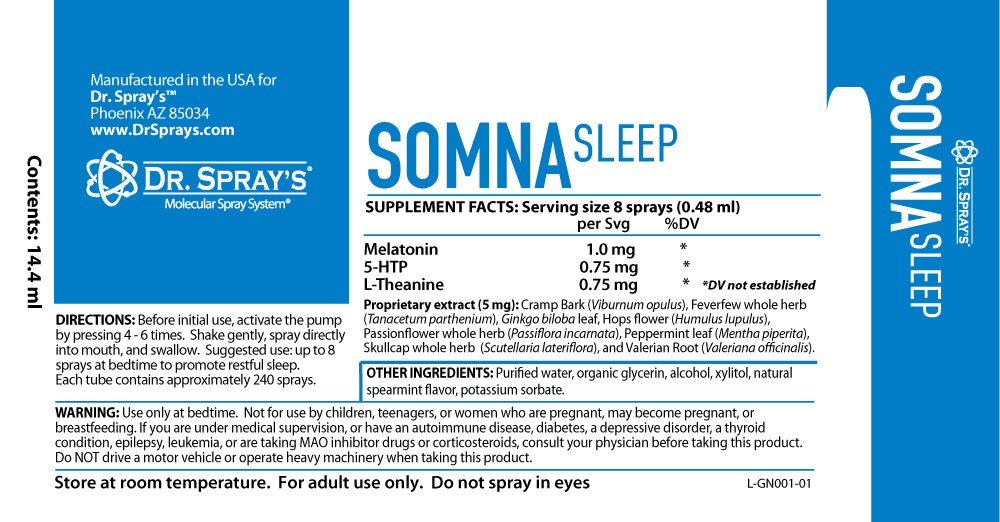
Melatonin supplementation in young children should only be considered under medical guidance. While melatonin can be helpful for specific sleep disorders, behavioral approaches should be the first-line treatment for typical toddler sleep resistance. If you're considering melatonin, consult your pediatrician first. Supporting the body's natural melatonin production through adequate vitamin D, B vitamins, and proper sleep hygiene is often more appropriate for this age group.
How do I know if my child is getting enough sleep?
Well-rested two-year-olds wake up independently or easily in the morning, maintain relatively stable moods throughout the day (accounting for normal toddler emotions), don't fall asleep in the car during short trips, and can go through the day without major meltdowns triggered by tiredness. If your child seems excessively cranky, hyperactive, or has frequent emotional dysregulation, sleep insufficiency might be contributing.
When will my two-year-old's sleep improve?
With consistent routines and appropriate boundaries, most families see meaningful improvement within 1-2 weeks. However, this age brings developmental changes that periodically disrupt even established patterns. Sleep generally becomes easier and more predictable as children approach age three and their capacity for self-regulation improves. The consistency you establish now creates habits that will serve your family for years.
Taking Action for Better Sleep
Helping your two-year-old develop healthy sleep habits requires patience, consistency, and a multifaceted approach. By establishing predictable routines, optimizing the sleep environment, addressing nutritional factors, and maintaining calm, consistent boundaries, you can transform bedtime from a battle into a peaceful transition.
Remember that every child is unique. What works for one family may need adjustment for yours. Pay attention to your child's individual cues and responses, and don't hesitate to seek professional guidance when needed.
Support Your Toddler's Sleep With Optimized Nutrition
If you suspect nutritional gaps might be affecting your two-year-old's sleep quality, consider the advantages of spray supplement delivery. With 90% absorption rates, pharmaceutical-grade ingredients, and toddler-friendly formats, DrSprays products offer targeted nutritional support manufactured right here in Phoenix, Arizona.
Our Vitamin D3 Spray supports healthy sleep-wake cycles, while our Multi-Vitamin Spray provides comprehensive nutritional support for growing toddlers. All products are doctor-developed and produced in our FDA-registered, GMP-certified facility to ensure quality and safety.
Explore our complete line of spray supplements and discover how optimized nutrient delivery can support your family's health and well-being. Better absorption means better results—helping you and your two-year-old get the restful sleep you both need.