Getting an 11-year-old to sleep quickly can feel like an impossible task for many parents. Between increased homework demands, social pressures, early puberty changes, and the temptation of screens, pre-teens often struggle to wind down at bedtime. If your child is tossing and turning for hours each night, you're not alone—and there are effective solutions.
This comprehensive guide explores science-backed strategies to help your 11-year-old fall asleep faster, including proper sleep hygiene, relaxation techniques, nutritional support, and when to seek professional help.
Understanding Sleep Needs for 11-Year-Olds
Before addressing sleep problems, it's important to understand what normal sleep looks like for this age group. The American Academy of Pediatrics recommends that children ages 6-12 get 9-12 hours of sleep per night. For most 11-year-olds, this means 10-11 hours is ideal.
At this developmental stage, children experience significant physical and cognitive changes. Their bodies are preparing for the growth spurts of adolescence, their brains are developing rapidly, and they're navigating increasingly complex social situations. Quality sleep isn't optional—it's essential for their development, academic performance, emotional regulation, and overall health.
Common Sleep Challenges at Age 11
Pre-teens face unique sleep obstacles:
- Delayed sleep phase: Natural circadian rhythms begin shifting toward later bedtimes as children approach adolescence
- Academic pressure: Increased homework and extracurricular activities extend evening schedules
- Screen time: Access to phones, tablets, and gaming devices disrupts natural sleep-wake cycles
- Social anxiety: Worries about friendships, school performance, and fitting in can cause bedtime rumination
- Hormonal changes: Early puberty affects sleep patterns and quality
- Reduced parental oversight: Older children often have more autonomy over bedtime routines
Create an Optimal Sleep Environment
The bedroom environment significantly impacts how quickly your child falls asleep. Small adjustments can make a substantial difference.
Temperature and Darkness
The ideal bedroom temperature for sleep is between 65-68°F (18-20°C). A room that's too warm interferes with the body's natural temperature drop that signals sleep time. Consider a programmable thermostat to automatically lower the temperature before bedtime.
Darkness is equally important. Light exposure—especially blue light from screens—suppresses melatonin production, the hormone that regulates sleep-wake cycles. Install blackout curtains or shades to block external light sources. Remove or cover LED displays from electronics, as even small lights can disrupt sleep.
Minimize Noise Disruption
Unexpected sounds can prevent falling asleep or cause nighttime awakenings. If your home has unavoidable noise (traffic, siblings, thin walls), consider a white noise machine or fan to create consistent background sound that masks disruptions.
Screen-Free Bedroom Policy
This is perhaps the most challenging but important environmental change. Establish a firm rule: no phones, tablets, or gaming devices in the bedroom. The bedroom should be associated exclusively with sleep, not entertainment or social connection.
Create a charging station in a common area where all devices "sleep" overnight. This eliminates the temptation to check messages, play games, or watch videos when your child should be sleeping.
Establish a Consistent Bedtime Routine
A predictable wind-down routine signals the brain that sleep is approaching. For 11-year-olds, this routine should begin 30-60 minutes before lights out.
Sample Evening Routine
- 8:00 PM - Screen shutdown: All electronic devices turned off and placed in charging station
- 8:00-8:15 PM - Preparation: Lay out tomorrow's clothes, pack backpack, check schedule
- 8:15-8:30 PM - Personal care: Shower or bath, brush teeth, change into pajamas
- 8:30-8:45 PM - Relaxation activity: Reading, journaling, quiet conversation, gentle stretching
- 8:45 PM - Lights out: In bed with lights dimmed or off
The specific timing should be adjusted based on your child's wake time and sleep needs, but the key is consistency. Weekends shouldn't vary by more than one hour from weeknight schedules, or it becomes difficult to fall asleep Sunday night.
Relaxation Techniques for Bedtime
Teaching your child specific relaxation methods gives them tools to quiet racing thoughts and physical restlessness:
4-7-8 Breathing: Inhale through the nose for 4 counts, hold for 7 counts, exhale through the mouth for 8 counts. Repeat 3-4 times. This technique activates the parasympathetic nervous system, promoting relaxation.
Progressive Muscle Relaxation: Starting with the toes, tense each muscle group for 5 seconds, then release. Move progressively upward through the body. This releases physical tension and redirects attention from worries.
Guided Imagery: Visualize a peaceful, detailed scene—a beach, forest, or favorite vacation spot. Engage all five senses in the imagination. This mental focus crowds out anxious thoughts.
Address Nutritional Factors That Affect Sleep
What your child eats and drinks throughout the day—and especially in the evening—directly impacts sleep quality and how quickly they fall asleep.
Timing of Meals and Snacks
Large meals should be finished at least 2-3 hours before bedtime. Digesting heavy foods diverts blood flow and energy, making it harder to relax into sleep. However, going to bed hungry can also prevent sleep, so a light snack 30-60 minutes before bed is appropriate if needed.
Good bedtime snack options include:
- Banana with a small handful of almonds
- Whole grain crackers with cheese
- Greek yogurt with berries
- Warm milk with honey
- Small bowl of oatmeal
Caffeine and Sugar Awareness
Many parents don't realize how much caffeine their children consume. Soda, energy drinks, chocolate, and even some medications contain caffeine. An 11-year-old's developing body metabolizes caffeine slowly—it can remain in the system for 5-7 hours.
Establish a "no caffeine after noon" rule. Be vigilant about hidden sources, including iced tea, hot chocolate, and coffee-flavored ice cream or desserts.
Similarly, sugar creates energy spikes and crashes that interfere with natural sleep rhythms. Limit sugary snacks and desserts in the evening hours.
Essential Nutrients for Sleep Support
Certain vitamins and minerals play crucial roles in sleep regulation. Deficiencies can make falling asleep more difficult.
Vitamin D3: Often called the "sunshine vitamin," vitamin D3 regulates circadian rhythms and influences sleep quality. Many children, especially those in northern climates or who spend most time indoors, are deficient. A vitamin D3 spray offers superior absorption compared to traditional pills, particularly for children who struggle with swallowing tablets.
Vitamin B12: This essential vitamin supports nervous system function and helps regulate sleep-wake cycles. B12 deficiency can cause difficulty falling asleep and reduced sleep quality. Vitamin B12 spray provides an easy, efficient delivery method with higher bioavailability than oral tablets.
Magnesium: This mineral activates neurotransmitters that calm the nervous system and prepare the body for sleep. Many children don't get adequate magnesium from diet alone. Food sources include leafy greens, nuts, seeds, and whole grains.
The Advantage of Spray Supplements
For children who have difficulty swallowing pills or whose digestive systems don't efficiently absorb nutrients, oral spray vitamins offer a practical solution. Unlike traditional supplements that must pass through the digestive system, spray supplements deliver nutrients through the oral mucosa, resulting in absorption rates up to 90%.
Products developed by healthcare professionals and manufactured in FDA-registered, GMP-certified facilities in Phoenix, Arizona ensure quality and safety. Spray supplements make it easy to address nutritional deficiencies that may be contributing to sleep difficulties.
Physical Activity and Exercise Timing
Regular physical activity significantly improves sleep quality and reduces the time it takes to fall asleep. Children who exercise regularly fall asleep faster and experience deeper, more restorative sleep.
However, timing matters. Vigorous exercise within 2-3 hours of bedtime can be counterproductive, as it increases core body temperature, heart rate, and alertness—all states incompatible with sleep. Schedule intense activities for morning or afternoon hours.
Gentle movement in the evening is beneficial. A family walk after dinner, light stretching, or beginner yoga poses can help transition the body toward rest without the stimulating effects of intense exercise.
Managing Stress and Anxiety
For many 11-year-olds, racing thoughts and worries are the primary obstacle to falling asleep quickly. School pressures, social concerns, family changes, and general uncertainty about the future can all manifest as bedtime anxiety.
Create a Worry Time
Designate a specific time earlier in the evening (not at bedtime) for your child to discuss worries, concerns, or problems. This might be during dinner or shortly after. Write down significant concerns and brainstorm solutions together.
When worries arise at bedtime, remind your child that "worry time" has passed and these concerns are already written down to address tomorrow. This mental boundary helps separate problem-solving from sleep time.
Journaling Practice
Encourage your child to keep a journal beside the bed. Before lights out, they can write down:
- Three things they're grateful for from the day
- One positive thing they're looking forward to tomorrow
- Any persistent worries (to "download" them from the mind)
This practice creates psychological closure on the day and redirects attention toward positive thoughts.
Limit News and Scary Content
Pre-teens are increasingly aware of world events, but exposure to frightening news stories, disturbing social media content, or scary movies before bed can trigger anxiety and nightmares. Establish boundaries around when and how much news content your child consumes.
Natural Sleep Support Options
When behavioral strategies need additional support, several natural options can help 11-year-olds fall asleep faster.
Melatonin: Benefits and Cautions
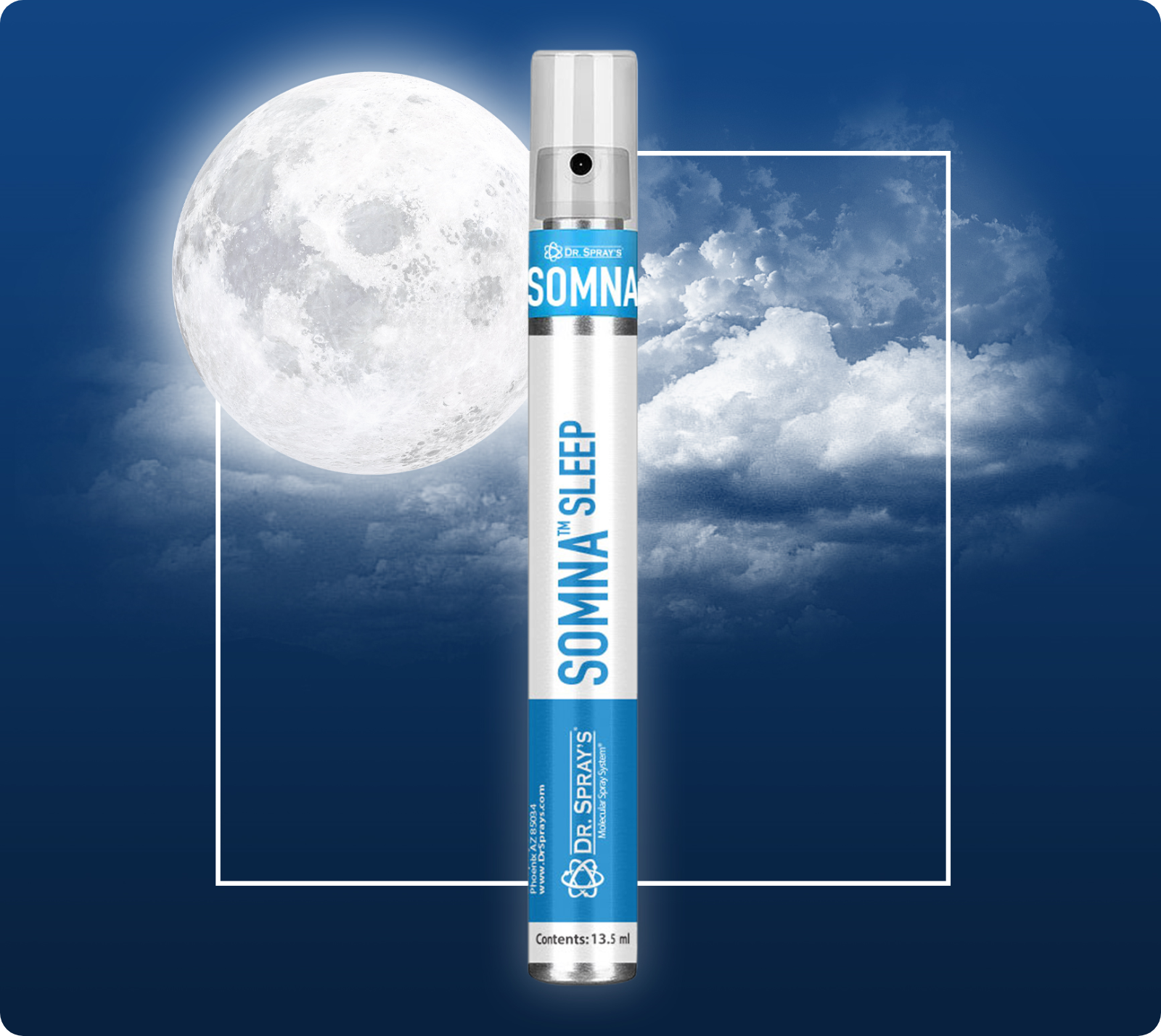
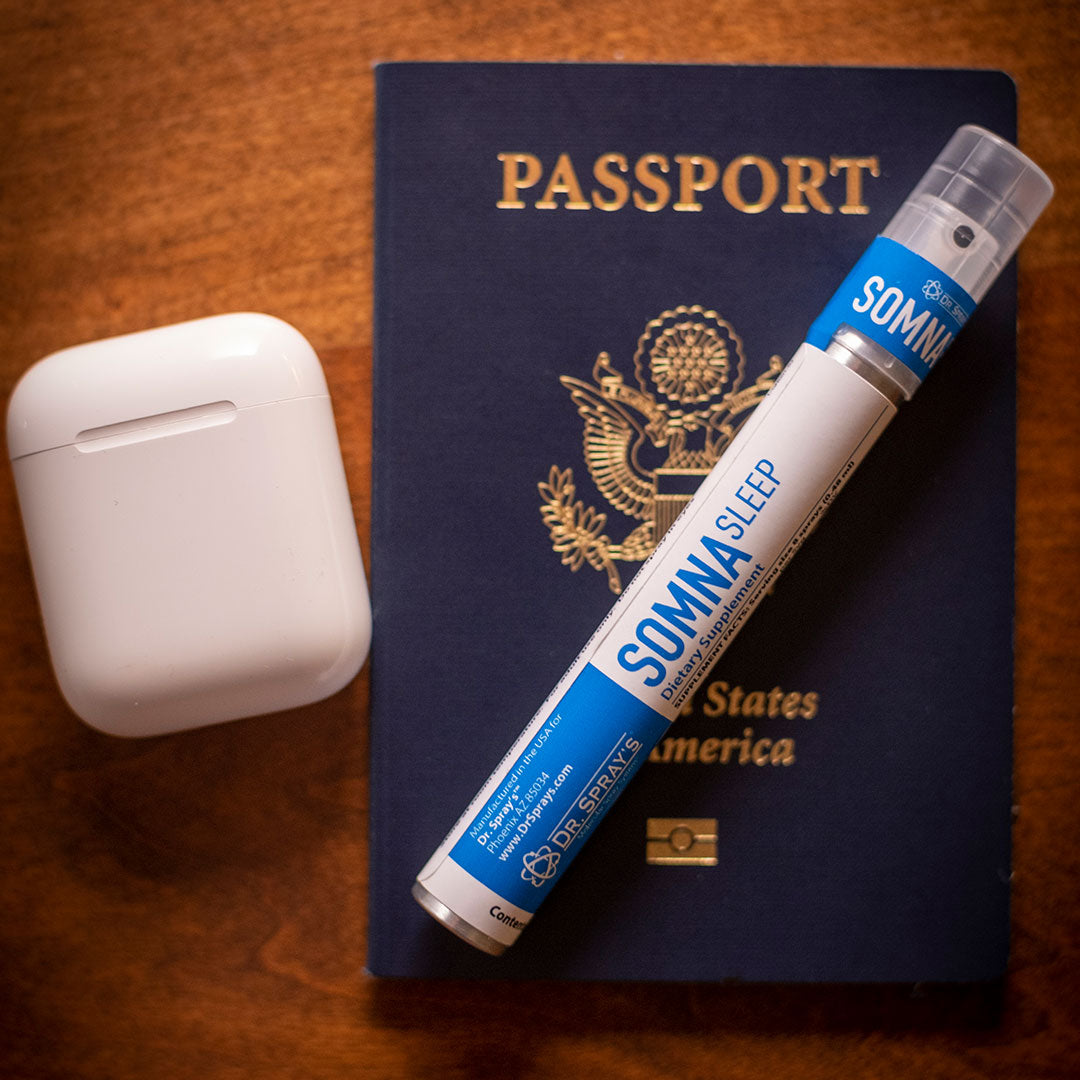
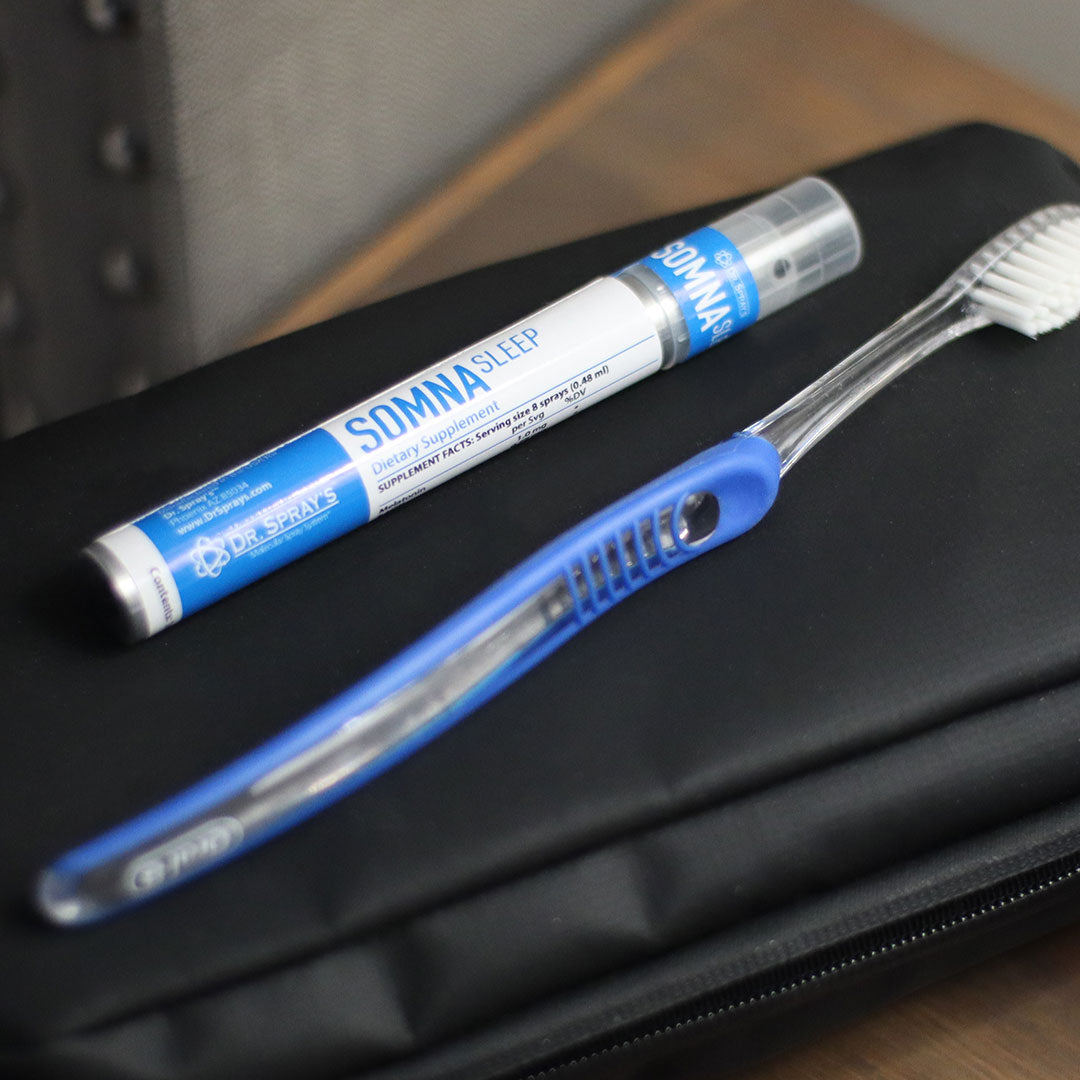
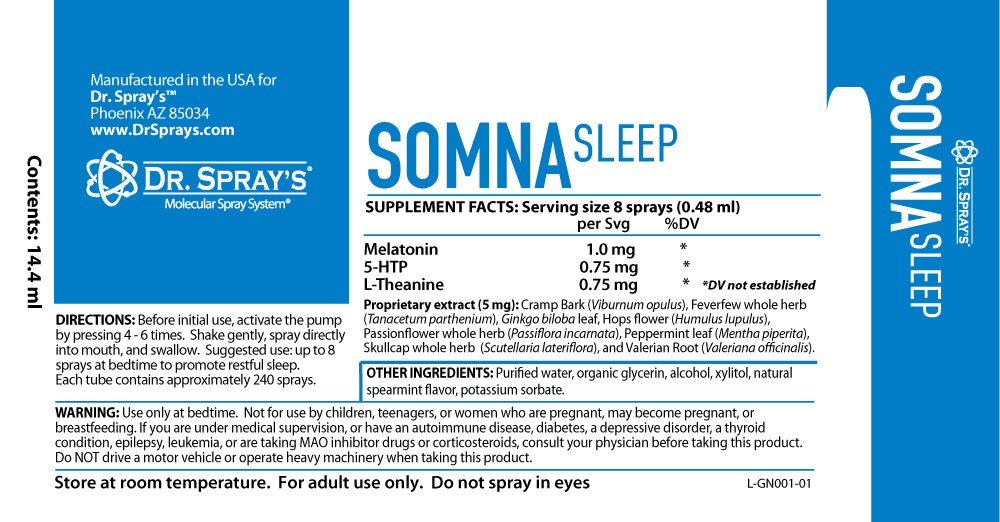
Melatonin is a hormone naturally produced by the body to regulate sleep-wake cycles. Supplemental melatonin can help reset disrupted sleep patterns, particularly for children experiencing delayed sleep phase or jet lag.
However, melatonin should be used thoughtfully:
- Start with the lowest effective dose (0.5-1 mg for children)
- Give 30-60 minutes before desired sleep time
- Use for short-term sleep pattern adjustment, not long-term daily use
- Consult your pediatrician before starting any supplement
- Combine with behavioral changes, not as a standalone solution
Herbal Support
Several herbs have traditionally been used to promote relaxation and sleep:
Chamomile: A gentle, calming herb often consumed as tea. Chamomile has mild sedative properties and can be part of a bedtime routine.
Lavender: The scent of lavender promotes relaxation. Use essential oil in a diffuser (not directly on skin for children) or lavender-scented pillow spray.
Passionflower and Lemon Balm: Both herbs support nervous system relaxation. Available in child-safe formulations as teas or tinctures.
Always verify that herbal products are specifically formulated for children and consult with a healthcare provider about appropriate use and dosing.
When to Seek Professional Help
While most sleep difficulties in 11-year-olds respond well to environmental and behavioral interventions, certain signs indicate the need for professional evaluation.
Consult your pediatrician if your child experiences:
- Persistent difficulty falling asleep (more than 30-45 minutes) most nights for several weeks
- Loud snoring or pauses in breathing during sleep (possible sleep apnea)
- Frequent nightmares or night terrors
- Daytime sleepiness that affects school performance or safety
- Bedwetting that has returned after being resolved
- Restless leg syndrome or unusual movements during sleep
- Significant anxiety that doesn't respond to behavioral strategies
A sleep specialist can conduct evaluations to identify underlying sleep disorders, while a pediatrician can rule out medical issues affecting sleep, such as thyroid problems, iron deficiency, or other health conditions.
Screen Time: The Hidden Sleep Disruptor
This issue deserves special emphasis because electronic devices are the single most common cause of sleep problems in modern children.
Why Screens Sabotage Sleep
Electronic devices interfere with sleep through multiple mechanisms:
Blue Light Exposure: Screens emit blue wavelength light that suppresses melatonin production. The brain interprets this light as daylight, delaying the natural signal that it's time to sleep.
Psychological Stimulation: Video games, social media, and engaging content activate the brain's reward centers and stress response, making it difficult to transition to a calm, sleepy state.
FOMO (Fear of Missing Out): When phones are accessible, children feel compelled to check messages, respond to friends, and stay connected, creating anxiety about disconnecting.
Interrupted Sleep: Notifications, vibrations, and the temptation to check devices cause nighttime awakenings and fragmented sleep.
Implementing Digital Boundaries
Effective screen time management requires clear rules and parental consistency:
- All screens off 60-90 minutes before bedtime: No exceptions for homework, as the blue light and stimulation counteract sleep readiness
- Device-free bedroom: Phones charge in a central location overnight; no TVs, tablets, or computers in sleeping areas
- Parental controls: Use technology to enforce boundaries with automatic shut-off times and app limits
- Model good behavior: Parents should follow the same screen rules, as children need to see adults prioritizing sleep over devices
- Alternative evening activities: Replace screen time with reading, puzzles, board games, conversation, or creative activities
The Two-Week Challenge
If your child is resistant to screen limits, propose a two-week experiment. Implement strict screen boundaries and track sleep improvements. Most children will notice they fall asleep faster, sleep more soundly, and feel better during the day. This evidence-based approach helps them understand the connection between screens and sleep quality.
The Role of Weekends and Summer Break
Consistency is crucial for healthy sleep patterns, but weekends and school breaks often derail carefully established routines.
Weekend Sleep Strategy
While it's tempting to allow late nights and sleeping in on weekends, significant schedule shifts make it difficult to fall asleep at the appropriate time Sunday night, creating "social jet lag."
Allow some flexibility, but limit weekend bedtime shifts to no more than one hour later than school nights. For example, if bedtime is 9:00 PM on school nights, 10:00 PM is acceptable on Friday and Saturday, but not midnight.
Similarly, don't let children sleep past 9:00 or 10:00 AM, even on weekends. Extended sleep-in periods feel rewarding but disrupt circadian rhythms.
Summer Schedule Maintenance
During school breaks, maintain a consistent sleep schedule rather than allowing it to drift dramatically later. While some flexibility is reasonable, completely reversing day-night patterns creates difficulties when school resumes.
Structure summer days with regular wake times, scheduled activities, and predictable bedtimes. This maintains healthy sleep habits and makes the back-to-school transition much smoother.
Frequently Asked Questions
How long should it take an 11-year-old to fall asleep?
Under normal circumstances, children should fall asleep within 15-20 minutes of lights out. If your child regularly takes 30-45 minutes or longer, their bedtime may be too early for their current sleep drive, they may have poor sleep hygiene, or there may be an underlying issue preventing sleep.
Is it normal for 11-year-olds to have trouble falling asleep?
Occasional difficulty falling asleep is normal, especially during stressful periods, after exciting events, or when schedules are disrupted. However, chronic sleep onset problems occurring most nights for several weeks are not normal and indicate the need for intervention.
Should I let my 11-year-old stay up later on weekends?
Limited flexibility is fine, but weekend bedtimes shouldn't be more than one hour later than school nights. Large shifts in sleep schedule create social jet lag, making it difficult to fall asleep Sunday night and creating Monday morning exhaustion.
Can vitamin deficiencies cause sleep problems in children?
Yes. Deficiencies in vitamin D3, vitamin B12, iron, and magnesium can all interfere with sleep quality and the ability to fall asleep quickly. If you suspect nutritional deficiencies, consult your pediatrician about testing and appropriate supplementation with highly absorbable options like vitamin spray products.
When should I give my child melatonin to help them sleep?
If using melatonin, give it 30-60 minutes before the desired sleep time. However, melatonin should not be the first intervention. Try behavioral and environmental changes first, and always consult your pediatrician before starting any sleep supplement.
How much physical activity does an 11-year-old need for good sleep?
Children this age should get at least 60 minutes of moderate to vigorous physical activity daily. Regular exercise improves sleep quality and reduces sleep onset time, but avoid intense activity within 2-3 hours of bedtime as it can be too stimulating.
What should I do if my child can't stop worrying at bedtime?
Implement a designated "worry time" earlier in the evening to discuss concerns. Teach relaxation techniques like deep breathing and progressive muscle relaxation. Consider journaling before bed to "download" thoughts. If anxiety persists and significantly impacts sleep or daily functioning, consult a mental health professional.
Are oral spray vitamins better than pills for children?
Spray supplements offer several advantages for children: easier administration (no swallowing large pills), better absorption through oral mucosa (up to 90% compared to 10-20% for some traditional supplements), and more precise dosing. They're particularly beneficial for children with digestive issues that impair nutrient absorption.
How dark should my child's bedroom be for optimal sleep?
The bedroom should be dark enough that you can't see your hand in front of your face. Even small amounts of light can disrupt melatonin production. Use blackout curtains and cover or remove all electronic displays and nightlights (except dim red lights, which don't suppress melatonin).
My child says they're not tired at bedtime. What should I do?
If your child genuinely isn't tired at their designated bedtime, they may not have built up sufficient sleep drive. Ensure they're getting adequate physical activity during the day, not napping, and waking at a consistent time each morning. Avoid screen time in the evening, as it can create a false sense of alertness. If the problem persists, their bedtime may need to be adjusted slightly later to match their natural circadian rhythm.
About the Author
This article was developed by the content team at DrSprays, a Phoenix, Arizona-based company specializing in doctor-developed oral vitamin sprays. All DrSprays products are manufactured in an FDA-registered, GMP-certified facility and formulated for maximum absorption and effectiveness. Our content is created in consultation with healthcare professionals and based on current scientific research to provide families with accurate, actionable health information.
Help Your Child Sleep Better Tonight
Quality sleep is foundational to your 11-year-old's health, development, and daily success. While sleep challenges are common at this age, they're also solvable with the right approach.
Start by implementing environmental changes: optimize the bedroom for sleep, remove electronic devices, and establish consistent temperatures and darkness. Build a predictable bedtime routine that includes relaxation techniques and screen-free wind-down time.
Address nutritional factors by timing meals appropriately, eliminating evening caffeine, and ensuring your child receives adequate sleep-supporting nutrients. For children with absorption issues or difficulty swallowing pills, oral spray vitamins from DrSprays offer an effective solution with superior bioavailability.
Support your child's emotional wellbeing by creating space for worries earlier in the day and teaching stress-management techniques that reduce bedtime anxiety.
Remember that sustainable improvement requires consistency. Implement changes gradually, maintain routines even on weekends, and give new strategies at least two weeks before evaluating effectiveness.
If sleep problems persist despite your best efforts, don't hesitate to consult your pediatrician. Professional evaluation can identify underlying issues and provide additional support tailored to your child's specific needs.
Ready to support your child's sleep with superior nutrition? Explore our range of doctor-developed spray supplements, including Vitamin D3 spray and Vitamin B12 spray, formulated for maximum absorption and manufactured right here in Phoenix, Arizona. Give your child the nutritional foundation they need for truly restorative sleep.