Thirteen-year-olds need 9-11 hours of sleep per night for proper physical and mental development, yet many teenagers struggle to fall asleep quickly. Between hormonal changes, academic pressure, and digital distractions, getting quality rest has become increasingly difficult for this age group.
This comprehensive guide explores evidence-based strategies to help 13-year-olds fall asleep faster, including the role of proper nutrition, sleep hygiene, and innovative supplementation methods like vitamin spray supplements that support healthy sleep patterns.
Understanding Sleep Challenges in 13-Year-Olds
Adolescence brings significant biological changes that directly impact sleep patterns. During puberty, the body's circadian rhythm naturally shifts later, making teenagers feel more alert in the evening and sleepier in the morning—a phenomenon scientists call "sleep phase delay."
The Science Behind Teen Sleep Difficulties
Research shows that melatonin production in teenagers doesn't begin until around 11 PM, approximately two hours later than in adults or younger children. This biological shift explains why forcing a 13-year-old to sleep at 9 PM often proves futile—their body simply isn't producing the sleep-inducing hormones yet.
Additionally, teenagers experience increased sensitivity to blue light from screens, which further suppresses melatonin production. The developing adolescent brain also processes stress and anxiety differently, making racing thoughts at bedtime more common in this age group.
Common Sleep Disruptors for Teenagers
- Academic stress: Homework, tests, and college preparation create anxiety that interferes with sleep
- Social pressures: Peer relationships and social media engagement extend into evening hours
- Screen time: Devices emit blue light that suppresses melatonin production
- Irregular schedules: Weekend sleep pattern changes disrupt the body's internal clock
- Nutritional deficiencies: Inadequate vitamins and minerals affect sleep regulation
- Physical changes: Hormonal fluctuations during puberty alter sleep architecture
Establishing an Effective Evening Routine
Consistency is the foundation of healthy sleep habits. A predictable evening routine signals to the brain that sleep time approaches, triggering the natural relaxation response necessary for falling asleep quickly.
The 90-Minute Wind-Down Protocol
Begin preparing for sleep 90 minutes before your target bedtime. This aligns with the body's natural sleep cycles, which operate in approximately 90-minute intervals throughout the night.
90 minutes before bed: Finish homework and any stimulating activities. This is an ideal time to take any sleep-supporting supplements that need time to take effect.
60 minutes before bed: Turn off or dim bright overhead lights. Switch to warm-toned lamps and begin quiet activities like reading, journaling, or listening to calming music.
30 minutes before bed: Complete hygiene routines, prepare clothes for tomorrow, and ensure the bedroom environment is optimized for sleep—cool, dark, and quiet.
Creating a Sleep-Friendly Bedroom Environment
The ideal sleep environment for a 13-year-old should be cool (between 65-68°F), completely dark, and free from disruptive noises. Consider these specific adjustments:
- Install blackout curtains or use an eye mask to eliminate all light sources
- Remove electronic devices or use a charging station outside the bedroom
- Use white noise machines to mask disruptive sounds from other household members
- Keep the room slightly cooler than feels comfortable when awake
- Invest in comfortable, breathable bedding appropriate for the season
The Digital Detox: Managing Screen Time Before Bed
Blue light exposure from smartphones, tablets, and computers represents one of the most significant barriers to falling asleep quickly for teenagers today. Studies demonstrate that even two hours of evening screen time can delay melatonin release by up to three hours.
Implementing Practical Screen Boundaries
Rather than demanding complete device elimination (which often creates conflict), work with your teenager to establish reasonable boundaries that support sleep while respecting their need for social connection.
Set a specific "devices down" time 60-90 minutes before bed. Place phones in a charging station outside the bedroom to remove temptation. If homework requires computer use late in the evening, enable blue light filters or use blue light blocking glasses.
For teenagers who resist complete disconnection, gradually reduce screen time over several weeks rather than implementing sudden changes. This approach typically generates less resistance and creates more sustainable habits.
Nutritional Foundations for Better Sleep
What 13-year-olds eat throughout the day—and especially in the evening—significantly impacts their ability to fall asleep quickly. Certain nutrients directly support the production of sleep-regulating hormones and neurotransmitters.
Key Nutrients That Promote Sleep
Vitamin B12: This essential vitamin supports the production of melatonin and helps regulate circadian rhythms. Many teenagers show suboptimal B12 levels, particularly those following vegetarian or vegan diets. A vitamin B12 spray offers superior absorption compared to traditional pills, with our oral spray vitamins achieving 90% absorption rates.
Vitamin D3: Often called the "sunshine vitamin," D3 plays a crucial role in sleep regulation. Research links vitamin D deficiency to shorter sleep duration and poor sleep quality. Since many teenagers spend limited time outdoors, supplementation through vitamin D3 spray helps maintain optimal levels year-round.
Magnesium: This mineral activates neurotransmitters that calm the nervous system and prepare the body for sleep. Foods rich in magnesium include leafy greens, nuts, seeds, and whole grains.
Tryptophan: An amino acid that serves as a precursor to both serotonin and melatonin. Good sources include turkey, chicken, eggs, cheese, and pumpkin seeds.
Evening Eating Guidelines for Better Sleep
Timing and composition of evening meals directly affect sleep quality. Large, heavy meals within three hours of bedtime can cause discomfort and indigestion that interfere with falling asleep quickly.
Instead, encourage lighter dinners with a balanced combination of protein, complex carbohydrates, and vegetables. If hunger strikes before bed, small snacks that combine protein with carbohydrates—like whole grain crackers with cheese or yogurt with berries—can actually promote sleep without causing digestive distress.
Avoid caffeine after 2 PM, as it remains in the system for 6-8 hours. Many teenagers don't realize that soda, energy drinks, and even chocolate contain significant caffeine that disrupts sleep later.
Physical Activity and Sleep Connection
Regular physical activity dramatically improves sleep quality and reduces the time needed to fall asleep. However, timing matters—intense exercise too close to bedtime can have the opposite effect.
Optimal Exercise Timing
Encourage physical activity earlier in the day or during after-school hours. Morning or afternoon exercise improves nighttime sleep without interfering with the body's natural wind-down process. If evening is the only available time for exercise, finish at least three hours before bedtime.
For 13-year-olds who aren't naturally athletic, any movement counts. Walking, dancing, swimming, or recreational sports all provide sleep benefits without requiring competitive participation or exceptional skill.
Gentle Evening Movement
While intense exercise should occur earlier in the day, gentle stretching or yoga in the evening can actually promote relaxation and faster sleep onset. These activities reduce muscle tension, lower stress hormones, and create a mindful transition toward sleep.
Stress Management and Mental Relaxation Techniques
Thirteen-year-olds face significant stress from academic demands, social situations, and the general challenges of adolescence. Racing thoughts and anxiety represent major barriers to falling asleep quickly.
Progressive Muscle Relaxation
This evidence-based technique involves systematically tensing and relaxing different muscle groups throughout the body. Starting with the toes and moving upward, teenagers tense each muscle group for five seconds, then release and notice the sensation of relaxation.
Progressive muscle relaxation accomplishes two goals: it provides a focal point that distracts from anxious thoughts, and it releases physical tension that accumulates throughout the day.
The 4-7-8 Breathing Technique
Developed by Dr. Andrew Weil, this breathing pattern activates the parasympathetic nervous system, which controls the body's relaxation response. The technique involves inhaling through the nose for 4 counts, holding the breath for 7 counts, and exhaling completely through the mouth for 8 counts.
Repeat this cycle four times when lying in bed. Most teenagers report feeling noticeably more relaxed after just one round of 4-7-8 breathing.
Journaling for Mental Clarity
Many teenagers struggle with racing thoughts at bedtime—worrying about tomorrow's test, replaying social interactions, or planning future activities. A brief journaling session 30-60 minutes before bed helps externalize these thoughts.
Encourage keeping a simple notebook by the bed for "brain dumps"—writing down whatever comes to mind without editing or organizing. This practice provides psychological closure to the day and reduces nighttime rumination.
The Role of Spray Supplements in Sleep Support
Traditional pills and capsules present absorption challenges, particularly for teenagers whose digestive systems may not efficiently break down solid supplements. Modern oral spray vitamins offer a superior alternative with significantly higher bioavailability.
Why Vitamin Sprays Work Better
Spray supplements deliver nutrients directly into the bloodstream through the mucous membranes in the mouth, bypassing the digestive system where many vitamins are degraded or poorly absorbed. Our doctor-developed formulas manufactured in Phoenix, Arizona achieve 90% absorption rates—dramatically higher than traditional oral supplements.
For 13-year-olds who struggle with swallowing pills or have sensitive stomachs, spray supplements provide a practical solution that actually works better than conventional options.
Sleep-Supporting Spray Supplements
Several vitamin and mineral deficiencies directly impact sleep quality. Addressing these deficiencies through highly absorbable spray supplements can significantly reduce the time needed to fall asleep.
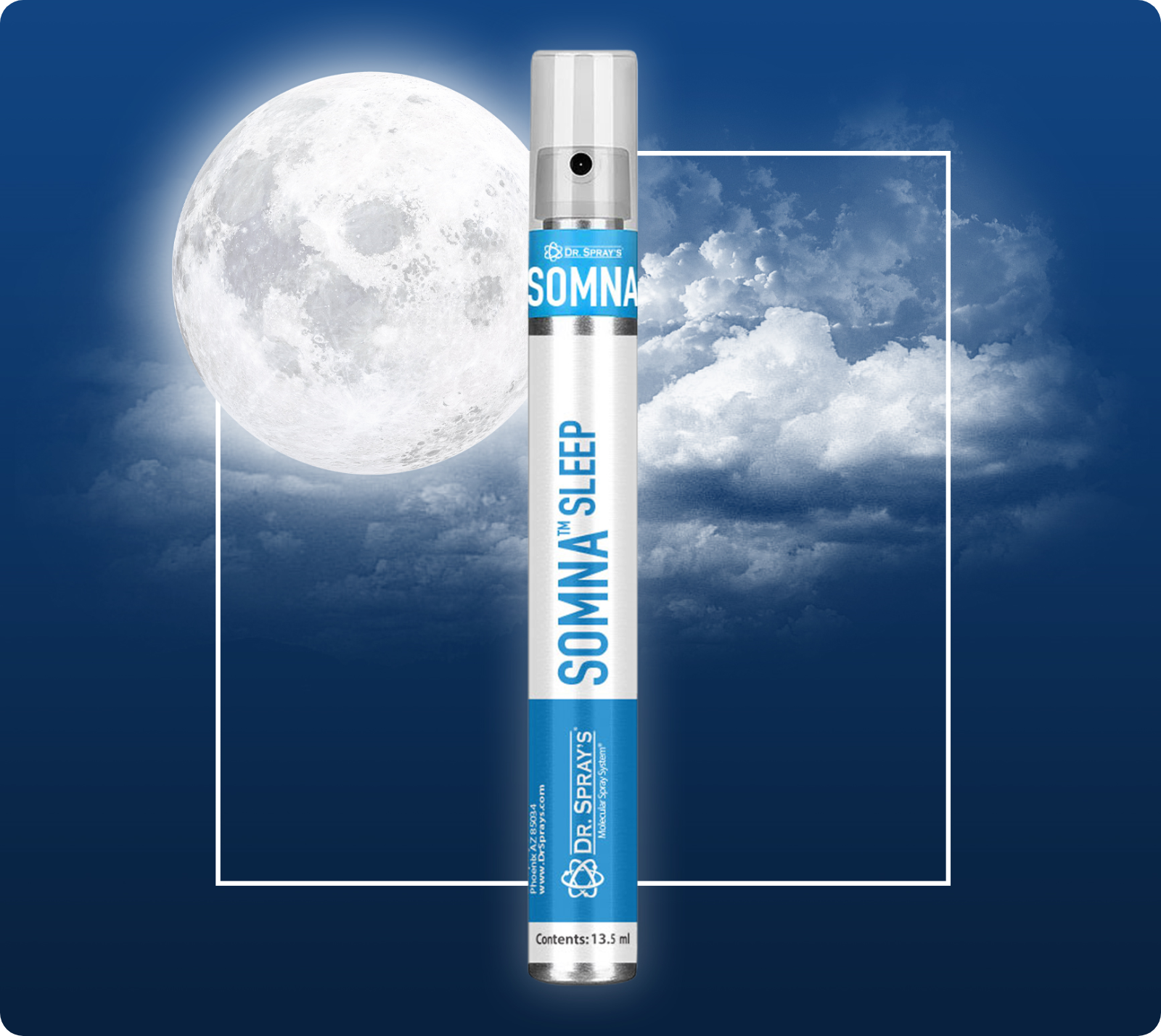
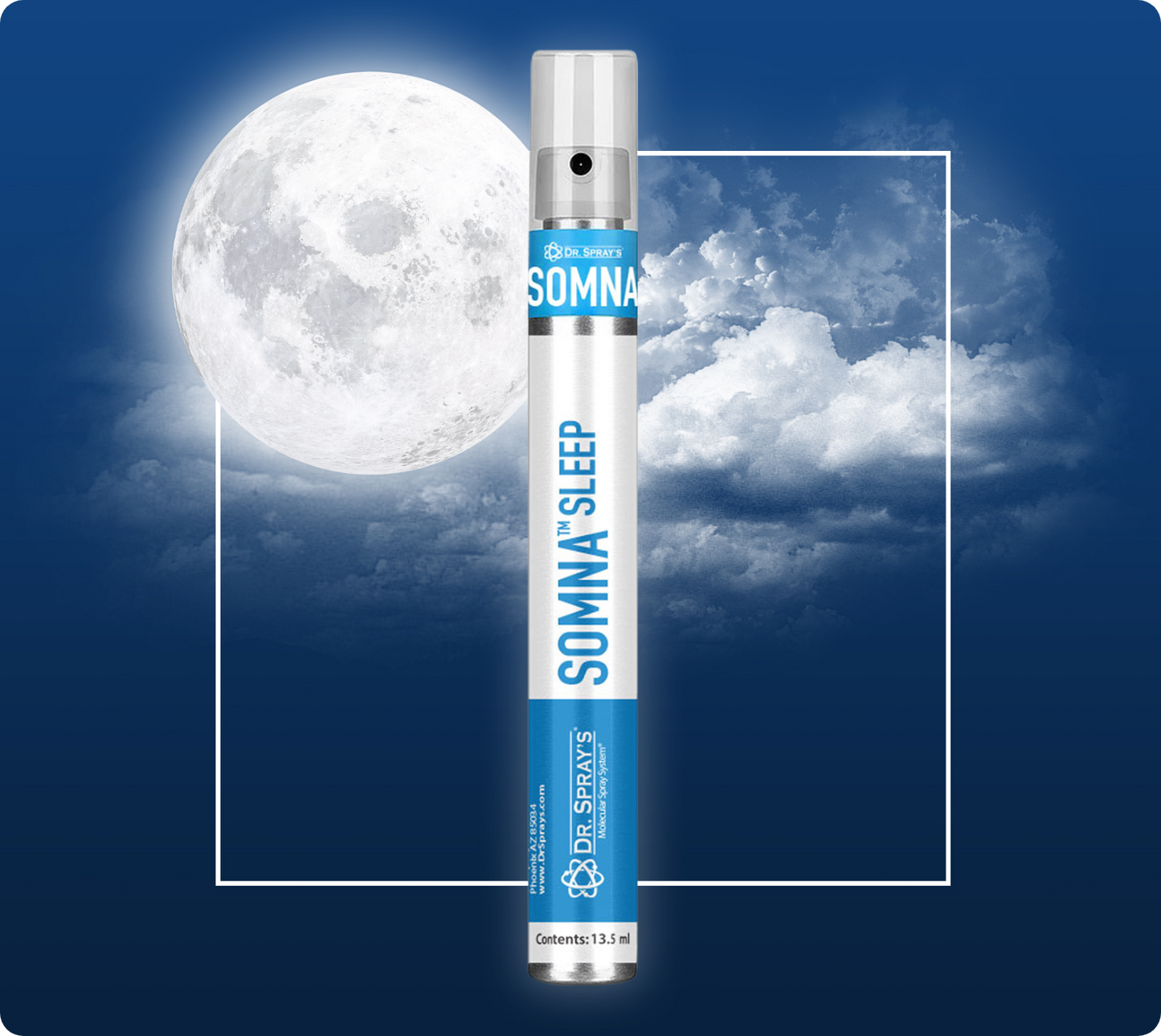
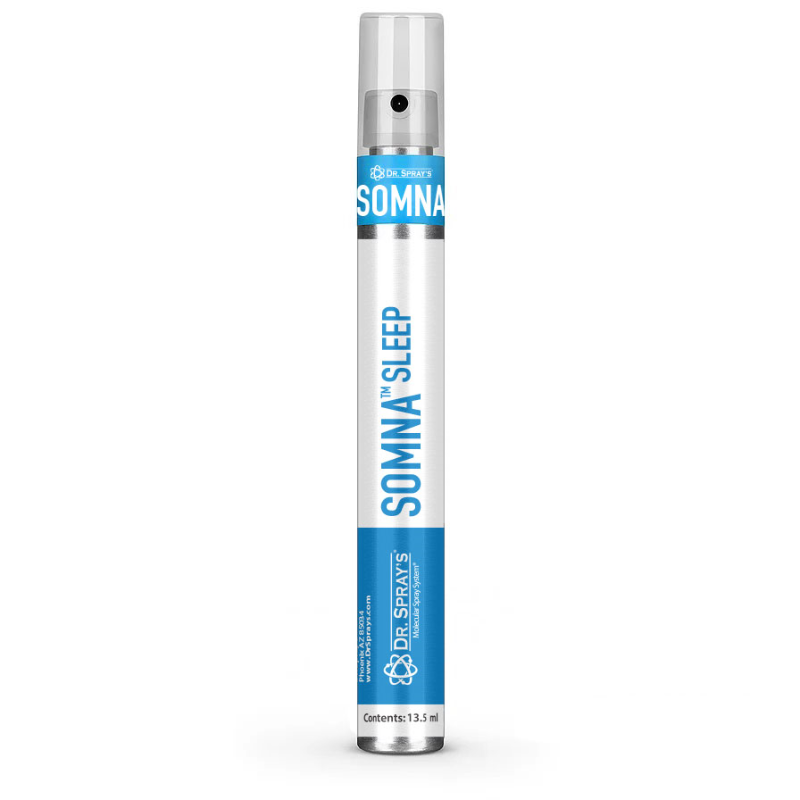
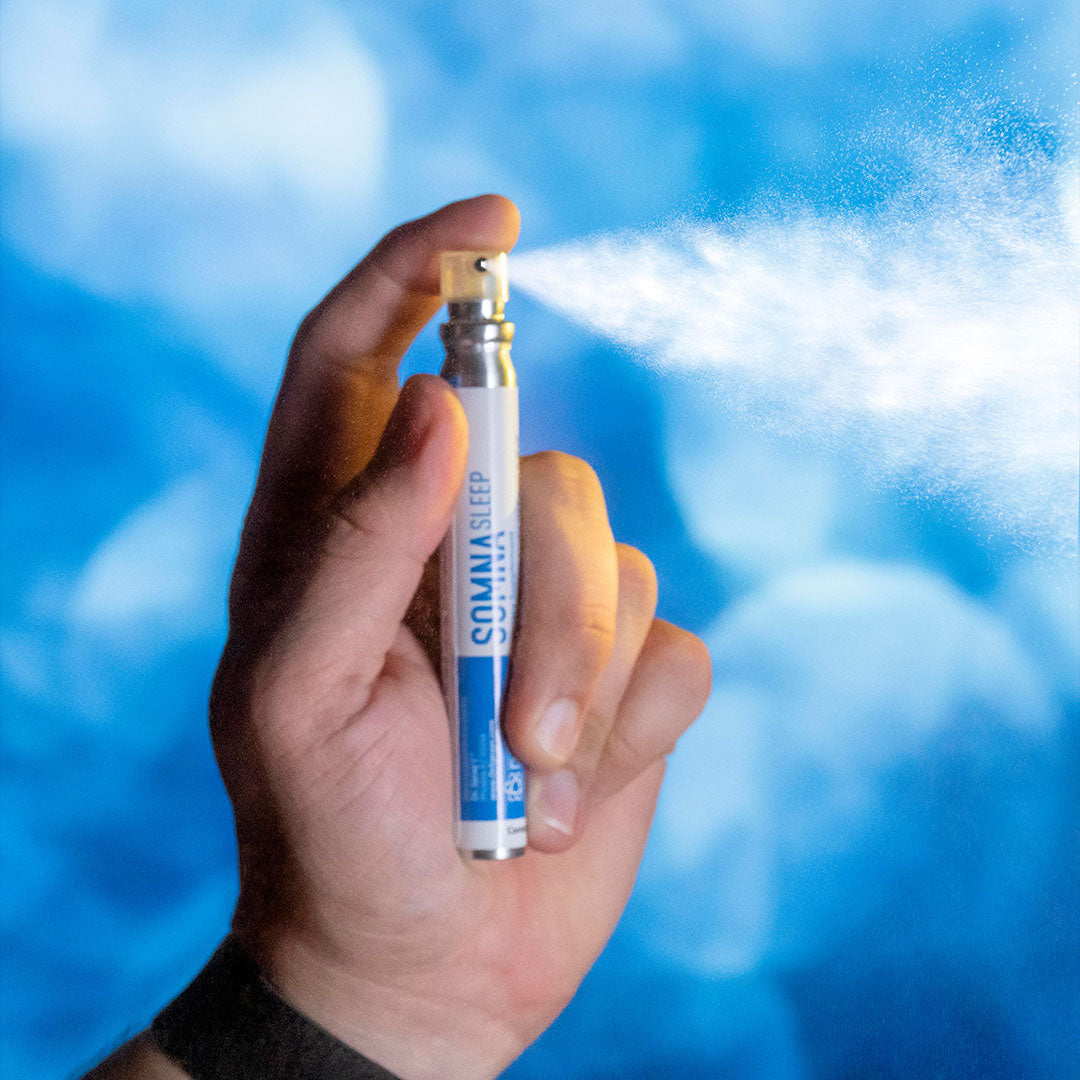
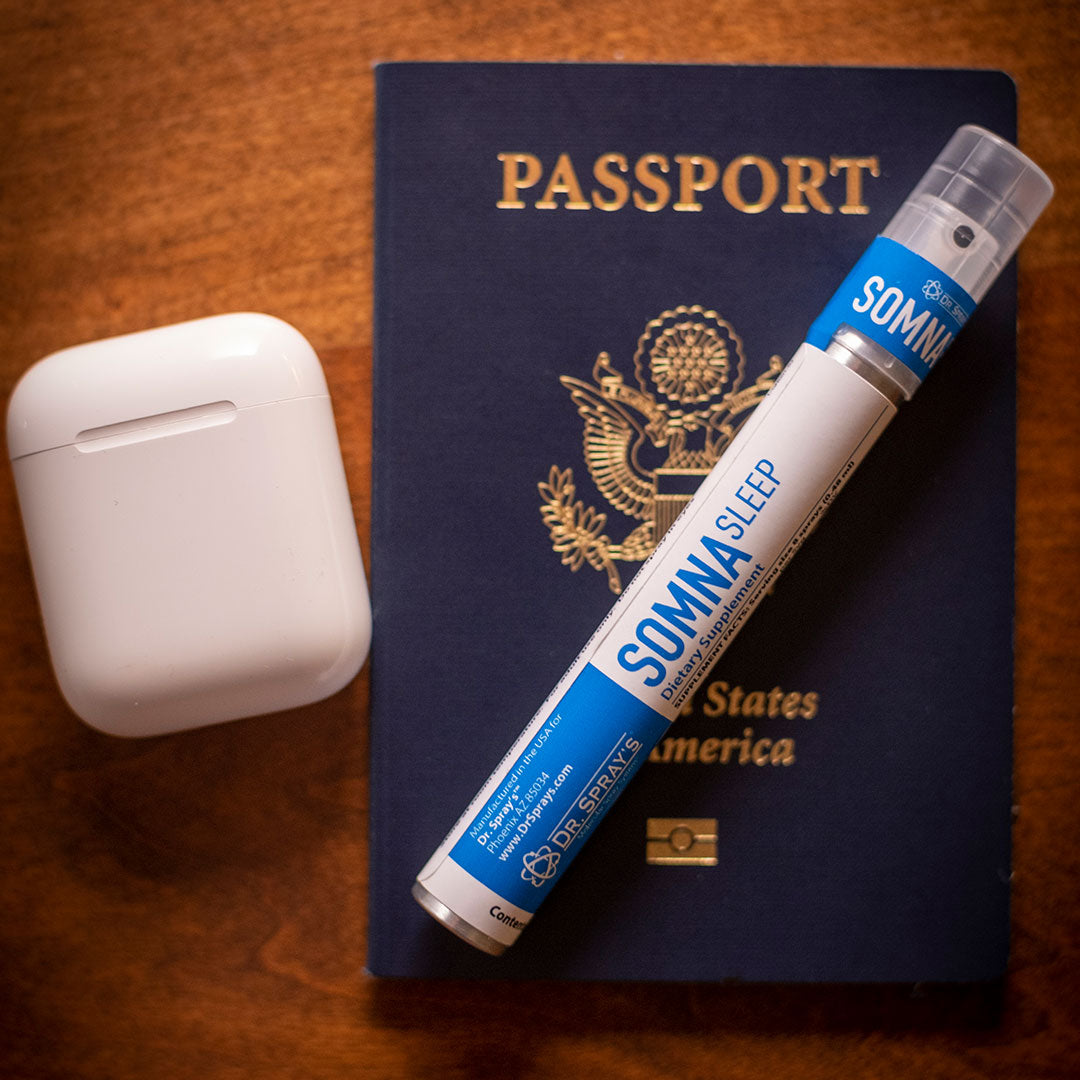
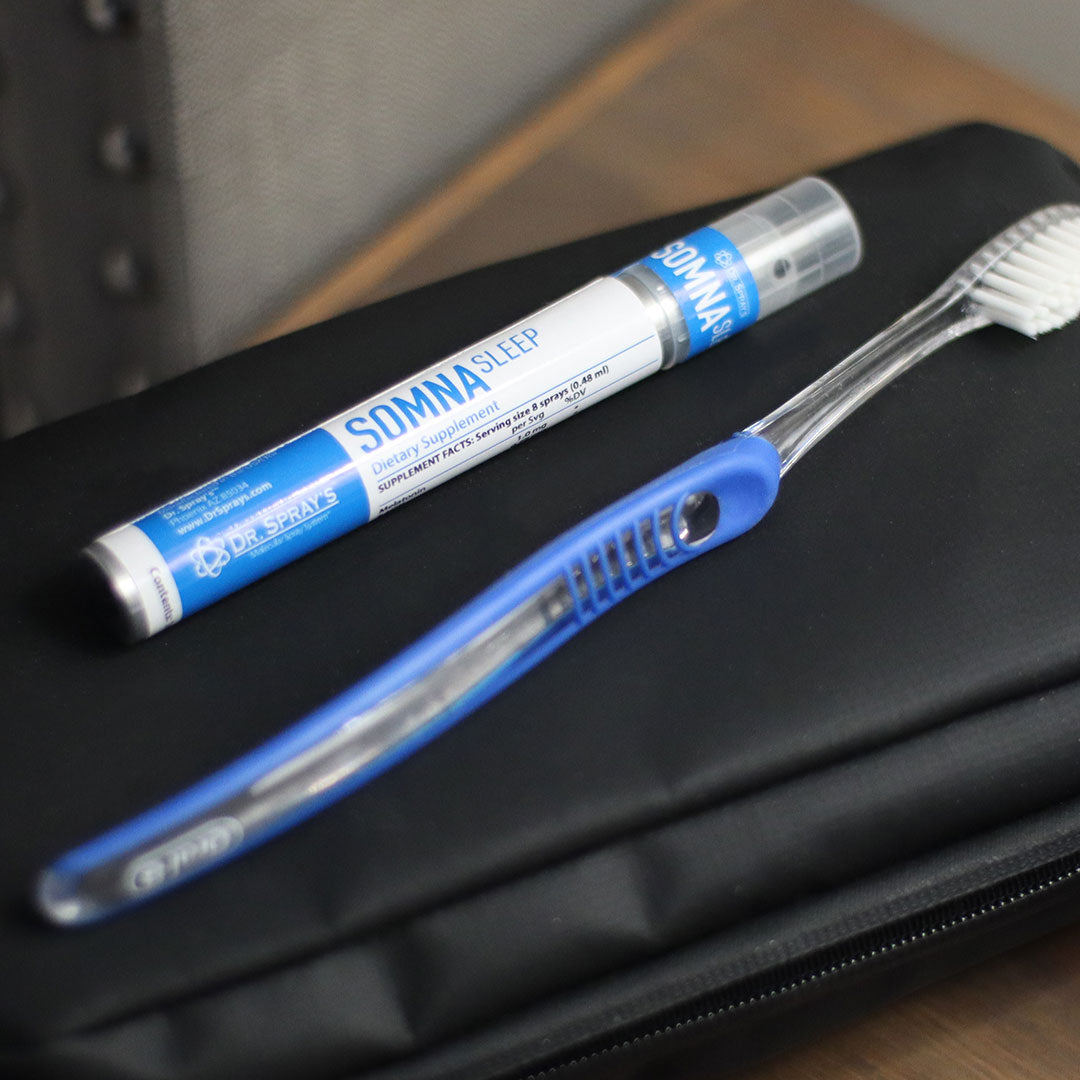
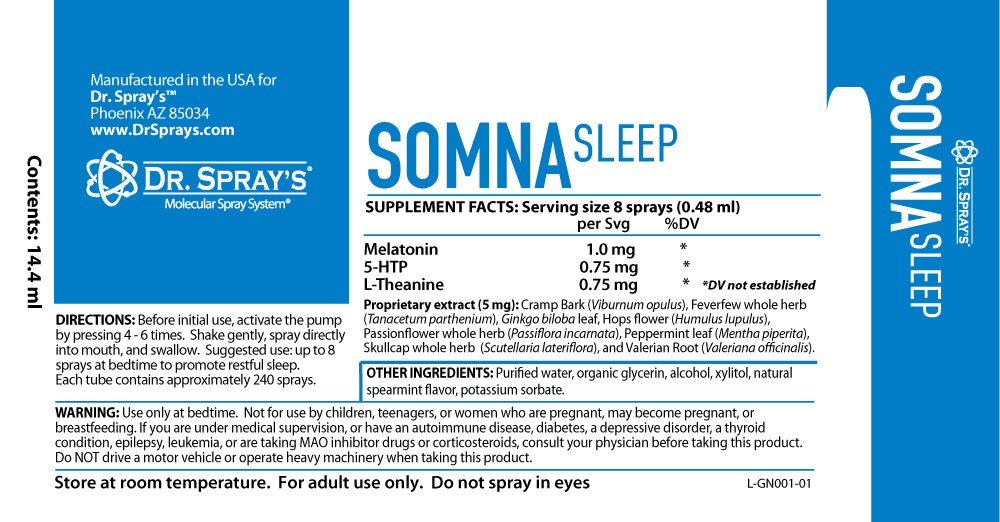
The Somna Sleep Spray combines multiple sleep-supporting ingredients in an easy-to-use format. Unlike melatonin supplements that can disrupt natural hormone production with long-term use, this formula supports the body's own sleep mechanisms.
For overall nutritional support, a comprehensive multi-vitamin spray ensures teenagers receive essential nutrients that support both general health and healthy sleep patterns.
Addressing Common Sleep Mistakes
Well-intentioned teenagers and parents often implement strategies that actually worsen sleep problems rather than solving them. Avoiding these common pitfalls improves results significantly.
The Weekend Sleep Schedule Trap
Sleeping until noon on weekends might feel restorative, but it severely disrupts circadian rhythms. This pattern, called "social jet lag," makes falling asleep Sunday night nearly impossible and creates grogginess throughout the school week.
Instead, maintain consistent sleep and wake times within one hour, even on weekends. If extra sleep is needed, take a brief afternoon nap rather than dramatically shifting the morning wake time.
Trying Too Hard to Fall Asleep
Paradoxically, trying to force sleep often keeps teenagers awake longer. The pressure to fall asleep quickly creates anxiety that activates the alert, wakeful state—the opposite of what's needed.
If sleep doesn't come within 20-30 minutes, get out of bed and do a quiet, non-stimulating activity in low light until drowsiness returns. This approach prevents the brain from associating the bed with frustration and wakefulness.
Inconsistent Supplement Use
Many vitamins and minerals work best when taken consistently over time, building up to optimal levels in the body. Starting and stopping spray supplements randomly prevents them from reaching full effectiveness.
For best results with vitamin spray supplements, maintain consistent daily use and allow at least 2-3 weeks to experience full benefits.
When to Seek Professional Help
While most sleep difficulties in 13-year-olds respond well to lifestyle modifications, certain warning signs indicate the need for professional evaluation.
Consult a healthcare provider if your teenager experiences:
- Persistent difficulty falling asleep despite consistent implementation of sleep hygiene practices
- Frequent nighttime awakenings lasting more than 30 minutes
- Excessive daytime sleepiness that interferes with school performance or safety
- Loud snoring or gasping during sleep (potential signs of sleep apnea)
- Significant mood changes, depression, or anxiety related to sleep problems
- Physical symptoms like frequent headaches or unexplained pain associated with poor sleep
Sleep disorders like insomnia, sleep apnea, and restless leg syndrome can affect teenagers and require specific treatments beyond general sleep hygiene improvements.
Creating Sustainable Long-Term Sleep Habits
The strategies that help 13-year-olds fall asleep quickly tonight also build foundations for lifelong healthy sleep patterns. Rather than viewing sleep support as a short-term fix, focus on establishing habits that will serve them throughout adolescence and into adulthood.
Gradual Implementation Strategy
Attempting to change everything simultaneously often leads to overwhelm and abandonment of all strategies. Instead, implement one or two changes each week, allowing time for new habits to become automatic before adding additional modifications.
Start with the highest-impact changes first—establishing consistent bed and wake times, removing devices from the bedroom, and ensuring proper nutrition through diet and targeted spray supplements.
Tracking Progress
Encourage teenagers to maintain a simple sleep log tracking bedtime, wake time, estimated time to fall asleep, and how rested they feel each morning. This objective data helps identify which strategies provide the most benefit and maintains motivation during the adjustment period.
Many teenagers report that seeing their progress documented—falling asleep progressively faster over several weeks—reinforces their commitment to maintaining healthy sleep habits.
The Phoenix, Arizona Approach to Teen Wellness
Here in Phoenix, Arizona, our FDA-registered, GMP-certified facility produces doctor-developed oral spray vitamins specifically designed for optimal absorption and effectiveness. We understand that teenagers face unique nutritional challenges, and our spray supplement formulations address these needs through innovative delivery systems.
The intense Arizona sun reminds us daily of the importance of vitamin D3, yet many teenagers—even in our sunny climate—show deficiency due to indoor lifestyles. Our vitamin D3 spray provides an efficient solution that fits seamlessly into busy teenage schedules.
Similarly, the fast-paced lifestyle common among Phoenix-area families makes convenient, effective supplementation essential. Our spray supplements require no water, no swallowing large pills, and deliver superior results through advanced absorption technology.
Frequently Asked Questions
How long does it typically take for a 13-year-old to fall asleep?
Healthy sleep onset for teenagers typically ranges from 15-30 minutes. If your 13-year-old consistently takes longer than 30 minutes to fall asleep, implementing the sleep hygiene strategies outlined in this article can help reduce that time. Factors like stress, nutrition, screen time, and bedroom environment all influence sleep latency.
Are vitamin sprays safe for 13-year-olds?
Yes, oral spray vitamins are safe for teenagers when used as directed. Our doctor-developed formulas manufactured in an FDA-registered facility meet strict safety and quality standards. Spray supplements offer advantages over traditional pills, including better absorption rates and easier administration. However, always consult with your healthcare provider before starting any new supplement regimen, especially if your teenager takes medications or has existing health conditions.
What's the best time to take vitamin sprays for sleep support?
For general nutritional support through vitamins like B12 or D3, morning or early afternoon works well. These nutrients support overall health and natural circadian rhythms when taken consistently. For supplements specifically formulated to support sleep, follow the product directions—typically 30-60 minutes before bedtime. The Somna Sleep Spray is designed for evening use as part of a wind-down routine.
Should 13-year-olds take melatonin to fall asleep faster?
While melatonin can help in specific situations like jet lag or temporary schedule disruptions, long-term melatonin use in teenagers remains controversial. The body naturally produces melatonin, and regular supplementation may interfere with this natural production. Instead, focus on supporting the body's own melatonin production through proper sleep hygiene, reduced blue light exposure, and adequate nutrition. If sleep problems persist, consult a healthcare provider rather than self-administering melatonin regularly.
How do vitamin sprays compare to traditional vitamin pills?
Spray supplements offer significant advantages over traditional pills and capsules. Our oral spray vitamins achieve 90% absorption rates by delivering nutrients directly through the mucous membranes in the mouth, bypassing digestive breakdown that reduces effectiveness of pills. Sprays also eliminate swallowing difficulties, work faster since they enter the bloodstream quickly, and allow for flexible dosing. This makes spray supplements particularly beneficial for teenagers who struggle with large pills or have sensitive digestive systems.
Can poor nutrition really affect how quickly teenagers fall asleep?
Absolutely. Nutritional deficiencies directly impact the production of sleep-regulating hormones and neurotransmitters. Vitamin B12 supports circadian rhythm regulation, vitamin D3 influences sleep quality and duration, and minerals like magnesium promote relaxation of the nervous system. Many teenagers show suboptimal levels of these essential nutrients due to inconsistent eating habits, dietary restrictions, or rapid growth demands. Addressing nutritional gaps through balanced diet and targeted spray supplements can significantly improve sleep onset time.
What should I do if my 13-year-old still can't fall asleep after trying these strategies?
If sleep difficulties persist after consistently implementing proper sleep hygiene for 3-4 weeks, consult your healthcare provider. Underlying conditions like anxiety disorders, depression, sleep apnea, or restless leg syndrome may require professional treatment. Keep a detailed sleep log documenting bedtime, wake time, sleep latency, and any symptoms to help your provider make an accurate assessment. Some teenagers benefit from cognitive behavioral therapy for insomnia (CBT-I), which addresses thought patterns and behaviors that interfere with sleep.
Is it normal for 13-year-olds to be night owls?
Yes, biological changes during puberty naturally shift circadian rhythms later, making teenagers feel more alert in the evening and sleepier in the morning. This "sleep phase delay" is a normal part of adolescent development, not a behavior problem or character flaw. However, school schedules require earlier wake times, creating a mismatch between biological sleep drive and social obligations. This makes consistent sleep schedules, proper sleep hygiene, and adequate sleep duration even more important during the teenage years.
Conclusion: Building a Comprehensive Sleep Strategy
Helping a 13-year-old fall asleep quickly requires a multi-faceted approach addressing biological, environmental, behavioral, and nutritional factors. No single strategy works in isolation—the combination of consistent sleep schedules, optimized bedroom environments, reduced screen time, stress management techniques, and proper nutrition creates the foundation for rapid sleep onset and restorative rest.
Modern spray supplement technology offers an effective solution for addressing nutritional gaps that interfere with healthy sleep patterns. With 90% absorption rates, our doctor-developed oral spray vitamins manufactured in Phoenix, Arizona provide superior results compared to traditional pills.
Remember that establishing new sleep habits takes time and patience. Most teenagers require 2-3 weeks of consistent implementation before experiencing significant improvements in sleep latency. Support your 13-year-old through this transition period, celebrating small victories and adjusting strategies based on individual response.
Quality sleep during adolescence affects academic performance, emotional regulation, physical health, and long-term well-being. The investment in healthy sleep habits now pays dividends throughout life, making these strategies among the most valuable gifts you can provide during these formative years.
Support Your Teen's Sleep Naturally
Discover how doctor-developed spray supplements can help your teenager get the restorative sleep they need. Our FDA-registered facility in Phoenix, Arizona produces the highest quality oral spray vitamins with 90% absorption rates—far superior to traditional pills.