Getting an 8-year-old to fall asleep quickly can feel like an impossible task for many parents. Between boundless energy, racing thoughts, and the distractions of modern life, children this age often struggle to wind down at bedtime. Understanding the science behind children's sleep patterns and implementing proven strategies can transform bedtime from a nightly battle into a peaceful routine.
In this comprehensive guide, we'll explore practical techniques to help your 8-year-old fall asleep faster, including the role nutrition plays in sleep quality and how innovative solutions like vitamin spray supplements can support healthy sleep patterns.
Understanding Sleep Needs for 8-Year-Olds
Before diving into strategies, it's important to understand what healthy sleep looks like for children in this age group. The American Academy of Pediatrics recommends that children ages 6-12 get 9-12 hours of sleep per night. Eight-year-olds typically fall right in the middle of this range, needing approximately 10-11 hours of quality sleep.
At this developmental stage, children experience significant cognitive, physical, and emotional growth. Adequate sleep supports memory consolidation, learning retention, immune function, and emotional regulation—all critical for school performance and overall wellbeing.
Common Sleep Challenges at Age 8
Eight-year-olds face unique sleep obstacles:
- Increased independence: They may resist bedtime as they assert autonomy
- Social pressures: Friendships and social dynamics can create nighttime anxiety
- Academic demands: Homework and school stress can keep minds active
- Screen time exposure: Blue light from devices disrupts natural sleep rhythms
- Developing fears: Imagination becomes more vivid, sometimes leading to bedtime fears
Creating the Ideal Sleep Environment
The bedroom environment significantly impacts how quickly children fall asleep. Transform your child's room into a sleep sanctuary with these evidence-based modifications.
Temperature and Lighting
Research shows that cooler temperatures promote better sleep. Set the bedroom temperature between 65-70°F (18-21°C). This slight coolness signals the body that it's time to rest.
Lighting matters tremendously. Install blackout curtains to eliminate external light sources, and use a dim red or amber nightlight if your child needs some illumination. These warmer light wavelengths don't interfere with melatonin production the way blue light does.
Noise Control
Consider using white noise machines to mask disruptive sounds. Consistent, gentle background noise can actually help children fall asleep faster by preventing sudden sounds from startling them awake during lighter sleep phases.
Comfortable Bedding
Invest in comfortable, breathable bedding materials. Natural fibers like cotton allow better temperature regulation throughout the night. Let your child help choose their bedding—when kids feel ownership over their sleep space, they're often more willing to use it.
Establishing a Consistent Bedtime Routine
Consistency is perhaps the most powerful tool in your sleep-promotion toolkit. A predictable routine signals to your child's body and brain that sleep is approaching, triggering the natural wind-down process.
The 60-Minute Wind-Down
Start your bedtime routine approximately one hour before lights-out. This gives adequate time for the body to transition from active to restful states.
Here's an effective 60-minute routine:
- 60 minutes before bed: Screen time ends completely
- 45 minutes before bed: Bath or shower with calming lavender soap
- 30 minutes before bed: Put on pajamas, brush teeth, use the bathroom
- 20 minutes before bed: Quiet reading time together or independent reading
- 10 minutes before bed: Relaxation exercises or quiet conversation
- Lights out: Consistent sleep time every night, including weekends
The Power of Ritual
Small rituals create powerful sleep associations. This might include:
- A special goodnight phrase you say together
- Three things you're grateful for from the day
- A brief back rub or gentle massage
- Listening to calming music for exactly two songs
- Arranging stuffed animals in a specific way
These predictable elements provide comfort and security, helping children relax into sleep mode.
The Critical Role of Nutrition in Sleep Quality
What your child consumes during the day—and particularly in the evening—directly affects how quickly they fall asleep and the quality of that sleep.
Foods That Promote Sleep
Certain nutrients support the production of sleep-regulating hormones:
- Tryptophan: Found in turkey, chicken, eggs, and dairy products
- Complex carbohydrates: Whole grains help tryptophan reach the brain
- Magnesium: Present in leafy greens, nuts, and seeds
- Calcium: Helps the brain use tryptophan to manufacture melatonin
A light evening snack combining protein and complex carbs—like whole grain crackers with cheese or banana with almond butter—can actually support better sleep.
Foods and Drinks to Avoid
Limit or eliminate these sleep disruptors, especially after 3 PM:
- Caffeine (found in chocolate, soda, and some medications)
- High-sugar snacks that cause blood sugar spikes and crashes
- Heavy, fatty meals that can cause digestive discomfort
- Excessive liquids that may cause nighttime bathroom trips
Essential Vitamins and Minerals for Healthy Sleep
Nutritional deficiencies can significantly impact sleep quality. Several vitamins and minerals play crucial roles in regulating sleep-wake cycles and promoting restful sleep.
Vitamin D3 and Sleep Regulation
Vitamin D receptors are found throughout the brain, including areas that regulate sleep. Research indicates that vitamin D deficiency correlates with sleep disturbances in children. Vitamin D3 spray supplements offer an effective way to maintain optimal levels, especially during winter months or for children who spend limited time outdoors.
Studies suggest that adequate vitamin D supports the production of serotonin, which the body converts to melatonin—the primary sleep hormone. A vitamin D3 spray provides superior absorption compared to traditional pills, which is particularly beneficial for children who may have difficulty swallowing tablets.
B Vitamins for Stress Management
B vitamins, particularly B6 and B12, support healthy nervous system function and help the body manage stress—a common sleep disruptor for children. Vitamin B12 spray formulations deliver this essential nutrient directly through the oral mucosa, bypassing digestive limitations that can reduce tablet effectiveness.
B vitamins also play a role in serotonin and melatonin production. Children with inadequate B vitamin intake may experience difficulty falling asleep and maintaining sleep throughout the night.
Magnesium: Nature's Relaxation Mineral
Magnesium helps activate neurotransmitters that calm the nervous system and prepare the body for sleep. This mineral also regulates melatonin and helps maintain healthy levels of GABA, a neurotransmitter that promotes relaxation.
The Advantage of Spray Supplements
Traditional vitamin pills can be challenging for children—they're difficult to swallow, may cause stomach upset, and often have poor absorption rates. Oral spray vitamins solve these problems by delivering nutrients through the mouth's mucous membranes.
This delivery method offers several benefits:
- Higher absorption rates: Up to 90% compared to 10-20% for many tablets
- Faster onset: Nutrients enter the bloodstream within minutes
- No swallowing required: Ideal for children who struggle with pills
- Gentle on the stomach: Bypasses the digestive system
- Easy to use: Simple spray application fits seamlessly into routines
Products formulated in FDA-registered, GMP-certified facilities in Phoenix, Arizona, like those offered by DrSprays, ensure quality and safety standards that parents can trust.
Physical Activity and Sleep Connection
Regular physical activity is one of the most effective natural sleep aids for children. Exercise helps tire the body, reduces stress hormones, and increases the drive for deep sleep.
Timing Matters
Encourage active play and exercise during the day and early evening, but avoid vigorous activity within two hours of bedtime. Physical exertion too close to sleep time can be stimulating rather than relaxing.
Aim for at least 60 minutes of moderate to vigorous physical activity daily. This might include:
- Outdoor play at the park
- Organized sports or dance classes
- Family bike rides
- Active games like tag or jump rope
- Swimming
Gentle Evening Movement
While intense exercise should end early, gentle movement can be part of the wind-down routine. Consider:
- Gentle stretching exercises
- Child-friendly yoga poses
- Slow walking
- Light dancing to calm music
Managing Screen Time for Better Sleep
The blue light emitted by phones, tablets, computers, and televisions suppresses melatonin production, making it significantly harder to fall asleep. For 8-year-olds, establishing healthy screen boundaries is essential.
The Two-Hour Rule
Ideally, all screens should be turned off at least two hours before bedtime. This gives the brain adequate time to restore natural melatonin production and begin the wind-down process.
Creating Screen-Free Zones
Establish the bedroom as a screen-free sanctuary. Remove televisions, tablets, and video game systems from the sleeping area. If your child uses a phone or tablet during the day, these devices should be charged in a common area overnight—not in the bedroom.
Alternative Evening Activities
Replace screen time with activities that promote relaxation:
- Reading books together or independently
- Drawing or coloring
- Building with blocks or LEGOs
- Playing board games or card games
- Listening to audiobooks or calming music
- Crafting or simple hobby activities
Relaxation Techniques for Children
Teaching your 8-year-old simple relaxation techniques provides them with lifelong tools for managing stress and falling asleep more easily.
Progressive Muscle Relaxation
This technique involves tensing and then relaxing different muscle groups. Guide your child through the process:
- Squeeze your toes tight for 5 seconds, then release
- Tense your leg muscles, then relax
- Tighten your stomach, then let go
- Make fists with your hands, then open
- Scrunch your face, then soften
This exercise helps children recognize the difference between tension and relaxation while releasing physical stress.
Deep Breathing Exercises
Teach simple breathing patterns that activate the parasympathetic nervous system:
The 4-7-8 Technique:
- Breathe in through the nose for 4 counts
- Hold the breath for 7 counts
- Exhale through the mouth for 8 counts
- Repeat 3-4 times
Belly Breathing: Place a stuffed animal on the belly and watch it rise and fall with each breath, focusing on slow, deep breaths that make the toy move.
Guided Imagery
Help your child visualize peaceful, calming scenes. You might describe a favorite beach, a quiet forest, or floating on a cloud. Use sensory details—what do you see, hear, smell, and feel in this peaceful place?
Addressing Common Bedtime Anxieties
Many 8-year-olds experience worries that intensify at bedtime. When the day's distractions fade, anxious thoughts can surface.
The Worry Time Technique
Set aside 10-15 minutes earlier in the evening specifically for discussing worries. Write concerns down in a special notebook, then "close the worry book" for the night. This compartmentalizes anxiety and prevents it from invading bedtime.
Problem-Solving Together
When children express specific fears or concerns, acknowledge their feelings and work through solutions together. This might involve:
- Checking the closet and under the bed together
- Leaving doors open a certain way
- Using a special "guardian" stuffed animal
- Creating a plan for handling school situations
Positive Affirmations
Develop calming mantras your child can repeat when feeling anxious: "I am safe in my bed," "My body knows how to sleep," or "Tomorrow will be a good day."
The Importance of Consistency
Perhaps the most critical factor in helping your 8-year-old fall asleep quickly is maintaining consistency—even on weekends and during school breaks.
Wake Time Consistency
Surprisingly, consistent wake times may be even more important than consistent bedtimes. Try to wake your child within 30 minutes of the same time every day, including weekends. This anchors their circadian rhythm and makes falling asleep easier at night.
Weekend Sleep Schedule
While it's tempting to allow late nights and sleep-ins on weekends, significant schedule shifts can create "social jet lag" that makes Monday mornings particularly difficult. Limit weekend variations to no more than one hour from the weekday schedule.
When to Seek Professional Help
While occasional sleep difficulties are normal, persistent problems may warrant professional evaluation. Consult your pediatrician if your child:
- Consistently takes more than 30 minutes to fall asleep despite good sleep hygiene
- Wakes frequently during the night
- Snores loudly or has pauses in breathing during sleep
- Experiences excessive daytime sleepiness
- Has nightmares or night terrors multiple times per week
- Shows signs of restless legs or significant movement during sleep
Sleep disorders like sleep apnea, restless leg syndrome, or insomnia can affect children and require medical intervention.
Supplementing Sleep Support: The DrSprays Approach
While no supplement can replace good sleep hygiene practices, targeted nutritional support can complement your bedtime routine. Spray supplements offer a modern, effective approach to addressing nutritional gaps that may impact sleep quality.
For children who struggle with sleep, consider these supportive nutrients delivered through convenient oral spray vitamins:
Sleep-Specific Formulations
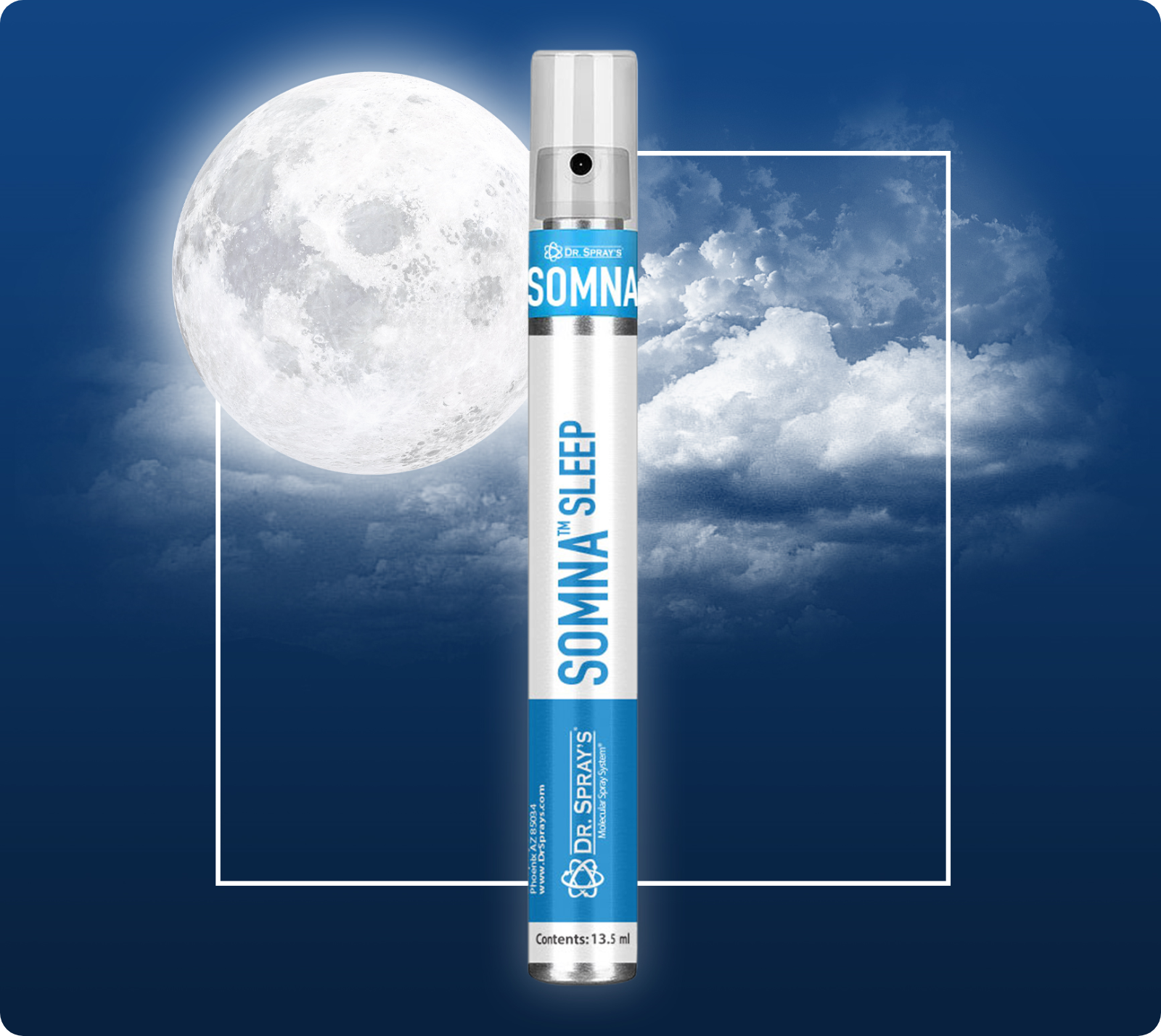
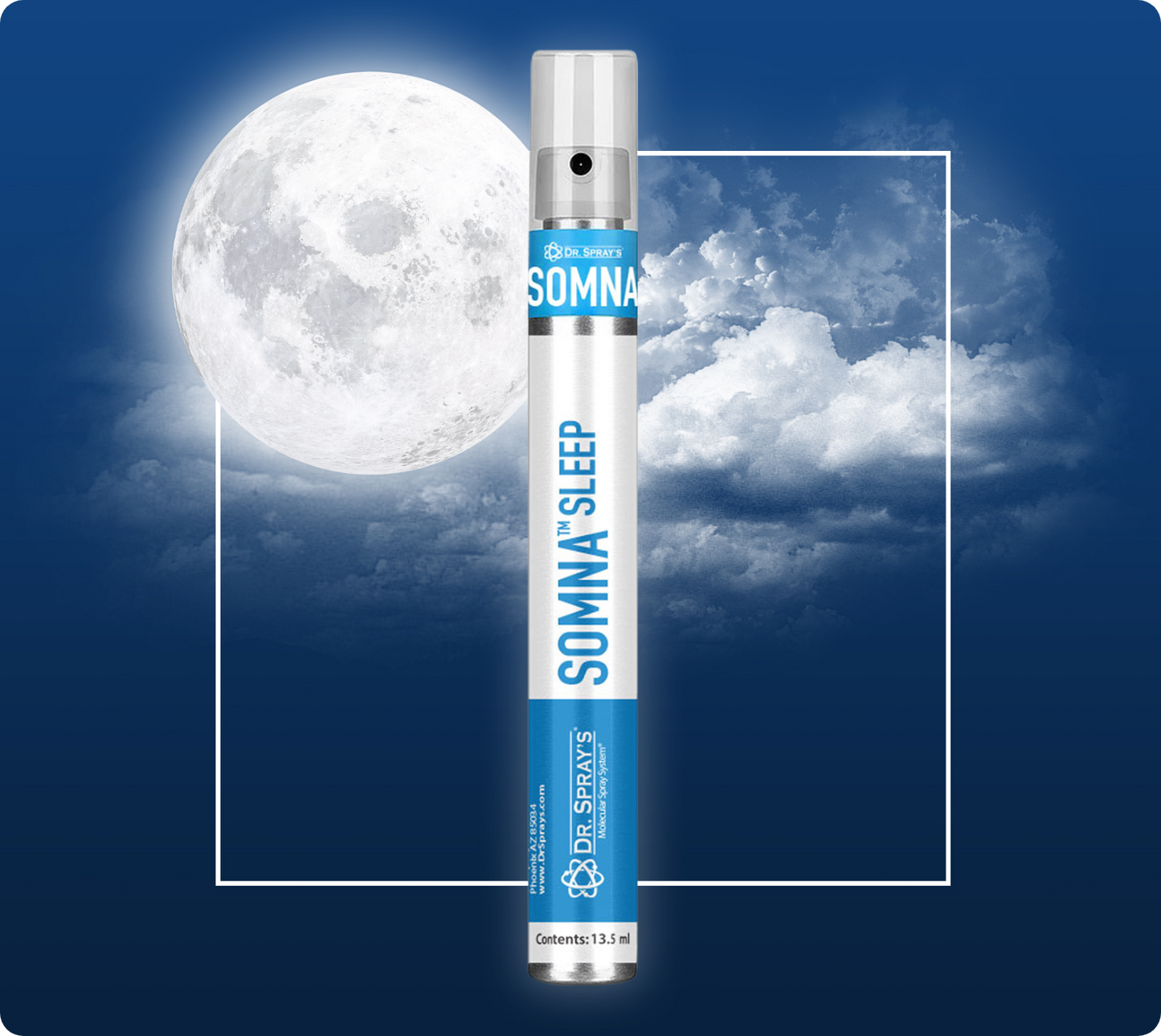
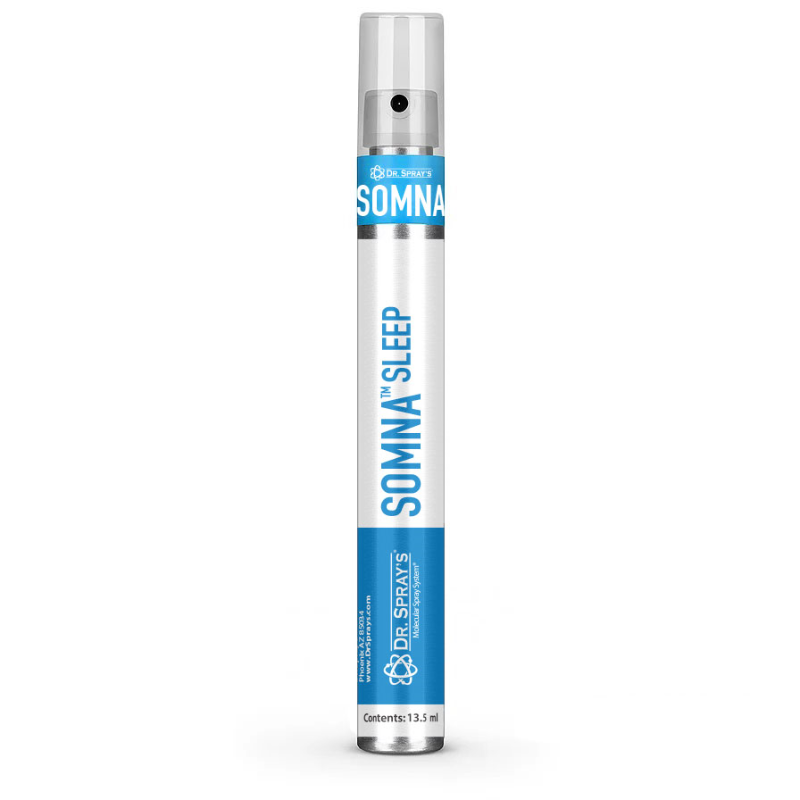
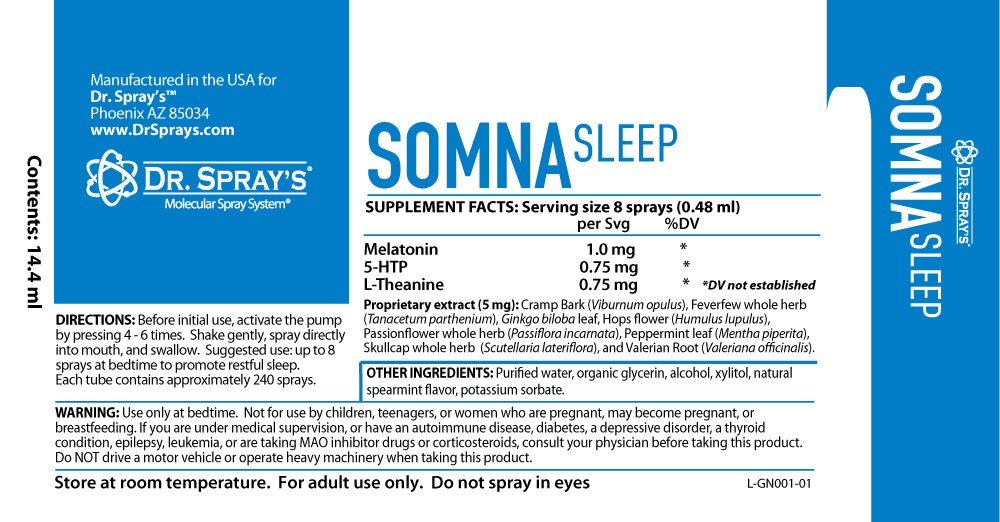
Specialized sleep spray formulations can include ingredients like melatonin, L-theanine, magnesium, and B vitamins in carefully balanced amounts. These doctor-developed formulas support the body's natural sleep processes without harsh chemicals or sedatives.
Supporting Overall Health
General health impacts sleep quality. A comprehensive multi-vitamin spray can help fill nutritional gaps that might otherwise affect sleep, mood, and daytime energy levels.
Quality and Safety Standards
When choosing vitamin spray products for your child, look for those manufactured in FDA-registered, GMP-certified facilities. Products made in Phoenix, Arizona facilities that meet these rigorous standards offer the quality assurance parents need when supporting their children's health.
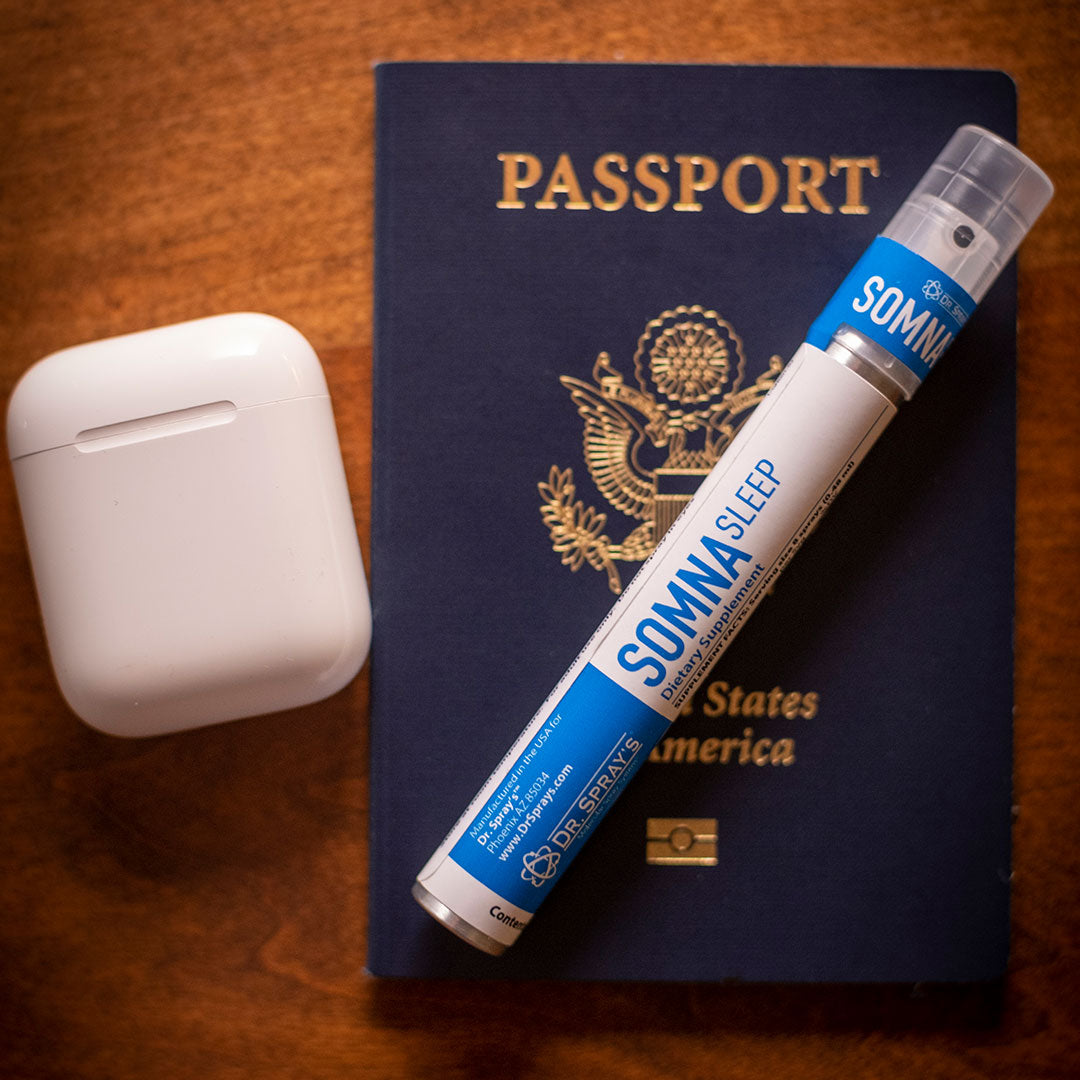
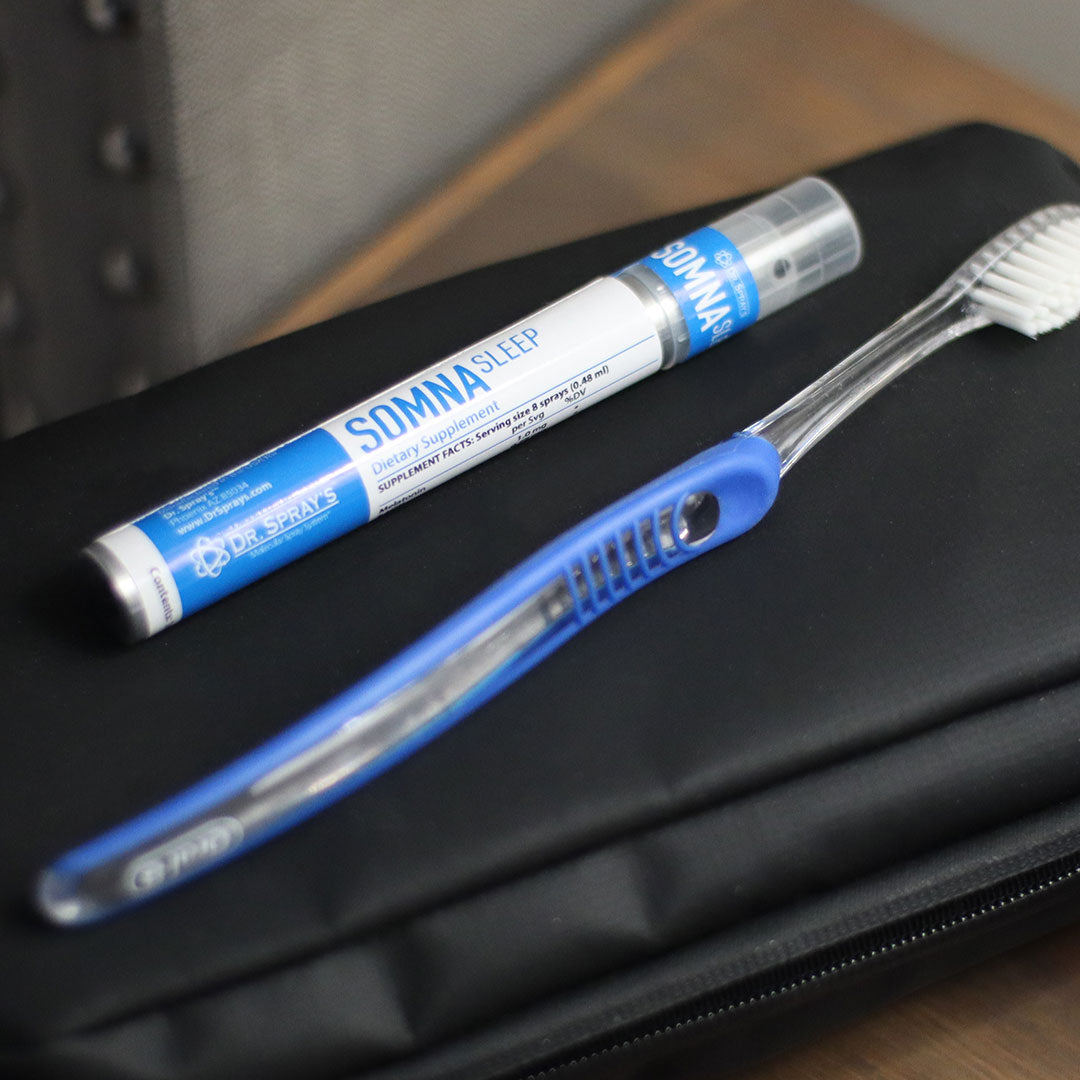
The sleep support spray from DrSprays represents this commitment to quality, combining effective ingredients with the convenience and superior absorption of spray delivery.
Creating a Family Sleep Culture
Children learn by example. When the entire family prioritizes healthy sleep habits, children receive consistent messages about sleep's importance.
Model Good Sleep Hygiene
Let your children see you:
- Maintaining consistent sleep schedules
- Winding down with calming activities
- Limiting your own screen time before bed
- Discussing how sleep affects your mood and performance
Make Sleep a Positive Topic
Frame sleep as something wonderful rather than a punishment or obligation. Talk about how sleep helps them grow stronger, learn better, and have more fun during the day. Share stories about dreams, discuss the fascinating science of sleep, and celebrate successful nights.
Frequently Asked Questions
What is the fastest way to get an 8-year-old to fall asleep?
The fastest approach combines multiple strategies: ensure the room is cool and dark, implement deep breathing exercises, maintain a consistent bedtime routine, and ensure adequate physical activity during the day. Progressive muscle relaxation immediately before sleep can also help children fall asleep within 10-15 minutes. However, remember that "fast" sleep should not be forced—the goal is creating conditions where sleep happens naturally and easily.
How much sleep does an 8-year-old actually need?
Eight-year-olds typically need 10-11 hours of sleep per night, with the American Academy of Pediatrics recommending 9-12 hours for children ages 6-12. Individual needs vary slightly, but you can gauge if your child is getting enough sleep by observing their daytime behavior—well-rested children wake naturally, have good energy throughout the day, and don't experience significant mood fluctuations.
Are vitamin sprays safe for children?
High-quality vitamin spray products manufactured in FDA-registered facilities using GMP-certified processes are safe for children when used according to directions. Oral spray vitamins actually offer advantages for children, including easier administration than pills, better absorption rates, and gentler effects on the stomach. Always consult your pediatrician before starting any new supplement, and choose products specifically formulated for children or with appropriate dosing guidelines.
Why does my child have trouble falling asleep but seems tired?
This paradox often occurs due to overstimulation before bedtime (especially screen exposure), nutritional deficiencies, insufficient physical activity, or anxiety. Children may also be experiencing "overtired" syndrome—when they push past their natural sleep window, stress hormones like cortisol spike, making it harder to fall asleep despite exhaustion. Addressing these factors through better sleep hygiene, appropriate nutrition including vitamin D3 spray and vitamin B12 spray if deficient, and consistent routines typically resolves this issue.
Can melatonin supplements help 8-year-olds sleep?
Melatonin can be effective for some children with specific sleep issues, but it should not be a first-line solution. Try behavioral and environmental modifications first. If considering melatonin, consult your pediatrician about appropriate dosing and timing. Spray supplements containing melatonin may offer more precise dosing and faster absorption than pills, but medical guidance is essential for children.
What should I do if my child wakes up in the middle of the night?
Keep interactions brief, calm, and boring. Avoid turning on bright lights, engaging in conversation, or bringing your child to common areas. Reassure them briefly, ensure they're comfortable, and encourage them to use relaxation techniques like deep breathing. If middle-of-the-night waking persists, evaluate daytime naps (which should be phased out by age 8), caffeine intake, and potential sleep disorders requiring medical attention.
How long should a bedtime routine take for an 8-year-old?
An effective bedtime routine typically takes 30-60 minutes from the start of wind-down activities to lights out. This allows adequate time for the body to transition from active to restful states. The routine should include predictable elements like bathing, brushing teeth, reading, and quiet conversation, performed in the same order each night.
Is it normal for my 8-year-old to resist bedtime?
Yes, bedtime resistance is common at this age as children assert independence and want to stay part of family activities. Combat this by involving your child in creating the bedtime routine, offering limited choices within boundaries (which book to read, which pajamas to wear), and maintaining firm, calm consistency about bedtime. Explain the reasons sleep matters using age-appropriate concepts they can understand.
Conclusion: Building Lifelong Healthy Sleep Habits
Helping your 8-year-old fall asleep quickly requires patience, consistency, and a multifaceted approach addressing environmental, behavioral, nutritional, and emotional factors. The strategies outlined in this guide—from optimizing the sleep environment to implementing relaxation techniques to ensuring adequate nutrition through diet and quality spray supplements—work together to create conditions where sleep happens naturally.
Remember that establishing new habits takes time. Most children need 2-4 weeks to adjust to new routines, so persist even if you don't see immediate results. The investment you make now in healthy sleep habits will benefit your child far beyond childhood, establishing patterns that support lifelong wellness.
By prioritizing sleep as a family value, creating consistent routines, addressing nutritional needs with high-quality supplements like those developed by doctors and manufactured in Phoenix, Arizona facilities, and maintaining patience through the learning process, you're giving your child one of the greatest gifts possible—the foundation for healthy growth, learning, and emotional wellbeing.
Support Your Child's Sleep Naturally
Quality sleep starts with complete nutrition. DrSprays offers doctor-developed oral spray vitamins with up to 90% absorption rate to help fill nutritional gaps that may affect your child's sleep quality and overall health.
Our specialized formulations are manufactured in an FDA-registered, GMP-certified facility right here in Phoenix, Arizona, ensuring the highest quality standards for your family.
Explore our sleep-supporting products:
- Sleep Support Spray - Natural sleep support with melatonin and calming nutrients
- Vitamin D3 Spray - Support healthy sleep-wake cycles and mood regulation
- Vitamin B12 Spray - Essential for nervous system health and stress management
- Complete Multi-Vitamin Spray - Fill nutritional gaps that impact sleep and overall wellness