Getting a 10-year-old to sleep on time can feel like an impossible challenge for many parents. Between homework, screen time, extracurricular activities, and natural developmental changes, children in this age group often struggle with establishing healthy sleep patterns. Understanding the science behind sleep and implementing practical strategies can make bedtime smoother for the whole family.
Quality sleep is essential for children's physical growth, cognitive development, emotional regulation, and immune function. When kids don't get enough rest, it affects their school performance, mood, and overall health. This comprehensive guide explores proven methods to help your 10-year-old fall asleep faster and sleep better through the night.
Understanding Sleep Needs for 10-Year-Olds
According to the American Academy of Pediatrics, children ages 6-12 years need 9-12 hours of sleep per night. At age 10, most children fall somewhere in the middle of this range, typically requiring about 10-11 hours of quality sleep to function optimally.
During this developmental stage, children experience significant changes in their circadian rhythms. Their bodies naturally want to stay awake later in the evening, while school schedules still demand early morning wake times. This biological shift, combined with increased academic and social demands, creates a perfect storm for sleep difficulties.
Signs Your Child Isn't Getting Enough Sleep
- Difficulty waking up in the morning
- Increased irritability or mood swings
- Trouble concentrating on homework or during school
- Falling asleep during car rides or quiet activities
- Changes in appetite or energy levels
- More frequent illnesses or longer recovery times
Creating the Ideal Sleep Environment
The bedroom environment plays a crucial role in how quickly and how well your child falls asleep. Small adjustments to their sleep space can yield significant improvements.
Temperature and Lighting
Keep the bedroom cool—between 65-68°F is ideal for sleep. Install blackout curtains or shades to block outside light, which can interfere with melatonin production. Consider using a dim red or amber nightlight if your child prefers not sleeping in complete darkness, as these wavelengths don't disrupt circadian rhythms like blue light does.
Noise Control
A quiet environment promotes better sleep, but some children benefit from white noise machines that mask disruptive sounds like traffic or household noises. Choose consistent, gentle sounds rather than varying or jarring noises.
Comfortable Bedding
Invest in age-appropriate bedding that keeps your child comfortable throughout the night. Breathable cotton sheets, a supportive pillow, and a mattress that provides proper spinal alignment all contribute to better sleep quality.
Establishing a Consistent Bedtime Routine
A predictable bedtime routine signals to your child's brain that sleep time is approaching. Consistency is key—following the same sequence every night helps establish strong sleep associations.
The 60-Minute Wind-Down
Begin your child's bedtime routine about an hour before their target sleep time. This gradual transition helps their body shift from active daytime mode to restful sleep mode.
Sample bedtime routine for 9:00 PM bedtime:
- 8:00 PM - End all screen time (TV, tablets, phones, video games)
- 8:10 PM - Light snack if needed, brush teeth, use bathroom
- 8:20 PM - Change into comfortable pajamas
- 8:30 PM - Quiet activity (reading, coloring, puzzles, gentle stretching)
- 8:45 PM - Dim lights, get into bed
- 8:50 PM - Brief conversation about the day or reading together
- 9:00 PM - Lights out, sleep time
Age-Appropriate Independence
At 10 years old, children can handle many parts of their bedtime routine independently. This builds responsibility while still maintaining parental involvement in the most important elements like tucking in and saying goodnight.
The Screen Time Problem
Electronic devices emit blue light that suppresses melatonin production and keeps the brain in an alert state. For 10-year-olds, screen time before bed is one of the most common sleep disruptors.
Implementing Screen Curfews
Establish a firm rule that all screens turn off at least one hour before bedtime. This includes televisions, computers, tablets, smartphones, and video game consoles. Keep devices out of the bedroom entirely if possible, charging them in a common area overnight.
If homework requires device use in the evening, enable blue light filters or use blue light blocking glasses, and try to complete digital work earlier in the evening rather than right before bed.
Nutrition and Hydration for Better Sleep
What your child eats and drinks in the hours before bed directly impacts sleep quality. Strategic nutritional choices can promote relaxation and faster sleep onset.
Evening Eating Guidelines
Serve dinner at least 2-3 hours before bedtime to allow proper digestion. Large, heavy meals close to sleep time can cause discomfort and make falling asleep difficult. If your child needs an evening snack, choose options that promote sleep:
- Banana with almond butter
- Whole grain crackers with cheese
- Oatmeal with a small amount of honey
- Greek yogurt with berries
- Warm milk (dairy or non-dairy)
Managing Hydration
Ensure your child stays well-hydrated throughout the day, but taper liquid intake in the evening. Stop large drinks about an hour before bed to minimize nighttime bathroom trips that disrupt sleep.
The Role of Essential Nutrients
Certain vitamins and minerals support healthy sleep patterns. Vitamin B12 helps regulate circadian rhythms and supports energy metabolism, while Vitamin D3 influences sleep duration and quality. Magnesium promotes muscle relaxation and calms the nervous system.
Many children don't get optimal amounts of these sleep-supporting nutrients from diet alone. Modern oral spray vitamins offer an efficient delivery method that's easier for kids to take than large pills. Our vitamin B12 spray and vitamin D3 spray products, developed by healthcare professionals in Phoenix, Arizona, provide rapid absorption—up to 90%—compared to traditional tablets.
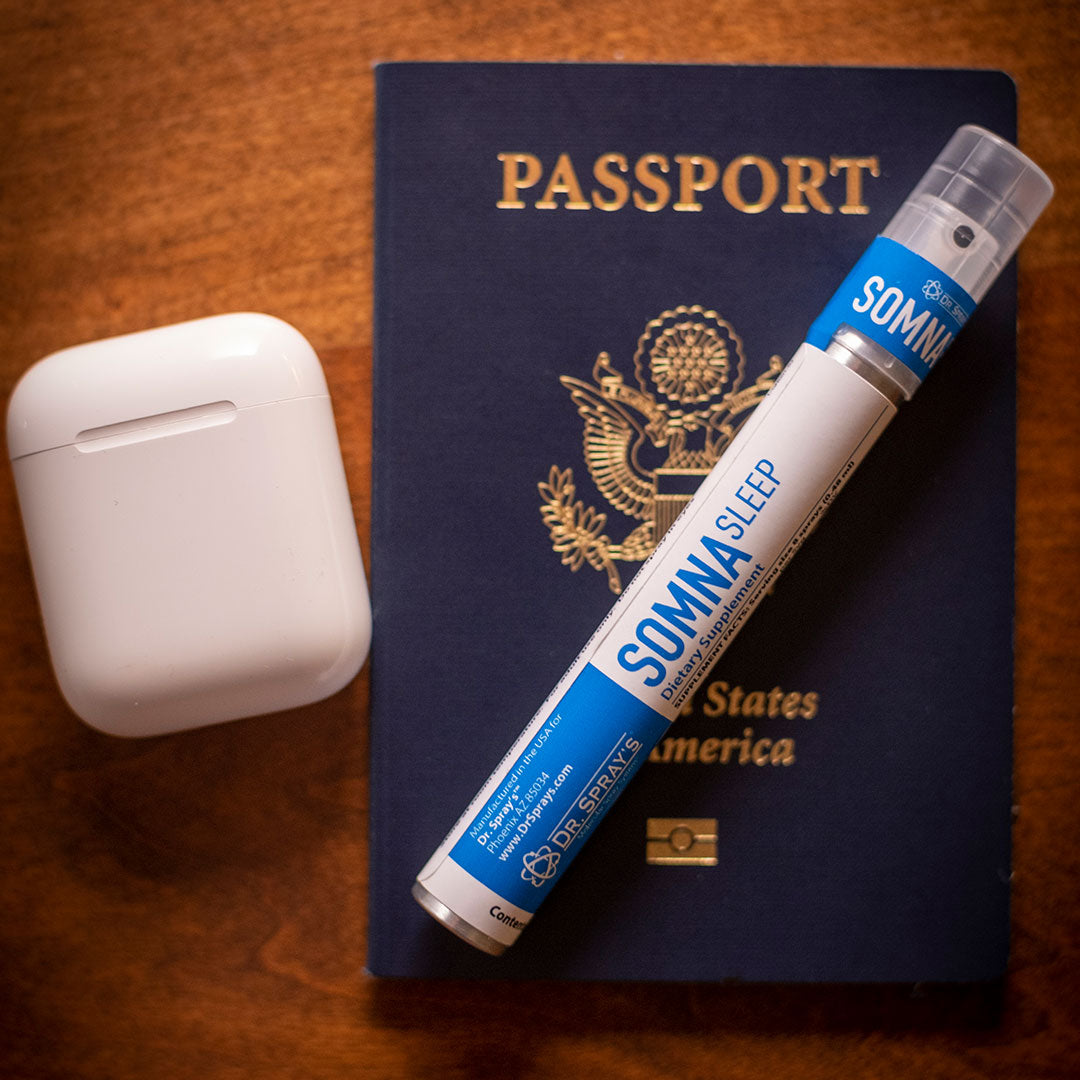
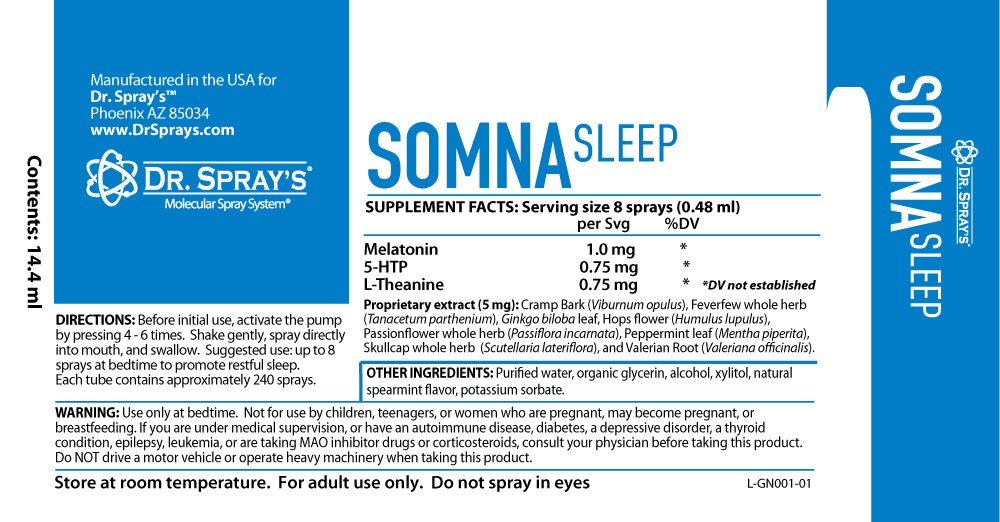
For children experiencing persistent sleep difficulties, our Somna sleep spray contains natural ingredients specifically formulated to support healthy sleep patterns without harsh chemicals. The convenient spray format makes it easy to incorporate into your child's bedtime routine.
Physical Activity and Sleep Connection
Regular physical activity is one of the most powerful natural sleep aids for children. Exercise helps regulate circadian rhythms, reduces stress, and creates the physical tiredness that promotes deeper sleep.
Timing Matters
Encourage at least 60 minutes of moderate to vigorous physical activity daily, but time it appropriately. Morning and afternoon exercise provides the best sleep benefits. Avoid intense physical activity within 2-3 hours of bedtime, as it can be stimulating and make falling asleep harder.
Gentle activities like stretching, yoga, or a short evening walk can actually promote relaxation and are fine closer to bedtime.
Managing Stress and Anxiety
Ten-year-olds face increasing academic pressures, social challenges, and developmental anxieties that can keep them awake at night. Addressing emotional wellbeing is essential for good sleep.
Worry Time
Establish a "worry time" earlier in the evening where your child can discuss concerns with you. This prevents anxious thoughts from dominating bedtime. Keep a journal near the bed where they can write down worries to address the next day—getting them out of their head and onto paper helps many children let go.
Relaxation Techniques
Teach your child simple relaxation methods they can use independently:
- Deep breathing: Inhale for 4 counts, hold for 4, exhale for 4, repeat 5-10 times
- Progressive muscle relaxation: Tense and release each muscle group from toes to head
- Guided imagery: Visualize peaceful scenes like floating on clouds or walking through a calm forest
- Gratitude practice: Think of three good things from the day
When to Seek Professional Help
Most sleep issues improve with consistent implementation of healthy sleep habits. However, certain signs indicate it's time to consult your child's pediatrician or a sleep specialist:
- Persistent difficulty falling asleep despite good sleep hygiene (lasting more than a month)
- Loud snoring or breathing pauses during sleep
- Frequent nightmares or night terrors
- Sleepwalking or other unusual sleep behaviors
- Excessive daytime sleepiness affecting school performance
- Sudden changes in sleep patterns accompanied by other health concerns
Sleep disorders like sleep apnea, restless leg syndrome, or insomnia can affect children and require medical evaluation and treatment.
The Parent's Role in Sleep Success
Your own sleep habits and attitudes significantly influence your child's sleep patterns. Children model what they observe, so demonstrate good sleep hygiene yourself.
Maintaining Consistency
The biggest challenge for most families is maintaining consistent bedtimes and routines on weekends and during breaks. While some flexibility is fine, dramatic shifts in sleep schedules make it harder for children to fall asleep when needed. Try to keep bedtimes and wake times within an hour of the regular schedule, even on non-school days.
Being Patient with Changes
When implementing new sleep strategies, give them time to work. It typically takes 2-3 weeks for new habits to become established. Stay consistent even when you don't see immediate results.
Special Considerations for Different Seasons
Sleep needs and patterns can shift with seasonal changes. In Phoenix, Arizona, and other sunny climates, the intense summer heat can make sleep challenging. Use air conditioning to maintain cool bedroom temperatures, and ensure your child stays well-hydrated throughout the day.
During shorter winter days, reduced sunlight exposure can affect circadian rhythms. Encourage outdoor time in natural light after school to help regulate sleep-wake cycles. Consider vitamin D3 spray supplements during months with limited sun exposure to support sleep regulation and overall health.
Technology Solutions That Actually Help
While screens before bed are problematic, certain technology can support better sleep when used appropriately:
- Sleep tracking apps: Help children understand their sleep patterns (used on parents' devices, not in the bedroom)
- Meditation apps: Provide guided relaxation exercises for bedtime
- Smart lights: Gradually dim in the evening and brighten in the morning to support natural rhythms
- White noise apps: Create consistent ambient sound (played on devices outside the bedroom)
Building Long-Term Healthy Sleep Habits
The sleep strategies you implement now create patterns that benefit your child well into adolescence and adulthood. Prioritizing sleep teaches children that rest is valuable and essential, not optional or something to sacrifice for other activities.
Involve your 10-year-old in understanding why sleep matters. Explain how it helps them perform better in sports, remember what they learn in school, and feel happier overall. When children understand the reasons behind rules, they're more likely to cooperate.
Frequently Asked Questions
What time should a 10-year-old go to bed?
If your child needs to wake at 7:00 AM for school and requires 10 hours of sleep, bedtime should be around 9:00 PM. Adjust based on individual wake times and sleep needs. The ideal bedtime ensures your child gets 9-12 hours of sleep before their morning alarm.
Why won't my 10-year-old fall asleep at bedtime?
Common causes include too much screen time before bed, irregular sleep schedules, inadequate physical activity during the day, anxiety or stress, uncomfortable sleep environment, or underlying sleep disorders. Evaluate each potential factor and address them systematically. If problems persist despite implementing good sleep hygiene, consult your pediatrician.
Is it normal for 10-year-olds to fight bedtime?
Some resistance to bedtime is developmentally normal as children seek more independence and control. However, consistent bedtime battles often signal that routines need adjustment or that your child isn't tired enough at the designated bedtime. Ensure adequate daytime physical activity, limit evening screen time, and maintain consistent schedules to reduce resistance.
Can vitamins help my child sleep better?
Certain nutrients support healthy sleep patterns. Vitamin B12 helps regulate circadian rhythms, vitamin D3 influences sleep quality and duration, and magnesium promotes relaxation. While vitamins aren't sleep medications, ensuring your child receives adequate amounts of sleep-supporting nutrients can improve overall sleep quality. Vitamin spray supplements offer high absorption rates and are easier for children to take than pills.
Should I let my 10-year-old sleep in on weekends?
Sleeping in up to one hour later on weekends is generally fine, but more than that can disrupt your child's circadian rhythm and make falling asleep on Sunday night difficult. Try to maintain consistent sleep and wake times within an hour of the regular schedule throughout the week.
What should I do if my child wakes up in the middle of the night?
Teach your child to stay in bed quietly, practice relaxation breathing, and avoid turning on bright lights or screens. If nighttime waking is frequent, evaluate potential causes: bedroom temperature, noise disruptions, anxiety, or too much evening fluid intake. Keep interactions brief and boring to avoid reinforcing wakefulness.
Are melatonin supplements safe for 10-year-olds?
While melatonin is generally considered safe for short-term use, always consult your pediatrician before giving any sleep supplements to children. Start with behavioral strategies and improved sleep hygiene first. If supplements are recommended, choose products specifically formulated for children and use the lowest effective dose. Natural alternatives like our Somna sleep spray contain carefully selected ingredients that support healthy sleep patterns.
How long does it take to establish a new sleep routine?
Most children adapt to new sleep routines within 2-3 weeks of consistent implementation. Be patient and maintain the same schedule even if you don't see immediate improvements. Consistency is more important than perfection—occasional deviations won't derail progress as long as you return to the routine promptly.
Take Action for Better Sleep Tonight
Helping your 10-year-old develop healthy sleep habits is one of the most valuable gifts you can give them. Quality sleep supports every aspect of their growth, development, and daily functioning—from academic performance to emotional wellbeing to physical health.
Start by implementing one or two strategies from this guide tonight. Perhaps begin with eliminating screens an hour before bed and establishing a consistent bedtime. Add additional changes gradually as your family adjusts to new routines.
At DrSprays, we understand that optimal health includes quality nutrition to support all of life's processes—including restful sleep. Our doctor-developed spray supplements are manufactured in our FDA-registered, GMP-certified facility in Phoenix, Arizona, with a focus on maximum absorption and effectiveness. From our B12 spray that supports healthy circadian rhythms to our specially formulated sleep spray, we offer convenient solutions that fit seamlessly into your family's routine.
Good sleep is foundational to your child's success and happiness. With patience, consistency, and the right strategies, you can help your 10-year-old develop sleep habits that will benefit them for life. Sweet dreams start with smart choices today.
Ready to support your child's sleep with premium-quality supplements? Explore our full range of oral spray vitamins designed for superior absorption and easy use. Have questions? Our team is here to help you find the right products for your family's wellness needs.