Sleep challenges affect children of all ages, but 11-year-olds face unique obstacles as they navigate the transition between childhood and adolescence. Between homework, extracurricular activities, screen time, and social pressures, pre-teens often struggle to get the recommended 9-11 hours of sleep they need each night.
Establishing healthy sleep habits during these formative years sets the foundation for long-term wellness. This comprehensive guide explores evidence-based strategies to help 11-year-olds develop consistent sleep routines and address common barriers to restful nights.
Understanding Sleep Needs at Age 11
According to the American Academy of Sleep Medicine, children aged 6-12 require 9-12 hours of sleep per 24-hour period. At age 11, most pre-teens need closer to the upper end of this range as their bodies prepare for the rapid growth and hormonal changes of puberty.
Sleep isn't just about rest—it's when the body performs critical functions including:
- Consolidating memories and learning from the day
- Releasing growth hormones essential for physical development
- Strengthening the immune system
- Regulating emotions and mood
- Processing and storing new information
When 11-year-olds don't get adequate sleep, they may experience difficulty concentrating in school, increased irritability, weakened immunity, and challenges with emotional regulation.
Common Sleep Obstacles for Pre-Teens
Academic and Social Pressures
The transition to middle school often brings increased homework loads, more complex social dynamics, and heightened performance expectations. These stressors can make it difficult for young minds to "switch off" at bedtime.
Screen Time and Blue Light Exposure
Electronic devices emit blue light that suppresses melatonin production, the hormone that signals the body it's time to sleep. Many 11-year-olds use phones, tablets, or computers right up until bedtime, disrupting their natural sleep-wake cycle.
Shifting Circadian Rhythms
As children approach adolescence, their internal clocks naturally shift later. This biological change, combined with early school start times, creates a mismatch between when pre-teens feel tired and when they need to wake up.
Nutritional Gaps
Inadequate intake of certain vitamins and minerals can interfere with sleep quality. Deficiencies in vitamin D, B vitamins, and magnesium have all been linked to sleep disturbances in children and adolescents.
Establishing an Effective Bedtime Routine
A consistent bedtime routine signals to the brain that it's time to wind down. The key is starting the routine at the same time each night, even on weekends.
The 60-Minute Wind-Down
Begin the bedtime routine approximately one hour before lights-out. This transition period helps the body gradually shift from daytime alertness to nighttime relaxation.
60 minutes before bed: Turn off all screens and devices. Consider implementing a family charging station outside bedrooms where all devices "sleep" for the night.
45 minutes before bed: Engage in calm activities like reading, light stretching, or quiet conversation. This is an excellent time for children to prepare items for the next day—laying out clothes, packing backpacks, or organizing school materials.
30 minutes before bed: Begin personal hygiene routines including showering or bathing, brushing teeth, and changing into comfortable sleepwear.
15 minutes before bed: Settle into bed with dimmed lights. This might include reading a book, practicing gentle breathing exercises, or listening to calming music.
Creating a Sleep-Friendly Environment
The bedroom environment significantly impacts sleep quality. Optimize the sleep space by addressing these factors:
- Temperature: Keep the room cool, ideally between 60-67°F (15-19°C)
- Darkness: Use blackout curtains or shades to block external light
- Noise: Minimize disruptive sounds with white noise machines if needed
- Comfort: Ensure the mattress and pillows provide adequate support
- Organization: Maintain a clutter-free space that promotes relaxation
The Role of Nutrition in Sleep Quality
What children eat—and when they eat it—directly affects their ability to fall asleep and stay asleep throughout the night.
Foods That Support Healthy Sleep
Certain nutrients promote the production of sleep-regulating neurotransmitters and hormones:
- Complex carbohydrates (whole grains, oatmeal) increase serotonin availability
- Tryptophan-rich foods (turkey, eggs, dairy) serve as building blocks for melatonin
- Magnesium sources (leafy greens, nuts, seeds) support muscle relaxation
- Calcium-containing foods help the brain use tryptophan to manufacture melatonin
Timing Evening Meals and Snacks
Finish dinner at least 2-3 hours before bedtime to allow for proper digestion. Large meals close to bedtime can cause discomfort and interfere with sleep onset.
If an 11-year-old needs a bedtime snack, choose light options that combine protein with complex carbohydrates, such as whole grain crackers with cheese or a small banana with almond butter.
Supporting Sleep with Vitamin Supplementation
Even with a balanced diet, many children don't get optimal levels of sleep-supporting nutrients. Vitamin B12 spray and vitamin D3 spray can help address common deficiencies that impact sleep quality.
Vitamin D plays a crucial role in regulating sleep patterns. Research shows that vitamin D deficiency is associated with shorter sleep duration and poor sleep quality in children. Since many 11-year-olds spend significant time indoors and use sunscreen when outside, they may not produce adequate vitamin D through sun exposure alone.
B vitamins, particularly B12, support the production of melatonin and help regulate the body's circadian rhythm. A vitamin B12 spray offers superior absorption compared to traditional pills, making it easier for children's bodies to utilize these essential nutrients.
Oral spray vitamins provide an advantage for pre-teens who may struggle to swallow pills or whose digestive systems don't efficiently absorb nutrients from tablets. With absorption rates up to 90%, spray supplements deliver nutrients directly into the bloodstream through the oral mucosa.
Physical Activity and Sleep Connection
Regular physical activity improves both sleep quality and duration in children. Exercise helps regulate circadian rhythms, reduces stress and anxiety, and promotes physical tiredness that supports natural sleep onset.
Timing Exercise for Optimal Sleep
While physical activity benefits sleep, timing matters. Vigorous exercise within 2-3 hours of bedtime can be stimulating and make it harder to fall asleep. Encourage 11-year-olds to complete intense activities earlier in the day, saving gentle stretching or yoga for evening hours.
Aim for at least 60 minutes of moderate to vigorous physical activity daily, as recommended by the Centers for Disease Control and Prevention. This can include organized sports, active play, bike riding, swimming, or family walks.
Managing Stress and Anxiety at Bedtime
Pre-teens often experience worries about school performance, friendships, and fitting in. These concerns can become particularly prominent when lying in bed with few distractions.
Relaxation Techniques for Young Minds
Teaching 11-year-olds evidence-based relaxation strategies gives them tools to manage bedtime anxiety:
Deep breathing exercises: Practice the 4-7-8 technique—breathe in for 4 counts, hold for 7 counts, exhale for 8 counts. This activates the parasympathetic nervous system, promoting relaxation.
Progressive muscle relaxation: Systematically tense and release muscle groups from toes to head, helping children identify and release physical tension.
Guided imagery: Visualize peaceful, calming scenes in detail, engaging all five senses to create a mental escape from worries.
Gratitude practice: Spend a few minutes reflecting on three positive things from the day, shifting focus from worries to appreciation.
The Worry Journal Strategy
If racing thoughts prevent sleep, encourage children to keep a notebook by the bed. Writing down worries or tomorrow's to-do items helps externalize concerns, making it easier to let them go for the night.
Limiting Caffeine and Sugar Intake
Many parents don't realize how much caffeine their children consume through sodas, energy drinks, chocolate, and even some medications. Caffeine has a half-life of 5-6 hours, meaning that a caffeinated beverage consumed at 3 PM still has significant amounts in the system at bedtime.
Establish a "no caffeine" rule for 11-year-olds, or at minimum, restrict any caffeinated products to morning hours only.
Similarly, high sugar intake in the evening can cause energy spikes and crashes that interfere with sleep onset and quality. Limit sugary snacks and desserts to earlier in the day, choosing protein and complex carbohydrate combinations for evening snacks instead.
The Importance of Consistency
The single most important factor in establishing healthy sleep patterns is consistency. Going to bed and waking up at the same time every day—including weekends—helps regulate the body's internal clock.
Avoiding the Weekend Sleep Schedule Trap
While it's tempting to let pre-teens sleep in on weekends, dramatic shifts in sleep schedules create "social jet lag" that makes Monday mornings particularly difficult. Try to keep weekend wake times within one hour of weekday schedules.
If an 11-year-old is consistently tired despite adequate time in bed, this may indicate poor sleep quality or an underlying sleep disorder that warrants consultation with a pediatrician.
When to Seek Professional Help
While most sleep challenges respond to behavioral and environmental interventions, certain symptoms indicate the need for professional evaluation:
- Loud snoring or gasping during sleep
- Difficulty falling asleep that persists beyond 30 minutes nightly
- Frequent nighttime awakenings
- Excessive daytime sleepiness despite adequate time in bed
- Persistent nightmares or night terrors
- Unusual movements during sleep
These symptoms could indicate conditions such as sleep apnea, restless leg syndrome, or other sleep disorders that require medical intervention.
Building Healthy Sleep Habits for Life
The sleep habits established during pre-adolescence often carry into the teenage years and beyond. By prioritizing healthy sleep practices now, parents help their 11-year-olds develop patterns that will serve them throughout life.
Remember that change takes time. When implementing new sleep routines, be patient and consistent. Most children adapt to new schedules within 2-3 weeks if the routine remains steady.
The Family Sleep Culture
Children learn by example. When parents prioritize their own sleep and model healthy bedtime routines, children understand that sleep is valuable and non-negotiable. Consider making sleep a family priority, with all members committing to consistent schedules and pre-bed wind-down routines.
Creating a home environment that values rest over constant productivity sends an important message about self-care and wellness that will benefit children well beyond their 11th year.
Frequently Asked Questions
What time should an 11-year-old go to bed?
If an 11-year-old needs to wake up at 7 AM for school and requires 9-10 hours of sleep, bedtime should be between 8:30-9:30 PM. Calculate backwards from your child's wake time, adding their required sleep duration plus 15-20 minutes for the time it takes to fall asleep. Consistency matters more than the exact time—choose a schedule that works for your family and maintain it every night.
Why can't my 11-year-old fall asleep at night?
Common reasons include too much screen time before bed, an irregular sleep schedule, caffeine consumption, lack of physical activity during the day, stress or anxiety, or a bedroom environment that isn't conducive to sleep. Pre-teens also naturally experience a shift in their circadian rhythm that makes them feel alert later in the evening. Address these factors systematically to identify what's affecting your child's sleep onset.
Can vitamins help my child sleep better?
Certain vitamin deficiencies can interfere with sleep quality. Vitamin D and B vitamins play important roles in regulating sleep-wake cycles and producing sleep-related hormones. Oral spray vitamins offer superior absorption compared to pills, making them an effective way to address nutritional gaps. However, vitamins should complement—not replace—healthy sleep hygiene practices like consistent routines and appropriate bedtimes.
Is it normal for 11-year-olds to resist bedtime?
Yes, bedtime resistance is common at this age as children assert independence and want to participate in "grown-up" activities. Combat this by involving your child in creating their bedtime routine, explaining the science behind why sleep matters, and establishing clear, non-negotiable boundaries around sleep time. Consistency and following through with consequences for not adhering to bedtime helps reinforce expectations.
How long does it take to establish a new sleep routine?
Most children adapt to new sleep schedules within 2-3 weeks of consistent implementation. The key is maintaining the routine every single night, including weekends and holidays. Initial resistance is normal—stay patient and firm. Once the new pattern becomes habit, children typically accept it as the standard routine.
Should I let my 11-year-old sleep in on weekends?
While occasional extra sleep can help if a child is sleep-deprived during the week, regularly sleeping in more than one hour past the weekday wake time can disrupt circadian rhythms and make Monday mornings more difficult. Instead of dramatic weekend schedule shifts, focus on ensuring your child gets adequate sleep every night of the week by maintaining consistent bedtimes.
What should I do if my child wakes up in the middle of the night?
Brief awakenings are normal—everyone cycles through sleep stages throughout the night. Teach your child to stay in bed quietly if they wake up, practice relaxation breathing, and avoid turning on bright lights or screens. If middle-of-the-night awakenings persist for more than 20-30 minutes or occur frequently, evaluate factors like room temperature, noise, mattress comfort, or potential anxiety issues that may be disrupting sleep.
Are melatonin supplements safe for 11-year-olds?
While melatonin supplements are sometimes used for children with sleep difficulties, they should only be given under the guidance of a pediatrician. The long-term effects of melatonin supplementation in children aren't fully understood. Before considering supplements, exhaust behavioral and environmental interventions. If sleep problems persist despite proper sleep hygiene, consult your child's doctor to rule out underlying issues and discuss appropriate interventions.
About the Author
This article was developed by the research team at DrSprays, drawing on pediatric sleep science, nutritional research, and clinical guidelines for healthy sleep practices in pre-adolescent children. DrSprays is committed to providing evidence-based information that helps families make informed decisions about health and wellness.
Support Your Child's Sleep with Quality Nutrition
While establishing healthy sleep routines is the foundation of good rest, ensuring your 11-year-old receives adequate nutrition supports their body's natural sleep processes. Many children don't get optimal levels of sleep-supporting vitamins through diet alone.
DrSprays offers doctor-developed vitamin spray supplements manufactured in our FDA-registered, GMP-certified facility in Phoenix, Arizona. Our oral spray vitamin formulations provide up to 90% absorption, delivering nutrients efficiently without the need to swallow pills.
Our Vitamin D3 spray helps regulate circadian rhythms and supports the sleep-wake cycle, while our Vitamin B12 spray aids in melatonin production and nervous system function. Both are formulated specifically for optimal bioavailability.
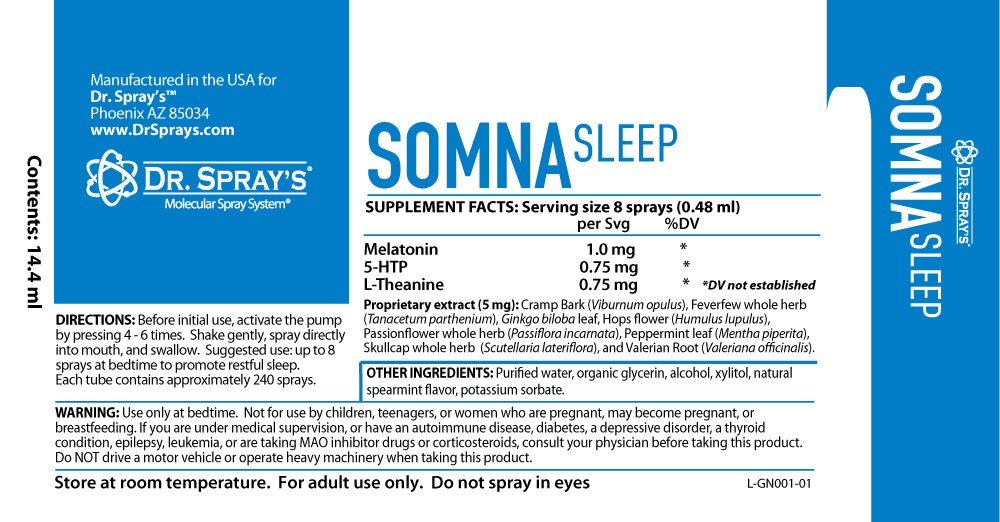
For targeted sleep support, consider our Sleep spray (Somna), which combines carefully selected ingredients to promote natural, restful sleep without morning grogginess.
Explore our complete line of spray supplements designed to support your family's health and wellness. Every product is backed by scientific research and manufactured to the highest quality standards in Phoenix, Arizona.
Give your child the nutritional foundation for better sleep. Shop DrSprays today and experience the difference that superior absorption makes.