The 2-year-old sleep regression can catch even experienced parents off guard. After months of peaceful nights, your toddler suddenly refuses bedtime, wakes frequently, or rises before dawn. This challenging phase typically emerges between 18 months and 2.5 years, disrupting the sleep patterns you worked so hard to establish.
Understanding why this regression happens—and having practical strategies to address it—can help your family navigate this temporary but exhausting period. Let's explore the science behind this developmental milestone and discover evidence-based solutions that support your child's growth while protecting everyone's sleep.
Why Does the 2-Year-Old Sleep Regression Happen?
Sleep regression at age two isn't random—it reflects significant developmental changes occurring in your toddler's brain and body. Multiple factors converge during this period, creating the perfect storm for sleep disruption.
Rapid Cognitive and Physical Development
Your 2-year-old is experiencing explosive brain growth. Language skills expand dramatically, with vocabulary increasing from roughly 50 words to over 200 words in just months. Motor skills advance rapidly as toddlers master running, climbing, and jumping. This developmental surge continues processing during sleep, sometimes causing restlessness and night wakings.
The brain consolidates new skills and experiences during deep sleep cycles. When learning accelerates, the consolidation process can temporarily disrupt normal sleep architecture, leading to frequent wakings or difficulty settling.
Emerging Independence and Boundary Testing
Two-year-olds develop a strong sense of autonomy. They want control over their environment, including when and how they sleep. This newfound independence manifests as bedtime resistance, negotiation attempts, and testing parental limits.
Your toddler may suddenly demand "one more story," insist on specific pajamas, or refuse to lie down. These behaviors reflect normal developmental progression, not defiance, though they certainly feel challenging at 9 PM.
Separation Anxiety Resurgence
While separation anxiety typically peaks around 8-10 months, it can resurface during the 2-year-old stage. Your child's growing imagination allows them to conjure fears about being alone, creating genuine distress at bedtime.
This anxiety isn't manipulation—your toddler lacks the cognitive ability to fake emotions. They genuinely feel worried when separated from you, particularly in the vulnerable transition to sleep.
Physical Changes and Nutrition Needs
Growth patterns shift around age two. Some toddlers experience growth spurts that increase hunger, while others see appetite decreases as growth rate slows. These changes can affect sleep quality and overnight wakings.
Nutritional gaps during this picky eating phase may contribute to sleep difficulties. Many toddlers develop strong food preferences, potentially missing essential nutrients that support healthy sleep cycles, including vitamin B12 for neurological function and vitamin D3 for mood regulation.
Signs Your 2-Year-Old Is Experiencing Sleep Regression
Sleep regression manifests differently across children, but common patterns help identify when you're dealing with this developmental phase versus other sleep issues.
Bedtime Resistance and Prolonged Settling
Your previously cooperative toddler suddenly requires extensive negotiation before sleep. They may protest loudly, leave their bed repeatedly, or request endless curtain calls. What once took 15 minutes now stretches to an hour or more.
Frequent Night Wakings
Children who slept through the night begin waking multiple times. These wakings may include crying out for parents, difficulty self-soothing, or full alertness requiring significant intervention to return to sleep.
Early Morning Waking
Your toddler wakes before 6 AM, fully energized and ready to start the day. Unlike brief early stirrings, these wakings involve complete alertness and inability to return to sleep.
Nap Disruptions
Previously reliable naps become battles. Your child may refuse naps entirely, take significantly shortened naps, or resist naptime with the same intensity as bedtime.
Increased Clinginess and Nighttime Fears
Your toddler expresses new fears about darkness, shadows, or being alone. They may insist you stay in the room until they're asleep or become distressed when you leave.
Evidence-Based Strategies To Handle Sleep Regression
Managing the 2-year-old sleep regression requires patience, consistency, and understanding. These strategies address the underlying developmental changes while supporting healthy sleep habits.
Maintain Consistent Sleep Routines
Consistency provides security during developmental turbulence. Establish a predictable bedtime sequence that signals sleep approaching. An effective routine might include:
- Bath or face/hands washing
- Brushing teeth
- Putting on pajamas
- Reading 2-3 books
- Singing a lullaby or quiet conversation
- Lights out and sleep
Execute this routine at the same time each night, even on weekends. Predictability reduces anxiety and helps your toddler's body anticipate sleep.
Create an Optimal Sleep Environment
Environmental factors significantly impact toddler sleep quality. Optimize your child's bedroom:
- Temperature: Maintain 68-72°F for comfortable sleep
- Darkness: Use blackout curtains to eliminate light disruption
- White noise: Consistent sound masks household noises
- Safety: Remove climbing hazards if your toddler leaves their bed
- Comfort items: Allow one or two special loveys or blankets
Address Separation Anxiety Appropriately
Validate your toddler's feelings while maintaining boundaries. Acknowledge their emotions: "I know you feel worried when I leave. You're safe in your cozy bed, and I'm right down the hall."
Consider a gradual approach if anxiety is severe. Sit in a chair near the bed initially, then progressively move the chair toward the door over several nights. This technique, called "camping out," provides reassurance while teaching independent sleep skills.
Offer Appropriate Choices
Give your 2-year-old controlled choices that honor their need for autonomy without compromising sleep. Options might include:
- "Would you like to wear the blue pajamas or the red ones?"
- "Should we read the truck book or the animal book first?"
- "Do you want your teddy bear or your blanket tonight?"
These choices provide a sense of control while you maintain authority over non-negotiables like bedtime itself.
Ensure Adequate Daytime Physical Activity
Active toddlers sleep better. Provide ample opportunity for physical play, ideally including outdoor time. Morning and early afternoon activity proves most beneficial—avoid vigorous play within three hours of bedtime, as it can be overstimulating.
Optimize Nutrition for Sleep Support
Nutritional deficiencies can compound sleep difficulties during this already challenging phase. Focus on balanced meals including:
- Complex carbohydrates that support serotonin production
- Protein sources containing tryptophan (turkey, chicken, eggs, cheese)
- Calcium-rich foods that help the brain use tryptophan effectively
- Magnesium sources (bananas, whole grains) that promote relaxation
Many toddlers struggle to obtain adequate nutrients through diet alone during picky eating phases. Oral spray vitamins offer an effective alternative, providing superior absorption compared to traditional supplements that toddlers often refuse or can't swallow.
Manage Overtiredness Carefully
Counterintuitively, overtired toddlers sleep worse than well-rested ones. When children become too tired, stress hormones like cortisol increase, making it harder to fall and stay asleep.
Watch for sleep cues: eye rubbing, decreased activity, fussiness, or loss of interest in play. Respond promptly rather than pushing through to a later bedtime. Most 2-year-olds need 11-14 hours of total sleep across a 24-hour period.
Handle Night Wakings Consistently
When your toddler wakes at night, respond calmly but avoid creating new sleep associations. Keep interactions brief, boring, and dimly lit. Reassure your child, resettle them if needed, and leave the room.
Consistency matters more than the specific approach. Whether you prefer staying briefly until they settle or offering comfort from the doorway, maintain the same response each time.
Supporting Your Toddler's Overall Wellness During Sleep Regression
Sleep regression doesn't occur in isolation—it affects your child's entire wellbeing. Taking a holistic approach supports not just better sleep but overall health during this developmental transition.
Prioritize Immune System Support
Sleep deprivation affects immune function in both children and adults. During regression periods, your toddler may become more susceptible to common illnesses, further disrupting sleep patterns.
Support immune health through balanced nutrition, adequate hydration, and appropriate supplementation when needed. Vitamin C combined with zinc provides targeted immune support that's particularly valuable during challenging developmental phases.
Monitor Energy Levels and Mood
Sleep-deprived toddlers often experience mood swings, increased tantrums, and difficulty regulating emotions. This creates a challenging cycle: poor sleep causes behavioral issues, which stress the family system, potentially worsening sleep further.
B vitamins play a crucial role in energy metabolism and nervous system function. If your toddler seems particularly drained or irritable during sleep regression, nutritional support may help. Vitamin B12 spray provides targeted support for energy and neurological health with superior absorption compared to pills or gummies.
Address Nutritional Gaps From Picky Eating
The 2-year-old stage often coincides with peak picky eating. Limited food variety can create nutritional gaps that affect sleep quality, immune function, and overall development.
When whole food nutrition proves challenging, spray supplements offer a practical solution. Developed by healthcare professionals in our FDA-registered, GMP-certified facility in Phoenix, Arizona, our vitamin sprays deliver up to 90% absorption—significantly higher than traditional supplements.
When Sleep Regression Becomes More Than a Phase
Most sleep regressions resolve within 2-6 weeks as your toddler adjusts to new developmental milestones. However, certain signs indicate when professional evaluation is appropriate.
Warning Signs Requiring Medical Attention
Consult your pediatrician if you observe:
- Loud snoring, gasping, or breathing pauses during sleep
- Extreme resistance to sleep lasting beyond 6-8 weeks
- Sleep disruption accompanied by developmental regression
- Excessive daytime sleepiness despite adequate nighttime sleep opportunity
- Night terrors or sleepwalking occurring frequently
- Signs of sleep-disordered breathing
Underlying Medical Conditions
Occasionally, persistent sleep problems indicate underlying medical issues rather than typical regression. Conditions that can masquerade as sleep regression include:
- Sleep apnea or enlarged tonsils/adenoids
- Gastroesophageal reflux
- Food sensitivities or allergies
- Iron deficiency anemia
- Vitamin D deficiency
If standard sleep interventions prove ineffective after several weeks, discuss these possibilities with your healthcare provider.
Caring for Yourself While Managing Sleep Regression
Parental wellbeing directly impacts your ability to handle toddler sleep challenges. Sleep-deprived parents struggle with patience, consistency, and emotional regulation—the very skills needed most during regression periods.
Share Nighttime Responsibilities
If you have a co-parent, divide night duties to ensure each adult gets some consolidated sleep. Alternating nights "on duty" or splitting the night into shifts allows for recovery sleep crucial to functioning.
Prioritize Your Own Nutrition
Sleep deprivation increases cortisol and inflammatory markers while decreasing immune function. Support your body through this demanding period with adequate nutrition and hydration.
When exhaustion makes meal planning difficult, vitamin sprays provide convenient nutritional insurance. Our Ubiquinol CoQ10 spray supports cellular energy production—particularly valuable when functioning on limited sleep.
Seek Support From Your Community
Connect with other parents navigating similar challenges. Whether through local parent groups, online communities, or friends with same-age children, shared experiences provide perspective and practical strategies.
Don't hesitate to ask family or trusted friends for specific help: a few hours of childcare so you can nap, meal preparation assistance, or simply someone to listen without judgment.
Looking Beyond the Regression
The 2-year-old sleep regression feels endless when you're in the midst of it, but this phase is temporary. Your consistent, patient approach during this challenging period teaches your toddler valuable skills that extend far beyond sleep.
By maintaining routines, setting appropriate boundaries, and addressing your child's developmental needs, you're building a foundation for healthy sleep habits that will serve them throughout childhood. The strategies you implement now—from consistent bedtime routines to nutritional support—create patterns that benefit your child's wellbeing for years to come.
Remember that regression is actually progression in disguise. Your 2-year-old's sleep disruption signals important developmental advances in independence, cognition, and self-awareness. These changes, though exhausting in the moment, represent healthy growth.
Frequently Asked Questions About 2-Year-Old Sleep Regression
How long does the 2-year-old sleep regression typically last?
Most 2-year-old sleep regressions last between 2-6 weeks. Duration varies based on the child's temperament, consistency of parental response, and underlying developmental factors. Some children move through this phase in just a couple of weeks, while others may take up to two months to fully adjust. Maintaining consistent routines and sleep practices helps minimize the duration.
Should I let my 2-year-old cry it out during sleep regression?
The decision about sleep training methods remains personal and depends on your parenting philosophy and your child's temperament. However, during active regression periods, purely extinction-based approaches ("cry it out") may be less effective because the underlying issue is developmental rather than behavioral. Gentler methods that provide reassurance while maintaining boundaries often work better during regression phases. Consider graduated extinction or camping out methods that offer support while encouraging independent sleep.
Can nutritional deficiencies cause sleep problems in toddlers?
Yes, several nutritional deficiencies can contribute to sleep difficulties. Iron deficiency may cause restless leg syndrome and frequent night wakings. Vitamin D deficiency has been linked to sleep disorders and shorter sleep duration. B vitamins support nervous system function and healthy sleep-wake cycles. Magnesium aids in relaxation and sleep quality. If your toddler is a particularly picky eater during this phase, consider discussing supplementation with your pediatrician. Spray supplements often work well for toddlers who resist pills or gummies.
Is it normal for my 2-year-old to suddenly need me in the room to fall asleep?
Yes, this represents a common manifestation of 2-year-old sleep regression. The combination of separation anxiety resurgence, growing imagination, and awareness of being alone can create genuine distress about independent sleep. This doesn't mean your child is manipulating you or that you've created a "bad habit." Address the need with gradual independence-building rather than abrupt changes. Start by staying until they're drowsy but not fully asleep, gradually reducing your presence over time.
Should I drop the nap if my 2-year-old is resisting it?
Most 2-year-olds still benefit from one nap daily, even during regression periods when they resist it. Complete nap elimination at this age often leads to overtiredness, which paradoxically worsens nighttime sleep. Instead of dropping the nap entirely, try adjusting timing or duration. Moving naptime 30 minutes earlier or later may help, or shortening the nap to 60-90 minutes can preserve its restorative benefits without interfering with nighttime sleep. True readiness to drop naps typically occurs closer to age 3-4.
How can I tell if my toddler's sleep problems are regression or something more serious?
Sleep regression typically involves changes in previously established patterns—a child who slept well suddenly doesn't. Problems resolve or improve significantly within 4-6 weeks with consistent intervention. Warning signs that suggest something beyond typical regression include: loud snoring or gasping, extreme daytime sleepiness, developmental regression in other areas, physical symptoms like chronic congestion or reflux, or complete inability to fall asleep independently despite months of consistency. If you're concerned, consult your pediatrician to rule out medical causes like sleep apnea, reflux, or nutritional deficiencies.
Can vitamin sprays help with my toddler's sleep during regression?
While vitamin sprays don't directly "cure" sleep regression (which is developmental), they can support overall wellness during this challenging phase. Adequate vitamin D supports healthy sleep-wake cycles and mood regulation. B vitamins help with energy metabolism and nervous system function. When toddlers experience sleep deprivation from regression, immune systems become more vulnerable, making vitamin C and zinc support valuable. Oral spray vitamins provide superior absorption compared to pills or gummies—particularly helpful for toddlers who are picky about taking supplements. Our formulas are developed by healthcare professionals in our Phoenix, Arizona facility and provide up to 90% absorption. Always consult your pediatrician before starting any supplement regimen.
What's the best bedtime for a 2-year-old during sleep regression?
Most 2-year-olds thrive with a bedtime between 7:00-8:00 PM, though optimal timing depends on your child's wake time and nap schedule. During regression, you might need to adjust bedtime temporarily. If your toddler is overtired from poor previous night's sleep, moving bedtime 15-30 minutes earlier can help break the overtired cycle. Conversely, if they're taking a very long time to fall asleep despite appropriate sleep habits, bedtime might be slightly too early. The key is consistency—once you identify the right bedtime for your child, maintain it even during regression.
About the Author
This article was developed by the wellness team at DrSprays, drawing on current pediatric sleep research and nutritional science. Our team includes healthcare professionals dedicated to providing evidence-based information about child development, sleep health, and nutritional support. Based in Phoenix, Arizona, we operate an FDA-registered, GMP-certified facility producing high-quality oral spray vitamins designed for superior absorption and ease of use. Our products are developed with input from medical professionals and manufactured to the highest quality standards, providing families with reliable nutritional support during all developmental stages.
Support Your Family's Wellness During Sleep Challenges
Navigating the 2-year-old sleep regression requires energy, patience, and optimal health for both you and your toddler. When nutrition gaps occur during picky eating phases or stressful developmental periods, quality supplementation makes a meaningful difference.
DrSprays offers doctor-developed vitamin spray supplements with up to 90% absorption—significantly higher than traditional pills or gummies. Our pharmaceutical-grade formulas are manufactured in our FDA-registered, GMP-certified facility in Phoenix, Arizona, ensuring the highest quality standards.
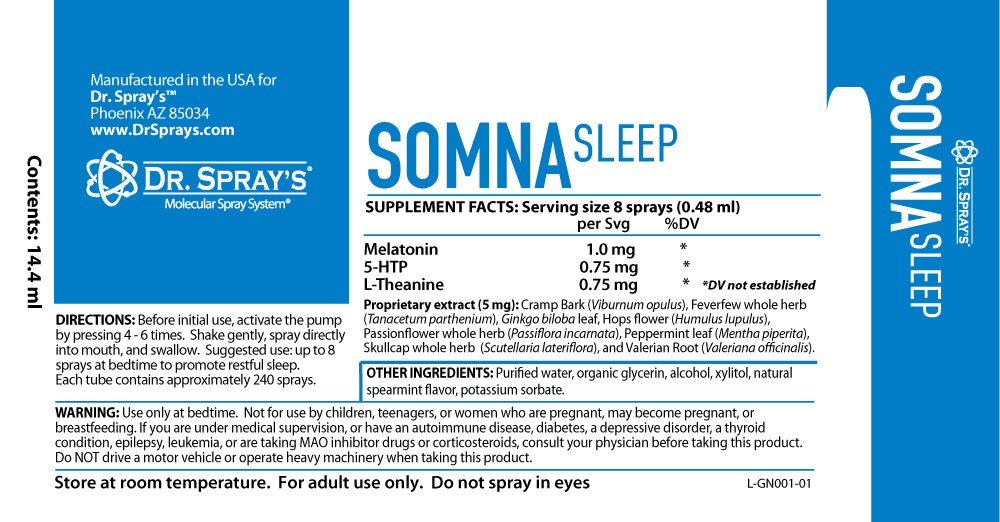
Whether you need vitamin D3 support for mood and sleep regulation, B12 for energy, or our gentle Somna sleep support spray for your own rest during this challenging phase, our innovative oral spray delivery provides convenient, effective nutritional support for the whole family.
Explore our complete line of vitamin sprays and discover how superior absorption and convenient delivery can support your family's wellness during sleep regression and beyond.