Getting a one-year-old to sleep through the night represents one of the most challenging milestones for parents. At this age, children experience significant developmental changes, nutritional needs, and sleep pattern adjustments that can disrupt previously established routines. Understanding the physiological factors behind sleep disruptions—including nutrient deficiencies—can help you create an effective strategy for better rest for the whole family.
Understanding Sleep Patterns in One-Year-Olds
At twelve months, most children need approximately 12-14 hours of total sleep per day, typically divided between nighttime sleep (10-12 hours) and one or two daytime naps. However, achieving this consolidated sleep doesn't happen automatically for all children.
During the first year, infants transition from newborn sleep patterns characterized by frequent waking every few hours to more mature sleep cycles. By their first birthday, many toddlers can physically sleep through the night without feeding, though developmental factors, sleep associations, and nutritional status all influence whether they actually do.
Developmental Factors Affecting Sleep
One-year-olds undergo rapid cognitive and physical development that can temporarily disrupt sleep. They're learning to walk, developing language skills, experiencing separation anxiety, and processing new information daily. These developmental leaps often coincide with sleep regressions—periods when previously good sleepers suddenly begin waking frequently.
Understanding that these disruptions are typically temporary helps parents respond with patience rather than abandoning sleep strategies that were previously effective.
The Role of Nutrition in Sleep Quality
Adequate nutrition plays a crucial role in sleep quality for toddlers. Several vitamins and minerals directly influence sleep regulation, immune function, and overall health—all of which affect how well a child sleeps through the night.
Vitamin D and Sleep Regulation
Vitamin D deficiency has been linked to sleep disturbances in children. This vitamin influences the production of serotonin, which helps regulate sleep-wake cycles. Research suggests that children with adequate vitamin D levels experience better sleep quality and duration.
For toddlers who have limited sun exposure or darker skin pigmentation, supplementation may be beneficial. Traditional vitamin drops can be challenging to administer to resistant toddlers, making vitamin D3 spray formats an easier alternative for some families.
B Vitamins and Nervous System Function
B vitamins, particularly B6 and B12, support healthy nervous system function and neurotransmitter production. B12 specifically helps regulate circadian rhythms—the internal biological clock that signals when to sleep and wake.
While one-year-olds typically get adequate B vitamins from a varied diet including meats, eggs, and fortified foods, picky eaters or children following restricted diets may benefit from supplementation under pediatric guidance. Vitamin B12 spray products offer absorption advantages over traditional pills or gummies that young children may reject or have difficulty consuming safely.
Magnesium and Sleep Onset
Magnesium supports relaxation and helps regulate melatonin, the hormone responsible for signaling sleep time. Foods rich in magnesium include leafy greens, whole grains, and legumes—foods that many one-year-olds don't consume in large quantities.
Before adding any supplement, consult your pediatrician about whether your child might benefit from magnesium supplementation and the appropriate dosage for their age and weight.
Creating an Effective Sleep Environment
The physical environment significantly impacts a toddler's ability to fall asleep and stay asleep throughout the night. Optimizing these conditions creates a foundation for successful sleep habits.
Temperature and Darkness
The ideal room temperature for toddler sleep ranges from 68-72°F (20-22°C). Rooms that are too warm or too cold can cause frequent waking. Complete darkness signals the brain to produce melatonin, making blackout curtains a worthwhile investment for families dealing with early morning waking or difficulty falling asleep during lighter summer evenings.
White Noise and Sound Control
Consistent, low-level white noise can mask household sounds that might wake a light sleeper. Many families in active neighborhoods or multi-family homes find that white noise machines help their toddlers sleep more soundly through normal environmental disruptions.
Establishing Consistent Bedtime Routines
Predictable bedtime routines help one-year-olds transition from active play to sleep. A consistent sequence of calming activities signals that sleep time is approaching, allowing the body to begin producing sleep hormones naturally.
Effective Routine Components
An effective bedtime routine for a one-year-old typically lasts 20-30 minutes and includes three to five calming activities performed in the same order each night. Examples include:
- Bath time with warm (not hot) water
- Gentle massage with lotion
- Putting on pajamas
- Reading one or two books
- Singing a lullaby or quiet song
- Placing the child in the crib while drowsy but still awake
The final step—putting your child down before they're fully asleep—helps them learn to fall asleep independently, a skill that becomes essential when they wake during normal sleep cycles overnight.
Timing Considerations
The timing of bedtime matters as much as the routine itself. Watch for sleep cues like eye rubbing, yawning, or decreased activity. Starting the routine when your child shows these signs, but before they become overtired, increases the likelihood of smooth sleep onset.
Overtired toddlers produce cortisol, a stress hormone that makes falling asleep more difficult and leads to more frequent night waking. Most one-year-olds need a bedtime between 6:30-8:00 PM, depending on when they wake in the morning and when their last nap ended.
Addressing Common Sleep Disruptors
Even with optimal nutrition, environment, and routines, specific issues can prevent one-year-olds from sleeping through the night. Identifying and addressing these disruptors often resolves persistent sleep problems.
Separation Anxiety
Separation anxiety typically peaks between 10-18 months as toddlers develop object permanence—the understanding that things exist even when out of sight. This developmental milestone can cause increased night waking and difficulty with initial sleep onset.
Responding to separation anxiety with brief, boring check-ins (rather than extended interaction or bringing the child out of the crib) helps provide reassurance while reinforcing that nighttime is for sleeping. Practicing brief separations during daytime play also helps toddlers build confidence that caregivers always return.
Teething Discomfort
One-year-olds are often cutting their first molars, which can be particularly uncomfortable. While teething can cause temporary sleep disruptions, it's important not to attribute all sleep issues to teething, which can lead to missing other addressable causes.
If you suspect teething is causing night waking, discuss appropriate pain relief options with your pediatrician. Once discomfort is addressed, maintain consistent sleep expectations rather than introducing new habits (like rocking to sleep) that will need to be eliminated later.
Inappropriate Sleep Associations
Sleep associations are the conditions a child needs to fall asleep. If a toddler can only fall asleep while being rocked, fed, or held, they'll need these same conditions when they naturally wake between sleep cycles during the night.
Gradually reducing reliance on external sleep associations helps toddlers develop self-soothing skills. This process takes patience and consistency but results in independent sleep that benefits the entire family.
Nutritional Strategies for Better Sleep
Beyond specific vitamins and minerals, overall nutrition patterns influence sleep quality in one-year-olds. Strategic food timing and selection can support better overnight rest.
Dinner Timing and Content
Offering dinner 2-3 hours before bedtime allows adequate digestion time while preventing hunger from disrupting sleep. Include protein, complex carbohydrates, and healthy fats to provide sustained energy through the night.
Some parents find that toddlers sleep better when dinner includes foods naturally rich in sleep-supporting nutrients like tryptophan (found in turkey, chicken, eggs, and cheese) or complex carbohydrates that facilitate tryptophan uptake.
Bedtime Snack Considerations
For toddlers who consistently wake hungry, a small bedtime snack 30-45 minutes before sleep may help. Appropriate options include a small serving of whole grain crackers with cheese, yogurt with berries, or banana with nut butter (if no allergies exist).
Avoid sugary snacks close to bedtime, as blood sugar fluctuations can cause night waking. Similarly, limit liquids too close to sleep to reduce overnight diaper fullness that might cause discomfort.
The Absorption Advantage of Spray Supplements
When pediatricians recommend supplementation for toddlers with specific nutritional deficiencies affecting sleep, the delivery method matters. Traditional supplements designed for young children include liquid drops, dissolvable powders, or chewable options—each with distinct advantages and challenges.
Oral spray vitamins offer several practical benefits for families with young children. The spray format eliminates choking hazards associated with pills or gummies, simplifies administration for resistant toddlers, and provides rapid absorption through the oral mucosa.
Developed by healthcare professionals and manufactured in Phoenix, Arizona, at FDA-registered, GMP-certified facilities, quality spray supplements deliver nutrients with absorption rates significantly higher than traditional oral tablets that must survive the digestive process.
For families considering supplementation, discussing spray vitamin options with your pediatrician may provide a practical solution that's easier to administer consistently—and consistency is key when addressing nutritional factors affecting sleep.
When to Consult Healthcare Professionals
While many sleep challenges in one-year-olds resolve with environmental adjustments and routine consistency, certain situations warrant professional evaluation.
Signs That Professional Help May Be Needed
Contact your pediatrician if your one-year-old experiences:
- Loud snoring or breathing pauses during sleep (possible sleep apnea)
- Extreme difficulty falling asleep despite appropriate routines
- Persistent night terrors or unusual nighttime behaviors
- Excessive daytime sleepiness despite seemingly adequate nighttime sleep
- Sudden changes in sleep patterns accompanied by other symptoms
Additionally, if you suspect nutritional deficiencies may be affecting your child's sleep, request bloodwork to assess vitamin D, iron, and B12 levels before beginning supplementation. Targeted supplementation based on actual deficiencies proves more effective than generalized approaches.
Sleep Training Approaches for One-Year-Olds
For families who have addressed environmental, nutritional, and routine factors but still struggle with night waking, structured sleep training methods may help. Several evidence-based approaches exist, each with different levels of parental involvement and child distress.
Gradual Approaches
Gentle sleep training methods involve slowly reducing parental intervention at sleep onset and during night wakings. For example, you might gradually move a chair farther from the crib each night while your child falls asleep, eventually positioning yourself outside the room.
These methods typically take longer to achieve results but may feel more comfortable for families who prefer minimizing crying. Success requires consistency and patience as changes occur incrementally over several weeks.
Structured Approaches
More structured methods establish clear expectations about nighttime behavior and allow children space to practice self-soothing skills. Parents check on their child at predetermined intervals to provide reassurance without reinstating sleep associations like rocking or feeding.
While these approaches often produce faster results, they require parental consistency and comfort with some protest crying as children adjust to new expectations. Research indicates that when implemented consistently, these methods do not cause long-term emotional harm and result in improved sleep for both children and parents.
Daytime Sleep and Nighttime Success
Counterintuitively, reducing daytime sleep doesn't improve nighttime sleep in young children. Overtired toddlers actually sleep worse at night, waking more frequently and rising earlier than well-rested children.
Optimal Nap Schedules
Most one-year-olds thrive with one or two naps totaling 2-3 hours of daytime sleep. Children who wake around 6-7 AM typically need a morning nap around 9-10 AM and an afternoon nap around 1-2 PM. Those who have transitioned to one nap usually take it in the early afternoon.
Limiting individual naps to no more than 2 hours and ensuring the last nap ends by 3:30-4:00 PM helps protect nighttime sleep. However, eliminating necessary daytime sleep creates an overtired state that worsens nighttime rest.
Creating Age-Appropriate Sleep Expectations
Understanding realistic expectations for one-year-old sleep helps parents assess whether their child's patterns fall within normal ranges or indicate issues requiring intervention.
While "sleeping through the night" is the goal, this doesn't mean 12 uninterrupted hours. For toddlers, sleeping through the night typically means sleeping 10-12 hours with either no wakings or brief wakings where the child returns to sleep independently without parental intervention.
Some completely normal one-year-olds still need one feeding overnight, particularly if they're going through growth spurts or are smaller-statured children. Others may wake briefly but resettle without crying. Both scenarios differ from children who wake multiple times requiring extensive parental intervention to return to sleep.
Frequently Asked Questions
Why does my one-year-old suddenly wake up crying at night?
Sudden night waking in previously good sleepers often relates to developmental leaps, teething, illness, or changes in routine. One-year-olds experience significant cognitive development and may wake due to separation anxiety or practicing new skills like walking. If the waking persists beyond 1-2 weeks or includes other symptoms like fever or decreased appetite, consult your pediatrician to rule out illness or ear infections.
Can vitamin deficiencies really affect my toddler's sleep?
Yes, specific nutritional deficiencies can impact sleep quality. Vitamin D deficiency has been linked to sleep disturbances in children, as this vitamin influences serotonin production and circadian rhythm regulation. Iron deficiency can cause restless leg syndrome even in young children, leading to disrupted sleep. B vitamins, particularly B12, support nervous system function and sleep-wake cycle regulation. If you suspect nutritional factors are affecting your child's sleep, ask your pediatrician about testing vitamin D, iron, and B12 levels.
How long can I let my one-year-old cry before checking on them?
If you're implementing a structured sleep training approach, checking intervals typically range from 3-10 minutes initially, gradually extending to 15-20 minutes. However, always trust your parental instincts—if crying sounds distressed rather than protesting, or if it continues beyond your comfort level, respond to your child. Effective sleep training involves finding a balance between giving your child space to develop self-soothing skills and providing reassurance that you're nearby.
Should I stop night feedings for my one-year-old?
Most one-year-olds can nutritionally sleep through the night without feeding, but some smaller children or those going through growth spurts may still need one feeding. If your child is gaining weight appropriately and eating well during the day, gradual night weaning often improves sleep quality. Discuss your specific situation with your pediatrician, as recommendations vary based on your child's growth, daytime nutrition, and overall health.
Are spray vitamins safe for one-year-olds?
The safety of any supplement depends on the specific formulation, dosage, and your child's individual health needs. Quality spray supplements manufactured in FDA-registered, GMP-certified facilities undergo rigorous testing for purity and potency. However, never begin supplementation without consulting your pediatrician first. They can determine whether your child needs supplementation based on diet, growth patterns, and any symptoms suggesting deficiency, then recommend appropriate products and dosages for your child's age and weight.
What's the best bedtime for a one-year-old?
Most one-year-olds thrive with bedtimes between 6:30-8:00 PM, depending on when they wake in the morning and when their last nap ended. The key is ensuring 10-12 hours between bedtime and morning wake time, and allowing at least 3-4 hours of awake time after the last nap. Watch your individual child for sleep cues like eye rubbing, yawning, or decreased activity—these signals indicate the optimal bedtime window before overtiredness sets in.
How can I tell if my child is waking from hunger or habit?
Children waking from genuine hunger typically eat vigorously when fed and return to sleep quickly afterward. Habitual waking often involves minimal eating, extended time returning to sleep, or waking at predictable times regardless of when they last ate. If your one-year-old is waking to eat but consuming only small amounts or using feeding primarily for comfort rather than nutrition, the waking is likely habitual rather than hunger-driven. Tracking wake times and amounts consumed helps identify patterns.
Can I use melatonin for my one-year-old?
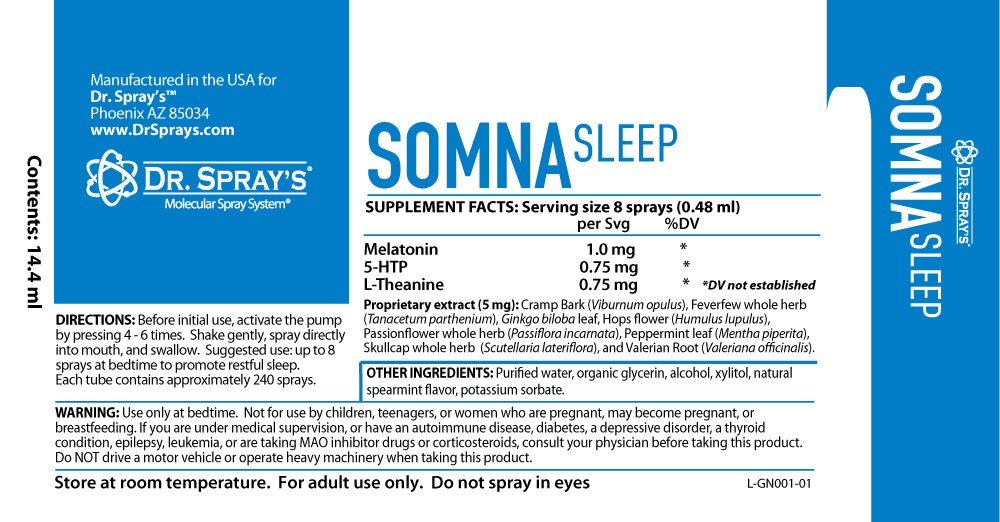
Melatonin supplementation in young children remains controversial and should only be used under direct pediatric supervision. The American Academy of Pediatrics does not recommend routine melatonin use in healthy children, as long-term effects on development remain unknown. Before considering melatonin, exhaust behavioral approaches and ensure no underlying medical issues are causing sleep difficulties. If your pediatrician does recommend melatonin, they'll prescribe the appropriate formulation and dosage for your child's specific situation.
About the Author
This article was written by the content team at DrSprays, a Phoenix, Arizona-based company specializing in doctor-developed oral vitamin sprays. Our products are manufactured in FDA-registered, GMP-certified facilities and designed for optimal absorption. While we provide educational content about nutrition and wellness, always consult qualified healthcare professionals for personalized medical advice regarding your child's specific needs.
Support Your Toddler's Sleep with Proper Nutrition
Helping your one-year-old sleep through the night requires a multifaceted approach addressing environmental factors, consistent routines, and adequate nutrition. When dietary intake alone doesn't meet your child's nutritional needs, quality supplementation under pediatric guidance can make a meaningful difference.
DrSprays offers doctor-developed vitamin spray products manufactured in Phoenix, Arizona, at FDA-registered, GMP-certified facilities. Our spray delivery system provides absorption advantages over traditional supplements, making it easier for families to address nutritional needs that may be affecting sleep quality.
Explore our Vitamin D3 spray and Vitamin B12 spray products, or contact us to learn more about how proper nutrition supports healthy sleep patterns in young children. Remember to always consult your pediatrician before beginning any supplementation regimen for your child.