Sleep challenges with toddlers are among the most common concerns parents face. If your 2-year-old struggles to fall asleep, wakes frequently during the night, or resists bedtime altogether, you're not alone. Understanding the physiological and developmental factors behind these sleep disruptions—and knowing which nutritional support can help—makes a significant difference in establishing healthy sleep patterns for your family.
Understanding Sleep Patterns in 2-Year-Olds
At age two, children typically need 11-14 hours of sleep within a 24-hour period, including nighttime sleep and daytime naps. However, this developmental stage brings significant changes to sleep architecture. Many toddlers transition from two naps to one during this year, which can temporarily disrupt their sleep-wake cycles.
The circadian rhythm—your child's internal biological clock—is still maturing at this age. Environmental cues like light exposure, meal timing, and consistent routines help reinforce these natural patterns. When these signals become inconsistent or when nutritional deficiencies affect sleep-regulating hormones, bedtime becomes a nightly struggle.
Common Sleep Challenges at This Age
Two-year-olds face several developmental milestones that impact sleep quality. Separation anxiety often peaks during this period, making independent sleep more difficult. Additionally, increased imagination can lead to nighttime fears, while newfound independence creates power struggles around bedtime routines.
Physical growth spurts and cognitive development also demand substantial energy, which sometimes manifests as overtiredness—a state where children become too stimulated to settle down properly. This paradoxical reaction explains why an exhausted toddler might resist sleep more fiercely than a well-rested one.
The Science of Sleep and Nutritional Support
Sleep regulation depends on several key nutrients that support neurotransmitter production and hormone balance. Understanding how these nutrients work helps parents address sleep issues at their biological foundation rather than simply managing symptoms.
Essential Nutrients for Healthy Sleep Patterns
Vitamin D3 plays a crucial role in sleep quality through its influence on serotonin production. Research shows that vitamin D deficiency correlates with shorter sleep duration and more frequent night wakings in young children. Since children in Phoenix, Arizona and other sunny climates still experience vitamin D insufficiency due to indoor lifestyles and sunscreen use, supplementation often proves necessary.
B vitamins, particularly vitamin B12, support the production of melatonin—the hormone directly responsible for sleep-wake cycles. A vitamin B12 spray offers an effective delivery method for toddlers who resist pills or gummy vitamins. The methylcobalamin form used in quality oral spray vitamins absorbs rapidly through the mucous membranes, bypassing digestive complications that sometimes reduce nutrient availability.
Magnesium acts as a natural relaxant by regulating GABA receptors in the brain. While not suitable for direct supplementation in very young children without medical guidance, ensuring adequate magnesium intake through diet supports the overall sleep architecture.
How Spray Supplements Support Toddler Sleep
Traditional vitamin delivery methods pose challenges for toddlers. Pills present choking hazards, while gummies often contain excessive sugars and artificial ingredients that may paradoxically disrupt sleep. Spray supplements overcome these obstacles through sublingual and buccal absorption—the vitamin compounds absorb directly through tissues in the mouth.
This delivery method offers several advantages for pediatric use. The dosage control allows parents to adjust serving sizes based on individual needs and body weight. The pleasant taste eliminates medication struggles, while the rapid absorption ensures nutrients reach systemic circulation efficiently. For families in Phoenix, Arizona, where heat and busy schedules sometimes compromise consistent nutrition, vitamin spray products provide convenient nutritional insurance.
Establishing a Sleep-Promoting Bedtime Routine
Consistency forms the foundation of healthy sleep habits. A predictable sequence of calming activities signals to your toddler's nervous system that sleep time approaches, triggering the natural release of sleep-promoting hormones.
Creating the Ideal Sleep Environment
Temperature regulation significantly impacts sleep quality. The ideal bedroom temperature ranges between 68-72°F. In Phoenix, Arizona summers, this often requires air conditioning—an investment in quality sleep for the entire family. Blackout curtains help maintain darkness, which supports melatonin production by preventing light pollution from disrupting circadian rhythms.
White noise machines mask household sounds and street noise that might wake light sleepers. The consistent sound also provides an auditory cue that associates with sleep, similar to how a bedtime story or lullaby signals the transition to rest.
The 30-Minute Wind-Down Protocol
Begin your bedtime routine 30 minutes before target sleep time. Start with a warm bath—the subsequent drop in body temperature after leaving the water mimics the natural temperature decrease that occurs during sleep onset, facilitating the transition to drowsiness.
Follow the bath with quiet activities like reading books or gentle stretching. Avoid screens during this window, as blue light exposure suppresses melatonin production and stimulates alertness. If your child's diet or absorption issues suggest nutritional gaps, this wind-down period provides an ideal time to administer a sleep-supporting vitamin spray, allowing 20-30 minutes for absorption before bed.
Addressing Common Sleep Disruptors
Even with perfect routines, certain factors can undermine sleep quality. Identifying and addressing these disruptors often resolves persistent sleep challenges.
Diet and Evening Meals
Heavy meals within two hours of bedtime can cause discomfort and disrupt sleep. However, going to bed hungry also prevents quality rest. The ideal approach offers a light, protein-containing snack 60-90 minutes before bed—options like a small portion of yogurt, cheese, or nut butter on whole grain crackers provide sustained energy without overwhelming digestion.
Sugar and caffeine sensitivity varies among children, but both substances can significantly impact sleep when consumed in the afternoon or evening. Check ingredient labels on seemingly innocent foods—some children's snacks contain surprising amounts of added sugars that create energy spikes followed by crashes.
Physical Activity and Sleep Connection
Active play during the day promotes better nighttime sleep, but timing matters. Vigorous activity within two hours of bedtime can be overstimulating, making it harder for children to settle. Aim for outdoor play in the morning or early afternoon when possible. For Phoenix, Arizona families, this means taking advantage of cooler morning temperatures before the intense midday heat.
Morning sunlight exposure particularly benefits circadian rhythm regulation. Even 15-20 minutes of outdoor time shortly after waking helps set the biological clock, improving both daytime alertness and nighttime sleepiness.
When Nutritional Support Makes a Difference
Certain signs indicate that nutritional deficiencies might be contributing to sleep difficulties. Persistent sleep problems despite consistent routines, frequent illnesses that disrupt sleep patterns, or picky eating that limits nutrient intake all suggest potential nutritional gaps.
Safe Supplementation for Young Children
Before starting any supplement regimen, consult with your pediatrician to rule out underlying medical conditions and ensure appropriateness for your child's specific situation. When supplementation is recommended, oral spray vitamins designed for children offer several safety advantages.
Quality vitamin spray products manufactured in FDA-registered, GMP-certified facilities in Phoenix, Arizona undergo rigorous testing for purity and potency. Unlike imported supplements with variable quality control, domestically produced spray supplements provide consistent dosing and verified ingredient sourcing.
A comprehensive multi-vitamin spray addresses multiple nutritional needs simultaneously. For children with identified deficiencies, targeted supplements like vitamin D3 spray provide higher concentrations of specific nutrients without excessive doses of others.
Monitoring Response and Adjusting Support
Track sleep patterns for two weeks after implementing new nutritional support. Note bedtime, wake time, number of night wakings, and sleep quality. This documentation helps identify patterns and provides valuable information for healthcare providers if concerns persist.
Improvement typically appears gradually rather than immediately. Most families notice positive changes within one to two weeks of consistent supplementation and routine implementation. If sleep problems continue or worsen despite these interventions, schedule a follow-up with your pediatrician to investigate other potential causes.
Developmental Considerations and Sleep Regressions
Even children with previously excellent sleep habits sometimes experience temporary regressions. Understanding these developmental phases helps parents respond appropriately rather than abandoning successful strategies during challenging periods.
The 2-Year Sleep Regression
Many toddlers experience a sleep regression around their second birthday, coinciding with significant cognitive and physical development. Language explosion, potty training awareness, and increased independence all compete for processing time during sleep, sometimes causing more frequent wakings or difficulty settling.
These regressions typically last 2-6 weeks when parents maintain consistent responses and routines. Resist the urge to introduce new sleep associations (like co-sleeping if that wasn't your previous arrangement) that you don't want to continue long-term. Instead, offer extra comfort within your established framework while ensuring nutritional needs remain met through balanced diet and appropriate supplementation.
Supporting Brain Development During Sleep
Sleep provides critical time for memory consolidation and neural development. The rapid learning occurring at age two requires substantial high-quality sleep to properly encode new information and skills. Nutritional support for cognitive function—including B-complex vitamins and vitamin D—helps maximize the developmental benefits of sleep.
Deep sleep stages, when growth hormone releases most actively, depend on proper nutritional status. Children with insufficient vitamin D or B12 often experience lighter, more fragmented sleep that doesn't provide the same restorative benefits as the deep sleep achieved with optimal nutrition.
Practical Tips for Sleep Success
Implementation matters as much as knowledge. These practical strategies help families translate sleep science into nightly success.
The Consistency Challenge
Maintaining routines requires commitment, especially during weekends, holidays, or travel. However, consistency yields the strongest results. When schedule variations occur, return to your standard routine as quickly as possible rather than allowing temporary changes to become new patterns.
If both parents share bedtime duties, ensure you follow the same sequence and responses. Children quickly detect and exploit inconsistencies, which can undermine otherwise effective strategies.
Managing Resistance and Protests
Expect some pushback when establishing new routines or boundaries. Maintain calm, loving firmness rather than engaging in battles. Offer limited choices within your framework—"Would you like to read two books or three books before bed?"—to provide age-appropriate autonomy while maintaining non-negotiable elements like bedtime itself.
If resistance persists, evaluate whether the schedule truly fits your child's biological needs. Some 2-year-olds genuinely require later bedtimes or have transitioned away from naps earlier than average. Work with your child's natural rhythms rather than against them, while still maintaining structure.
When to Seek Professional Guidance
Most toddler sleep challenges resolve with consistent routines and appropriate nutritional support. However, certain situations warrant professional evaluation.
Red Flags Requiring Medical Assessment
Consult your pediatrician if your child exhibits loud snoring, breathing pauses during sleep, or excessive daytime sleepiness despite adequate nighttime sleep duration. These symptoms might indicate sleep-disordered breathing conditions requiring medical intervention.
Extreme difficulty waking in the morning, persistent early morning wakings (before 5:00 AM), or total sleep time consistently below nine hours suggests potential issues beyond typical toddler sleep challenges. Similarly, if sleep problems significantly impact daytime behavior, development, or family functioning, professional guidance helps identify underlying causes.
Working with Healthcare Providers
When discussing sleep concerns with your pediatrician, bring your sleep log documenting patterns over at least two weeks. Share information about diet, activity levels, and any supplements currently used. This comprehensive picture helps providers identify potential nutritional deficiencies, medical conditions, or behavioral factors contributing to sleep disruption.
Your healthcare provider can recommend appropriate testing if deficiencies seem likely. Vitamin D and B12 levels can be assessed through simple blood tests, providing clear guidance for supplementation needs. In Phoenix, Arizona, where vitamin D deficiency rates remain surprisingly high despite abundant sunshine, testing often reveals unexpected insufficiencies.
Long-Term Sleep Health Foundation
The habits established during toddlerhood create templates for lifelong sleep health. Investing effort in building strong sleep foundations now prevents chronic sleep problems later while supporting optimal development during these critical early years.
Beyond Toddlerhood
As children grow, their sleep needs evolve, but core principles remain constant. Consistent schedules, appropriate nutritional support, and healthy sleep environments continue providing benefits through childhood and adolescence. The vitamin spray approach adapts easily as children age, with formulations and dosages adjusting to meet changing developmental needs.
Children who learn to sleep independently and develop positive sleep associations carry these skills forward. The frustration of toddler sleep challenges transforms into long-term benefits when parents invest in creating sustainable, healthy sleep patterns supported by proper nutrition.
Frequently Asked Questions
How much sleep does a 2-year-old actually need?
Most 2-year-olds require 11-14 hours of total sleep in a 24-hour period. This typically includes 10-12 hours of nighttime sleep and 1-3 hours of daytime napping. Individual children vary—some need more sleep while others function well with slightly less. Watch your child's daytime behavior and mood rather than focusing solely on numbers. Well-rested toddlers generally wake happy, maintain steady energy throughout the day, and don't become excessively cranky before bedtime.
Can vitamin spray help my toddler sleep better?
Spray supplements can support better sleep when nutritional deficiencies contribute to sleep problems. Vitamin D3 and B12 particularly influence sleep-regulating hormones and neurotransmitters. However, supplementation works best as part of a comprehensive approach including consistent routines, appropriate sleep environment, and healthy daytime habits. Always consult your pediatrician before starting new supplements to ensure they're appropriate for your child's specific needs and to rule out underlying medical issues affecting sleep.
Is it safe to give my 2-year-old vitamin supplements?
Age-appropriate supplements manufactured in FDA-registered, GMP-certified facilities are generally safe when used as directed and under pediatrician guidance. Oral spray vitamins offer advantages for toddlers because they bypass choking risks associated with pills and avoid the high sugar content of many gummy vitamins. The key is choosing quality products with appropriate dosing for young children and not exceeding recommended amounts. Products manufactured in Phoenix, Arizona facilities often meet stringent quality standards with transparent ingredient sourcing.
What if my 2-year-old refuses to take vitamins?
Vitamin spray products typically feature pleasant flavors that toddlers accept more readily than pills or liquid vitamins. Make supplementation part of the regular routine rather than presenting it as optional—similar to tooth brushing. Some parents find success incorporating spray vitamins into the bedtime routine, where the ritual aspect helps with compliance. If your child still refuses, focus on optimizing nutrition through whole foods first, then revisit supplementation with your pediatrician if deficiency concerns persist.
How long should it take to see sleep improvements?
When implementing new sleep routines and nutritional support together, most families notice gradual improvements within 1-2 weeks. Initial changes might be subtle—slightly easier bedtimes or one fewer night waking. Significant improvement typically appears within 3-4 weeks of consistent implementation. If you see no improvement after a month of consistent effort with both behavioral strategies and appropriate nutritional support, consult your pediatrician to investigate other potential causes of sleep disruption.
Should I eliminate naps to improve nighttime sleep?
Counterintuitively, eliminating naps often worsens nighttime sleep in 2-year-olds. Overtired children typically experience more difficulty falling asleep and more frequent night wakings than well-rested ones. Most 2-year-olds still benefit from one afternoon nap. If naps seem to interfere with nighttime sleep, try shortening nap duration or moving naptime earlier rather than eliminating it entirely. Watch for signs your child is naturally transitioning away from naps—this typically occurs closer to age three.
Can vitamin D deficiency really affect my child's sleep?
Research consistently demonstrates strong connections between vitamin D status and sleep quality in children. Vitamin D receptors exist throughout the brain, including areas regulating sleep-wake cycles. Studies show children with vitamin D deficiency experience shorter sleep duration, lower sleep efficiency, and delayed sleep onset compared to children with adequate levels. In Phoenix, Arizona, despite abundant sunshine, many children still develop vitamin D insufficiency due to indoor lifestyles, sunscreen use, and air pollution. A vitamin D3 spray provides reliable supplementation when dietary sources and sun exposure prove insufficient.
What's the best time to give my toddler vitamin spray?
Timing depends on the specific vitamin spray and your family's routine. For general nutritional support with a multi-vitamin spray, morning administration with breakfast helps establish consistency. For sleep-supporting formulations, evening administration about 30 minutes before bedtime allows time for absorption and physiological effects. Vitamin D3 spray can be given any time of day, though morning dosing mimics natural sunlight exposure patterns. The most important factor is consistency—choosing a time that fits naturally into your daily routine increases compliance.
Supporting Your Toddler's Sleep Journey
Helping your 2-year-old develop healthy sleep patterns requires patience, consistency, and sometimes nutritional support to address underlying deficiencies affecting sleep regulation. While the journey can feel exhausting during difficult phases, remember that you're building foundations for lifelong sleep health.
Quality oral spray vitamins offer convenient nutritional support when diet alone doesn't meet your growing toddler's needs. Combined with consistent routines, an optimized sleep environment, and appropriate developmental expectations, nutritional supplementation helps many families finally achieve the restful nights they've been seeking.
Get Better Sleep for Your Family Tonight
DrSprays offers doctor-developed vitamin spray supplements manufactured in our FDA-registered, GMP-certified facility in Phoenix, Arizona. Our oral spray delivery system provides 90% absorption—significantly higher than traditional pills or gummies—making it easier to address nutritional gaps that might be affecting your toddler's sleep.
Sleep-Supporting Products:
- Vitamin D3 Spray - Supports serotonin production and sleep-wake cycle regulation
- Vitamin B12 Spray - Aids melatonin production for healthy sleep patterns
- Multi-Vitamin Spray - Comprehensive nutritional support for growing bodies
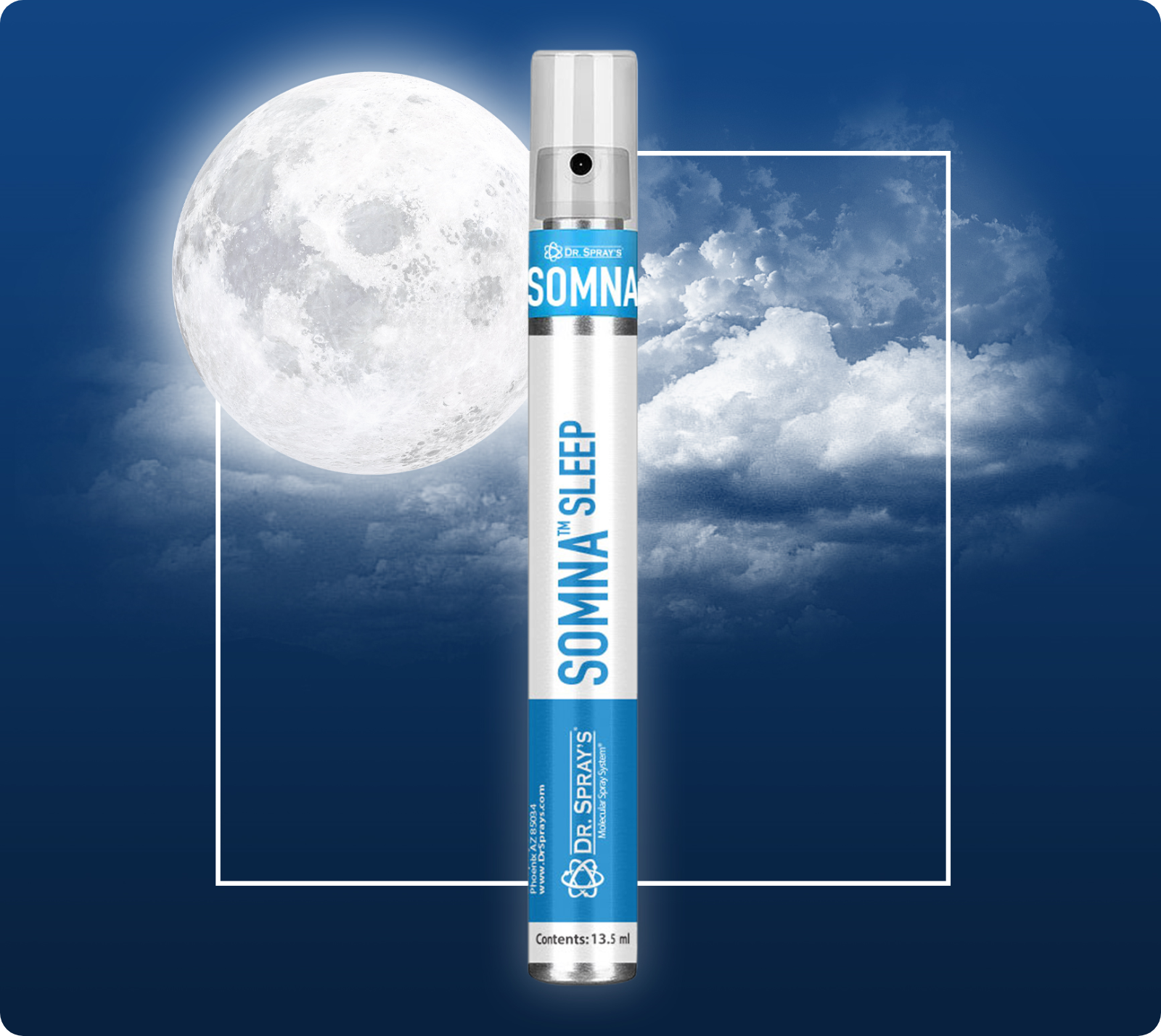
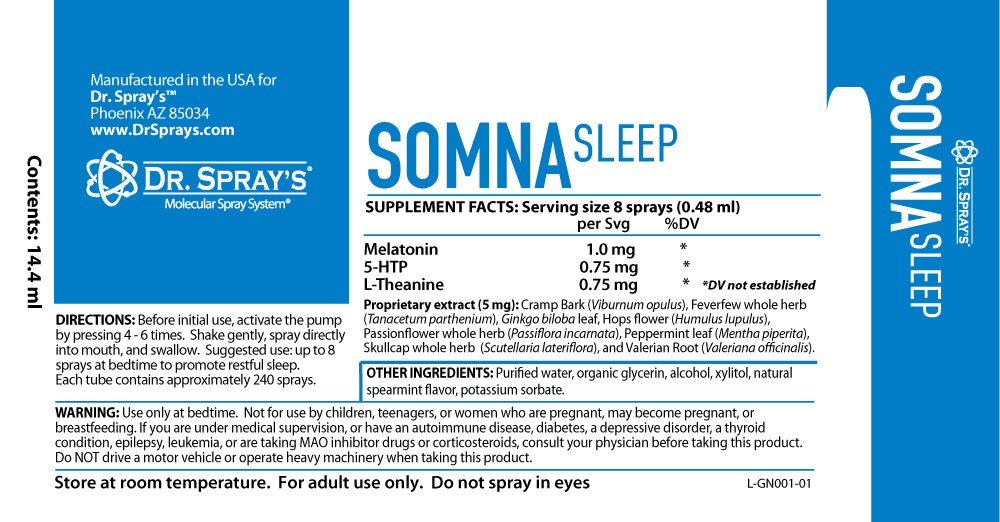
- Somna Sleep Spray - Specialized formula for promoting restful sleep
Every DrSprays product features:
- Rapid sublingual absorption for maximum effectiveness
- No pills to swallow—perfect for young children
- Pleasant-tasting formulas that kids accept readily
- Precise dosing control for safety and effectiveness
- Made in the USA with transparent ingredient sourcing
Questions about which vitamin spray is right for your family? Contact our customer support team for personalized product recommendations based on your child's specific needs.