Getting a two-year-old to sleep through the night can feel like an impossible mission for many parents. Between developmental milestones, separation anxiety, and newfound independence, this age presents unique sleep challenges that leave families exhausted and searching for solutions.
Understanding the science behind toddler sleep—and implementing evidence-based strategies—can transform bedtime from a nightly battle into a peaceful routine. This comprehensive guide explores proven techniques, nutritional support including oral spray vitamins, and practical solutions to help your two-year-old develop healthy sleep habits.
Understanding Two-Year-Old Sleep Patterns
Two-year-olds typically need 11-14 hours of total sleep in a 24-hour period, including nighttime sleep and one daytime nap. However, individual needs vary, and this transitional age brings significant sleep disruptions as children's brains and bodies undergo rapid development.
At this stage, toddlers experience cognitive leaps that can interfere with sleep. Their growing imagination leads to vivid dreams and sometimes nightmares. They're also developing a stronger sense of self and may resist bedtime as an assertion of independence—the classic "terrible twos" behavior that extends to sleep routines.
Common Sleep Challenges at Age Two
- Bedtime resistance: Refusing to go to bed, demanding "one more" story, song, or glass of water
- Night wakings: Waking during the night and having difficulty returning to sleep independently
- Early rising: Waking before 6:00 AM consistently
- Nap transitions: Resisting naps or taking irregular naps that disrupt nighttime sleep
- Separation anxiety: Becoming distressed when parents leave the room
Creating the Ideal Sleep Environment
Your child's sleep environment plays a crucial role in sleep quality. Small adjustments to the bedroom can make significant improvements in how quickly your toddler falls asleep and stays asleep throughout the night.
Optimize the Bedroom
Temperature: Keep the room between 68-72°F. Toddlers sleep best in slightly cool environments. Overheating can cause restlessness and night wakings.
Darkness: Use blackout curtains to eliminate external light sources. Even small amounts of light can suppress melatonin production, the hormone that signals sleep time. Consider covering or removing any devices with LED lights.
Sound management: White noise machines can mask household sounds and create consistent auditory cues for sleep. Choose continuous sounds rather than nature recordings with varied patterns that might become stimulating.
Safety considerations: Ensure the room is safe for a mobile toddler. Secure furniture to walls, keep cords out of reach, and remove potential hazards they might access if they wake during the night.
Establishing an Effective Bedtime Routine
Consistency is the cornerstone of successful toddler sleep. A predictable bedtime routine signals to your child's body that sleep is approaching, triggering natural drowsiness and reducing resistance.
The 30-Minute Wind-Down
Start your bedtime routine at the same time each evening, approximately 30 minutes before you want your child asleep. This consistent timing helps regulate their circadian rhythm.
- Bath time (10 minutes): A warm bath raises body temperature temporarily. When your child exits the bath, their body temperature drops, promoting sleepiness—a natural biological sleep trigger.
- Quiet activities (10 minutes): Change into pajamas, brush teeth, and engage in calm activities. This is an excellent time to administer any vitamin spray supplements your pediatrician has recommended.
- Connection time (10 minutes): Read 1-2 books, sing a lullaby, or have a quiet conversation about the day. This emotional connection helps ease separation anxiety.
What to Avoid Before Bedtime
- Screen time within 2 hours of bedtime—blue light suppresses melatonin production
- Roughhousing or active play after dinner
- Sugar or caffeine (found in chocolate and some medications)
- Stimulating activities or new experiences that might overstimulate
Nutrition's Role in Toddler Sleep
What your child eats—and when they eat it—directly impacts sleep quality. Certain nutrients support the production of sleep-regulating neurotransmitters and hormones.
Essential Sleep-Supporting Nutrients
Vitamin D: Often called the "sunshine vitamin," vitamin D deficiency has been linked to sleep disorders in children. A vitamin D3 spray provides an efficient delivery method with superior absorption compared to traditional pills. Many toddlers in Phoenix, Arizona and other sunny regions still experience vitamin D deficiency due to sunscreen use and indoor activities.
Vitamin B12: This essential vitamin supports the regulation of sleep-wake cycles and helps produce melatonin. Picky eaters or children following restricted diets may benefit from a vitamin B12 spray to ensure adequate intake.
Magnesium: Known as "nature's relaxation mineral," magnesium helps calm the nervous system and relax muscles. Food sources include leafy greens, bananas, and whole grains—though many toddlers don't consume enough of these foods consistently.
Zinc: This mineral works synergistically with magnesium to support sleep. It's also crucial for immune function, which becomes especially important during cold and flu season when illness disrupts sleep.
Why Spray Supplements Work Better for Toddlers
Traditional vitamin pills or gummies present challenges for two-year-olds. Pills pose choking hazards, while gummies often contain added sugars that can be counterproductive before bed. Oral spray vitamins solve these problems while offering superior absorption.
Spray supplements deliver nutrients directly through the oral mucosa, bypassing the digestive system where many nutrients are lost or degraded. This sublingual absorption method achieves up to 90% bioavailability—significantly higher than tablets or capsules. For parents in Phoenix, Arizona, DrSprays offers doctor-developed formulations manufactured in an FDA-registered, GMP-certified facility.
Sleep-Friendly Evening Snacks
If your toddler is hungry before bed, choose snacks that promote rather than hinder sleep:
- Banana with almond butter (provides tryptophan and magnesium)
- Whole grain toast with a thin layer of nut butter
- Plain yogurt with a small amount of honey (for children over 12 months)
- Warm milk (dairy or fortified plant-based alternatives)
Avoid large meals within 90 minutes of bedtime, as active digestion can interfere with falling asleep.
Addressing Behavioral Sleep Issues
Beyond environment and nutrition, behavioral strategies help establish independent sleep skills that last a lifetime.
The "Put Down Awake" Principle
One of the most important skills you can teach your two-year-old is how to fall asleep independently. This means placing them in bed drowsy but still awake, rather than rocking, nursing, or holding them until they're fully asleep.
Why does this matter? When children fall asleep under certain conditions (being held, rocked, or with a parent present), they often need those same conditions to return to sleep during normal night wakings. Every person experiences brief wakings throughout the night—typically 4-6 times. Adults with good sleep skills simply roll over and return to sleep. Children who haven't developed independent sleep skills wake fully and call for their parents.
Handling Night Wakings
When your two-year-old wakes at night, respond with a consistent approach:
- Pause before entering: Wait 30-60 seconds to see if they settle themselves
- Provide minimal intervention: If you enter, keep lights dim and interactions brief
- Offer reassurance without removing them: Use a calm, quiet voice and gentle touch
- Avoid starting wake-time activities: No lights, play, or extended conversations
Managing Early Rising
If your toddler consistently wakes before 6:00 AM, try these strategies:
- Use blackout curtains to prevent early morning light from triggering waking
- Ensure the last nap ends by 3:00 PM so they're tired enough at bedtime
- Move bedtime slightly later (in 15-minute increments) if they're getting too much total sleep
- Use a toddler clock that changes color to indicate "okay to wake" time
The Nap Transition Challenge
Most two-year-olds still need one afternoon nap, but this age marks the beginning of nap resistance as they transition from two naps to one, or from one nap toward dropping naps entirely by age 3-4.
Signs Your Toddler Still Needs a Nap
- Shows drowsiness or crankiness in the afternoon
- Falls asleep in the car or stroller during the day
- Has difficulty making it to bedtime without becoming overtired
- Sleeps longer at night when they've had a nap
Optimizing the One-Nap Schedule
For most two-year-olds, an ideal schedule includes:
- Wake time: 6:30-7:30 AM
- Nap time: 12:30-1:00 PM (starting about 5-6 hours after waking)
- Nap duration: 1.5-2 hours
- Bedtime: 7:00-8:00 PM (5-6 hours after nap ends)
Cap naps at 2 hours to protect nighttime sleep. While it may seem counterintuitive, too much daytime sleep can actually cause nighttime sleep problems.
When to Seek Professional Help
While many sleep challenges are normal at age two, certain signs warrant consultation with your pediatrician:
- Loud snoring or breathing pauses during sleep (possible sleep apnea)
- Excessive daytime sleepiness despite adequate nighttime sleep
- Sleep problems persisting despite consistent intervention for 4-6 weeks
- Behaviors suggesting restless leg syndrome or other movement disorders
- Sleep problems accompanied by developmental concerns
Your pediatrician can rule out medical issues and may recommend a sleep study if sleep-disordered breathing is suspected. They can also assess whether nutritional deficiencies might be contributing to sleep problems and recommend appropriate supplementation such as spray supplements that are easier for toddlers to take consistently.
Special Considerations for Phoenix Families
Living in Phoenix, Arizona presents unique sleep challenges due to extreme heat and intense sunlight. These environmental factors require special attention to support toddler sleep.
Heat Management
During Arizona summers, indoor temperatures can affect sleep quality even with air conditioning. Keep your toddler's room consistently cool (68-72°F) throughout the night. Use breathable, lightweight sleepwear and bedding. A ceiling fan can help circulate air without creating uncomfortable drafts.
Vitamin D Paradox
Despite Phoenix's abundant sunshine, many children have inadequate vitamin D levels due to sunscreen use and spending hot days indoors. A vitamin D3 spray ensures your toddler gets this sleep-supporting nutrient without the risks of sun exposure.
Creating a Family Sleep Culture
Your own sleep habits and attitudes about sleep directly influence your child. Prioritize sleep as a family value:
- Model good sleep hygiene by having consistent bedtimes yourself
- Speak positively about sleep and rest
- Protect your toddler's sleep schedule by declining late activities when possible
- Work with your partner to present a united front on sleep rules
Children whose parents prioritize sleep tend to develop healthier sleep habits that persist into adulthood.
Frequently Asked Questions
How much sleep does a 2-year-old really need?
Most two-year-olds need 11-14 hours of total sleep per 24-hour period, typically consisting of 10-12 hours at night plus a 1-2 hour afternoon nap. However, individual needs vary. Focus on whether your child seems well-rested, happy, and able to function throughout the day rather than fixating on a specific number.
Is it normal for a 2-year-old to wake up multiple times at night?
Brief wakings are normal for all humans, but a two-year-old should be able to return to sleep independently without parental intervention. If your child is fully waking and calling for you multiple times nightly, they likely haven't developed independent sleep skills. Consistent sleep training methods can help them learn to self-soothe back to sleep during these normal wakings.
Can vitamin spray supplements help my toddler sleep better?
While oral spray vitamins aren't sleep medications, certain nutrients support healthy sleep regulation. Vitamin D and B12 deficiencies have been linked to sleep problems in children. A vitamin D3 spray or vitamin B12 spray may help if deficiency is contributing to sleep issues. Always consult your pediatrician before starting any supplement regimen.
When should I move my 2-year-old from a crib to a bed?
Most experts recommend keeping toddlers in cribs until age 3 or until they begin climbing out consistently. The crib provides a safe, contained sleep space. If you must transition earlier due to climbing or a new sibling needing the crib, ensure the room is completely childproofed and consider using a toddler bed with guardrails rather than jumping directly to a twin bed.
What if my 2-year-old refuses to stay in bed?
Consistency is key. Return your child to bed calmly and without extended interaction every single time they get up. Use a childproof doorknob cover or baby gate if necessary for safety. Some parents find success with a "bedtime pass" system—giving the child one pass per night to leave the room for water or a hug, after which they must stay in bed.
Should I let my 2-year-old cry it out?
This is a personal decision. Graduated extinction (checking on your child at increasing intervals while they learn to self-soothe) has been proven safe and effective for most children over 6 months. However, gentler methods also work and may be preferable for sensitive children or families uncomfortable with any crying. Choose an approach aligned with your parenting philosophy and follow it consistently for at least 2 weeks before evaluating effectiveness.
How do I handle daylight saving time changes with a 2-year-old?
Start adjusting your toddler's schedule 3-4 days before the time change. Shift all sleep times (naps and bedtime) by 15 minutes each day in the direction of the upcoming change. This gradual adjustment prevents the abrupt 1-hour shift that can disrupt sleep for weeks. Maintain strict light exposure rules—darkness for sleep times, bright light during wake times—to help reset their internal clock.
Are melatonin supplements safe for 2-year-olds?
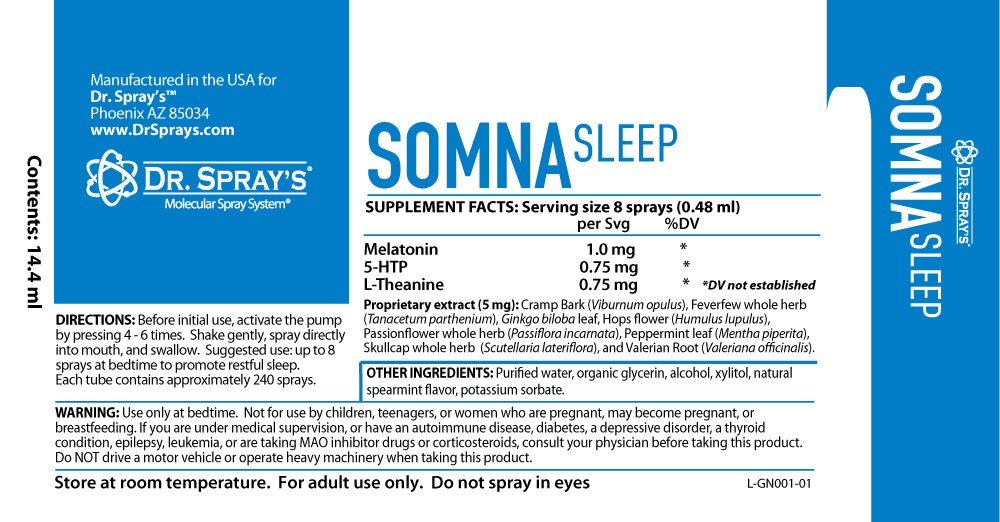
The American Academy of Pediatrics recommends behavioral interventions as the first-line treatment for childhood sleep problems. Melatonin should only be used under pediatrician supervision for specific conditions. Focus first on optimizing sleep environment, routine, and nutrition. If your doctor recommends supplementation, ask about spray supplements formulated specifically for children, which offer precise dosing and better absorption than gummies or pills.
About the Author
This article was developed by the content team at DrSprays, in consultation with sleep science research and pediatric nutrition guidelines. DrSprays specializes in doctor-developed oral vitamin sprays manufactured in an FDA-registered, GMP-certified facility in Phoenix, Arizona. Our spray delivery system achieves 90% absorption rates, providing superior bioavailability compared to traditional supplements.
Start Your Toddler's Sleep Transformation Today
Helping your two-year-old develop healthy sleep habits requires patience, consistency, and attention to multiple factors—from environment to nutrition to behavioral approaches. While improvements won't happen overnight, most families see significant progress within 2-4 weeks of implementing consistent strategies.
Remember that adequate nutrition supports your child's overall development, including healthy sleep patterns. If picky eating makes it challenging to ensure your toddler gets essential vitamins, oral spray vitamins offer a convenient solution with superior absorption.
Ready to support your family's sleep and nutritional health? Explore DrSprays' complete line of doctor-developed spray supplements, including our popular vitamin D3 spray and vitamin B12 spray. Manufactured right here in Phoenix, Arizona, our products deliver the nutrients your family needs in a format even the pickiest toddlers will accept. Contact us today to learn which formulations might benefit your child's sleep and overall wellness.