Watching your one-year-old struggle with sleep can be exhausting for the entire family. If you're asking yourself "how to help my 1 year old sleep," you're not alone—sleep challenges are incredibly common at this age as toddlers navigate developmental leaps, teething, and newfound independence.
This comprehensive guide explores practical strategies to establish healthy sleep patterns for your toddler, including the role that proper nutrition and supplementation may play in supporting restful nights.
Understanding Why One-Year-Olds Struggle With Sleep
Before addressing solutions, it's helpful to understand what's happening developmentally. At twelve months, your child is experiencing significant changes:
- Developmental milestones: Walking, talking, and increased cognitive awareness can make it harder to "turn off" at bedtime
- Separation anxiety: Peak separation anxiety often occurs between 10-18 months, making bedtime more emotionally charged
- Sleep regression: The 12-month sleep regression is a well-documented phenomenon where previously good sleepers suddenly resist rest
- Teething discomfort: Molars typically begin emerging around this age, causing nighttime pain
- Nutritional needs: Rapid growth requires adequate vitamins and minerals to support healthy sleep-wake cycles
Establishing a Consistent Sleep Foundation
The cornerstone of helping your one-year-old sleep better starts with consistency and routine. These evidence-based strategies create the predictability toddlers need to feel secure at bedtime.
Create a Calming Bedtime Routine
A predictable sequence of calming activities signals to your toddler's body that sleep is approaching. An effective routine might include:
- Bath time with warm water (not hot, which can be stimulating)
- Gentle massage with unscented lotion
- Quiet reading time with simple board books
- Soft lullabies or white noise
- Final cuddle before placing in crib while drowsy but awake
The key is maintaining this sequence consistently, even when traveling or during disruptions. Your child's brain will begin associating these activities with sleep, making the transition easier over time.
Optimize the Sleep Environment
Environmental factors significantly impact sleep quality for toddlers. Consider these adjustments:
- Room temperature: Keep the nursery between 68-72°F for optimal comfort
- Darkness: Use blackout curtains to eliminate light disruption, especially important during Arizona's long summer evenings in Phoenix
- Sound control: White noise machines mask household sounds that might wake your toddler
- Safe sleep space: Ensure the crib meets current safety standards with a firm mattress and no loose items
The Nutritional Connection to Better Sleep
What many parents don't realize is that nutrition plays a critical role in sleep quality. Certain vitamin and mineral deficiencies can directly interfere with your toddler's ability to fall asleep and stay asleep throughout the night.
Key Nutrients That Support Healthy Sleep Patterns
Vitamin D3: This essential nutrient regulates circadian rhythms and supports the production of sleep-related hormones. Research indicates that vitamin D deficiency is associated with sleep disorders in children. Because toddlers often have limited sun exposure (especially with consistent sunscreen use), supplementation may be beneficial.
Vitamin B12: B vitamins support the nervous system and help regulate the body's sleep-wake cycle. B12 specifically plays a role in melatonin production, the hormone responsible for signaling sleepiness. Deficiency can lead to sleep disturbances and restlessness.
Magnesium: This mineral promotes muscle relaxation and nervous system calm, both essential for quality sleep. Many toddlers don't consume enough magnesium-rich foods to meet their developmental needs.
Why Traditional Vitamins Can Be Challenging for Toddlers
Getting a one-year-old to take vitamins presents unique challenges. Traditional pills are a choking hazard, and even chewable tablets can be difficult for toddlers who are still developing their chewing coordination. Liquid vitamins often have strong tastes that toddlers reject, leading to daily battles and inconsistent supplementation.
This is where oral spray vitamins offer a practical alternative. Spray supplements developed by medical professionals provide rapid absorption—up to 90% compared to 10-20% for traditional pills—without the struggle of swallowing or dealing with unpleasant textures.
Addressing Common Sleep Obstacles
Managing Night Wakings
If your one-year-old wakes during the night, your response pattern matters. Consistency is crucial:
- Wait a moment before responding—sometimes toddlers resettle on their own
- Keep interactions brief, boring, and calm
- Avoid turning on bright lights or engaging in stimulating conversation
- Resist the temptation to bring your child into your bed unless that's your intentional sleep plan
- Check for physical needs (diaper, temperature, teething discomfort) but minimize interaction
Handling Early Morning Wake-Ups
If your toddler consistently wakes too early (before 6:00 AM), consider these adjustments:
- Ensure the room stays completely dark using blackout curtains or shades
- Evaluate bedtime—sometimes moving bedtime slightly later helps
- Check that afternoon naps aren't too late or too long
- Use a toddler clock that changes color when it's acceptable to get up
Dealing With Bedtime Resistance
When your one-year-old fights bedtime, examine these potential causes:
- Overtiredness: Counterintuitively, being too tired makes falling asleep harder. Try moving bedtime 15-30 minutes earlier
- Undertiredness: If naps are too long or too late, your child may not have enough sleep pressure at bedtime
- Daytime routine: Ensure adequate physical activity, outdoor time, and mental stimulation during waking hours
- Nutrition timing: A small, protein-rich snack 30-60 minutes before bed prevents hunger without causing discomfort
The Role of Daytime Habits in Nighttime Sleep
What happens during the day directly affects nighttime sleep quality. These daytime strategies support better rest:
Optimize Nap Schedule
Most one-year-olds transition from two naps to one during this year. Signs your child is ready for this transition include:
- Consistently refusing one of the two naps
- Taking very short naps (30-45 minutes)
- Experiencing delayed bedtime due to late afternoon naps
During the transition, you might temporarily use an earlier bedtime to compensate for lost daytime sleep.
Ensure Adequate Physical Activity
Toddlers need substantial physical activity to build healthy sleep pressure. Aim for:
- At least 3 hours of physical activity throughout the day
- Outdoor time for natural light exposure (critical for circadian rhythm regulation)
- Age-appropriate climbing, running, and exploration opportunities
- Active play in the morning and early afternoon rather than close to bedtime
Maintain Consistent Meal and Snack Times
Regular eating schedules support stable blood sugar, which affects sleep quality. Ensure your one-year-old:
- Eats meals and snacks at roughly the same times daily
- Receives nutrient-dense foods including proteins, healthy fats, and complex carbohydrates
- Has a light snack before bed if needed, but not a large meal
- Gets adequate hydration during the day (but limit fluids close to bedtime to reduce nighttime diaper changes)
When Supplementation Might Help
If you've established solid sleep hygiene practices but your toddler still struggles with sleep, nutritional gaps might be contributing. Before adding any supplement, consult your pediatrician to rule out underlying issues and ensure appropriate dosing.
For families in Phoenix, Arizona, and surrounding areas, working with healthcare providers who understand the unique challenges of desert living—including limited outdoor time during extreme heat and the impact of vitamin D levels—can provide valuable guidance.
When supplementation is appropriate, vitamin D3 spray and vitamin B12 spray formats offer distinct advantages for toddlers. The spray delivery method provides:
- Superior absorption rates (90% vs. 10-20% for pills)
- No choking risk
- Easy administration—simply spray into the mouth
- Pleasant taste that toddlers typically accept
- Precise dosing without the need to break or crush tablets
Products manufactured in FDA-registered, GMP-certified facilities ensure quality and safety standards appropriate for young children.
Creating a Long-Term Sleep Success Plan
Improving your one-year-old's sleep isn't an overnight fix—it requires patience, consistency, and sometimes trial and error. Create a comprehensive plan that includes:
Week 1-2: Establish Foundation
- Implement consistent bedtime routine
- Optimize sleep environment
- Set appropriate and consistent wake times
- Keep a sleep log to identify patterns
Week 3-4: Address Specific Challenges
- Tackle the most disruptive sleep issue (early waking, night wakings, or bedtime resistance)
- Remain consistent with your response pattern
- Adjust nap schedule if needed
- Consult pediatrician about nutritional concerns
Week 5-6: Fine-Tune and Maintain
- Make minor adjustments based on what's working
- Consider whether spray supplements might address nutritional gaps affecting sleep
- Evaluate overall progress and celebrate improvements
- Commit to maintaining successful strategies long-term
Red Flags: When to Seek Professional Help
While sleep challenges are normal for one-year-olds, certain signs warrant professional evaluation:
- Loud snoring or pauses in breathing during sleep
- Excessive daytime sleepiness despite adequate nighttime sleep
- Extreme difficulty waking in the morning
- Sleep problems accompanied by developmental concerns
- Persistent sleep issues despite consistent implementation of healthy sleep practices
- Signs of pain or discomfort that interfere with sleep
Your pediatrician can evaluate whether underlying conditions like sleep apnea, allergies, reflux, or nutritional deficiencies require treatment.
Frequently Asked Questions About One-Year-Old Sleep
How much sleep does a 1-year-old need?
Most one-year-olds need 11-14 hours of sleep in a 24-hour period, typically including 10-12 hours at night and 1-2 hours during daytime naps. Individual needs vary, so observe your child's mood and behavior to determine if they're getting adequate rest.
Is it normal for a 1-year-old to wake up multiple times at night?
Brief arousals are normal—everyone cycles through sleep stages throughout the night. However, if your one-year-old fully wakes and cannot self-soothe back to sleep multiple times nightly, this suggests a sleep association issue or underlying problem that should be addressed.
Can vitamin deficiencies really affect my toddler's sleep?
Yes, research demonstrates that deficiencies in certain nutrients—particularly vitamin D, B vitamins, magnesium, and iron—can significantly impact sleep quality. These nutrients support neurotransmitter production, circadian rhythm regulation, and the physical processes that promote restful sleep. If you suspect nutritional gaps, consult your pediatrician about appropriate testing and supplementation.
What's the best way to give vitamins to a 1-year-old?
The most effective method depends on your child's acceptance and the vitamin's bioavailability. Oral spray vitamins offer advantages including high absorption rates (up to 90%), no choking risk, and easy administration. They're particularly useful for toddlers who resist pills or chewables, ensuring consistent supplementation when nutritional support is needed.
Should I let my 1-year-old cry it out?
Sleep training approaches vary, and the "right" method depends on your family's values and your child's temperament. Some families use graduated extinction (controlled crying), while others prefer gentler approaches like the chair method or pick-up-put-down. Research indicates that various sleep training methods are safe and effective when implemented consistently. Choose an approach that feels right for your family and commit to it for at least two weeks before evaluating effectiveness.
How do I know if my toddler's sleep problems are due to teething?
Teething discomfort typically lasts 2-3 days per tooth. If sleep disruption persists longer, teething alone likely isn't the cause. Signs of teething include excessive drooling, gum swelling, mild fussiness, and a low-grade fever (under 100.4°F). Consult your pediatrician if pain seems severe or symptoms don't match typical teething patterns.
What if nothing seems to help my 1-year-old sleep better?
If you've consistently implemented healthy sleep practices for 4-6 weeks without improvement, schedule an appointment with your pediatrician. They can evaluate for underlying issues such as sleep disorders, allergies, reflux, nutritional deficiencies, or developmental concerns that may require specific treatment.
Supporting Your Toddler's Sleep Journey
Helping your one-year-old develop healthy sleep patterns requires patience, consistency, and a holistic approach that addresses routine, environment, and nutrition. While sleep challenges at this age are completely normal, you don't have to navigate them alone.
Focus on establishing strong sleep foundations through consistent routines and optimal sleep environments. Address nutritional needs through balanced meals and, when appropriate, high-quality supplementation that supports your child's developmental requirements.
Remember that every child is unique, and what works for one family may need adjustment for another. Trust your instincts, stay consistent with your chosen approach, and don't hesitate to seek professional guidance when needed.
Support Your Toddler's Sleep With Quality Nutrition
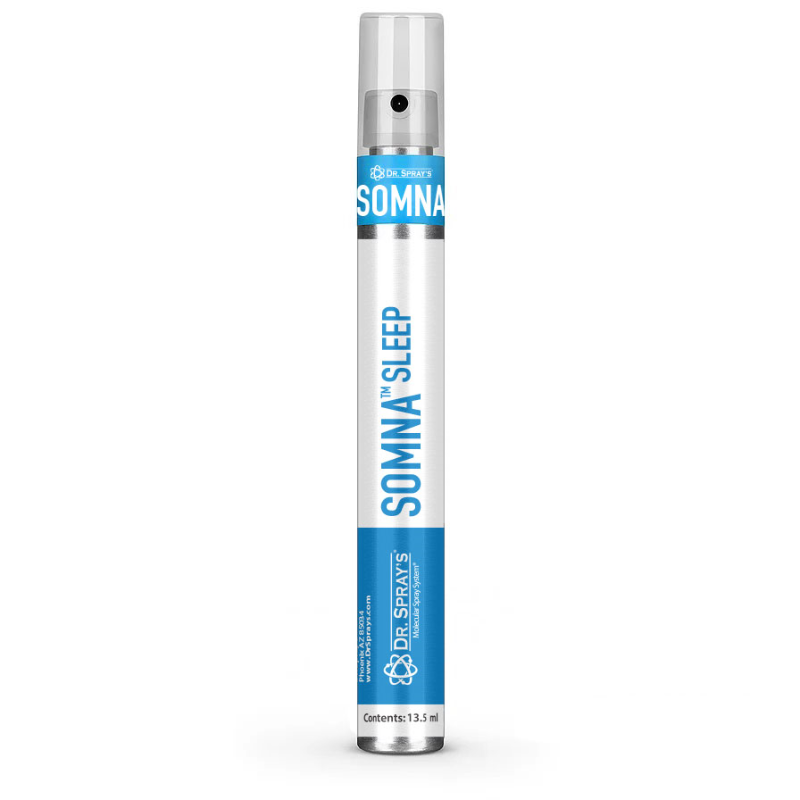
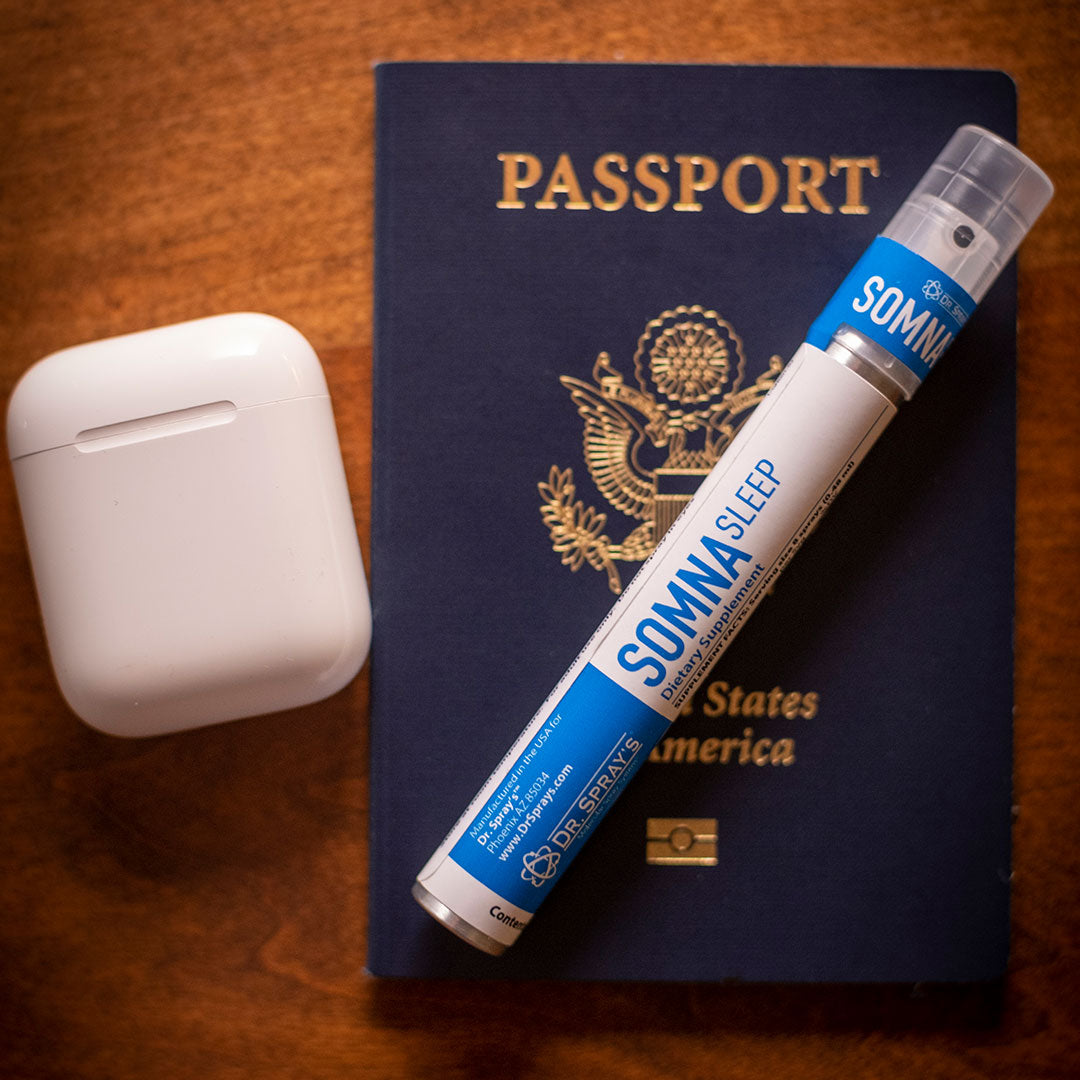
When nutritional support is appropriate for your child's sleep challenges, choose supplements designed with quality and absorption in mind. DrSprays offers doctor-developed vitamin spray supplements manufactured in an FDA-registered, GMP-certified facility in Phoenix, Arizona.
Our Vitamin D3 spray and B12 spray provide the nutrients that support healthy sleep-wake cycles with 90% absorption rates—significantly higher than traditional pills.
Always consult your pediatrician before starting any supplement regimen for your child.