When your 2-year-old struggles to fall asleep or stay asleep through the night, it affects the entire household. Sleep challenges at this age are incredibly common, but understanding the underlying causes and implementing evidence-based solutions can transform bedtime from a nightly battle into a peaceful routine.
This comprehensive guide explores the nutritional, environmental, and behavioral factors that influence toddler sleep, with specific attention to how targeted supplementation through oral spray vitamins can support healthy sleep patterns when diet alone falls short.
Understanding Sleep Needs for 2-Year-Olds
Two-year-olds require approximately 11-14 hours of total sleep within a 24-hour period, according to the American Academy of Sleep Medicine. This typically includes 10-12 hours of nighttime sleep plus a 1-2 hour afternoon nap. However, individual variation is normal, and your child's specific needs may fall slightly outside this range.
At this developmental stage, toddlers are experiencing significant cognitive growth, developing independence, and processing new experiences daily. Their brains require quality sleep to consolidate learning, regulate emotions, and support physical development. When sleep is disrupted, you'll often notice increased irritability, difficulty concentrating, and more frequent emotional outbursts.
Common Sleep Challenges at Age Two
The most frequently reported sleep issues for 2-year-olds include:
- Bedtime resistance: Fighting the bedtime routine, repeatedly leaving the bedroom, or refusing to lie down
- Night wakings: Waking multiple times during the night and requiring parental intervention to return to sleep
- Early morning waking: Rising before 6:00 AM and being unable to return to sleep
- Nap transitions: Difficulty with dropping from two naps to one or resisting naps entirely
- Separation anxiety: Distress when separated from parents at bedtime
The Role of Nutrition in Toddler Sleep Quality
Many parents overlook the profound connection between nutritional status and sleep quality. Specific vitamins and minerals directly influence the production of sleep-regulating hormones, neurotransmitters, and circadian rhythm function.
Critical Nutrients for Sleep Regulation
Vitamin D3 plays an essential role in sleep regulation. Research published in the Journal of Sleep Research demonstrates that vitamin D receptors are present in brain regions that control sleep, and deficiency is associated with shorter sleep duration and more frequent night wakings in children. Given that many toddlers have limited sun exposure and consume insufficient dietary vitamin D, supplementation often becomes necessary.
B vitamins, particularly B12, B6, and folate, are fundamental to the production of serotonin and melatonin—the neurotransmitters that regulate mood and sleep-wake cycles. Vitamin B12 specifically helps maintain healthy circadian rhythms and may reduce the time it takes for children to fall asleep. Toddlers following plant-based diets or those with limited appetite are particularly at risk for B vitamin insufficiency.
Magnesium functions as a natural relaxant for the nervous system, promoting the calm state necessary for sleep onset. This mineral helps regulate GABA (gamma-aminobutyric acid), a neurotransmitter that quiets neural activity. Many toddlers consume inadequate magnesium due to limited intake of leafy greens, nuts, and whole grains.
Why Traditional Supplements May Fall Short for Toddlers
Administering pills or capsules to a 2-year-old presents obvious challenges, from choking hazards to outright refusal. Liquid supplements can be effective but often contain high sugar content to mask bitter flavors, potentially contributing to tooth decay and unwanted energy spikes near bedtime.
Gummy vitamins, while appealing to children, typically offer lower nutrient bioavailability and may contain artificial colors, flavors, and multiple grams of added sugar. Additionally, absorption through the digestive system—which must process the gummy base, break down nutrients, and transport them through the intestinal wall—results in significant nutrient loss.
The Advantages of Vitamin Spray Delivery for Toddler Supplementation
Vitamin spray technology addresses many of the limitations associated with traditional supplement forms. Oral spray vitamins deliver nutrients directly to the bloodstream through the mucous membranes in the mouth, bypassing much of the digestive process and achieving absorption rates up to 90%.
Benefits Specific to Toddler Use
For parents of 2-year-olds, spray supplements offer several practical advantages:
- No choking risk: The spray format eliminates concerns about pills becoming lodged in the throat
- Faster absorption: Nutrients enter the bloodstream within minutes rather than the 30-60 minutes required for tablet digestion
- Ease of administration: A quick spray is far simpler than convincing a resistant toddler to swallow pills or chew gummies
- Pleasant taste: Quality formulations offer mild, naturally-derived flavoring that toddlers accept readily
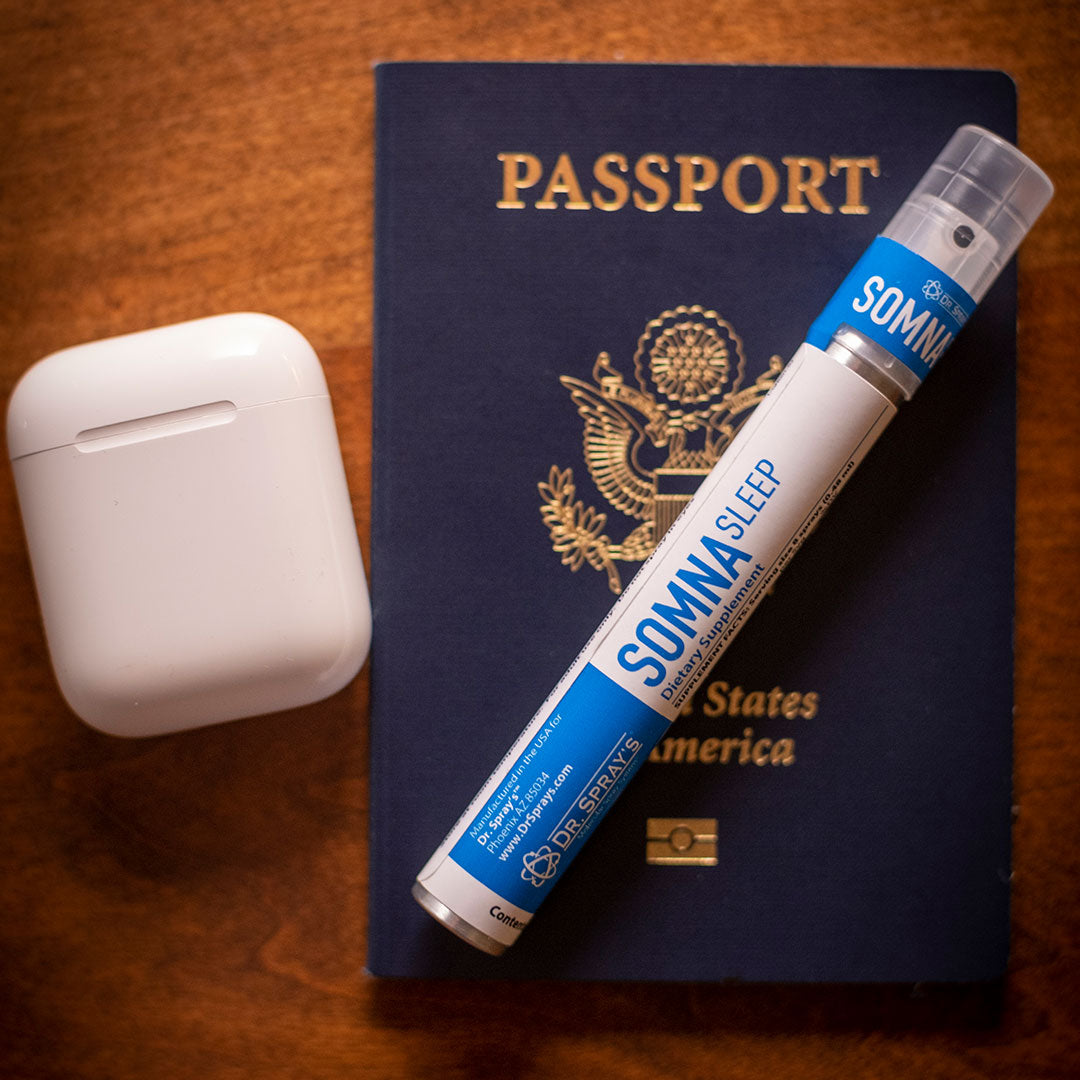
- Portable: Spray bottles travel easily for consistent supplementation during trips or schedule disruptions
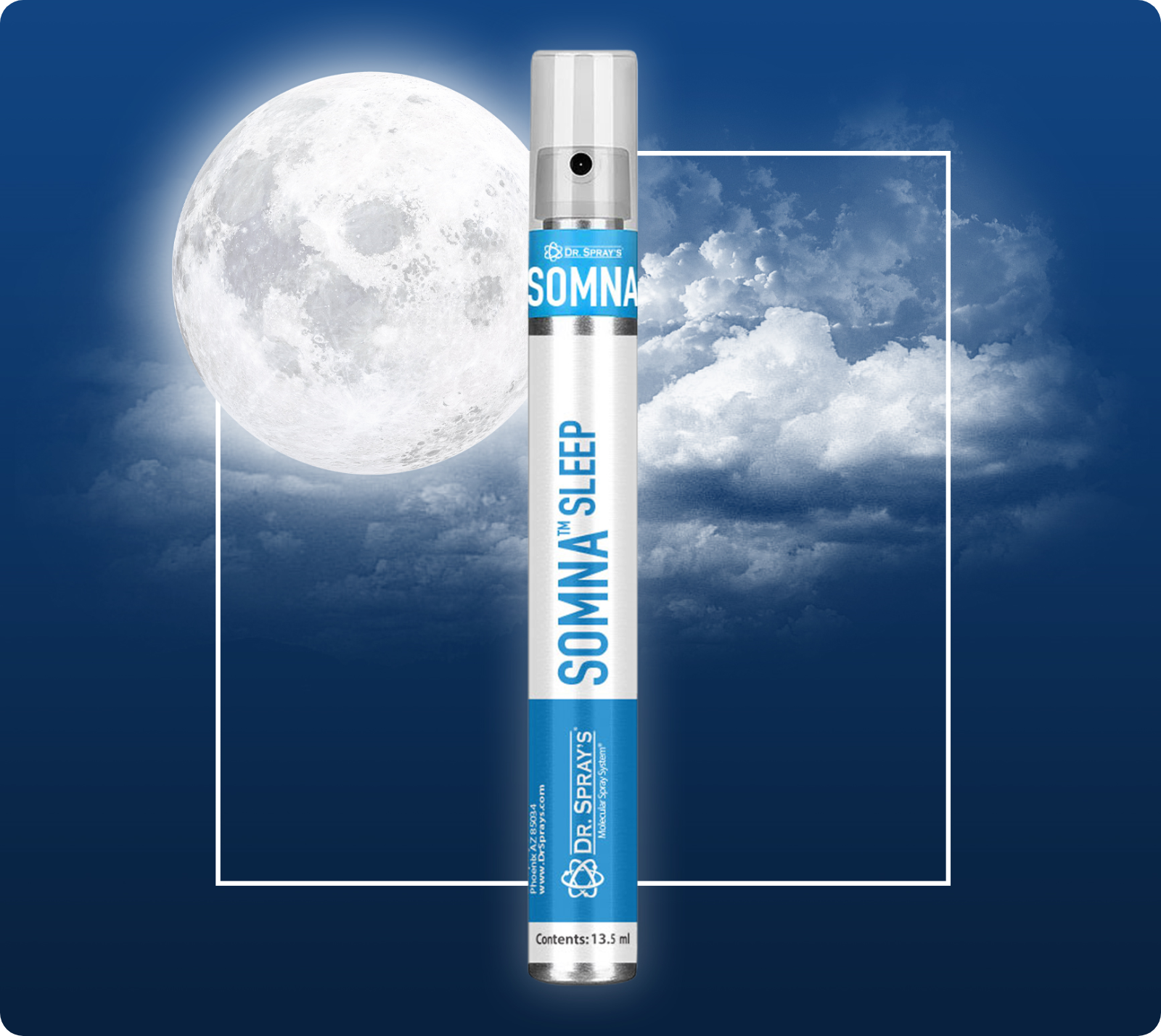
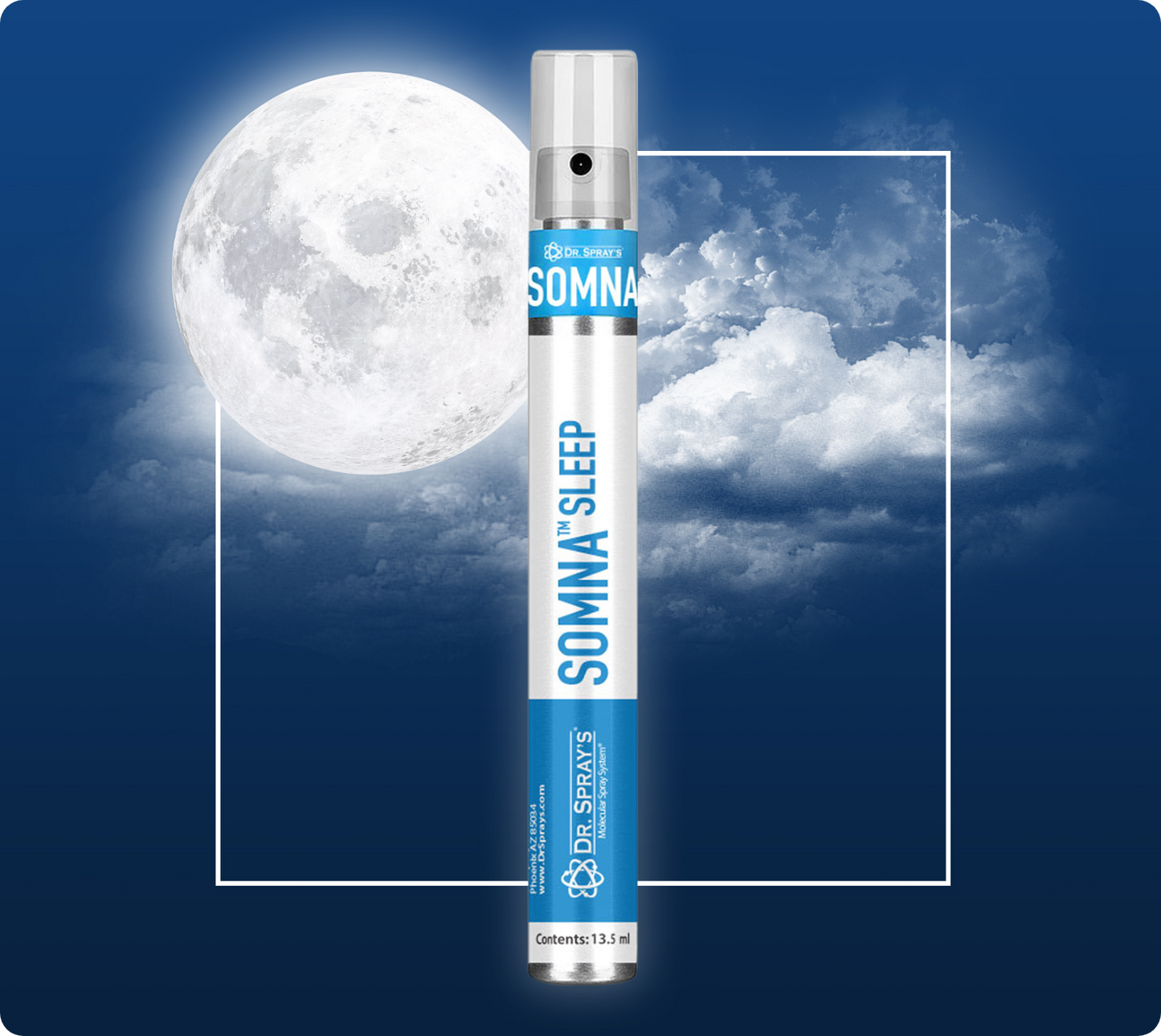
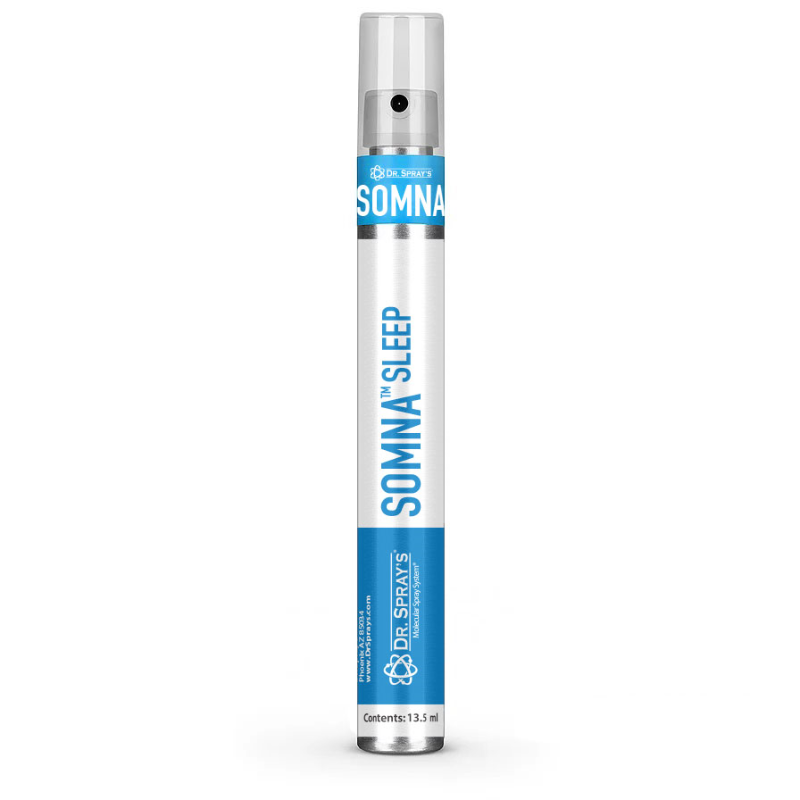
Formulations developed specifically with sleep support in mind can be particularly beneficial for toddlers experiencing persistent bedtime difficulties.
Creating an Optimal Sleep Environment
While addressing potential nutritional deficiencies through targeted supplementation provides internal support for healthy sleep, the external sleep environment requires equal attention.
Temperature and Air Quality
The ideal bedroom temperature for toddler sleep falls between 68-72°F. Temperatures outside this range can cause partial arousals throughout the night, even if your child doesn't fully wake. In Phoenix, Arizona, and similar warm climates, running air conditioning consistently through the night becomes necessary for optimal sleep quality, particularly during summer months.
Air quality matters as well. Consider using a HEPA air purifier to reduce allergens, dust, and other airborne particles that may trigger nasal congestion or respiratory irritation. Many 2-year-olds sleep more soundly when breathing is unobstructed.
Light Control
Complete darkness signals the brain to produce melatonin, the sleep hormone. Install blackout curtains or blinds to eliminate outdoor light sources, including street lamps and early morning sun. If your toddler requires a night light for security, choose one with a red or amber bulb—these wavelengths don't suppress melatonin production like blue or white light.
Equally important: minimize screen exposure in the two hours before bedtime. The blue light emitted by tablets, phones, and televisions directly inhibits melatonin production, making it significantly harder for young children to transition into sleep.
Sound Management
White noise machines effectively mask household sounds and outdoor noise that might trigger waking. The consistent sound creates a auditory cue that signals sleep time and can help your toddler transition between sleep cycles more smoothly.
Establishing a Consistent Bedtime Routine
Two-year-olds thrive on predictability. A consistent sequence of calming activities signals to your child's brain and body that sleep is approaching, triggering the physiological changes necessary for drowsiness.
Sample Bedtime Routine Structure
An effective bedtime routine for a 2-year-old typically lasts 20-30 minutes and follows a predictable sequence:
- Begin at the same time nightly (e.g., 7:00 PM), with a 15-minute window for flexibility
- Provide a light snack if needed—protein and complex carbohydrates help sustain blood sugar through the night
- Bath time with warm (not hot) water; the subsequent drop in body temperature promotes sleepiness
- Administer any bedtime supplements—this is when a vitamin D3 spray or sleep-supporting formula would be given
- Put on pajamas in a calm, unhurried manner
- Brush teeth (including any molars that have emerged)
- Dim the lights throughout the home to support melatonin production
- Read 2-3 books in the bedroom with only a soft lamp illuminated
- Brief cuddle time or a simple goodnight ritual
- Place child in bed drowsy but awake, allowing them to practice the skill of independent sleep onset
Consistency matters more than the specific activities chosen. Select elements that work for your family and maintain them nightly, including weekends.
Addressing Behavioral Sleep Challenges
Even with optimal nutrition and environment, some 2-year-olds test boundaries at bedtime as part of their normal developmental drive for independence.
Managing Bedtime Resistance
When your toddler repeatedly leaves the bedroom, requests "one more" story, or finds creative stalling tactics, remain calm and consistent. Provide one brief, neutral response to the first request, then use minimal interaction for subsequent attempts. Return your child to bed without lengthy conversation, maintaining a boring but kind demeanor.
Consider implementing a "bedtime pass" system: give your toddler one physical pass they can trade for a single request after lights out (water, bathroom visit, one more hug). Once used, the pass is gone until the next night. This provides a sense of control while setting clear limits.
Responding to Night Wakings
If your 2-year-old wakes during the night, wait 30-60 seconds before responding to determine whether they'll self-settle. Many toddlers vocalize briefly between sleep cycles without fully waking.
When intervention is necessary, keep interactions brief, boring, and dimly lit. Avoid bringing your child out of the bedroom, turning on bright lights, or engaging in stimulating conversation. Provide brief reassurance and return to the same going-to-sleep process used at bedtime.
When Sleep Issues May Indicate Nutritional Deficiency
Certain patterns suggest that nutritional status may be contributing to your toddler's sleep difficulties:
- Difficulty falling asleep despite being visibly tired
- Frequent leg movements or "restless legs" at bedtime
- Multiple night wakings without clear environmental triggers
- Excessive daytime fatigue despite adequate sleep opportunity
- Pale skin, decreased appetite, or developmental regression
- Limited dietary variety, particularly minimal consumption of animal products, fortified foods, or vegetables
If these signs are present, discuss supplementation options with your pediatrician. Blood tests can identify specific deficiencies in vitamin D, B12, iron, and other nutrients that influence sleep quality.
Supplementation Considerations for Phoenix Families
Families living in Phoenix, Arizona face unique nutritional considerations. While the abundant sunshine theoretically supports vitamin D production, many toddlers spend limited time outdoors during extreme summer heat (June through September). Air-conditioned indoor environments, sun-protective clothing, and sunscreen application when outside all reduce vitamin D synthesis.
A vitamin D3 spray formulated specifically for children can help maintain optimal levels year-round. Similarly, if your family follows a plant-based diet—increasingly common among health-conscious Phoenix residents—a vitamin B12 spray becomes essential, as B12 is naturally found only in animal products.
The Science Behind Sleep-Supporting Spray Formulations
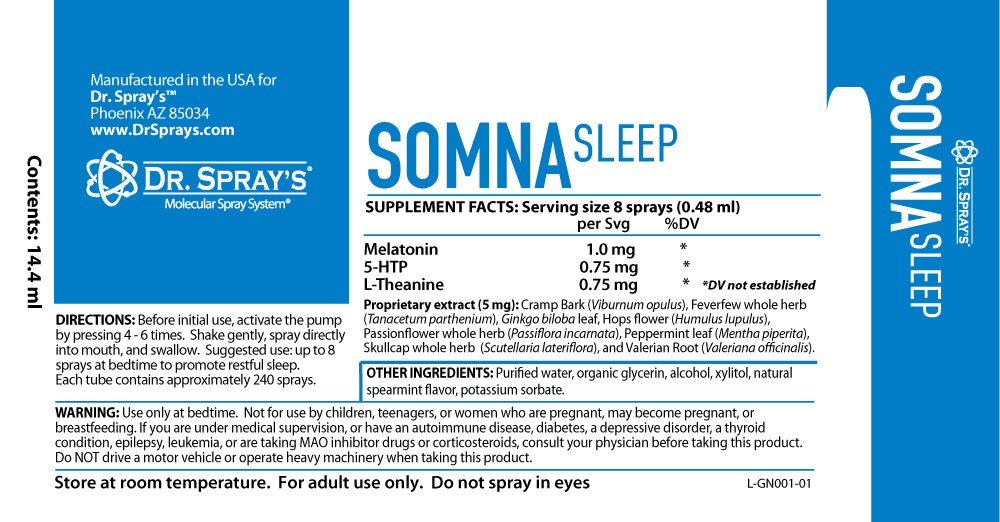
Advanced spray supplements designed for sleep support combine synergistic nutrients that work together to promote healthy sleep patterns. These formulations typically include:
Melatonin (in carefully calibrated pediatric doses) signals the brain that darkness has arrived and sleep should begin. While the body produces melatonin naturally, supplementation can help reset disrupted circadian rhythms.
L-theanine, an amino acid found in tea leaves, promotes relaxation without sedation by increasing alpha brain wave activity and supporting GABA production.
Magnesium as mentioned earlier, acts on the nervous system to reduce physical tension and mental restlessness.
Chamomile and passionflower extracts have been used traditionally for centuries to promote calm and have emerging research support for mild sleep improvement.
When delivered via oral spray vitamins, these compounds bypass digestive breakdown and reach therapeutic levels in the bloodstream more quickly and completely than traditional oral supplements.
Implementing a Comprehensive Sleep Improvement Plan
Addressing toddler sleep challenges most effectively requires a multi-faceted approach that combines environmental optimization, behavioral consistency, and nutritional support.
Week-by-Week Implementation Strategy
Week 1: Establish the Foundation
- Set a consistent bedtime and wake time (even on weekends)
- Optimize the sleep environment (temperature, darkness, white noise)
- Begin a predictable bedtime routine
- Evaluate your child's current diet for nutritional gaps
Week 2: Add Nutritional Support
- Introduce a high-quality multivitamin spray to address potential deficiencies
- Add a vitamin D3 spray if your child has limited sun exposure
- Consider a vitamin B12 spray if dietary intake is insufficient
- Continue refining the bedtime routine based on your child's response
Week 3: Address Behavioral Components
- Implement consistent responses to bedtime resistance
- Practice putting your child down drowsy but awake
- Use minimal intervention for night wakings
- Track sleep patterns to identify improvements or persistent issues
Week 4: Evaluate and Adjust
- Assess changes in sleep onset time, night wakings, and morning wake time
- Adjust bedtime if your toddler consistently takes more than 20 minutes to fall asleep
- Consider adding a sleep-specific spray formulation if basic nutritional support hasn't fully resolved issues
- Consult your pediatrician if significant sleep problems persist despite consistent implementation
Additional Factors That Influence Toddler Sleep
Daytime Physical Activity
Active play during the day supports better nighttime sleep. Aim for at least 60 minutes of physical activity, ideally including outdoor time in natural light (which helps set the circadian rhythm). In Phoenix's extreme summer heat, focus outdoor time during early morning or evening hours when temperatures are more moderate.
Nap Timing and Duration
Most 2-year-olds still benefit from one afternoon nap, typically beginning between 12:00-2:00 PM. If your child naps too late (after 3:00 PM) or sleeps too long (more than 2 hours), nighttime sleep may suffer. Wake your toddler gently if naps exceed 2 hours to protect nighttime sleep quality.
Managing Sleep Regressions
Developmental leaps, teething, illness, and schedule disruptions can temporarily derail even excellent sleep habits. During these periods, maintain your core routine as much as possible while providing additional comfort as needed. Most regressions resolve within 1-2 weeks when you return to consistent practices.
Safety Considerations for Toddler Supplementation
When selecting vitamin spray products for your 2-year-old, prioritize formulations that meet these criteria:
- Age-appropriate dosing: Pediatric formulations contain nutrients in amounts suitable for young children
- Third-party testing: Independent verification ensures the product contains what the label states without contaminants
- FDA-registered facility: Manufacturing in registered facilities with Good Manufacturing Practices (GMP) certification ensures quality control
- Minimal additives: Avoid products with artificial colors, flavors, or unnecessary fillers
- Clear ingredient disclosure: Complete transparency about all components and their sources
Always discuss supplementation with your pediatrician, particularly if your child takes medications or has existing health conditions. While vitamins are generally safe, proper dosing for young children is essential.
Frequently Asked Questions
How long does it take for vitamin supplementation to improve my toddler's sleep?
If nutritional deficiency is contributing to sleep problems, you may notice initial improvements within 3-5 days as nutrient levels begin to normalize. However, full resolution typically requires 2-4 weeks of consistent supplementation combined with sleep hygiene improvements. Spray supplements work faster than traditional pills because of their superior absorption rate, but correcting a significant deficiency still requires time.
Can I give my 2-year-old multiple vitamin sprays at the same time?
Generally yes, but specific combinations depend on the formulations. A multivitamin spray can typically be combined with a vitamin D3 spray or vitamin B12 spray if your child needs additional amounts beyond what the multivitamin provides. However, always check the total dosage of each nutrient to ensure you're not exceeding upper limits. Consult with your pediatrician before combining multiple supplements.
Are vitamin sprays safe for toddlers with allergies?
Quality oral spray vitamins are often excellent options for children with allergies because they typically avoid common allergens found in gummy or chewable supplements. However, always read ingredient labels carefully. Look for sprays that are free from gluten, dairy, soy, and artificial additives if your child has sensitivities. Products manufactured in dedicated facilities reduce cross-contamination risk.
My 2-year-old won't open their mouth for the spray. What can I do?
Make the experience positive by letting your child see you use a spray first (you could use a breath spray to demonstrate). Some parents turn it into a game: "Can you open wide like a lion?" or "Let's spray the vitamin fairies!" For resistant toddlers, spray onto the inside of the cheek rather than under the tongue—absorption through the buccal mucosa is still excellent. Never force the spray, as this creates negative associations.
What time of day should I give sleep-supporting vitamins to my toddler?
For general nutritional support like vitamin B12 spray or vitamin D3 spray, morning or early afternoon is ideal. For sleep-specific formulations containing melatonin or calming herbs, administer 30-60 minutes before bedtime as part of your established routine. This timing allows the nutrients to reach effective levels as your child becomes drowsy.
Will my child become dependent on sleep supplements?
When used appropriately, vitamin and mineral supplementation addresses deficiencies rather than creating dependency. Your child's body uses the nutrients to support normal physiological processes. Unlike pharmaceutical sleep medications, nutritional supplements work with the body's natural systems. Most children can taper off sleep-specific formulations once healthy patterns are established and any deficiencies are corrected.
How do I know if my toddler's sleep problems are serious enough to need medical attention?
Consult your pediatrician if your child experiences: loud snoring or pauses in breathing during sleep (possible sleep apnea), extreme difficulty waking in the morning despite adequate sleep opportunity, falling asleep at inappropriate times during the day, significant developmental regression, or sleep problems that persist despite 4-6 weeks of consistent intervention. These may indicate underlying medical conditions requiring professional evaluation.
Can nutritional deficiencies really cause sleep problems, or is behavior the main issue?
Research increasingly demonstrates that nutrition and sleep are intimately connected. Studies published in journals such as Nutrients and Sleep Medicine Reviews show that deficiencies in vitamin D, B vitamins, magnesium, and iron directly impact sleep architecture, sleep onset latency, and sleep quality. While behavioral factors certainly play a role, dismissing the nutritional component means potentially overlooking a fixable cause. The most effective approach addresses both behavioral consistency and nutritional adequacy.
Are spray vitamins absorbed better than chewable or liquid vitamins?
Yes, significantly so. Oral spray vitamins achieve absorption rates up to 90% compared to approximately 20-50% for traditional oral supplements. This is because the nutrients enter the bloodstream directly through the mucous membranes in the mouth, bypassing the digestive process where significant nutrient degradation occurs. For toddlers with digestive sensitivities or inconsistent eating patterns, this enhanced bioavailability is particularly beneficial.
Moving Forward: Your Action Plan for Better Toddler Sleep
Helping your 2-year-old achieve restorative sleep requires patience, consistency, and often a combination of approaches. Start by optimizing the factors you can control immediately: sleep environment, bedtime routine, and schedule consistency.
If sleep difficulties persist after addressing these behavioral elements, evaluate your child's nutritional status. Many toddlers have limited dietary variety, and specific nutrient deficiencies directly interfere with healthy sleep regulation. Vitamin spray delivery offers an effective, toddler-friendly solution that addresses common deficiencies without the challenges associated with pills or the sugar content of gummies.
Remember that every child is unique, and finding the right combination of strategies may require some trial and adjustment. Track your child's sleep patterns, note which interventions produce improvements, and remain consistent with approaches that work.
With the right support—environmental, behavioral, and nutritional—most 2-year-olds can develop healthy sleep habits that benefit the entire family. Quality sleep during these crucial developmental years sets the foundation for cognitive development, emotional regulation, and physical health that extends far beyond the toddler years.
Support Your Toddler's Sleep with Science-Backed Nutrition
If your 2-year-old's sleep challenges may be connected to nutritional gaps, DrSprays offers doctor-developed vitamin spray solutions specifically designed for optimal absorption and ease of use with young children.
Our oral spray vitamins are manufactured in an FDA-registered, GMP-certified facility in Phoenix, Arizona, ensuring the highest quality standards. With a 90% absorption rate, our spray supplements deliver nutrients more effectively than traditional pills or gummies.
Explore our range of pediatric-friendly formulations, including vitamin D3 spray for immune and sleep support, vitamin B12 spray for energy regulation and circadian rhythm support, and our comprehensive multi-vitamin spray for overall nutritional balance.
Visit DrSprays today to discover how advanced spray technology can support your family's health and your toddler's sleep quality.
About the Author
Dr. Jason Patel, Pediatric Sleep Nutrition Specialist
Dr. Patel specializes in the intersection of pediatric nutrition and sleep quality, with over 12 years of clinical experience helping families address childhood sleep challenges through evidence-based nutritional interventions. He completed his doctoral research on micronutrient deficiencies and their impact on circadian rhythm regulation in young children.
As a consultant for DrSprays' product development team, Dr. Patel focuses on creating formulations that address common nutritional gaps in children's diets while remaining safe, effective, and palatable for young patients. He regularly contributes to pediatric nutrition journals and presents at conferences on the role of supplementation in supporting healthy development.
Dr. Patel practices in Phoenix, Arizona, where he works with families navigating the unique nutritional challenges posed by the desert climate, including vitamin D maintenance and hydration optimization. He is a member of the American Academy of Pediatrics and the Academy of Nutrition and Dietetics.