Sleep challenges with a three-year-old can leave parents feeling exhausted and overwhelmed. Between bedtime battles, middle-of-the-night wake-ups, and early morning risings, establishing healthy sleep patterns at this age requires patience, consistency, and often a multi-faceted approach.
In this comprehensive guide, we'll explore proven strategies to help your toddler sleep better, including the role nutrition and vitamins play in supporting healthy sleep patterns. Whether you're dealing with bedtime resistance or frequent night wakings, you'll find practical solutions you can implement tonight.
Understanding Your 3-Year-Old's Sleep Needs
Three-year-olds typically need between 10-13 hours of total sleep in a 24-hour period, including naps. At this age, many children are transitioning away from daily naps or moving to shorter afternoon rest periods. This developmental shift can temporarily disrupt nighttime sleep patterns.
During the preschool years, children experience rapid cognitive and physical development. Their brains are processing new language skills, social interactions, and motor abilities—all of which can affect sleep quality. Understanding these developmental changes helps parents set realistic expectations and recognize when sleep issues are normal versus when they might indicate a nutritional deficiency or other concern.
Signs Your Toddler Isn't Getting Enough Sleep
- Excessive crankiness or emotional outbursts during the day
- Difficulty concentrating on activities or listening to instructions
- Falling asleep during car rides or other non-bedtime situations
- Hyperactivity or difficulty settling down
- Increased accidents or clumsiness
- Resistance to previously enjoyed activities
Creating the Ideal Sleep Environment
The bedroom environment significantly impacts sleep quality for toddlers. Your child's sleep space should signal to their brain that it's time to wind down and rest.
Room Temperature and Lighting
Keep the bedroom temperature between 65-70°F for optimal sleep. The room should be as dark as possible—even small amounts of light can interfere with melatonin production, the hormone that regulates sleep-wake cycles. Consider blackout curtains if streetlights or early morning sun disrupts your child's sleep.
If your toddler fears complete darkness, use a dim red or amber nightlight rather than blue or white light, which can suppress melatonin production more significantly.
Noise Control
White noise machines can help mask household sounds that might wake your three-year-old. Consistent background noise creates a soothing environment and can help your child transition between sleep cycles without fully waking.
Establishing a Consistent Bedtime Routine
Predictability is crucial for toddler sleep success. A consistent bedtime routine signals to your child's body that sleep is approaching, triggering the natural release of sleep hormones.
The 30-Minute Wind-Down Window
Start your bedtime routine at the same time each night, approximately 30 minutes before you want your child asleep. This routine might include:
- Bath or washing face and hands
- Putting on pajamas
- Brushing teeth
- Reading 2-3 books
- Singing a lullaby or quiet conversation
- Final goodnight and lights out
The specific activities matter less than the consistency and order. Your three-year-old will learn to anticipate each step, which helps their body prepare for sleep.
Limiting Screen Time Before Bed
Avoid all screens (television, tablets, phones) for at least one hour before bedtime. The blue light emitted by electronic devices suppresses melatonin production and can make falling asleep more difficult. Additionally, stimulating content can make it harder for your toddler's mind to settle.
The Role of Nutrition in Toddler Sleep
What your child eats—and when—can significantly impact sleep quality. Certain nutritional deficiencies are associated with sleep difficulties in young children.
Key Vitamins and Minerals for Sleep Support
Several nutrients play crucial roles in regulating sleep-wake cycles and supporting the body's natural sleep processes:
Vitamin B12 helps regulate circadian rhythms and supports the production of melatonin. Children deficient in B12 may experience sleep disturbances, irritability, and fatigue. Traditional B12 supplements can be difficult for young children to take, but a vitamin B12 spray offers an easier delivery method that many toddlers tolerate well.
Vitamin D3 influences sleep quality and duration. Research shows that vitamin D deficiency is associated with shorter sleep duration and more frequent night wakings in children. Since many three-year-olds spend limited time outdoors or live in areas with reduced sunlight during certain seasons, supplementation may be beneficial. A vitamin D3 spray provides convenient dosing without the choking hazard of pills.
Magnesium acts as a natural relaxant, supporting both the nervous system and muscle relaxation. It works synergistically with other sleep-supporting nutrients.
Why Oral Spray Vitamins Work Better for Toddlers
Getting a three-year-old to take traditional vitamins can be a nightly battle that adds stress to bedtime rather than supporting sleep. Oral spray vitamins offer several advantages:
- No choking hazard from pills or gummies
- Higher absorption rates (up to 90%) compared to traditional supplements
- Pleasant taste that toddlers accept more readily
- Quick administration that fits easily into bedtime routines
- No added sugars found in many children's gummy vitamins
The spray supplement delivery system allows nutrients to absorb through the mucous membranes in the mouth, bypassing the digestive system where many nutrients are lost during traditional supplement processing.
Addressing Common 3-Year-Old Sleep Challenges
Bedtime Resistance and Stalling Tactics
Three-year-olds are masters of delaying bedtime with "one more" requests—one more story, one more hug, one more drink of water. While some requests are legitimate, many are simply stalling tactics.
Set clear boundaries: "We read two books every night. Which two would you like tonight?" Giving choices within limits helps your toddler feel some control while maintaining your structure. When stalling continues after the routine is complete, respond with brief, boring consistency: "It's bedtime now. I love you. Goodnight."
Night Wakings and Nightmares
Night wakings are common at this age as children develop more vivid imaginations. When your three-year-old wakes during the night:
- Keep interactions brief and boring
- Use minimal lighting
- Offer calm reassurance without engaging in conversation or activities
- Guide them back to bed quickly and consistently
For nightmares, comfort your child but avoid creating elaborate rituals to "chase away monsters." Simple reassurance that they're safe is more effective long-term than monster spray or extensive checking routines.
Early Morning Wake-Ups
If your three-year-old consistently wakes before 6:00 a.m., first ensure they're getting adequate total sleep. Early rising might indicate they're going to bed too early for their individual sleep needs.
Use a toddler clock or light timer to teach your child when it's acceptable to get up. Explain that when the clock shows a certain color or image, it's time to stay quietly in bed. Consistency is essential—respond the same way each morning, even on weekends.
When to Consider Sleep-Supporting Supplements
If you've implemented consistent routines, optimized the sleep environment, and addressed behavioral factors but your three-year-old still struggles with sleep, nutritional deficiencies might be contributing to the problem.
Before starting any supplement regimen, consult with your pediatrician to rule out underlying medical conditions and discuss appropriate dosing. Blood tests can identify specific deficiencies in vitamins like B12 and D3.
Many parents in Phoenix, Arizona and other sunny climates assume their children get adequate vitamin D from sun exposure, but factors like sunscreen use, indoor lifestyles, and seasonal variations can still lead to deficiencies that affect sleep.
The DrSprays Approach to Sleep Support
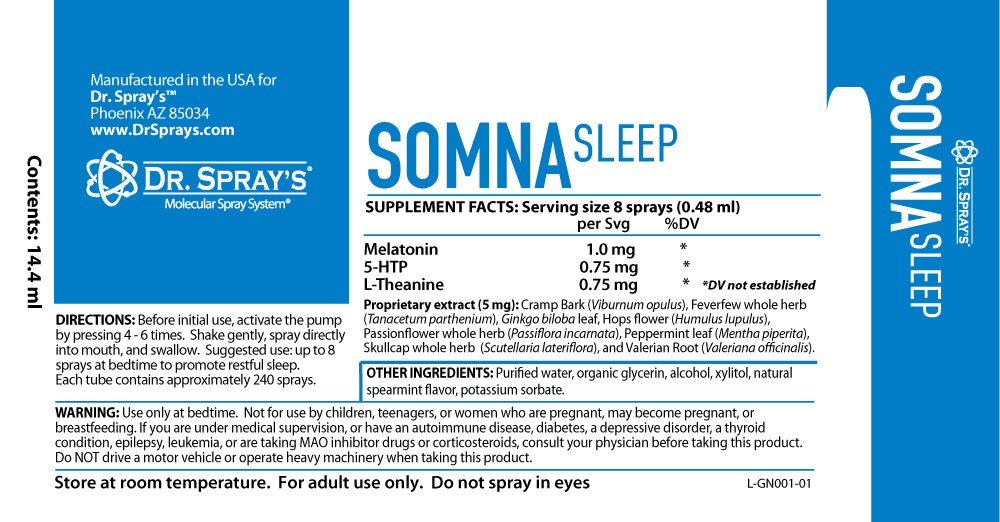
Products like the Somna Sleep Spray are specifically formulated to support healthy sleep patterns. Developed by doctors and manufactured in an FDA-registered, GMP-certified facility in Phoenix, Arizona, these vitamin spray products deliver sleep-supporting nutrients with up to 90% absorption rates.
The convenience of spray supplements makes them ideal for incorporation into bedtime routines. A quick spray takes seconds and doesn't involve the struggle of getting a tired toddler to swallow pills or chew gummies.
Daytime Habits That Improve Nighttime Sleep
Physical Activity Requirements
Three-year-olds need substantial physical activity during the day—ideally at least three hours of active play spread throughout waking hours. Outdoor play is particularly beneficial, as natural light exposure helps regulate circadian rhythms.
However, avoid vigorous physical activity within two hours of bedtime, as this can make settling down more difficult.
Nap Timing and Duration
Many three-year-olds still benefit from a daytime nap, but timing matters. Naps should occur in the early afternoon and last no longer than 90 minutes for most children this age. Naps too late in the day or lasting too long can interfere with nighttime sleep.
If your child resists naps but becomes overtired without them, implement "quiet time" instead. This rest period, even without sleep, can help prevent the overtiredness that paradoxically makes falling asleep at night more difficult.
Meal Timing and Content
Avoid heavy meals within two hours of bedtime, but don't let your toddler go to bed hungry either. A light snack combining protein and complex carbohydrates about an hour before bed can support steady blood sugar through the night.
Limit fluid intake in the hour before bed to reduce nighttime bathroom needs, but ensure your child is well-hydrated throughout the day.
The Science Behind Sleep and Development
Understanding why sleep matters can motivate parents during difficult phases. During sleep, your three-year-old's brain consolidates learning from the day, processes emotions, and supports physical growth through the release of growth hormone.
Children who consistently get adequate sleep show better emotional regulation, improved memory and learning, stronger immune function, and healthier growth patterns. The effort you invest in establishing healthy sleep habits now pays dividends in your child's cognitive and physical development.
Sleep Cycles in Toddlers
Three-year-olds cycle through sleep stages approximately every 60-90 minutes. During transitions between these cycles, they may briefly wake or stir. Children who haven't developed self-soothing skills may fully wake during these transitions and need parental intervention to return to sleep.
Teaching your toddler to fall asleep independently at bedtime helps them navigate these natural wake moments during the night without needing your assistance.
Creating a Sleep-Friendly Lifestyle
Consistency Across Settings
When possible, maintain similar bedtime routines and schedules even when traveling or staying with relatives. While some flexibility is necessary, dramatic variations in sleep schedules can undo weeks of progress.
If your three-year-old attends daycare or preschool, communicate with caregivers about nap schedules and any sleep challenges you're addressing at home. Consistency between settings supports better outcomes.
Managing Parental Stress
Your stress level affects your child's sleep. Toddlers are remarkably perceptive to parental anxiety and tension. When bedtime becomes a battle you dread, that anxiety transmits to your child.
Approach bedtime with calm confidence. If you've had several difficult nights, remind yourself that sleep challenges are temporary and normal parts of development. Your consistency matters more than perfection.
Frequently Asked Questions
How long should it take my 3-year-old to fall asleep at bedtime?
Most three-year-olds should fall asleep within 15-30 minutes of lights out if they're adequately tired and have followed a calming bedtime routine. If your child regularly takes longer than 30 minutes to fall asleep, they may not be tired enough at bedtime, or stimulating activities too close to bedtime may be interfering with their ability to settle.
Are vitamin sprays safe for toddlers?
When manufactured in FDA-registered, GMP-certified facilities and used according to product guidelines, vitamin sprays are safe for toddlers. Always consult with your pediatrician before starting any supplement regimen to ensure appropriate dosing and to rule out any contraindications specific to your child's health status.
Should I let my 3-year-old cry it out at bedtime?
Full extinction sleep training (traditional "cry it out") is generally not recommended for three-year-olds who can verbally express their needs. At this age, children may have legitimate needs or fears. Instead, use gradual approaches that provide reassurance while teaching independent sleep skills. Respond to calls, but keep interactions brief and boring, consistently returning your child to bed without engaging in extended conversations or activities.
What if my toddler keeps getting out of bed?
Consistency is key when addressing repeated bed exits. Each time your three-year-old gets up, calmly and silently walk them back to bed with minimal interaction. Don't engage in conversation, make eye contact, or show frustration. This boring, consistent response eventually teaches that getting up doesn't result in interesting outcomes. Some parents find success using a gate at the bedroom door or reward systems for staying in bed.
Can vitamin deficiencies really cause sleep problems in toddlers?
Yes, research shows that deficiencies in certain vitamins and minerals—particularly vitamin D3, vitamin B12, and magnesium—are associated with sleep difficulties in children. Vitamin D receptors exist throughout the brain, including areas that regulate sleep. B12 plays a role in melatonin production and circadian rhythm regulation. If your child has persistent sleep issues despite good sleep hygiene, ask your pediatrician about testing for nutritional deficiencies.
How do I know if my child needs a sleep supplement versus just better sleep habits?
Start by optimizing sleep habits—consistent routines, appropriate environment, adequate daytime activity, and proper meal timing. If sleep issues persist after 2-3 weeks of consistent implementation of these strategies, or if your child shows other signs of vitamin deficiency (fatigue, irritability, poor concentration, frequent illness), consult your pediatrician about potential nutritional factors. Blood tests can identify specific deficiencies that might benefit from supplementation with products like spray supplements.
What's the best bedtime for a 3-year-old?
Most three-year-olds do best with bedtimes between 7:00-8:30 p.m., depending on their wake time and whether they nap. Count backward from their necessary wake time to ensure 10-13 hours of total sleep. A child who needs to wake at 7:00 a.m. and still naps for 90 minutes should be asleep by 7:30-8:00 p.m. Observe your child's natural sleepy cues—eye rubbing, yawning, decreased activity—and aim for bedtime just as these signs appear, before they become overtired.
Why does my toddler sleep fine some nights but not others?
Inconsistency in toddler sleep often relates to variations in daytime routines, nap timing, activity levels, or meal schedules. Three-year-olds are also experiencing developmental leaps that can temporarily disrupt sleep. Illness, stress, or changes in routine can affect sleep patterns. Track your child's sleep alongside daily activities to identify patterns. Maintaining consistent bedtime routines even when the day has been unusual helps minimize sleep disruptions.
Moving Forward with Confidence
Helping your three-year-old develop healthy sleep habits requires patience, consistency, and sometimes a multi-faceted approach addressing both behavioral and nutritional factors. By creating an optimal sleep environment, establishing predictable routines, ensuring adequate daytime activity, and addressing any nutritional deficiencies, you set the foundation for quality sleep.
Remember that sleep challenges at this age are normal and temporary. Every child develops at their own pace, and what works for one family may need adjustment for another. Trust your instincts, stay consistent with your approach, and don't hesitate to consult healthcare providers when concerns arise.
The investment you make now in your toddler's sleep health supports their cognitive development, emotional regulation, physical growth, and overall wellbeing—benefits that extend far beyond the preschool years.
Support Your Toddler's Sleep with DrSprays
If you've optimized your three-year-old's sleep environment and routines but suspect nutritional factors may be contributing to sleep challenges, explore our doctor-developed vitamin spray solutions. Manufactured in our FDA-registered, GMP-certified facility in Phoenix, Arizona, our products deliver essential nutrients with up to 90% absorption rates—far superior to traditional pills or gummies.
Our Somna Sleep Spray is specifically formulated to support healthy sleep patterns, while our B12 Spray and D3 Spray address common deficiencies that can interfere with quality sleep. The convenient spray delivery makes supplementation easy to incorporate into your bedtime routine without the struggle of pills.
Explore Our Sleep-Supporting Products
Have questions about which products might benefit your toddler's sleep? Contact our team for personalized guidance on supporting your child's nutritional needs for better sleep.