Sleep deprivation is one of the most challenging aspects of parenting a one-year-old. If you're reading this at 3 AM while your toddler protests bedtime yet again, you're not alone. Many parents struggle to help their one-year-olds develop healthy sleep patterns that last through the night.
Understanding the factors that influence toddler sleep—from nutrition and daytime routines to bedroom environment—can transform those exhausting nights into restful ones for the entire family. This comprehensive guide will walk you through evidence-based strategies to help your one-year-old sleep soundly through the night.
Understanding One-Year-Old Sleep Patterns
Before implementing sleep solutions, it's important to understand what's developmentally normal for a one-year-old. At this age, children typically need 11-14 hours of total sleep in a 24-hour period, including 10-12 hours at night and 1-3 hours during daytime naps.
However, many one-year-olds still wake during the night due to various factors:
- Separation anxiety, which peaks around 12-18 months
- Developmental milestones like walking that cause excitement
- Changing sleep needs as they transition from two naps to one
- Nutritional deficiencies that affect sleep quality
- Inconsistent bedtime routines
The good news? Most sleep disruptions at this age are temporary and can be addressed with the right approach.
The Role of Nutrition in Toddler Sleep Quality
What your one-year-old eats during the day significantly impacts how well they sleep at night. Certain nutritional deficiencies are directly linked to sleep problems in young children.
Critical Vitamins for Sleep Regulation
Vitamin D3 plays a crucial role in sleep regulation. Research shows that vitamin D deficiency is associated with shorter sleep duration and more frequent night wakings in young children. Since one-year-olds may not get adequate sun exposure, especially during winter months or in northern climates, supplementation may be necessary.
B vitamins, particularly B12, support the production of melatonin—the hormone that regulates sleep-wake cycles. B12 also helps maintain healthy nervous system function, which is essential for quality sleep. Deficiency in vitamin B12 can lead to restlessness and difficulty falling asleep.
Magnesium promotes relaxation and helps regulate neurotransmitters that calm the nervous system. While not a vitamin, this essential mineral works synergistically with vitamins to support restful sleep.
Modern Absorption Challenges
Getting adequate nutrition into a picky one-year-old can be challenging. Traditional vitamin delivery methods like tablets or capsules aren't suitable for this age group, and liquid vitamins can be messy and poorly absorbed due to digestive system immaturity.
Oral spray vitamins offer a compelling alternative for older toddlers and children who can safely use spray delivery. With absorption rates up to 90% compared to 10-20% for traditional pills, vitamin spray products deliver nutrients directly through the mucous membranes in the mouth, bypassing the digestive system where absorption issues often occur.
Creating the Ideal Sleep Environment
Your one-year-old's bedroom environment significantly influences sleep quality. Small adjustments can make a dramatic difference.
Temperature and Darkness
Keep the room cool, between 68-72°F (20-22°C). Overheating is associated with poor sleep quality and increased risk of night wakings. Use breathable sleepwear appropriate for the season.
Darkness triggers melatonin production. Install blackout curtains to eliminate light pollution from streetlights or early morning sun. Even small amounts of light can disrupt your toddler's circadian rhythm.
Sound and Comfort
White noise machines can mask household sounds that might wake your light-sleeping one-year-old. Choose a consistent, gentle sound rather than music or sounds that vary in volume or pitch.
Ensure the crib mattress is firm and safe, with fitted sheets that don't bunch up. Remove pillows, blankets, and stuffed animals that pose suffocation risks.
Establishing a Consistent Bedtime Routine
Consistency is perhaps the most powerful tool for helping one-year-olds sleep through the night. A predictable routine signals to your toddler's brain that sleep time is approaching.
The 30-Minute Wind-Down
Begin your bedtime routine 30 minutes before you want your child asleep. This gives their body time to transition from active play to rest. A sample routine might include:
- Bath time with warm water (not hot, which can be stimulating)
- Quiet play with calming activities like reading or puzzles
- Putting on pajamas and sleep sack
- Final feeding (breast or bottle)
- Tooth brushing
- Reading 1-2 books in the nursery with dimmed lights
- Goodnight song or lullaby
- Into the crib while drowsy but still awake
The key is performing the same sequence in the same order every night. This predictability helps your one-year-old feel secure and understand what's expected.
Timing Matters
Put your one-year-old to bed at the same time each night, typically between 7:00-8:00 PM. Watch for sleep cues like rubbing eyes, pulling ears, or decreased activity. If you miss the optimal sleep window, your toddler may become overtired, making it harder to fall asleep.
Addressing Night Wakings Effectively
Even with perfect routines, some one-year-olds will still wake during the night. How you respond makes all the difference.
The Gradual Response Method
When your toddler wakes and cries, wait a few minutes before responding. This gives them the opportunity to self-soothe and fall back asleep independently. If crying continues:
- Enter the room calmly without turning on bright lights
- Use a soothing voice but minimize conversation
- Pat or rub their back briefly
- Leave the room while they're still awake
- Gradually increase the time between check-ins
This method teaches your one-year-old that nighttime is for sleeping, not playing, while still providing reassurance that you're nearby.
When to Feed at Night
Most one-year-olds no longer need nighttime feedings for nutritional reasons, though some may still wake from habit or comfort-seeking. If your pediatrician confirms your child is growing well, you can gradually reduce nighttime bottles or nursing sessions.
Ensure daytime nutrition is adequate. A toddler who doesn't eat enough during waking hours may genuinely be hungry at night. Offer a substantial dinner and a small, protein-rich snack before bed.
Daytime Strategies That Improve Nighttime Sleep
What happens during the day directly impacts nighttime sleep quality. These daytime practices set your one-year-old up for sleep success.
Optimizing Nap Schedules
Most one-year-olds transition from two naps to one between 12-18 months. During this transition, sleep can become temporarily disrupted. Signs your toddler is ready for one nap include:
- Consistently refusing the morning nap
- Taking a morning nap but refusing to sleep at bedtime
- The morning nap interferes with afternoon nap timing
When transitioning to one nap, move it to midday (around 12:30-1:00 PM) and expect this nap to be longer—typically 2-3 hours. Adjust bedtime earlier temporarily if your toddler seems overtired.
Physical Activity and Light Exposure
Ensure your one-year-old gets plenty of physical activity during the day. Active play helps them expend energy and builds sleep pressure. Morning sunlight exposure is particularly important for regulating circadian rhythms.
Spend time outdoors in natural light, especially in the morning. This helps set your toddler's internal clock and promotes vitamin D3 production, which supports healthy sleep patterns.
Limiting Screen Time
The American Academy of Pediatrics recommends no screen time for children under 18 months except video chatting. The blue light from screens suppresses melatonin production and can make falling asleep more difficult. If you do allow limited screen time for your one-year-old, ensure it ends at least 2 hours before bedtime.
Addressing Common Sleep Disruptors
Several factors can sabotage even the best sleep plans. Identifying and addressing these issues can help get sleep back on track.
Teething Pain
One-year-olds are often cutting molars, which can be particularly painful and disruptive to sleep. Signs of teething include drooling, chewing on objects, irritability, and swollen gums. Consult your pediatrician about appropriate pain relief options for nighttime comfort.
Illness and Developmental Changes
Ear infections, colds, and other illnesses frequently disrupt toddler sleep. During illness, prioritize comfort over sleep training. Once your child recovers, return to your normal routine promptly to prevent new sleep associations from forming.
Developmental milestones like learning to walk or talk can temporarily disrupt sleep as your toddler's brain processes new skills. This usually resolves within a few weeks as they master the new ability.
Travel and Schedule Changes
Travel across time zones or staying with relatives can throw off sleep schedules. Try to maintain bedtime routines as closely as possible in new environments. Bring familiar items like sleep sacks, white noise machines, and favorite books to provide continuity.
Supporting Sleep Health with Quality Supplements
When dietary intake isn't sufficient, supplementation can help fill nutritional gaps that impact sleep quality. However, choosing the right delivery method is critical for young children.
Why Absorption Matters
Traditional vitamin pills and capsules often pass through the digestive system largely unabsorbed, especially in young children with immature digestive systems. Studies show absorption rates as low as 10-20% for conventional oral supplements.
Spray supplements offer superior bioavailability by delivering nutrients directly through the oral mucosa. This sublingual and buccal absorption bypasses first-pass metabolism in the liver, allowing vitamins to enter the bloodstream quickly and efficiently.
Formulations Developed by Healthcare Professionals
At our FDA-registered, GMP-certified facility in Phoenix, Arizona, we develop oral spray vitamins specifically designed for maximum absorption and effectiveness. Our doctor-formulated products achieve up to 90% absorption rates, ensuring that the vitamins actually reach the bloodstream where they can support healthy sleep patterns.
Our vitamin D3 spray and vitamin B12 spray are particularly relevant for supporting healthy sleep cycles. These products are manufactured to the highest quality standards in our Phoenix facility, giving parents confidence in what they're providing to support their family's wellness.
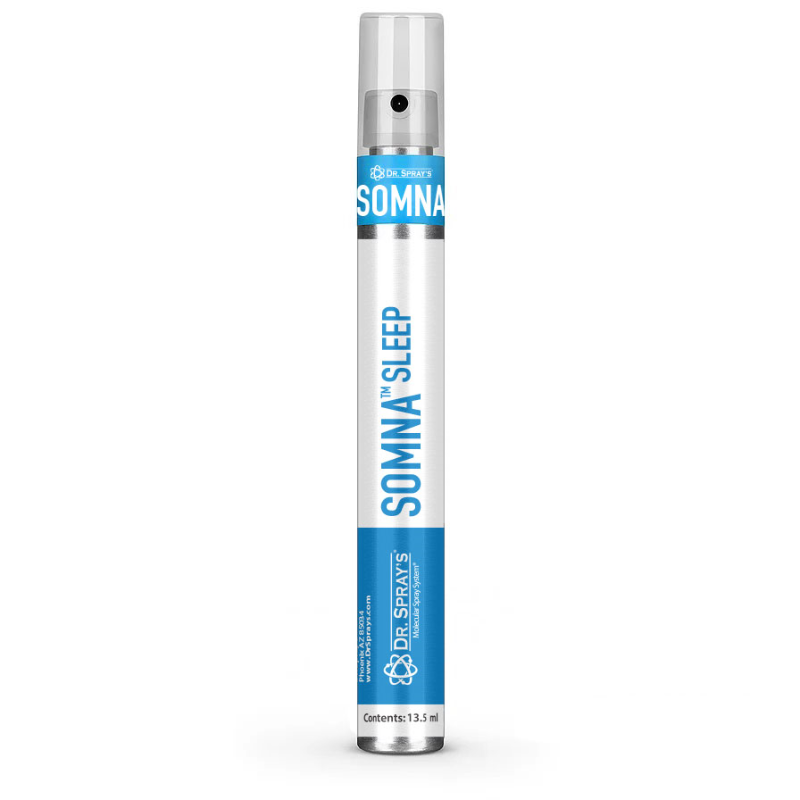
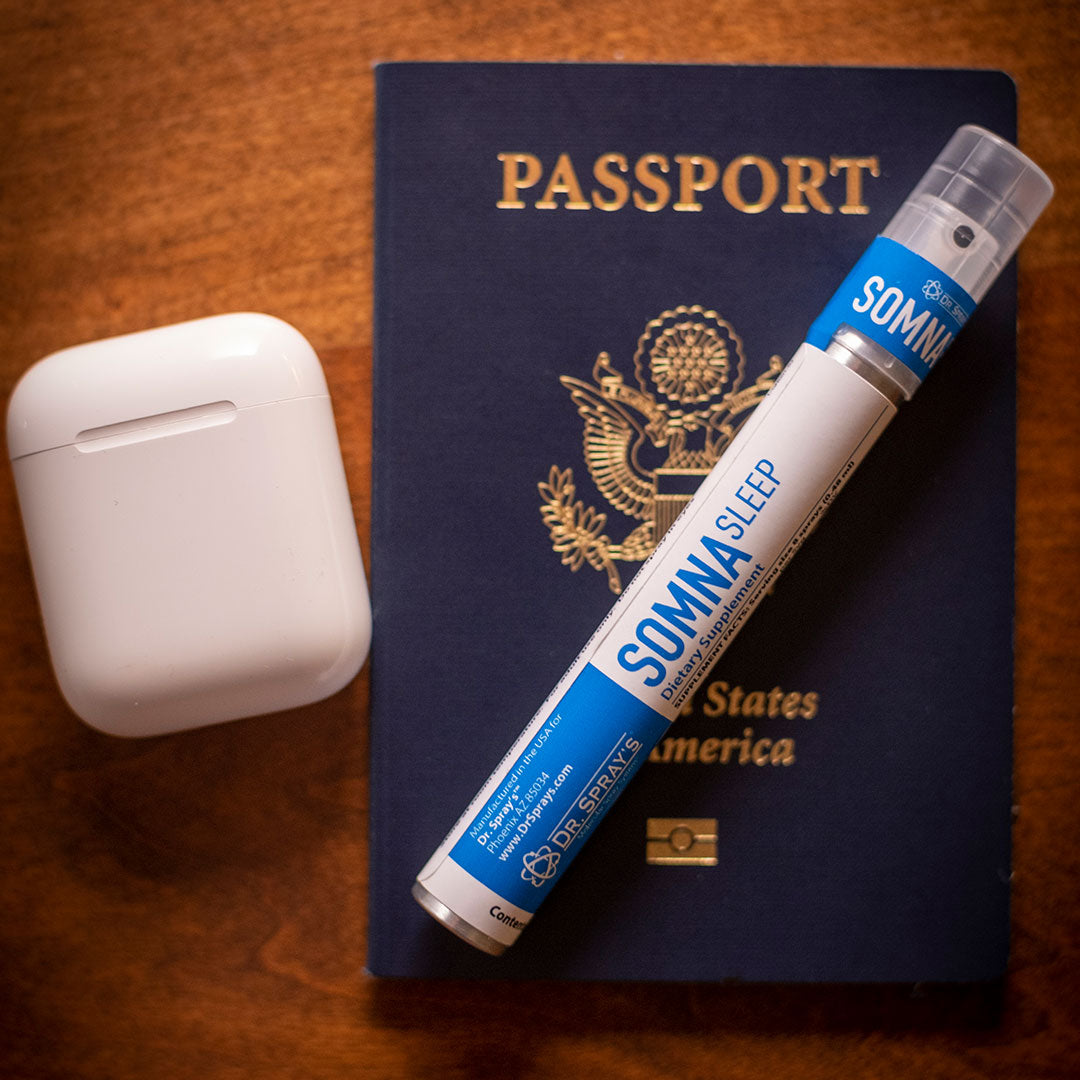
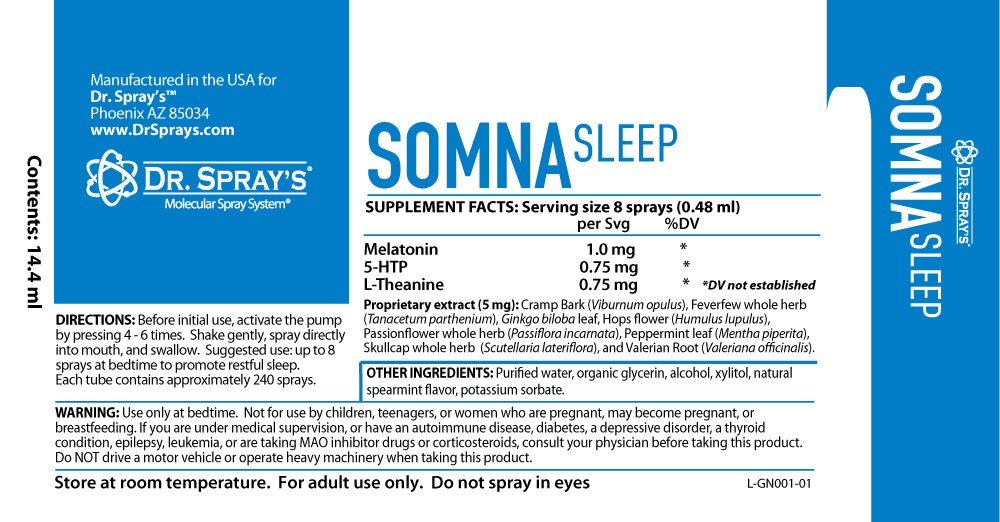
For parents and caregivers seeking to support their own sleep quality while managing toddler sleep challenges, our Sleep spray offers a natural approach to achieving restful sleep without morning grogginess.
When to Consult a Healthcare Professional
While most one-year-old sleep issues resolve with consistent routines and environmental adjustments, some situations warrant professional evaluation.
Contact your pediatrician if your one-year-old:
- Snores loudly or has pauses in breathing during sleep
- Seems excessively tired despite adequate sleep opportunities
- Has not shown any improvement after 4-6 weeks of consistent sleep training
- Wakes screaming inconsolably multiple times per night
- Shows signs of developmental delays
Sleep disorders like sleep apnea can occur in toddlers and require medical intervention. Additionally, your pediatrician can evaluate whether nutritional deficiencies might be contributing to sleep problems and recommend appropriate testing or supplementation.
Long-Term Sleep Success Strategies
Helping your one-year-old sleep through the night is a process, not an overnight fix. Be patient and consistent as you implement these strategies.
Tracking Progress
Keep a sleep diary for at least two weeks, recording bedtime, wake time, night wakings, and nap duration. This helps you identify patterns and determine which strategies are working. Note what your child ate during the day as well, since nutrition significantly impacts sleep quality.
Managing Setbacks
Regression is normal and expected. Growth spurts, illness, travel, and developmental changes can all temporarily disrupt sleep patterns. When setbacks occur, return to basics: consistent routine, appropriate sleep environment, and adequate daytime nutrition and activity.
Adjusting as Your Child Grows
Sleep needs change as your toddler develops. What works at 12 months may need adjustment by 18 months. Stay flexible and responsive to your child's evolving needs while maintaining core consistency in your approach.
Frequently Asked Questions
How long should it take for a one-year-old to fall asleep at night?
A well-rested one-year-old following a consistent bedtime routine should fall asleep within 15-20 minutes of being placed in their crib. If it regularly takes longer than 30 minutes, your toddler may not be tired enough at bedtime, suggesting the need for schedule adjustments or more daytime activity.
Is it okay to let a one-year-old cry it out?
Sleep training methods vary, and different approaches work for different families. Gradual methods that involve checking on your child at increasing intervals are effective for many families and provide reassurance while teaching self-soothing. However, you should never ignore crying that sounds distressed or fearful. Consult your pediatrician about which sleep training approach aligns with your parenting philosophy and your child's temperament.
Can vitamin deficiencies really affect toddler sleep?
Yes, research shows that deficiencies in vitamin D3, B vitamins (especially B12), iron, and magnesium are associated with poor sleep quality, difficulty falling asleep, and frequent night wakings in young children. A blood test from your pediatrician can identify deficiencies that may be impacting your one-year-old's sleep.
What's the best bedtime for a one-year-old?
Most one-year-olds sleep best when bedtime falls between 7:00-8:00 PM. This timing aligns with natural circadian rhythms and allows adequate nighttime sleep before morning wake time. However, the optimal bedtime depends on your child's nap schedule and individual sleep needs. Watch for sleep cues rather than strictly following the clock.
Should I give my one-year-old milk before bed?
A small feeding before bed can help your toddler feel satisfied through the night. However, avoid creating a dependency on feeding for falling asleep. Offer milk at least 30 minutes before placing your child in the crib, followed by tooth brushing. This prevents both sleep associations with feeding and dental problems from milk sitting on teeth overnight.
How do I know if my one-year-old is getting enough sleep?
A well-rested one-year-old wakes up happy, maintains a generally pleasant mood during the day, and doesn't seem drowsy between naps. Signs of insufficient sleep include excessive fussiness, hyperactivity (overtired children often seem wired rather than tired), frequent tantrums, clumsiness, and falling asleep immediately in the car.
Are spray vitamins safe for toddlers?
Spray delivery of vitamins can be safe and effective for appropriate age groups, but always consult your pediatrician before starting any supplement regimen for your child. Our vitamin spray products are formulated by doctors and manufactured in an FDA-registered, GMP-certified facility in Phoenix, Arizona, ensuring the highest quality and safety standards. However, individual products have different age recommendations, and your healthcare provider can determine what's appropriate for your one-year-old.
What if my one-year-old wakes up at 5 AM?
Early morning wakings are common but often fixable. Ensure the room stays completely dark until your desired wake time using blackout curtains. Check that your toddler isn't going to bed overtired, which paradoxically causes early waking. Also evaluate whether bedtime is too early—sometimes shifting bedtime 15-30 minutes later helps. Finally, respond to early wakings as you would to night wakings, without turning on lights or starting the day.
Conclusion: Building Healthy Sleep Habits for Life
Helping your one-year-old sleep through the night requires patience, consistency, and attention to multiple factors including routine, environment, daytime activity, and nutrition. While the process can feel overwhelming during those exhausting midnight wake-ups, remember that you're not just solving an immediate problem—you're building lifelong healthy sleep habits for your child.
Focus on what you can control: maintaining consistent bedtime routines, creating an optimal sleep environment, ensuring adequate daytime nutrition and activity, and responding to night wakings in ways that encourage self-soothing. When nutritional gaps exist, high-quality supplementation with superior absorption can support the vitamins your toddler needs for healthy sleep regulation.
Every child is unique, and what works for one may not work for another. Be prepared to adjust your approach based on your toddler's individual needs and temperament. With persistence and the right strategies, those sleepless nights will become a distant memory, replaced by peaceful evenings and well-rested mornings for the entire family.
Support Your Family's Wellness with DrSprays
Quality nutrition plays a vital role in supporting healthy sleep patterns for the whole family. Our doctor-developed vitamin spray products deliver essential nutrients with up to 90% absorption, far exceeding traditional pills and capsules.
Manufactured in our FDA-registered, GMP-certified facility in Phoenix, Arizona, DrSprays products meet the highest quality and safety standards. Whether you're looking to support healthy vitamin D3 levels with our D3 spray, boost energy with our B12 spray, or improve your own sleep quality with our Sleep formula, we offer effective solutions backed by science.
Experience the DrSprays difference today. Shop our complete collection and discover how superior absorption can support your family's wellness journey. Questions? Our knowledgeable team in Phoenix is ready to help you find the right products for your needs.