Getting a one-year-old to sleep quickly is one of the most common challenges parents face. At this age, toddlers are developing rapidly, experiencing sleep regressions, and testing boundaries—all of which can make bedtime a nightly struggle. Understanding the science behind toddler sleep and implementing evidence-based strategies can transform bedtime from a battle into a peaceful routine.
This comprehensive guide explores proven methods to help your one-year-old fall asleep faster, including the often-overlooked role of nutritional support through modern delivery methods like vitamin sprays that can address underlying deficiencies affecting sleep quality.
Understanding One-Year-Old Sleep Patterns
Before implementing sleep strategies, it's important to understand what's happening developmentally with your toddler. One-year-olds typically need 11-14 hours of total sleep per day, including nighttime sleep and naps. However, significant changes occur around this age that impact sleep.
Normal Sleep Requirements at 12 Months
Most one-year-olds require approximately 11-12 hours of nighttime sleep, plus 2-3 hours distributed across one or two daytime naps. However, individual needs vary considerably. Some toddlers may need slightly more or less sleep while remaining perfectly healthy and well-rested.
The key is consistency. When your child receives adequate sleep regularly, you'll notice improved mood, better appetite, enhanced learning, and fewer behavioral challenges throughout the day.
Common Sleep Disruptions at This Age
Several developmental milestones coincide with the 12-month mark, often disrupting previously established sleep patterns:
- Separation anxiety peaks: Your toddler becomes more aware of your absence, making bedtime particularly difficult
- Physical development: Learning to walk and increased mobility can make settling down challenging
- Cognitive leaps: Rapid brain development can cause nighttime waking as the brain processes new information
- Nap transitions: Many toddlers transition from two naps to one around this age, temporarily disrupting night sleep
- Teething: Molars typically emerge between 13-19 months, causing discomfort that interferes with sleep
Creating the Ideal Sleep Environment
Your child's sleep environment significantly impacts how quickly they fall asleep and how well they stay asleep throughout the night. Small adjustments can yield substantial improvements.
Optimal Room Conditions
Temperature plays a crucial role in sleep quality. The ideal room temperature for toddler sleep ranges from 68-72°F (20-22°C). Overheating is associated with increased night wakings and restless sleep, while rooms that are too cold prevent deep sleep.
Darkness is equally important. At one year old, your child's circadian rhythm is still developing. Exposure to light—especially blue light from screens—suppresses melatonin production, the hormone that signals sleepiness. Use blackout curtains or shades to create complete darkness, particularly during summer months when daylight extends into evening hours.
White noise or gentle sound machines can mask household noises that might startle your toddler awake. Choose continuous sounds rather than those that cycle on and off, as the silence between cycles can actually wake light sleepers.
Safe Sleep Practices
Safety remains paramount as your child transitions from infant to toddler sleep. Keep the crib free of pillows, blankets, stuffed animals, and bumper pads, all of which pose suffocation risks. A fitted sheet on a firm mattress provides the safest sleep surface.
If your toddler uses a sleep sack, ensure it's appropriately sized and made from breathable material suitable for your home's temperature. Overheating increases SIDS risk, which, while rare after 12 months, remains a consideration.
Establishing an Effective Bedtime Routine
Consistency is the foundation of healthy sleep habits. A predictable bedtime routine signals to your toddler's brain that sleep is approaching, triggering physiological changes that promote drowsiness.
Timing Your Routine
Begin your bedtime routine at the same time each evening, ideally 30-45 minutes before your desired sleep time. This consistency helps regulate your child's circadian rhythm, making falling asleep faster and more natural over time.
Watch for sleep cues—rubbing eyes, decreased activity, fussiness, or yawning—and use these signals to determine optimal bedtime. Pushing past these cues leads to overtiredness, which paradoxically makes falling asleep more difficult due to stress hormone release.
Components of a Successful Routine
An effective bedtime routine includes calming, predictable activities that help transition from active play to restful sleep:
- Bath time: Warm water relaxes muscles and the subsequent temperature drop signals sleepiness to the body
- Quiet play: Choose calming activities like reading books or gentle cuddling rather than stimulating games
- Final feeding: A small bedtime snack or nursing session can prevent hunger-related wakings
- Tooth brushing: Establish dental hygiene as part of the routine
- Pajamas and diaper change: Create physical associations with sleep
- Books or songs: Two to three books or lullabies provide predictable closing activities
- Goodnight ritual: A consistent phrase, kiss, or gesture signals the routine's end
Keep the routine identical each night. Toddlers thrive on predictability, and variations can cause confusion or resistance that delays sleep.
Nutrition's Role in Sleep Quality
What your toddler consumes throughout the day—and particularly in the hours before bed—significantly impacts sleep quality and how quickly they fall asleep. Nutritional deficiencies can manifest as sleep difficulties long before other symptoms appear.
Foods That Promote Sleep
Certain nutrients support the production of sleep-promoting compounds. Tryptophan, an amino acid found in turkey, chicken, eggs, and dairy products, is a precursor to serotonin and melatonin. Complex carbohydrates like oatmeal, whole grain bread, or sweet potatoes help transport tryptopan to the brain.
Calcium and magnesium work together to relax muscles and calm the nervous system. Good sources include dairy products, leafy greens, and fortified foods. A small bedtime snack combining protein and complex carbohydrates—such as whole grain crackers with cheese—can sustain blood sugar levels throughout the night, preventing hunger-related wakings.
Critical Vitamins for Sleep
Several vitamins play essential roles in sleep regulation. Deficiencies in these nutrients can directly impair your toddler's ability to fall asleep quickly and maintain restful sleep throughout the night.
Vitamin D influences sleep quality through multiple mechanisms. Research indicates that vitamin D deficiency is associated with sleep disorders, shorter sleep duration, and difficulty falling asleep. This vitamin helps regulate circadian rhythms and supports the production of sleep-promoting neurotransmitters.
Many toddlers, particularly those in northern climates or with limited sun exposure, have insufficient vitamin D levels. Traditional supplementation through pills or liquids can be challenging with resistant toddlers. Modern vitamin D3 spray delivery provides an easier alternative, with superior absorption rates compared to traditional methods.
B Vitamins, particularly B6 and B12, are crucial for regulating sleep-wake cycles. These vitamins support the production of melatonin and serotonin, both essential for healthy sleep. B12 deficiency has been linked to sleep disturbances in children, including difficulty falling asleep and frequent night wakings.
While B vitamins are found in meat, eggs, and fortified foods, picky eating—common at this age—can lead to inadequate intake. Vitamin B12 spray offers a practical solution for ensuring adequate levels without mealtime battles.
Modern Supplement Delivery Methods
Traditional vitamin delivery presents challenges for toddlers. Pills are choking hazards, liquids often taste unpleasant, and gummies contain sugar and may pose choking risks for young children. Additionally, conventional oral supplements have relatively poor absorption rates—often only 10-20% of the nutrient reaches the bloodstream.
Oral spray vitamins represent a significant advancement in pediatric supplementation. Developed by physicians and manufactured in an FDA-registered, GMP-certified facility in Phoenix, Arizona, these spray supplements deliver nutrients directly into the bloodstream through the oral mucosa, achieving absorption rates up to 90%.
This delivery method offers several advantages for parents of toddlers:
- No choking hazard from pills or gummies
- Pleasant taste that children accept readily
- Rapid absorption that doesn't depend on digestive function
- Precise dosing with each spray
- Easy administration even with resistant children
- No artificial colors or unnecessary additives
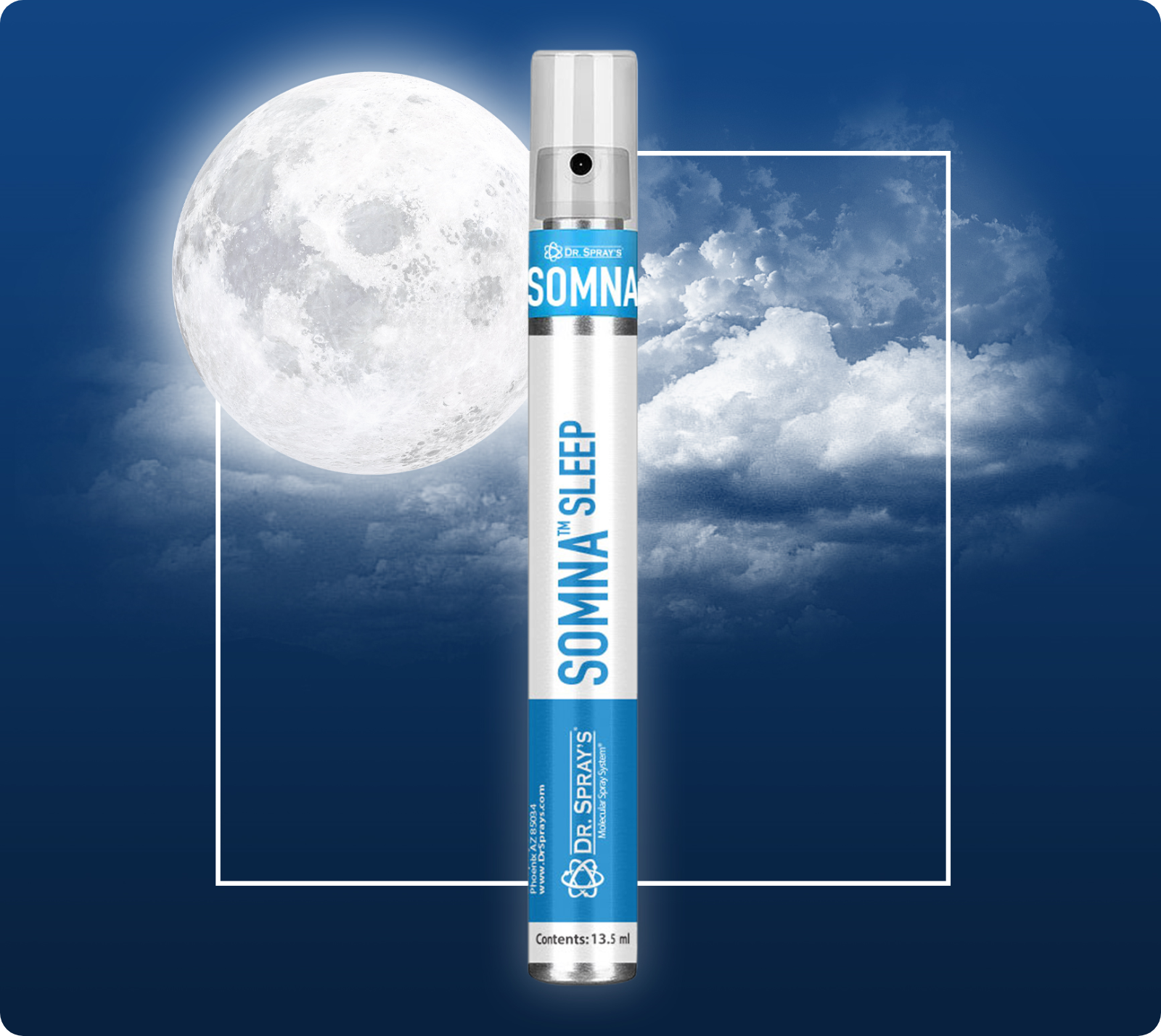
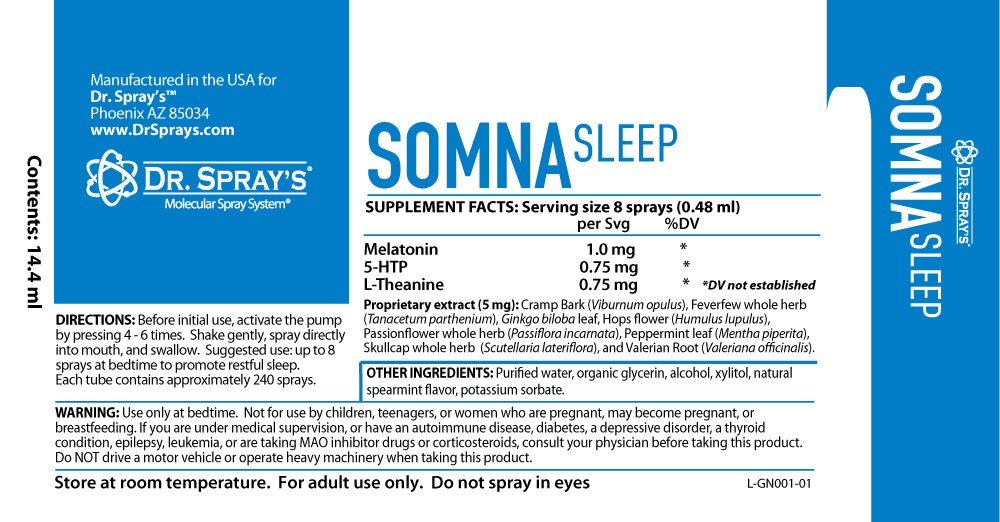
For sleep support specifically, the Somna Sleep Spray combines melatonin with complementary nutrients to support natural sleep patterns without the grogginess associated with some sleep aids.
Daytime Factors Affecting Nighttime Sleep
Sleep doesn't exist in isolation—what happens during waking hours directly impacts nighttime sleep quality and how quickly your toddler falls asleep at bedtime.
Physical Activity Requirements
One-year-olds need substantial physical activity to build up adequate sleep pressure for bedtime. Aim for at least 3 hours of varied physical activity throughout the day, including outdoor play when possible.
Natural light exposure during daytime hours is particularly important. Sunlight helps regulate circadian rhythms, strengthening the association between darkness and sleep. Even on cloudy days, outdoor light provides significantly more lux (light intensity) than indoor lighting.
However, avoid vigorous activity in the 2-3 hours before bedtime, as this can be overstimulating and delay sleep onset. Transition to calmer activities after dinner to help your child's body prepare for rest.
Nap Timing and Duration
Naps significantly impact nighttime sleep. Too much daytime sleep or naps too close to bedtime can make falling asleep at night difficult. Conversely, insufficient napping leads to overtiredness, which paradoxically makes sleep more challenging.
Most one-year-olds do well with one or two naps totaling 2-3 hours. If your child still takes two naps, ensure the afternoon nap ends by 3:30-4:00 PM to preserve bedtime sleep pressure. Wake your toddler if naps exceed their typical duration to maintain the nighttime sleep schedule.
The transition from two naps to one typically occurs between 12-18 months. Signs your child is ready include consistently resisting one nap, taking very short naps, or having difficulty falling asleep at bedtime despite appropriate wake windows.
Screen Time Impact
Electronic screens emit blue light that suppresses melatonin production, making falling asleep significantly harder. The American Academy of Pediatrics recommends no screen time for children under 18 months, with limited, high-quality content for older toddlers.
If you do allow screen time, discontinue all exposure at least 2 hours before bedtime to allow melatonin levels to rise naturally. This includes television, tablets, smartphones, and even backlit e-readers.
Addressing Common Sleep Challenges
Even with optimal conditions and routines, specific challenges may arise that prevent quick sleep onset. Understanding these obstacles and their solutions helps you troubleshoot persistent difficulties.
Separation Anxiety at Bedtime
Separation anxiety peaks around 12 months and can transform previously smooth bedtimes into prolonged struggles. Your child may cry intensely when you leave the room or repeatedly call for you after being put down.
Address this by building confidence during daytime separations. Play peek-a-boo, practice short separations during the day, and provide consistent reassurance that you always return. At bedtime, keep your goodbye brief but warm—prolonged farewells increase anxiety rather than reducing it.
Some parents find success with a transitional object like a special blanket or small stuffed animal (ensure it's safe for your child's age). Your scent on the object can provide comfort in your absence.
Night Wakings and Re-Settling
Frequent night wakings are common at this age. When your toddler wakes, wait a moment before responding—they may resettle independently. If intervention is needed, keep interactions brief, boring, and dimly lit. Avoid stimulating activities that signal playtime rather than sleep time.
Rule out physical causes for wakings: hunger, discomfort from teething, diaper issues, or illness. If wakings persist without clear cause, consider whether nutritional factors might be contributing. Iron deficiency, for example, is associated with restless sleep and frequent wakings.
Early Morning Wakings
If your toddler consistently wakes before 6:00 AM, several factors may be responsible. Room lighting—even small amounts filtering through curtains—can trigger early waking. Ensure complete darkness using blackout solutions.
Bedtime may be too early. While counterintuitive, moving bedtime 15-30 minutes later sometimes resolves early waking by allowing sufficient sleep pressure to build. Conversely, if your child is overtired, an earlier bedtime may help them sleep later.
Hunger can cause early waking. Ensure adequate caloric intake during the day and consider whether a slightly larger dinner or small bedtime snack might help your child sleep until a more reasonable hour.
When to Consult Healthcare Providers
While most sleep challenges resolve with consistent routines and appropriate environmental adjustments, some situations warrant professional evaluation.
Signs of Sleep Disorders
Consult your pediatrician if your child exhibits:
- Loud snoring or gasping during sleep
- Long pauses in breathing while sleeping
- Extreme difficulty waking in the morning
- Excessive daytime sleepiness despite adequate nighttime sleep
- Persistent sleep problems despite consistent intervention
- Significant developmental regression related to sleep deprivation
These symptoms may indicate sleep apnea, restless leg syndrome, or other medical conditions requiring treatment beyond behavioral interventions.
Nutritional Deficiency Screening
If sleep problems persist alongside other symptoms—such as developmental delays, excessive irritability, poor appetite, or frequent illness—discuss nutritional screening with your healthcare provider. Simple blood tests can identify deficiencies in iron, vitamin D, B vitamins, and other nutrients essential for healthy sleep.
Many pediatricians now recommend proactive vitamin D screening for all children, given the high prevalence of deficiency and its wide-ranging health impacts, including sleep quality.
Creating Realistic Expectations
Understanding what constitutes normal toddler sleep helps you maintain perspective during challenging periods and avoid implementing counterproductive strategies out of frustration.
The Reality of Toddler Sleep
Despite what social media or well-meaning relatives might suggest, no toddler sleeps perfectly every night. Sleep regressions occur predictably during developmental leaps and growth spurts. Illness, travel, and routine disruptions temporarily impact sleep quality.
Rather than pursuing unattainable perfection, aim for general consistency. Most nights should follow your established routine, but flexibility during exceptional circumstances prevents added stress. A few nights of disrupted sleep won't undo weeks of progress.
Individual Differences
Just as adults vary in their sleep needs and patterns, so do toddlers. Some children naturally require more or less sleep than average recommendations. Some are naturally early risers regardless of bedtime, while others are night owls who struggle with early mornings.
Rather than forcing your child into a theoretical ideal, observe their natural patterns and work with them. A well-rested toddler wakes easily, maintains generally positive mood throughout the day, and doesn't show signs of sleep deprivation regardless of whether their sleep quantity matches published averages.
Long-Term Sleep Health Strategies
The sleep foundation you build during your child's first years establishes patterns that extend far into the future. Investing time and effort now yields decades of benefits.
Consistency Across Environments
When possible, maintain similar sleep environments and routines across different settings. If your child regularly stays with relatives or attends daycare, share your bedtime routine and environmental preferences to provide consistency.
While perfect replication isn't always possible, maintaining core elements—such as bedtime timing, pre-sleep activities, and sleep associations—helps your child adapt more easily to different environments.
Adaptability and Growth
Sleep needs evolve as your child grows. Stay attuned to developmental changes that signal readiness for adjustments in sleep schedules or routines. The nap transition, room transitions, and eventual move to a toddler bed all require thoughtful planning and gradual implementation.
Flexibility within consistency defines successful long-term sleep management. Maintain core principles—appropriate sleep environment, consistent routines, adequate nutrition—while adapting specifics to your child's changing needs.
Frequently Asked Questions
How long should it take a 1-year-old to fall asleep?
A well-rested one-year-old with an appropriate bedtime routine typically falls asleep within 15-30 minutes of being put down. If your child regularly takes longer than 30 minutes to fall asleep, bedtime may be too early, they may not be tired enough, or environmental factors may be interfering with sleep onset. Conversely, falling asleep in less than 5 minutes often indicates overtiredness.
Should I let my 1-year-old cry at bedtime?
Sleep training approaches vary, and the right method depends on your family's values and your child's temperament. Some families successfully use graduated extinction (controlled crying), while others prefer gentler approaches. No single method works for every child. If you choose any form of sleep training, ensure basic needs are met first, rule out medical issues, and maintain consistency once you select an approach. Consult your pediatrician for guidance tailored to your situation.
Can vitamin deficiencies really affect my toddler's sleep?
Yes, research demonstrates clear connections between certain vitamin deficiencies and sleep problems in children. Vitamin D deficiency is associated with shorter sleep duration, difficulty falling asleep, and more frequent night wakings. B vitamin deficiencies can impair melatonin production and disrupt circadian rhythms. Iron deficiency contributes to restless sleep and is linked to restless leg syndrome even in young children. If sleep problems persist despite behavioral interventions, discuss nutritional screening with your pediatrician.
How do vitamin sprays compare to traditional supplements for toddlers?
Vitamin sprays offer several advantages for young children. They're absorbed directly through the oral mucosa, bypassing the digestive system and achieving absorption rates up to 90%—significantly higher than the 10-20% typical of pills or liquids. They're easier to administer to resistant toddlers, pose no choking risk, and typically taste better than liquid vitamins. The spray format also allows for precise dosing and doesn't require refrigeration or special storage.
When will my toddler's sleep improve?
Sleep typically consolidates and becomes more predictable between 12-18 months as neurological development progresses and circadian rhythms mature. However, this doesn't mean all challenges disappear—new disruptions emerge with developmental leaps, nap transitions, and environmental changes. With consistent routines and appropriate support, most toddlers establish relatively stable sleep patterns by 18-24 months, though individual variation is significant.
Is melatonin safe for one-year-olds?
Melatonin supplementation in young children should only occur under pediatric guidance. While melatonin is generally considered safe for short-term use, long-term effects in developing children aren't fully understood. If your pediatrician recommends melatonin, use the lowest effective dose and view it as a temporary measure while addressing underlying sleep issues. Spray delivery allows for precise, low-dose administration when supplementation is appropriate.
What if my toddler refuses to stay in bed?
For toddlers still in cribs, this isn't typically an issue. If your child has transitioned to a toddler bed and repeatedly leaves the room, respond consistently each time by calmly returning them to bed with minimal interaction. Some families use baby gates to define boundaries while allowing the child to see out of the room. Ensure the room is completely child-proofed so your primary concern is sleep rather than safety. Consistency is crucial—responding differently on different nights teaches your child that persistence may eventually result in a different outcome.
How does Phoenix's climate affect toddler sleep?
Phoenix, Arizona's hot, dry climate presents unique sleep considerations. High temperatures can make maintaining optimal room temperature challenging, particularly during summer months when outdoor temperatures exceed 100°F. Use air conditioning to maintain the ideal 68-72°F range in sleeping areas. The intense sunlight requires excellent blackout solutions to prevent early waking. Lower humidity can cause nasal dryness that disrupts sleep—consider a cool-mist humidifier to maintain comfortable moisture levels. The year-round sunshine does provide excellent vitamin D exposure during outdoor play, supporting healthy sleep-wake cycles.
Conclusion
Helping your one-year-old fall asleep quickly requires a comprehensive approach that addresses environmental factors, consistent routines, appropriate nutrition, and realistic expectations. While no single strategy works for every child, the combination of optimal sleep conditions, predictable bedtime routines, adequate daytime activity, and proper nutritional support creates the foundation for healthy sleep habits.
Remember that sleep challenges during the toddler years are normal developmental phenomena, not parenting failures. Persistent difficulties may signal nutritional deficiencies or medical issues that warrant professional evaluation. Modern solutions like oral spray vitamins offer easier, more effective ways to address nutritional gaps that may contribute to sleep problems.
The investment you make now in establishing healthy sleep patterns yields lifelong benefits, supporting your child's physical health, cognitive development, emotional regulation, and overall well-being. Be patient with the process, maintain consistency, and trust that with time and appropriate support, both you and your toddler will enjoy more restful nights.
Support Your Toddler's Sleep with Doctor-Developed Nutrition
Nutritional deficiencies can significantly impact your child's ability to fall asleep quickly and maintain restful sleep throughout the night. DrSprays offers physician-developed vitamin spray supplements manufactured in an FDA-registered, GMP-certified facility in Phoenix, Arizona, with up to 90% absorption rates.
Our Vitamin D3 Spray and Vitamin B12 Spray support the natural production of sleep-regulating hormones, while our Somna Sleep Spray provides comprehensive sleep support when you need extra help during challenging sleep periods.
Experience the DrSprays difference: No pills to swallow, no unpleasant-tasting liquids, no choking hazards—just effective nutrition delivery that works with your busy parenting life. Explore our complete product line to find the right support for your family's needs.
About the Author
This article was written by the DrSprays content team, in consultation with pediatric nutrition specialists and sleep experts. DrSprays is committed to providing evidence-based information to help families make informed decisions about their children's health and wellness. All content is reviewed for accuracy and updated regularly to reflect current research and clinical recommendations.
DrSprays manufactures doctor-developed oral vitamin sprays in an FDA-registered, GMP-certified facility in Phoenix, Arizona. Our commitment to quality, safety, and scientific integrity guides everything we create, from our products to the educational content we provide families.