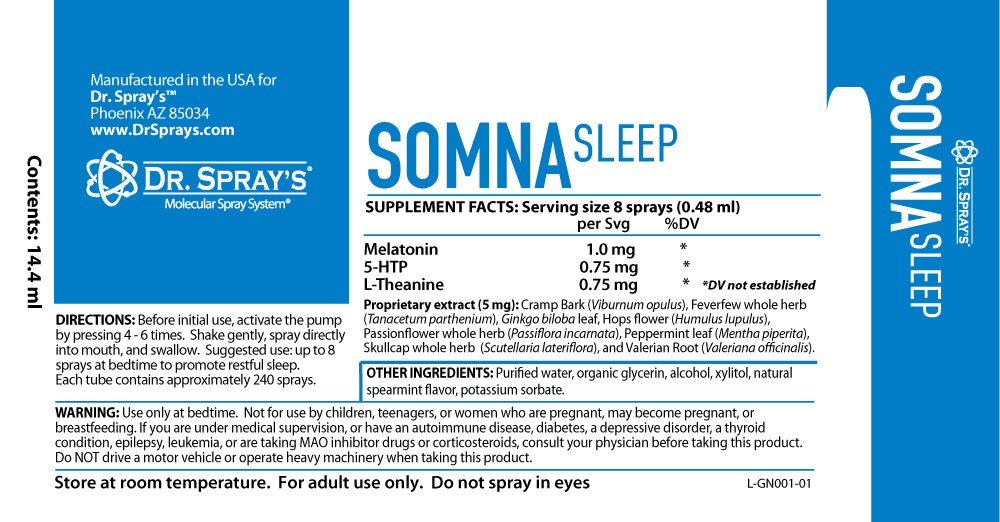
Getting a three-year-old to sleep through the night can feel like an impossible task for many parents. Between bedtime battles, middle-of-the-night wake-ups, and early morning adventures, sleep deprivation becomes a family affair. Understanding the science behind toddler sleep patterns and implementing evidence-based strategies can transform your evenings from stressful to peaceful.
This comprehensive guide explores proven methods to help your three-year-old develop healthy sleep habits, including the role that nutrition and targeted supplementation play in supporting natural sleep cycles.
Understanding Sleep Needs for Three-Year-Olds
According to the American Academy of Pediatrics, three-year-olds need between 10 and 13 hours of total sleep per day, including naps. At this age, most children still benefit from a single afternoon nap of one to two hours, though some may be transitioning away from napping entirely.
Sleep architecture in toddlers differs significantly from adults. Three-year-olds cycle through sleep stages more quickly and spend more time in REM sleep, which is crucial for brain development and memory consolidation. Understanding these biological needs helps parents set realistic expectations and create appropriate sleep schedules.
Signs Your Three-Year-Old Isn't Getting Enough Sleep
- Increased hyperactivity or difficulty focusing during the day
- Frequent meltdowns or emotional outbursts, especially in late afternoon
- Falling asleep during car rides or at unusual times
- Difficulty waking up in the morning
- Increased clumsiness or accidents
- Resistance to bedtime routines
Creating the Ideal Sleep Environment
Environmental factors play a crucial role in sleep quality. Your child's bedroom should be a sanctuary specifically designed to promote restful sleep.
Temperature and Lighting
Maintain room temperature between 68-72°F for optimal sleep conditions. Install blackout curtains or shades to block external light sources, as darkness triggers melatonin production. Consider a dim red or amber nightlight if your child fears complete darkness, as these wavelengths don't suppress melatonin like blue light does.
Sound Management
White noise machines can mask household sounds and create consistent auditory conditions throughout the night. Choose a device that produces true white noise rather than nature sounds, which may contain irregular patterns that disrupt sleep cycles.
Comfortable Bedding
Invest in breathable, natural fiber bedding appropriate for the season. Your three-year-old should sleep in fitted pajamas rather than loose blankets when possible, ensuring both safety and comfort throughout the night.
Establishing a Consistent Bedtime Routine
Predictability is essential for three-year-old sleep success. A consistent bedtime routine signals to your child's body that sleep is approaching, triggering natural melatonin production and preparing the nervous system for rest.
The 30-Minute Wind-Down Window
Begin your routine 30 minutes before desired sleep time. This window allows sufficient time for calming activities without rushing, which can create stress and defeat the purpose of the routine.
- Bath time: A warm bath raises body temperature; the subsequent cooling mimics the natural temperature drop that occurs before sleep
- Pajamas and teeth brushing: Complete hygiene tasks in the same order each night
- Quiet activity: Read books, do gentle stretching, or practice deep breathing together
- Connection time: Share gratitudes from the day or sing a lullaby
- Lights out: Say goodnight and leave the room while your child is drowsy but still awake
Common Routine Mistakes to Avoid
Many well-intentioned parents sabotage sleep success by incorporating stimulating activities too close to bedtime. Avoid screen time for at least one hour before bed, as the blue light from devices suppresses melatonin production. Skip rough play or tickling games during the wind-down period, and resist the urge to discuss potentially stressful topics like upcoming changes or discipline issues.
Nutrition's Critical Role in Sleep Quality
What your three-year-old eats—and when—significantly impacts sleep quality. The connection between nutrition and rest becomes particularly important during periods of rapid growth and development.
Evening Meal Timing and Composition
Serve dinner at least two hours before bedtime to allow adequate digestion. Meals too close to sleep can cause discomfort and reflux. Include complex carbohydrates like whole grains and sweet potatoes, which support serotonin production. Add lean proteins and healthy fats to stabilize blood sugar throughout the night.
The Bedtime Snack Strategy
If your child needs a bedtime snack, offer it 30-45 minutes before starting the bedtime routine. Ideal options include banana slices with almond butter, whole grain crackers with cheese, or yogurt with berries. These combinations provide sustained energy without causing blood sugar spikes that can lead to middle-of-the-night wakefulness.
Essential Nutrients for Healthy Sleep
Several key nutrients play vital roles in sleep regulation for three-year-olds:
Vitamin D3 influences circadian rhythm regulation and melatonin production. Research indicates that vitamin D deficiency correlates with sleep problems in children. Many toddlers, especially those in northern climates or with limited sun exposure, don't obtain adequate vitamin D3 from diet and sunshine alone.
B Vitamins support neurotransmitter production and help regulate the sleep-wake cycle. Vitamin B12 specifically plays a role in melatonin secretion timing. Deficiencies in B vitamins can manifest as sleep disturbances and increased nighttime restlessness.
Magnesium acts as a natural relaxant for the nervous system, supporting the transition from wakefulness to sleep. This mineral helps regulate GABA receptors, which promote calmness and reduce anxiety.
When to Consider Vitamin Supplementation
Even with a balanced diet, some three-year-olds struggle to obtain optimal levels of sleep-supporting nutrients. Picky eating, food sensitivities, or absorption issues can create nutritional gaps that impact sleep quality.
Traditional vitamin pills and gummies present challenges for young children. Pills pose choking risks, and many toddlers refuse to swallow them. Gummies often contain added sugars, artificial colors, and binders that reduce nutrient bioavailability. Additionally, nutrients must survive the digestive process before absorption, which can significantly reduce effectiveness.
The Oral Spray Advantage
Oral spray vitamins offer a solution specifically suited for toddlers and young children. Spray supplements deliver nutrients through the buccal mucosa (inner cheek and under the tongue), allowing direct absorption into the bloodstream. This bypass of the digestive system means faster uptake and higher bioavailability—up to 90% absorption compared to 10-20% for traditional pills.
For parents in Phoenix, Arizona, and surrounding areas, DrSprays manufactures doctor-developed vitamin sprays in an FDA-registered, GMP-certified facility right in Phoenix. Each formula undergoes rigorous testing to ensure purity and potency.
Supporting Sleep with Targeted Spray Vitamins
A vitamin D3 spray can help optimize circadian rhythm function when administered in the morning. The convenient spray format makes daily supplementation simple, even for resistant toddlers who refuse pills or gummies.
For children with multiple nutritional gaps, a comprehensive multivitamin spray provides foundational support including B vitamins, vitamin D, and other essential nutrients that contribute to healthy sleep patterns.
If your child's healthcare provider identifies a vitamin B12 deficiency, a targeted B12 spray offers therapeutic dosing with superior absorption compared to oral tablets. B12 supports the nervous system and helps regulate melatonin secretion timing.
Addressing Common Three-Year-Old Sleep Challenges
The Bedtime Stalling Expert
Three-year-olds are masters at delaying sleep with "one more" requests—one more story, one more drink, one more trip to the bathroom. Set clear expectations during the bedtime routine: "We'll read two books, then lights out." Offer choices within boundaries: "Would you like to read the dinosaur book or the farm book first?"
Create a "bedtime pass" system where your child receives one pass per night to use for a single extra request. Once used, no additional requests are honored. This strategy gives your toddler a sense of control while establishing firm boundaries.
Middle-of-the-Night Wake-Ups
Night wakings are developmentally normal, but how you respond determines whether they become habitual. When your three-year-old wakes, keep interactions brief and boring. Use minimal lighting, avoid extended conversations, and guide your child back to bed with as little engagement as possible.
Check for physical causes of night waking including room temperature, wet diapers or pull-ups, hunger, or illness. Rule out sleep-disordered breathing like snoring or sleep apnea, which require medical evaluation.
Early Morning Rising
If your three-year-old consistently wakes before 6:00 AM, first ensure the sleep environment remains dark. Even small amounts of early morning light can trigger wakefulness. Install blackout curtains and cover any light-emitting devices.
Consider whether bedtime is too early. While it seems counterintuitive, an overtired child may wake earlier. Experiment with shifting bedtime 15-30 minutes later if your child falls asleep instantly and wakes very early.
Use a toddler alarm clock or "okay to wake" light that indicates when it's acceptable to get up. Even if your child wakes earlier, teach them to stay quietly in bed until the designated wake time.
Naptime Transitions
Around age three, some children begin outgrowing their afternoon nap. This transition period creates unique challenges. Signs your child may be ready to drop the nap include taking more than 30 minutes to fall asleep at naptime, fighting bedtime, or seeming well-rested without napping.
Rather than eliminating naptime abruptly, implement "quiet time" where your child rests in bed with books or quiet toys. This maintains the midday rest period even if sleep doesn't occur. On days without actual napping, move bedtime earlier by 30-60 minutes to compensate.
The Impact of Daytime Activities on Nighttime Sleep
Physical Activity Requirements
Three-year-olds need substantial physical activity—at least three hours of varied movement throughout the day. Active play helps consolidate sleep and reduces nighttime restlessness. Schedule vigorous activity for morning or early afternoon rather than evening, as exercise too close to bedtime can be stimulating.
Screen Time Guidelines
The American Academy of Pediatrics recommends limiting screen time to one hour per day for children ages 2-5. Beyond the time limit, timing matters significantly. Avoid screens for at least one hour before bedtime, as the blue light from devices suppresses melatonin production and delays sleep onset.
Outdoor Time and Natural Light Exposure
Morning sunlight exposure helps set your child's circadian rhythm. Aim for at least 30 minutes of outdoor time in natural light during morning hours. This exposure strengthens the body's natural sleep-wake cycle and supports vitamin D3 production, which influences sleep quality.
When to Seek Professional Help
While most three-year-old sleep challenges resolve with consistent routines and environmental adjustments, certain situations warrant professional evaluation:
- Loud snoring, gasping, or breathing pauses during sleep
- Chronic difficulty falling asleep despite optimal conditions and routines
- Excessive daytime sleepiness or falling asleep at unusual times
- Night terrors occurring multiple times per week
- Behavioral concerns during the day related to sleep deprivation
- Regression in previously established sleep habits lasting more than two weeks
Consult your pediatrician to rule out underlying medical conditions, sleep disorders, or nutritional deficiencies affecting sleep quality. A healthcare provider can assess whether targeted supplementation might benefit your child's specific situation.
Supporting Your Three-Year-Old's Sleep Long-Term
Healthy sleep habits established at age three create foundations for lifelong wellness. Consistency remains the most powerful tool in your parenting arsenal. While occasional disruptions from travel, illness, or life changes are inevitable, returning to established routines as quickly as possible prevents temporary setbacks from becoming permanent problems.
Remember that sleep needs and patterns evolve as your child grows. What works perfectly at three years and two months may need adjustment by three years and ten months. Stay attuned to your child's changing needs while maintaining core principles of consistency, appropriate sleep environment, and healthy nutrition.
Building a Supportive Sleep Foundation
Consider the complete picture of your three-year-old's health. Adequate nutrition, including essential vitamins and minerals, supports not just sleep but overall development. Spray supplements offer a practical solution for ensuring your toddler receives key nutrients even during picky eating phases.
The comprehensive approach combines environmental optimization, consistent routines, appropriate nutrition, and when needed, targeted supplementation. This multi-faceted strategy addresses sleep from all angles, giving your three-year-old the best opportunity for restorative rest.
Frequently Asked Questions About Three-Year-Old Sleep
How many hours should a 3-year-old sleep at night?
Most three-year-olds need 10-12 hours of nighttime sleep, plus a 1-2 hour afternoon nap, for a total of 11-14 hours per 24-hour period. Individual needs vary, but consistent wake times and bedtimes help establish healthy patterns. If your child shows signs of sleep deprivation despite spending adequate time in bed, evaluate sleep quality factors including nutrition, environment, and potential sleep disorders.
What time should a 3-year-old go to bed?
Ideal bedtime depends on your family's wake time and whether your child still naps. Most three-year-olds do well with a bedtime between 7:00-8:30 PM. Calculate backward from your desired wake time to ensure 10-12 hours of sleep opportunity. Children who no longer nap may need earlier bedtimes, around 6:30-7:30 PM, to prevent overtiredness.
Why does my 3-year-old fight bedtime every night?
Bedtime resistance typically stems from separation anxiety, fear of missing out, desire for control, or overtiredness. Three-year-olds are developing independence and often test boundaries. Establish a consistent routine, offer choices within boundaries, ensure adequate daytime connection, and verify that bedtime isn't too early or too late for your child's individual needs.
Can vitamin deficiencies cause sleep problems in toddlers?
Yes, deficiencies in key nutrients including vitamin D3, B vitamins (especially B12), magnesium, and iron can disrupt sleep patterns in young children. Vitamin D influences circadian rhythm regulation, while B vitamins support neurotransmitter production related to sleep-wake cycles. If you suspect nutritional gaps, consult your pediatrician about testing and appropriate supplementation. Oral spray vitamins offer high absorption rates ideal for addressing deficiencies in young children.
Is it normal for a 3-year-old to wake up during the night?
Brief awakenings between sleep cycles are normal at any age. Most children quickly return to sleep without fully waking. However, if your three-year-old fully wakes and requires parental intervention multiple times per night, evaluate potential causes including sleep environment issues, overtiredness, undertiredness, hunger, or learned sleep associations that prevent independent return to sleep.
Should my 3-year-old still be taking naps?
Most three-year-olds benefit from a single afternoon nap of 1-2 hours. However, some children begin transitioning away from napping between ages 3-5. Signs your child may be ready to drop the nap include taking more than 30 minutes to fall asleep at naptime, resisting bedtime, or seeming well-rested without napping. During this transition, implement quiet rest time even if actual sleep doesn't occur.
What foods help toddlers sleep better?
Foods containing tryptophan, complex carbohydrates, magnesium, and B vitamins support healthy sleep. Good evening options include whole grain toast with nut butter, oatmeal with banana, turkey or chicken with sweet potato, yogurt with berries, and cheese with whole grain crackers. Avoid sugary foods, caffeine, and large meals within two hours of bedtime. Ensure adequate intake of sleep-supporting nutrients throughout the day, and consider a multivitamin spray if your toddler is a selective eater.
How do I know if my child has a sleep disorder versus normal toddler sleep issues?
Warning signs of potential sleep disorders include loud snoring, breathing pauses during sleep, gasping or choking sounds, sleeping in unusual positions (head extended back), excessive daytime sleepiness despite adequate sleep opportunity, or falling asleep at inappropriate times. Normal toddler sleep challenges typically involve behavioral resistance but normal breathing and appropriate daytime alertness. Consult your pediatrician if you notice concerning symptoms.
Are vitamin sprays safe for three-year-olds?
High-quality oral spray vitamins manufactured in FDA-registered, GMP-certified facilities are safe for toddlers when used as directed. DrSprays formulas are doctor-developed specifically for optimal absorption and safety. Spray delivery eliminates choking risks associated with pills and avoids the added sugars and artificial ingredients common in gummy vitamins. Always consult your child's healthcare provider before starting any supplement regimen to ensure appropriate dosing for your child's individual needs.
How long does it take to establish new sleep habits with a three-year-old?
With consistency, most families see improvement within 3-7 days of implementing new sleep routines. Complete habit formation typically takes 2-4 weeks. Expect some regression during the adjustment period, especially around days 3-5 when your child tests the new boundaries. Remain consistent with your approach, and avoid reverting to old habits during challenging moments. The initial investment in consistency pays dividends with long-term sleep success.
About the Author
This article was developed by the content team at DrSprays, in consultation with pediatric sleep specialists and nutritional experts. DrSprays manufactures doctor-developed vitamin sprays in an FDA-registered, GMP-certified facility in Phoenix, Arizona, with a focus on supporting family health through superior nutrient absorption.
Take the First Step Toward Better Sleep Tonight
Helping your three-year-old develop healthy sleep habits transforms your entire family's quality of life. Start by implementing one or two strategies from this guide tonight—perhaps optimizing the sleep environment or refining your bedtime routine.
If nutritional gaps may be contributing to your child's sleep challenges, consider the absorption advantage of vitamin spray supplements. With up to 90% absorption, these convenient sprays ensure your toddler receives the full benefit of sleep-supporting nutrients like vitamin D3 and B12.
Explore the complete line of DrSprays vitamin supplements, manufactured right here in Phoenix, Arizona, and discover how superior nutrient delivery can support your child's health and sleep quality. Every spray is doctor-developed, rigorously tested, and designed with your family's wellness in mind.
Ready to transform your three-year-old's sleep? Visit DrSprays.com to learn more about our targeted vitamin sprays and find the right nutritional support for your child's individual needs. Because every child deserves the restorative sleep that powers healthy growth, joyful days, and family harmony.