Getting a two-year-old to sleep can feel like an impossible task for many parents. Between developmental leaps, separation anxiety, and seemingly endless energy reserves, bedtime battles are a common challenge in households across Phoenix, Arizona, and beyond. Understanding the underlying factors that affect toddler sleep—and implementing evidence-based strategies—can transform those difficult evenings into peaceful transitions.
This comprehensive guide explores proven techniques for helping your two-year-old settle down at bedtime, including the role that proper nutrition and supplementation can play in supporting healthy sleep patterns.
Understanding Why Two-Year-Olds Resist Sleep
Before addressing solutions, it's important to understand why toddlers frequently resist bedtime. At age two, children are experiencing significant developmental changes that directly impact their sleep patterns and behaviors.
Developmental Factors at Play
Two-year-olds are in a critical stage of cognitive and emotional development. They're developing independence, testing boundaries, and learning to express their preferences—often loudly. This newfound autonomy frequently manifests as bedtime resistance, as toddlers assert control over one of the few areas where they have decision-making power.
Additionally, the "terrible twos" bring increased separation anxiety. Your child may genuinely fear being away from you, making the transition to sleep more emotionally charged than it was just months earlier.
Physical and Environmental Factors
Overtiredness is paradoxically one of the most common causes of sleep difficulty in toddlers. When children become overly fatigued, their bodies produce cortisol, a stress hormone that makes it harder to settle down. This creates a frustrating cycle where an exhausted child becomes too stimulated to sleep.
Environmental factors also play a crucial role. Screen time before bed, inconsistent routines, uncomfortable room temperatures, and nutritional deficiencies can all contribute to sleep challenges.
Establishing an Effective Bedtime Routine
A consistent, calming bedtime routine is the foundation of good sleep habits for toddlers. Research consistently shows that children with predictable bedtime routines fall asleep faster and wake less frequently during the night.
The Ideal Bedtime Timeline
An effective bedtime routine for a two-year-old should begin approximately 30-45 minutes before the desired sleep time. This window allows for a gradual transition from active play to restful sleep without rushing through important steps.
Start with a clear transition activity that signals bedtime is approaching. This might include dimming the lights throughout the house, turning off electronic devices, or announcing "bedtime starts in five minutes." This preparation helps your toddler mentally shift gears.
Components of a Calming Routine
A well-structured bedtime routine might include the following elements in sequence:
- Bath time: A warm bath naturally lowers body temperature afterward, which signals sleep readiness to the body
- Pajamas and diaper change: Keep this calm and quiet, using soft voices
- Brushing teeth: Establish this healthy habit early
- Quiet story time: Choose 2-3 books and stick to that limit to avoid endless negotiations
- Lullabies or gentle music: Familiar songs provide comfort and signal sleep time
- Final goodnight ritual: Kisses, a special phrase, or tucking in favorite stuffed animals
The key is consistency. Performing the same activities in the same order every night creates powerful associations between these actions and sleep.
Creating an Optimal Sleep Environment
The physical sleep environment significantly impacts your toddler's ability to fall and stay asleep. Making simple adjustments to your child's bedroom can yield dramatic improvements.
Room Temperature and Lighting
The ideal temperature for sleep is between 68-72°F. In Phoenix, Arizona, where summer temperatures can be extreme, ensuring your child's room stays cool and comfortable is particularly important. Consider using blackout curtains to block early morning sunlight and create a cave-like environment that promotes melatonin production.
Use a dim nightlight if your child fears complete darkness, but avoid lights that are too bright or have blue wavelengths, which can suppress natural melatonin production.
Sound and Comfort
White noise machines can be remarkably effective for toddlers, masking household sounds that might wake them and creating consistent auditory cues for sleep. Choose comfortable, breathable bedding appropriate for the season.
Ensure your toddler has a favorite comfort object—whether a blanket, stuffed animal, or other attachment item—that provides security when you're not in the room.
The Role of Nutrition in Toddler Sleep
What your child eats and drinks throughout the day—and particularly in the evening hours—has a substantial impact on sleep quality. Proper nutrition supports the body's natural sleep-wake cycle and helps regulate mood and energy levels.
Evening Meal Timing and Content
Avoid large meals within two hours of bedtime, as digestion can interfere with sleep onset. However, a light snack before bed can prevent hunger from disrupting sleep. Good bedtime snack options include banana slices, whole grain crackers with cheese, or a small cup of milk.
Limit sugar intake in the evening hours, as it can cause energy spikes that make settling down difficult. Similarly, avoid any beverages containing caffeine, which can linger in a child's system for hours.
Key Nutrients That Support Sleep
Several vitamins and minerals play crucial roles in regulating sleep patterns and supporting healthy nervous system function:
Vitamin D3: Often called the "sunshine vitamin," vitamin D plays a role in sleep regulation. Deficiency has been linked to sleep difficulties in children. While our bodies can produce vitamin D from sun exposure, many children—especially during Arizona's intense summer months when outdoor time may be limited to early mornings and evenings—don't get adequate amounts. A vitamin D3 spray can provide convenient supplementation that's easily absorbed.
B Vitamins: B vitamins, particularly B6 and B12, support neurotransmitter production and help regulate the body's internal clock. A vitamin B12 spray offers an easy way to ensure adequate intake, especially for toddlers who may be picky eaters.
Magnesium: This mineral has natural calming properties and supports muscle relaxation. Good dietary sources include leafy greens, nuts, and whole grains.
The Advantages of Spray Supplements for Toddlers
Traditional vitamins can be challenging for toddlers. Pills are difficult to swallow, and many liquid supplements have unpleasant tastes or textures that lead to resistance. Oral spray vitamins offer a practical alternative that addresses these common challenges.
Spray supplements deliver nutrients directly into the bloodstream through the mucous membranes in the mouth, bypassing the digestive system for absorption rates up to 90%—significantly higher than traditional pills. This method is particularly beneficial for toddlers, as the spray format is easy to administer, doesn't require swallowing pills, and can be flavored to taste pleasant.
For parents in Phoenix, Arizona, seeking high-quality vitamin spray options, doctor-developed formulations manufactured in FDA-registered, GMP-certified facilities provide peace of mind regarding safety and efficacy.
Addressing Common Sleep Challenges
Even with consistent routines and optimal environments, specific sleep issues may arise. Understanding how to handle these situations helps prevent temporary setbacks from becoming long-term patterns.
Night Wakings and Sleep Associations
If your two-year-old wakes frequently during the night, consider what sleep associations they've developed. If your child requires your presence, rocking, or feeding to fall asleep initially, they'll likely need the same conditions to return to sleep after normal night wakings.
Gradually shift these associations toward more independent sleep skills. You might start by sitting in a chair next to the bed rather than lying with your child, then progressively moving the chair farther away over several nights until you're out of the room.
Early Morning Wakings
Two-year-olds who consistently wake before 6 AM may be getting too much daytime sleep or going to bed too early. Evaluate your child's total sleep needs—most two-year-olds need 11-14 hours of sleep per 24-hour period, including naps.
Use blackout curtains to prevent early morning light from triggering wakefulness, and consider using a toddler clock that changes color when it's an appropriate time to get up, teaching your child to stay quietly in bed until then.
Transitioning from Crib to Bed
If bedtime struggles coincide with a recent transition to a toddler bed, your child may be struggling with the newfound freedom. Make the room as safe as possible, use a baby gate at the doorway if needed, and calmly return your child to bed without engaging in conversation or play when they get up.
The Importance of Daytime Sleep
Daytime sleep patterns directly affect nighttime sleep quality. Understanding and optimizing your toddler's nap schedule is essential for good overall sleep.
Nap Timing and Duration
Most two-year-olds still need one afternoon nap lasting 1-3 hours. This nap should typically occur after lunch but early enough that your child wakes by 3 or 4 PM. Naps too late in the day can push bedtime later or make falling asleep more difficult.
Watch for signs your child is ready to drop the nap entirely—typically around age three, though some children maintain naps longer. Signs include consistently refusing naps, taking very long to fall asleep at nap time, or naps causing nighttime sleep problems.
Balancing Activity and Rest
Ensure your toddler gets plenty of physical activity during the day. Active play, outdoor time, and opportunities to burn energy help build the natural tiredness that facilitates good sleep. However, avoid vigorous activity in the hour before bedtime, as this can be overstimulating.
When to Seek Professional Guidance
While many sleep challenges are normal developmental phases, certain situations warrant consultation with a pediatrician or sleep specialist.
Red Flags to Watch For
Consider seeking professional advice if your child:
- Snores loudly or has pauses in breathing during sleep
- Seems excessively tired during the day despite adequate sleep time
- Has extreme difficulty falling asleep (more than an hour) despite consistent routines
- Experiences frequent night terrors or other sleep disturbances
- Shows signs of sleep-related breathing disorders
Additionally, if you've consistently implemented recommended strategies for several weeks without improvement, professional guidance can help identify underlying issues or provide personalized solutions.
Supporting Sleep Through Holistic Wellness
Quality sleep doesn't exist in isolation—it's part of your child's overall health and wellness. Taking a holistic approach that addresses multiple aspects of wellbeing yields the best results.
Stress and Emotional Wellbeing
Toddlers are sensitive to household stress and changes in routine. Major life transitions like a new sibling, moving homes, or starting daycare can all impact sleep. During these times, offer extra reassurance, maintain consistency where possible, and be patient as your child adjusts.
Teach simple calming techniques even young toddlers can use, such as deep breathing ("smell the flower, blow out the candle") or progressive muscle relaxation adapted for their developmental level.
Comprehensive Nutritional Support
Beyond specific sleep-supporting nutrients, overall nutritional adequacy is essential. Picky eating—common at age two—can lead to deficiencies that affect energy, mood, and sleep. A high-quality multi-vitamin spray can help fill nutritional gaps while you continue working on expanding your toddler's food preferences.
Ensure adequate hydration throughout the day while limiting fluids in the hour before bed to reduce nighttime bathroom needs as your child begins potty training.
Consistency Is Key
Perhaps the most important principle in helping your two-year-old sleep well is consistency. Toddlers thrive on predictability, and sleep patterns are no exception.
Once you've established a routine and approach, commit to it for at least two weeks before making changes. Sleep training and habit formation take time, and inconsistency often prolongs struggles. This can be challenging when you're exhausted, but staying the course yields results.
Coordinate approaches with all caregivers—partners, grandparents, babysitters—to ensure everyone follows the same bedtime routine and responds to night wakings similarly. Mixed messages confuse toddlers and undermine your efforts.
Frequently Asked Questions
What time should a 2-year-old go to bed?
Most two-year-olds do best with a bedtime between 7:00 and 8:00 PM. The ideal timing depends on when your child wakes in the morning and whether they still nap. A child who wakes at 6:30 AM and takes a two-hour afternoon nap might be ready for bed by 7:00 PM, while a child who wakes at 7:30 AM and takes a shorter nap may not be ready until 8:00 PM. Watch for sleep cues like eye rubbing, decreased activity, or fussiness to identify the optimal window.
How long should it take a 2-year-old to fall asleep?
With a consistent routine and appropriate sleep environment, most two-year-olds should fall asleep within 15-30 minutes of being put to bed. If your child regularly takes longer than 45 minutes to fall asleep, they may not be tired enough at bedtime—consider adjusting nap times or bedtime. Conversely, if they fall asleep almost instantly, they may be overtired, and an earlier bedtime might help.
Is it normal for a 2-year-old to fight bedtime?
Yes, some bedtime resistance is completely normal at age two as children test boundaries and assert independence. However, extreme or prolonged battles every night suggest that adjustments to routine, timing, or approach may be needed. Offering limited choices ("Do you want to wear the blue pajamas or the green ones?") can give your toddler a sense of control while you maintain the overall bedtime structure.
Can vitamin deficiencies affect my toddler's sleep?
Yes, deficiencies in certain vitamins and minerals can impact sleep quality. Vitamin D deficiency has been linked to sleep problems in children, while B vitamins support nervous system function and help regulate circadian rhythms. Iron deficiency can cause restless leg syndrome and disrupted sleep. If you suspect nutritional deficiencies may be affecting your child's sleep, consult your pediatrician. Spray supplements offer an easy-to-administer option for addressing potential gaps in nutrition.
Should I let my 2-year-old cry it out at bedtime?
This is a personal decision that depends on your parenting philosophy and your child's temperament. Some parents find that allowing brief periods of protest while checking in at intervals helps their child learn to self-soothe. Others prefer gentler approaches that involve gradually reducing parental presence. There's no single right answer, but whatever approach you choose should be implemented consistently and with consideration for your child's individual needs. If crying seems excessive or your child appears genuinely distressed rather than simply protesting, a more gradual approach may be appropriate.
How do I handle bedtime when my 2-year-old is transitioning away from naps?
The nap transition can be challenging and often happens gradually. During this phase, you may need to implement "quiet time" on days when your child doesn't nap—an hour of calm, independent play in their room. On no-nap days, move bedtime significantly earlier (even by as much as an hour) to prevent overtiredness. Be flexible and expect some inconsistency for several weeks or months as your child adjusts. Some days they'll nap, others they won't, and that's normal during this transition period.
Are spray vitamins safe for toddlers?
When manufactured in FDA-registered, GMP-certified facilities and used as directed, oral spray vitamins are safe for toddlers. The spray delivery method actually offers advantages for young children, including easier administration, no choking hazard from pills, and higher absorption rates. However, always consult with your pediatrician before starting any new supplement regimen to ensure it's appropriate for your child's specific needs and doesn't interact with any medications they may be taking.
Conclusion: Building Healthy Sleep Habits for Life
Helping your two-year-old develop healthy sleep habits requires patience, consistency, and a multi-faceted approach that addresses environment, routine, nutrition, and emotional needs. While bedtime battles are frustrating in the moment, remember that this phase is temporary and the habits you're establishing now lay the foundation for years of healthy sleep ahead.
Focus on the basics: maintain consistent routines, create an optimal sleep environment, ensure your child gets appropriate nutrition including sleep-supporting vitamins, and respond to challenges with patience and creativity. Some nights will be more successful than others, and that's completely normal.
By implementing the strategies outlined in this guide, you're not just solving immediate bedtime struggles—you're teaching your child valuable self-soothing skills and establishing sleep hygiene practices that will serve them throughout childhood and beyond.
Support Your Toddler's Sleep with Proper Nutrition
Quality sleep starts with comprehensive wellness support. DrSprays offers doctor-developed oral spray vitamins that make it easy to ensure your toddler gets the nutrients they need for healthy sleep patterns and overall development. Our spray supplements feature 90% absorption rates and are manufactured in our FDA-registered, GMP-certified facility right here in Phoenix, Arizona.
Explore our range of products designed to support your family's health:
- Vitamin D3 Spray – Supports sleep regulation and immune health
- Vitamin B12 Spray – Helps maintain healthy nervous system function
- Multi-Vitamin Spray – Comprehensive nutritional support for growing toddlers
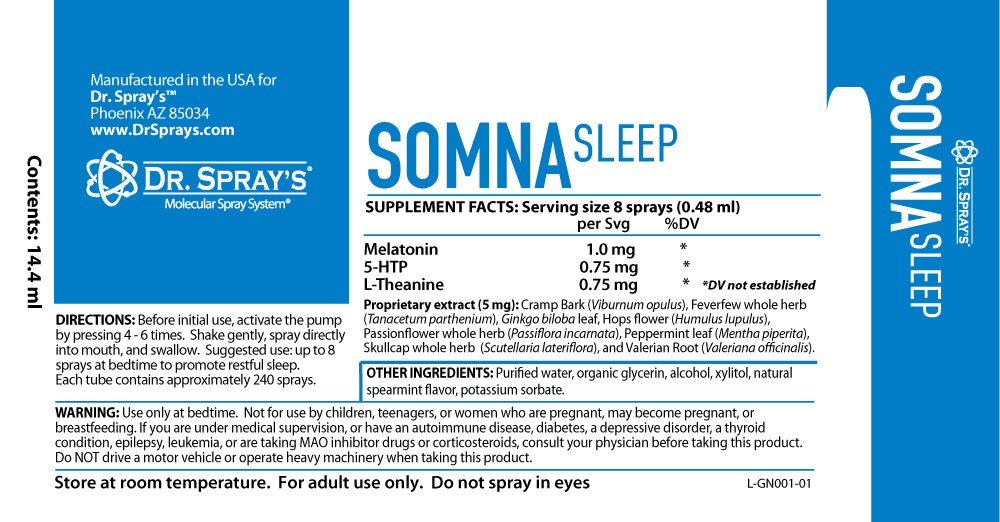
- Sleep/Somna Spray – Natural sleep support for the whole family
Ready to transform bedtime for your family? Shop our complete collection and discover why parents across the country trust DrSprays for their family's nutritional needs.