Getting a 4-year-old to sleep can feel like an impossible task for many parents. Between bedtime resistance, nighttime wakings, and early morning wake-ups, sleep challenges at this age are common but manageable. Understanding the underlying causes and implementing consistent strategies can transform your family's nights from stressful to peaceful.
This comprehensive guide explores proven techniques to help your 4-year-old develop healthy sleep habits, including the role of nutrition, routine, environment, and when to consider additional support like vitamin spray supplements formulated specifically for sleep support.
Understanding Sleep Needs for 4-Year-Olds
Four-year-olds require between 10-13 hours of total sleep in a 24-hour period, according to pediatric sleep guidelines. Most children this age need 10-12 hours of nighttime sleep, with some still benefiting from a short daytime nap or quiet rest period.
Sleep at this developmental stage serves critical functions:
- Brain development: Deep sleep supports memory consolidation and learning retention
- Physical growth: Growth hormone releases primarily during sleep cycles
- Immune function: Quality sleep strengthens the body's defense systems
- Emotional regulation: Adequate rest improves mood stability and behavioral control
- Cognitive performance: Well-rested children show better attention, problem-solving, and creativity
When 4-year-olds don't get sufficient sleep, parents often notice increased tantrums, difficulty focusing, hyperactivity, and resistance to daily routines. Recognizing your child's individual sleep needs is the first step toward establishing better sleep patterns.
Common Sleep Challenges at Age 4
Before implementing solutions, it's helpful to identify which specific sleep issues you're facing. Four-year-olds commonly experience:
Bedtime Resistance
Many 4-year-olds suddenly develop strong opinions about bedtime. They may negotiate, make endless requests, or simply refuse to stay in bed. This resistance often stems from developmental changes—at this age, children are asserting independence and testing boundaries.
Nighttime Fears
Imaginations flourish at age 4, which unfortunately includes fears of monsters, darkness, or being alone. These anxieties are developmentally normal but can significantly disrupt sleep when not addressed properly.
Night Wakings
Some 4-year-olds who previously slept through the night begin waking during sleep cycles. These wakings may relate to developmental leaps, environmental factors, or insufficient daytime nutrition affecting nighttime comfort.
Difficulty Falling Asleep
Even cooperative 4-year-olds may lie awake for extended periods. This challenge can relate to circadian rhythm issues, overstimulation before bed, or nutritional deficiencies affecting sleep-regulating neurotransmitters.
Establishing an Effective Bedtime Routine
Consistency forms the foundation of healthy sleep habits. A predictable bedtime routine signals to your child's brain that sleep time is approaching, triggering natural melatonin production.
Creating Your Evening Sequence
An effective routine for 4-year-olds typically lasts 30-45 minutes and follows a predictable sequence:
- Transition time (5-10 minutes): Give a warning that bedtime routine will begin soon, allowing your child to finish their current activity
- Bath or wash-up (10-15 minutes): Warm water relaxes muscles and marks the transition from daytime to nighttime
- Pajamas and teeth brushing (5 minutes): Include your child in selecting comfortable sleepwear
- Quiet activity (10-15 minutes): Reading books, gentle stretching, or quiet conversation
- Final tucking-in (5 minutes): Brief connection time with hugs, a simple routine phrase, and lights out
The key is performing these activities in the same order at approximately the same time each night, even on weekends. This consistency helps regulate your child's internal clock.
Setting an Appropriate Bedtime
Most 4-year-olds function best with a bedtime between 7:00-8:30 PM, depending on their wake time and nap schedule. To determine your child's ideal bedtime, work backward from their natural wake time, ensuring 10-12 hours of sleep opportunity.
Watch for natural sleep cues about 30-60 minutes before your target bedtime—eye rubbing, yawning, decreased activity, or crankiness indicate optimal sleep readiness.
Optimizing the Sleep Environment
Your child's bedroom should function as a sleep sanctuary. Several environmental factors significantly impact sleep quality:
Temperature and Air Quality
The ideal bedroom temperature for sleep ranges between 65-70°F (18-21°C). Cooler temperatures support the body's natural temperature drop that facilitates sleep onset. Ensure adequate ventilation without creating uncomfortable drafts.
Light Management
Darkness triggers melatonin production, the hormone that regulates sleep-wake cycles. Use blackout curtains or shades to eliminate external light sources. If your child fears complete darkness, use a dim, warm-toned nightlight placed low to the ground and away from the bed—avoid blue-spectrum lights that suppress melatonin.
Noise Control
Some 4-year-olds sleep better with white noise machines that mask household sounds and create consistent audio environments. Others prefer quiet. Experiment to discover your child's preference, maintaining whatever works consistently.
Bedroom Purpose
Reserve the bedroom primarily for sleep. Remove stimulating toys, electronics, and screens from the sleep space. When children associate their bedroom with calm and rest rather than play, falling asleep becomes easier.
The Role of Nutrition in Sleep Quality
What your 4-year-old eats—and when they eat it—significantly impacts sleep quality. Nutritional deficiencies can directly interfere with the body's ability to produce sleep-regulating hormones and neurotransmitters.
Key Nutrients for Sleep Support
Several vitamins and minerals play crucial roles in sleep regulation:
Vitamin D: Often called the "sunshine vitamin," vitamin D influences sleep duration and quality. Many children, particularly those in regions with limited sun exposure, show deficiencies. Research indicates that vitamin D helps regulate circadian rhythms and supports melatonin production. A vitamin D3 spray offers an effective absorption method for children who struggle with pills or gummy vitamins.
B Vitamins: The B vitamin complex, particularly B6 and B12, supports the production of serotonin and melatonin—neurotransmitters essential for sleep regulation. Vitamin B12 spray formulations provide highly bioavailable supplementation, with absorption rates significantly higher than traditional tablet forms.
Magnesium: This mineral promotes muscle relaxation and supports GABA production, a neurotransmitter that calms the nervous system. Magnesium-rich foods include leafy greens, nuts, seeds, and whole grains.
Calcium: Works synergistically with magnesium to promote relaxation and supports the brain's use of tryptophan to manufacture melatonin.
Evening Nutrition Strategies
Timing and composition of evening meals affect sleep quality:
- Serve dinner 2-3 hours before bedtime to allow digestion
- Include complex carbohydrates that support serotonin production
- Avoid heavy, spicy, or sugary foods close to bedtime
- Limit fluids in the hour before sleep to reduce nighttime bathroom trips
- Offer a light, protein-containing snack if your child seems hungry before bed
Spray Vitamin Supplements for Sleep Support
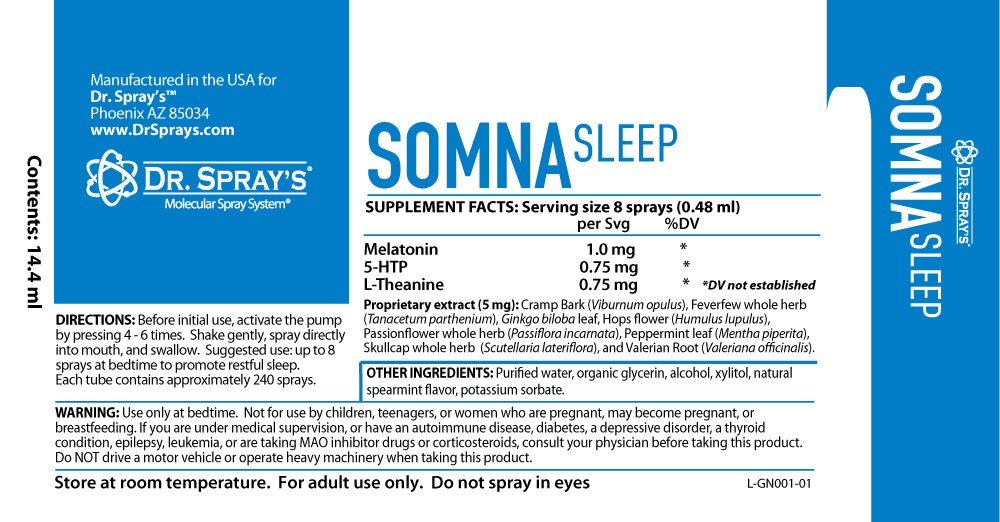
For children with confirmed nutritional deficiencies or those who struggle with sleep despite behavioral interventions, oral spray vitamins offer several advantages over traditional supplements. Spray supplements bypass much of the digestive system, delivering nutrients directly through the oral mucosa for absorption rates approaching 90%.
Formulations designed specifically for sleep support combine complementary nutrients in precise ratios. When selecting vitamin spray products, prioritize those manufactured in FDA-registered facilities that follow Good Manufacturing Practices (GMP) standards, ensuring quality, purity, and accurate dosing.
Always consult your pediatrician before introducing supplements, particularly if your child takes medications or has underlying health conditions.
Managing Daytime Factors That Affect Nighttime Sleep
Sleep quality doesn't begin at bedtime—daytime activities significantly influence nighttime rest.
Physical Activity Requirements
Four-year-olds need substantial physical activity—at least 3 hours of active play throughout the day. Regular movement helps regulate circadian rhythms, expends energy, and promotes deeper sleep. However, avoid vigorous activity within 2-3 hours of bedtime, as it can be overstimulating.
Screen Time Guidelines
The American Academy of Pediatrics recommends limiting screen time for preschoolers to one hour daily of high-quality programming. More critically for sleep, eliminate all screens at least 1-2 hours before bedtime. The blue light emitted by devices suppresses melatonin production, and stimulating content can make settling difficult.
Nap Considerations
By age 4, many children transition away from daily naps. If your child still naps, ensure it occurs before 3:00 PM and lasts no longer than 60-90 minutes. Late or lengthy naps can interfere with nighttime sleep. If your child resists napping but becomes overtired, institute a quiet rest period instead.
Sunlight Exposure
Natural light exposure, particularly in the morning, helps regulate circadian rhythms. Aim for outdoor time shortly after waking and additional outdoor play throughout the day. This exposure supports vitamin D production and reinforces the body's natural sleep-wake cycle.
Addressing Specific Sleep Disruptions
Handling Nighttime Fears
When addressing fears, validate your child's feelings while maintaining boundaries:
- Acknowledge the fear without reinforcing it: "I hear that you're worried about monsters. Your room is safe."
- Create a brief check-in routine but avoid prolonged stays
- Use a "monster spray" (water in a spray bottle) or similar transitional object
- Read books about overcoming nighttime fears during daytime hours
- Maintain consistent responses to fear-based wake-ups
Managing Multiple Wake-Ups
If your child wakes multiple times nightly:
- Rule out physical discomfort—check room temperature, pajama fit, and bedding comfort
- Ensure adequate daytime nutrition and hydration
- Respond consistently with minimal interaction—brief reassurance, then return to bed
- Avoid bringing your child to your bed, which can create new sleep associations
- Consider whether anxiety, stress, or changes in routine might be contributing factors
Dealing with Early Morning Wake-Ups
Children who wake before 6:00 AM may need schedule adjustments:
- Use blackout curtains to prevent early light from triggering wake-ups
- Ensure bedtime isn't too early, which can lead to early rising
- Implement a "wake-up clock" that uses colors or characters to indicate when it's time to get up
- Maintain consistent wake times, even on weekends
When to Consider Professional Support
While most sleep challenges respond to behavioral and environmental interventions, certain situations warrant professional evaluation:
- Loud snoring or pauses in breathing during sleep (possible sleep apnea)
- Extreme difficulty waking or excessive daytime sleepiness despite adequate sleep opportunity
- Sleep disruptions that persist despite consistent intervention for 4-6 weeks
- Sleepwalking, night terrors, or other parasomnias occurring frequently
- Sleep problems accompanied by developmental concerns or behavioral issues
Pediatric sleep specialists can conduct evaluations to identify underlying medical conditions, sleep disorders, or other factors requiring targeted treatment.
Creating Sustainable Sleep Habits
Establishing healthy sleep patterns requires patience and consistency. Most interventions need 2-4 weeks of consistent implementation before showing significant results. During this period:
- Maintain routines even when they feel inconvenient
- Track sleep patterns to identify improvements or persistent problems
- Adjust strategies based on your child's responses
- Celebrate small victories to stay motivated
- Ensure all caregivers follow the same approaches
Remember that sleep needs and patterns evolve as children grow. Strategies that work at age 4 may need modification by age 5 or 6. Stay flexible while maintaining core principles of consistency, appropriate boundaries, and supportive routines.
The Connection Between Overall Wellness and Sleep
Sleep doesn't exist in isolation—it's interconnected with physical health, emotional wellbeing, and developmental progress. Supporting your 4-year-old's sleep means addressing their whole-child needs:
Emotional security: Children who feel safe, loved, and secure typically sleep better. Positive daytime interactions, responsive parenting, and predictable routines contribute to emotional wellbeing that translates to better sleep.
Physical health: Regular pediatric check-ups can identify health issues affecting sleep, from allergies to vitamin deficiencies. Comprehensive approaches that include proper nutrition—potentially supported by spray supplements for children with absorption challenges or nutritional gaps—create foundations for healthy sleep.
Family stress management: Household stress affects children's sleep. Parents prioritizing their own rest and stress management model healthy habits and create calmer home environments conducive to everyone's sleep.
Practical Implementation Guide
To implement these strategies effectively, follow this step-by-step approach:
Week 1: Assessment and Planning
- Track your child's current sleep patterns, noting bedtime, wake time, night wakings, and daytime behavior
- Identify specific challenges you're facing
- Evaluate your child's bedroom environment and daytime schedule
- Consult with your pediatrician about any health or nutritional concerns
Week 2: Environment and Routine
- Optimize the bedroom environment for sleep
- Establish a consistent bedtime routine and begin implementing it nightly
- Set clear, age-appropriate expectations about bedtime behavior
- Begin tracking responses to these changes
Week 3-4: Consistency and Refinement
- Maintain routines even when challenging
- Make minor adjustments based on what's working or not working
- Address any nutritional gaps identified during pediatric consultation
- Continue tracking to identify patterns and progress
Week 5+: Sustained Practice
- Celebrate improvements while remaining consistent with challenging aspects
- Gradually reduce sleep supports as your child becomes more independent
- Adjust bedtime or routine elements as needed for continued success
Frequently Asked Questions
How long should it take a 4-year-old to fall asleep?
Most 4-year-olds should fall asleep within 15-30 minutes of lights-out when properly prepared for sleep. If your child consistently takes longer than 30 minutes to fall asleep, their bedtime may be too early, or they may need more physical activity during the day. Conversely, falling asleep in less than 10 minutes might indicate sleep deprivation.
Is it normal for 4-year-olds to wake up during the night?
Brief wakings between sleep cycles are normal for all ages, including 4-year-olds. The key difference is whether children can self-soothe back to sleep or require parental intervention. If your child wakes and calls for you or comes to your room nightly, they may need help developing independent sleep skills through consistent routines and responses.
Should my 4-year-old still be napping?
Sleep needs vary individually. Some 4-year-olds still benefit from short naps (45-90 minutes), while others have fully transitioned to nighttime-only sleep. Signs your child still needs a nap include falling asleep in the car, extreme crankiness in late afternoon, or difficulty making it to bedtime. If naps interfere with nighttime sleep, consider replacing them with quiet rest time instead.
Can vitamin deficiencies really affect my child's sleep?
Yes, certain nutritional deficiencies directly impact sleep quality. Vitamin D deficiency correlates with sleep duration and quality issues. B vitamin deficiencies can impair the production of sleep-regulating neurotransmitters like serotonin and melatonin. Magnesium deficiency affects muscle relaxation and nervous system calming. If you suspect nutritional gaps, consult your pediatrician about testing and appropriate supplementation, potentially including highly absorbable oral spray vitamins.
What's the difference between vitamin sprays and traditional children's vitamins?
Spray supplements offer several advantages over pills or gummies. They're absorbed directly through the oral mucosa, bypassing much of the digestive system and achieving absorption rates up to 90%—significantly higher than traditional tablets. They're also easier for children who resist swallowing pills or who have digestive issues affecting nutrient absorption. Quality matters, though—look for products manufactured in FDA-registered, GMP-certified facilities.
How do I handle bedtime when my child says they're not tired?
Maintain your bedtime routine regardless of protests. Four-year-olds often resist sleep even when tired. Explain that "bedtime" means going to bed, not necessarily falling asleep immediately. Allow quiet activities like looking at books in bed. Avoid negotiations that move bedtime later, as this reinforces resistance. Consistent timing helps regulate circadian rhythms, so your child will naturally become tired at the appropriate time.
Should I use melatonin for my 4-year-old?
Melatonin supplementation for young children should only occur under pediatric guidance. While melatonin can help in specific situations (like jet lag or certain medical conditions), it's not recommended as a first-line intervention for typical sleep challenges. Behavioral and environmental strategies should be thoroughly implemented first. If sleep problems persist despite consistent intervention, discuss all options with your pediatrician, who can evaluate whether melatonin or other interventions are appropriate.
What if my child is afraid of sleeping alone?
Fear of sleeping alone is developmentally common at age 4. Address it through gradual independence-building: start with sitting near the bed until your child falls asleep, then gradually move your chair farther from the bed over several weeks. Provide comfort objects like special stuffed animals or blankets. Maintain daytime conversations about courage and independence. Avoid bringing your child to your bed, as this can reinforce the fear rather than building confidence.
How does location affect my child's vitamin needs for sleep?
Geographic location significantly impacts vitamin D production, which affects sleep regulation. Children in regions with limited sunlight—particularly during winter months—often develop vitamin D deficiencies. For example, families in northern climates or those in sun-intense regions like Phoenix, Arizona who avoid midday sun exposure may need supplementation. Vitamin D testing through your pediatrician can determine whether your child needs additional support through diet or supplements like vitamin D3 spray.
About the Author
This article was developed by the research team at DrSprays, a Phoenix, Arizona-based company specializing in doctor-developed oral vitamin sprays. Our products are manufactured in an FDA-registered, GMP-certified facility and feature absorption rates up to 90%. While we provide educational content about nutrition and wellness, we always recommend consulting with healthcare professionals for personalized medical advice.
Support Your Child's Sleep with Proper Nutrition
Establishing healthy sleep habits for your 4-year-old involves multiple factors—consistent routines, optimized environments, appropriate boundaries, and adequate nutrition. When nutritional gaps exist, they can significantly undermine even the best behavioral interventions.
If you've implemented sleep strategies consistently but continue facing challenges, consider whether nutritional deficiencies might be contributing factors. DrSprays offers a range of doctor-developed vitamin spray formulations designed for optimal absorption, including specialized sleep support options.
Our products are manufactured in Phoenix, Arizona in an FDA-registered, GMP-certified facility, ensuring the highest quality standards. With absorption rates approaching 90%, spray supplements deliver nutrients more effectively than traditional tablets or gummies—particularly important for children with digestive sensitivities or absorption challenges.
Explore our complete line of oral spray vitamins to discover how targeted nutritional support can complement your comprehensive approach to healthy sleep. Each product is formulated with precise nutrient ratios based on current research, providing convenient, effective supplementation for families prioritizing wellness.
Remember: quality sleep forms the foundation for your child's growth, development, learning, and emotional wellbeing. Investing time and effort into establishing healthy sleep patterns now creates benefits that extend throughout childhood and beyond.