Getting a one-year-old to sleep can feel like an impossible task for exhausted parents. Between developmental milestones, teething, and changing sleep patterns, this age presents unique challenges that require patience, consistency, and sometimes a little nutritional support.
Understanding the science behind toddler sleep—and how proper nutrition plays a crucial role—can transform bedtime from a nightly battle into a peaceful routine. Let's explore evidence-based strategies that actually work for one-year-olds, including how certain vitamins delivered through oral spray vitamins can support healthy sleep patterns.
Understanding Sleep Patterns in One-Year-Olds
At twelve months, children typically need 12-14 hours of total sleep per day, including nighttime sleep and one or two daytime naps. However, every child develops differently, and sleep needs can vary based on activity level, growth spurts, and individual temperament.
During this developmental stage, several factors commonly disrupt sleep:
- Separation anxiety: One-year-olds are becoming aware that they're separate from their parents, which can trigger bedtime resistance
- Physical milestones: Learning to walk, climb, and explore creates excitement that's hard to turn off at bedtime
- Teething discomfort: Molars often emerge during this period, causing pain that peaks at night
- Sleep regression: Natural developmental changes can temporarily disrupt previously established sleep patterns
- Nutritional deficiencies: Inadequate levels of certain vitamins can interfere with sleep regulation
Creating an Effective Bedtime Routine
Consistency is the foundation of healthy sleep habits for toddlers. A predictable bedtime routine signals to your child's brain that it's time to wind down, making the transition to sleep smoother and more natural.
The 30-Minute Wind-Down Window
Start your bedtime routine approximately 30 minutes before you want your one-year-old asleep. This window allows enough time for calming activities without making the process feel rushed or stressful.
An effective routine might include:
- Bath time: A warm bath raises body temperature; the subsequent cooling signals sleep readiness
- Quiet play: Soft blocks, board books, or gentle toys—avoid stimulating electronic devices
- Storytime: Reading together creates connection while establishing a clear pre-sleep cue
- Lullabies or white noise: Consistent sound cues help trigger sleep associations
- Final cuddles: Brief physical connection before placing your child in their crib drowsy but awake
Environmental Factors That Support Sleep
The sleep environment significantly impacts how quickly and soundly your one-year-old falls asleep. Optimize these variables:
- Temperature: Keep the room between 68-72°F (20-22°C)
- Darkness: Use blackout curtains or shades to eliminate light that suppresses melatonin production
- Sound: White noise machines can mask household sounds and create consistent audio cues
- Safety: Ensure the crib meets current safety standards with a firm mattress and fitted sheet only
The Role of Nutrition in Toddler Sleep Quality
What your one-year-old consumes throughout the day—and what their body effectively absorbs—directly impacts sleep quality. Certain nutritional deficiencies have been linked to sleep difficulties in young children.
Key Vitamins That Support Healthy Sleep
Vitamin D3 plays a crucial role in sleep regulation. Research has shown that vitamin D deficiency is associated with sleep disturbances in children. The body's vitamin D receptors are present in areas of the brain that control sleep, and adequate levels support the production of sleep-regulating neurotransmitters.
For parents in sunny climates like Phoenix, Arizona, outdoor play provides natural vitamin D synthesis. However, sunscreen application (which is essential for skin protection) blocks vitamin D production, and many toddlers don't achieve adequate levels through sun exposure and diet alone. A vitamin D3 spray offers an efficient absorption method, especially important since traditional pills or gummies can be challenging for one-year-olds.
B vitamins, particularly B6 and B12, support the production of serotonin and melatonin—neurotransmitters that regulate sleep-wake cycles. B12 deficiency has been linked to sleep disturbances in young children. Traditional B12 supplements often have low absorption rates, particularly in young children whose digestive systems are still developing. Vitamin B12 spray products offer absorption rates up to 90%, delivering nutrients directly through the oral mucosa and bypassing digestive barriers that can limit effectiveness.
Magnesium acts as a natural relaxant, supporting the nervous system and promoting muscle relaxation. While not a vitamin, this mineral works synergistically with B vitamins to support calm and restful sleep.
Why Spray Supplements Work Well for Toddlers
Traditional supplement forms present challenges for one-year-olds. Pills are choking hazards, and many gummies contain high sugar content that can actually interfere with sleep. Spray supplements offer several advantages:
- Superior absorption: Oral spray vitamins deliver nutrients directly through the mucous membranes in the mouth, achieving up to 90% absorption compared to 10-20% with traditional pills
- Easy administration: No choking risk and simple to give even to resistant toddlers
- Faster action: Nutrients enter the bloodstream within minutes rather than requiring full digestion
- Pleasant taste: Natural flavors make supplementation easier without relying on excessive sugar
- Precise dosing: Each spray delivers a controlled amount, allowing parents to adjust serving sizes as needed
DrSprays manufactures all products in an FDA-registered, GMP-certified facility in Phoenix, Arizona, ensuring quality control and safety standards specifically important for products used with young children.
Addressing Common Sleep Challenges
Night Wakings and Frequent Wake-Ups
If your one-year-old wakes multiple times during the night, evaluate these factors:
Hunger: Ensure your child receives adequate calories during the day. Some one-year-olds still need a small snack before bed, but avoid creating a dependency on feeding for sleep association.
Comfort issues: Check for teething pain, uncomfortable pajamas, or room temperature problems. A room that's too warm or cold frequently causes night wakings.
Sleep associations: If your child has learned they need rocking, feeding, or parental presence to fall asleep initially, they'll likely need the same assistance when cycling between sleep stages at night.
Early Morning Wakings
When your one-year-old consistently wakes before 6:00 AM, despite adequate total sleep, consider:
- Light exposure: Even small amounts of light can trigger early waking; ensure complete darkness
- Bedtime timing: Counterintuitively, an earlier bedtime often solves early morning waking by preventing overtiredness
- Nap schedule: Too much or too little daytime sleep can affect morning wake time
Bedtime Resistance and Protest
Active resistance at bedtime often stems from:
Overtiredness: When children become overtired, their bodies release cortisol, which paradoxically makes falling asleep harder. Watch for sleep cues before your child becomes overstimulated.
Insufficient activity: One-year-olds need significant physical activity during the day. Aim for several hours of active play, including outdoor time when possible.
Separation anxiety: This developmental stage is normal. Maintain consistent, calm goodbyes rather than prolonging separation or sneaking away, which can increase anxiety.
The Impact of Daytime Habits on Nighttime Sleep
Nap Timing and Duration
Most one-year-olds transition from two naps to one during this year. This transition typically occurs between 12-18 months and can temporarily disrupt nighttime sleep.
Signs your child is ready for one nap:
- Consistently refusing one of the two naps
- Longer wake windows without signs of overtiredness
- Difficulty falling asleep at bedtime despite appropriate schedule
During the transition, maintain flexibility while aiming for the single nap to occur early afternoon (around 12:30-1:00 PM) to allow sufficient wake time before bedtime.
Physical Activity Requirements
Active toddlers generally sleep better. Ensure your one-year-old gets:
- At least 3 hours of physical activity throughout the day
- Outdoor time for natural light exposure, which supports circadian rhythm regulation
- Varied activities including crawling, climbing, walking, and manipulating objects
For families in Phoenix, Arizona, morning outdoor play takes advantage of cooler temperatures while providing the natural light exposure that supports vitamin D3 production and healthy sleep-wake cycles.
Nutrition Throughout the Day
Beyond specific sleep-supporting nutrients, overall nutrition quality affects sleep. Focus on:
- Balanced meals: Include protein, healthy fats, and complex carbohydrates at each meal
- Iron-rich foods: Iron deficiency is linked to restless sleep and night wakings
- Adequate hydration: Ensure sufficient fluid intake during the day, but limit liquids close to bedtime to reduce night wakings for diaper changes
- Timing of last meal: Offer dinner 2-3 hours before bedtime, with a small, protein-based snack if needed 30-60 minutes before sleep
When Nutritional Support Makes a Difference
Even with excellent dietary habits, some one-year-olds struggle to achieve optimal nutrient levels due to:
- Picky eating behaviors common at this developmental stage
- Reduced absorption capacity in developing digestive systems
- Increased nutritional needs during rapid growth periods
- Limited dietary sources of certain nutrients like vitamin D3
This is where vitamin spray supplementation can provide targeted support. The high absorption rate of oral sprays means that even small servings deliver meaningful nutritional benefits.
A multi-vitamin spray formulated for children can help fill nutritional gaps that might be affecting sleep quality. The convenience of spray delivery makes daily supplementation sustainable for busy parents managing the demands of life with a one-year-old.
Sleep Training Approaches for One-Year-Olds
If your one-year-old hasn't yet learned to fall asleep independently, several evidence-based approaches can help establish this essential skill:
Gradual Withdrawal Method
This gentle approach involves slowly reducing your presence at bedtime:
- Begin by sitting next to your child's crib during the bedtime routine
- Each night, move your chair slightly farther from the crib
- Continue until you're outside the doorway
- Provide verbal reassurance but minimize physical intervention
This method typically takes 1-2 weeks and works well for children with separation anxiety.
Ferber Method (Progressive Waiting)
This structured approach involves:
- Completing your bedtime routine and placing your child in the crib awake
- Leaving the room and waiting predetermined intervals before briefly checking on your child
- Gradually extending the waiting intervals over several nights
Brief check-ins provide reassurance while allowing your child to develop self-soothing skills. This method typically shows results within 3-7 days.
Pick-Up, Put-Down Method
This responsive approach involves:
- Placing your child in the crib drowsy but awake
- If they cry, picking them up until calm (but not asleep)
- Returning them to the crib
- Repeating as needed until they fall asleep
This method takes longer (often 2-3 weeks) but provides more parental interaction during the learning process.
Recognizing When to Seek Additional Help
While most sleep challenges in one-year-olds resolve with consistent routines and appropriate support, certain situations warrant professional evaluation:
- Persistent snoring or breathing pauses: May indicate sleep apnea or other respiratory issues
- Extreme difficulty waking: Could signal underlying health concerns
- Significant developmental delays: May require specialized sleep support strategies
- Consistent inability to fall asleep: Despite appropriate routines and environment
- Signs of nutritional deficiency: Including pale skin, low energy, or poor growth
Your pediatrician can evaluate whether underlying medical issues or nutritional deficiencies are contributing to sleep problems and recommend appropriate interventions.
Building Long-Term Healthy Sleep Habits
The sleep foundation you establish during your child's first year creates patterns that often persist into later childhood. Prioritizing healthy sleep habits now benefits your child's:
- Cognitive development: Sleep is when the brain consolidates learning and memories
- Physical growth: Growth hormone is primarily released during deep sleep
- Emotional regulation: Adequate sleep supports mood stability and behavioral control
- Immune function: Quality sleep strengthens the body's defense systems
Consistency remains the most important factor. While travel, illness, and developmental changes will occasionally disrupt sleep, returning to your established routine helps your child quickly re-regulate.
The Connection Between Parent Sleep and Child Sleep
Your own sleep deprivation affects your ability to maintain consistent routines and respond effectively to your child's needs. Prioritizing your rest isn't selfish—it's essential for effective parenting.
Strategies for protecting your sleep while managing a one-year-old:
- Share nighttime responsibilities with your partner when possible
- Go to bed early during the routine establishment phase
- Accept help from family or friends during challenging sleep periods
- Consider your own nutritional support—B vitamins and vitamin D affect adult sleep quality too
Many parents find that the same spray supplements that support their child's sleep can benefit their own energy levels and sleep quality. Products like B12 spray support energy during the day, while maintaining consistent nutritional support helps regulate adult sleep patterns.
Frequently Asked Questions
How long should it take for a one-year-old to fall asleep?
A well-rested one-year-old following an appropriate routine should fall asleep within 15-20 minutes of being placed in their crib. If your child consistently takes longer than 30 minutes, they may be going to bed too early (not tired enough) or too late (overtired). Adjust bedtime by 15-minute increments to find the optimal window.
Is it normal for a one-year-old to wake up at night?
Brief wakings between sleep cycles are normal for children and adults. However, a one-year-old who has learned to self-soothe should be able to return to sleep independently without parental intervention. Frequent wakings requiring assistance often indicate a sleep association that needs addressing or possible nutritional or medical issues affecting sleep quality.
Can vitamin deficiencies really affect my toddler's sleep?
Yes, research has established clear connections between certain nutritional deficiencies and sleep problems in children. Vitamin D, B vitamins (particularly B6 and B12), iron, and magnesium all play roles in sleep regulation. If your child experiences persistent sleep difficulties despite good sleep hygiene, discussing nutritional evaluation with your pediatrician is worthwhile.
Are vitamin sprays safe for one-year-olds?
When properly formulated and manufactured in FDA-registered facilities following GMP standards, vitamin sprays are safe for toddlers. The spray delivery method actually offers advantages over pills (choking hazard) and many gummies (high sugar content). Always follow dosing recommendations and consult your pediatrician before starting any supplement, particularly if your child has existing health conditions or takes medications.
What's the difference between absorption rates in spray supplements versus pills?
Oral spray vitamins achieve absorption rates of up to 90% by delivering nutrients directly through the mucous membranes in the mouth, bypassing the digestive system where many nutrients are degraded or poorly absorbed. Traditional pills typically achieve only 10-20% absorption, particularly in young children whose digestive systems are still developing. This difference means spray supplements can deliver meaningful benefits at lower doses.
Should I wake my one-year-old from long naps?
If your child's nap extends beyond 2-3 hours, or if a late or long nap interferes with bedtime, gently waking them is appropriate. Aim to protect at least 4 hours of wake time before bedtime to ensure sufficient sleep pressure for nighttime sleep. However, during illness or growth spurts, allowing extra sleep is often beneficial.
How do I know if my child is getting enough vitamin D in Phoenix?
Despite Phoenix's abundant sunshine, many children don't achieve optimal vitamin D levels due to necessary sunscreen use, limited outdoor time during hot months, and time spent indoors. Signs of deficiency can include frequent illness, poor sleep, delayed milestones, or bone/muscle weakness. Your pediatrician can test vitamin D levels through a simple blood test and recommend supplementation if needed.
What if my one-year-old refuses to take supplements?
Spray supplements offer significant advantages for reluctant toddlers. The quick spray delivery takes only seconds, and pleasant natural flavors make the experience more acceptable than forcing pills or chewables. Some parents find success spraying supplements during distraction (while reading a book or playing) or incorporating it into a consistent daily routine like after breakfast.
Moving Forward: Your Action Plan
Successfully helping your one-year-old sleep well requires a comprehensive approach that addresses routine, environment, and nutritional support:
- Establish consistency: Implement a predictable bedtime routine starting tonight
- Optimize the environment: Ensure darkness, appropriate temperature, and safety
- Evaluate nutrition: Consider whether your child's diet provides adequate sleep-supporting nutrients
- Consider supplementation: If dietary gaps exist, high-absorption spray vitamins can provide targeted support
- Monitor and adjust: Track sleep patterns for 1-2 weeks to identify what works for your unique child
- Be patient: Lasting changes typically require 1-3 weeks of consistency
Remember that every child is different. What works for one family may need adjustment for another. The key is finding the combination of strategies that supports your child's individual needs while maintaining realistic expectations for this developmental stage.
Support Your Family's Sleep With Superior Absorption
Quality sleep starts with quality nutrition. DrSprays offers doctor-developed vitamin sprays with 90% absorption rates—far superior to traditional supplements. Our products are manufactured in an FDA-registered, GMP-certified facility right here in Phoenix, Arizona.
Whether you're looking for vitamin D3 spray to support sleep regulation, B12 spray for energy and neurotransmitter production, or a comprehensive multi-vitamin spray to fill nutritional gaps, we've created formulas that work with your family's needs—not against them.
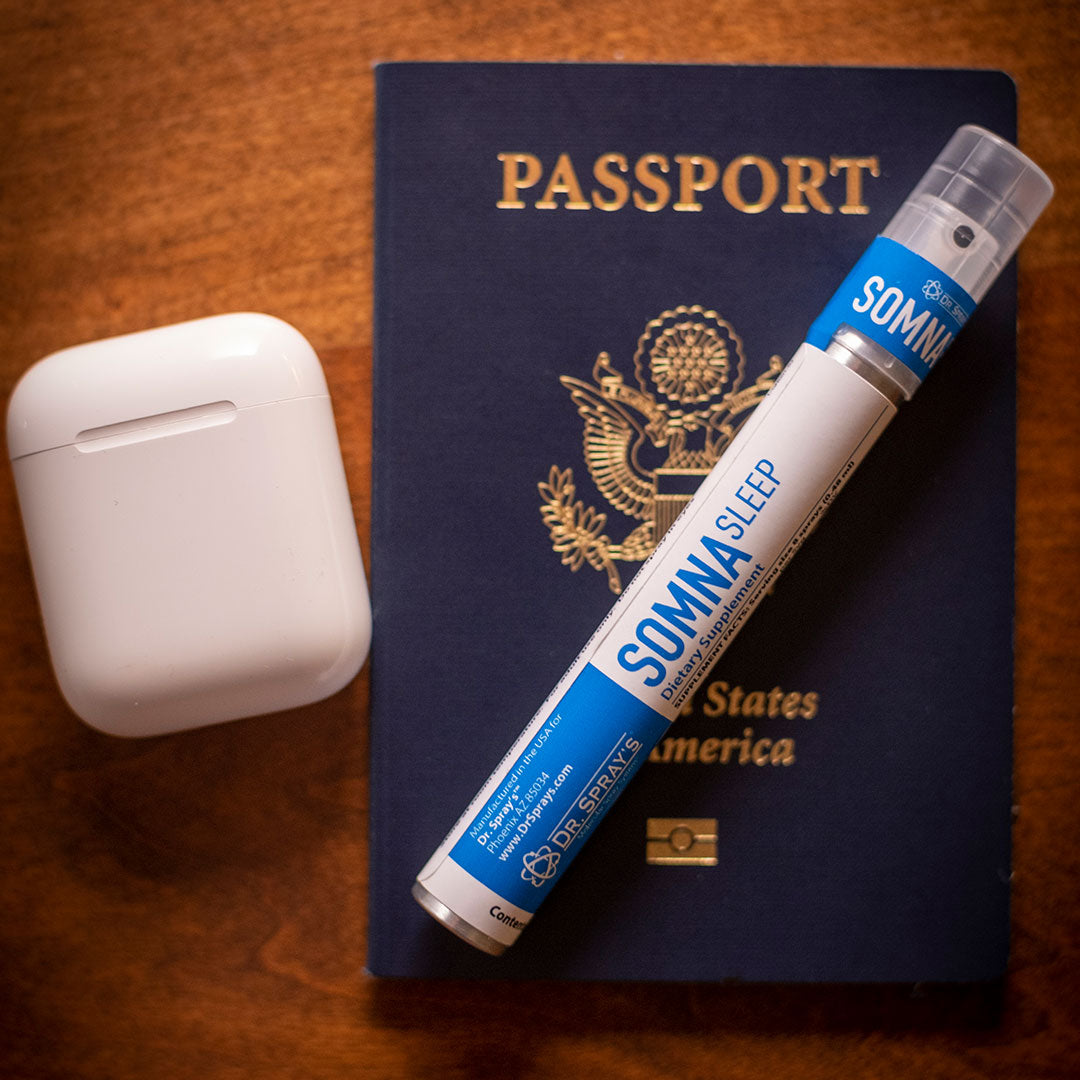
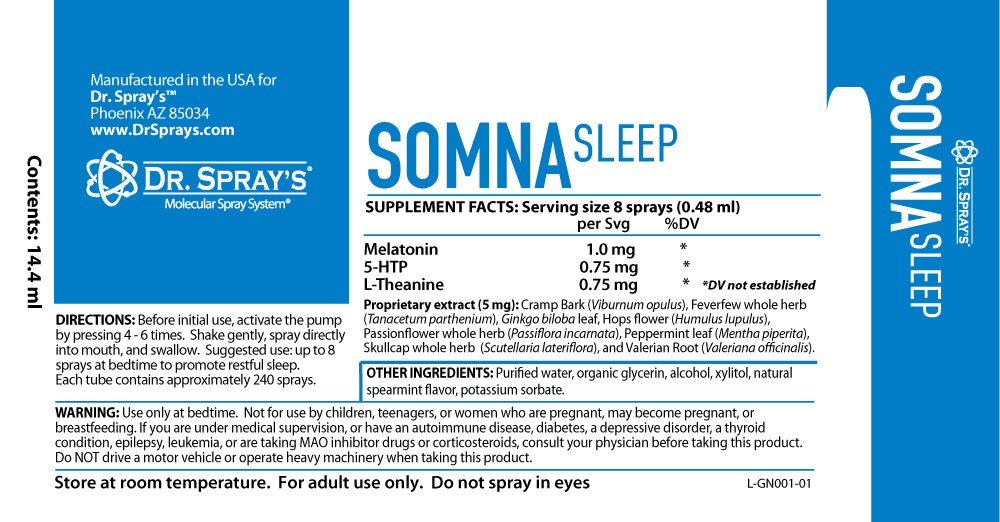
Special for parents: Our Sleep Support spray offers natural sleep support for adults managing the challenges of parenting a toddler.