Getting a three-year-old to sleep consistently can feel like an impossible task. Between bedtime resistance, night wakings, and early morning wake-ups, many parents find themselves exhausted and searching for solutions. While behavioral strategies form the foundation of healthy sleep habits, nutritional support—including innovative delivery methods like vitamin sprays—can play a surprising role in helping your toddler achieve the restful sleep they need.
Understanding the connection between nutrition, sleep hygiene, and age-appropriate routines gives you a comprehensive toolkit for addressing your three-year-old's sleep challenges. Let's explore evidence-based strategies that work, including how modern oral spray vitamins offer convenient nutritional support for busy families.
Understanding Three-Year-Old Sleep Patterns
Before implementing any sleep strategy, it's essential to understand what normal sleep looks like for a three-year-old. At this age, children typically need 10-13 hours of sleep within a 24-hour period, according to the National Sleep Foundation. This usually includes one nap or quiet rest time during the day, though many three-year-olds are transitioning away from naps entirely.
Common Sleep Challenges at Age Three
Three-year-olds face unique sleep challenges related to their developmental stage:
- Increased imagination: Fears of monsters or the dark become more pronounced as imagination develops
- Testing boundaries: The desire for independence often manifests as bedtime resistance
- Nap transitions: Dropping or shortening naps can temporarily disrupt nighttime sleep
- Physical development: Growing bodies may experience discomfort or restlessness
- Environmental sensitivity: Greater awareness of surroundings can make falling asleep more difficult
Recognizing these challenges as developmentally normal helps you approach sleep issues with patience and appropriate strategies rather than frustration.
Creating the Ideal Sleep Environment
Your child's sleep environment significantly impacts their ability to fall asleep and stay asleep throughout the night. A well-designed bedroom creates the physiological conditions that promote quality rest.
Temperature and Lighting
The ideal bedroom temperature for sleep ranges between 65-70°F. Here in Phoenix, Arizona, where summer temperatures soar, maintaining a cool sleeping environment requires attention to air conditioning settings and window coverings. Blackout curtains serve double duty—blocking the intense Arizona sun during early morning hours while keeping rooms cooler throughout the day.
Lighting should transition from bright to dim as bedtime approaches. Consider warm-toned night lights if your child fears complete darkness, but keep them as dim as possible to avoid interfering with natural melatonin production.
Sound and Comfort
White noise machines can mask household sounds and create consistent auditory cues for sleep. Choose machines with continuous sound options rather than looping tracks that might wake your child when they repeat.
Ensure your child's mattress provides adequate support and that bedding is comfortable without being too warm. Many three-year-olds have strong preferences about pajamas and blankets—within safety guidelines, honoring these preferences can reduce bedtime resistance.
Establishing a Consistent Bedtime Routine
Consistency is the cornerstone of healthy sleep habits for three-year-olds. A predictable bedtime routine signals to your child's body and mind that sleep is approaching, triggering physiological changes that facilitate falling asleep.
Components of an Effective Bedtime Routine
An ideal bedtime routine for a three-year-old lasts 20-45 minutes and includes calming activities in a predictable order:
- Bath time: Warm water relaxes muscles and the subsequent temperature drop helps trigger sleepiness
- Pajamas and hygiene: Teeth brushing, using the bathroom, and getting dressed for bed
- Nutritional routine: If you incorporate supplements, this is an ideal time for sleep-supportive spray vitamins
- Quiet activities: Reading stories, gentle songs, or quiet conversation
- Connection time: Brief cuddles or back rubs to fulfill your child's need for closeness
- Lights out: A final goodnight at a consistent time each evening
The key is maintaining this sequence every night, including weekends. While occasional variations are inevitable, the more consistent you remain, the more effective the routine becomes.
The Role of Nutrition in Toddler Sleep
What your child eats—and when they eat it—can significantly impact their sleep quality. Both nutritional deficiencies and poor meal timing can contribute to sleep difficulties.
Key Nutrients for Healthy Sleep
Several vitamins and minerals play essential roles in sleep regulation:
Vitamin D3: Research indicates that vitamin D deficiency is associated with sleep disorders in children. Vitamin D receptors exist in areas of the brain involved in sleep regulation. Children who spend limited time outdoors or live in areas with intense sun exposure where parents limit outdoor time (like Phoenix during summer months) may have suboptimal vitamin D levels. A vitamin D3 spray offers convenient supplementation without the struggle of getting toddlers to swallow pills.
B Vitamins: B vitamins support the production of neurotransmitters that regulate sleep-wake cycles. Vitamin B12, in particular, influences melatonin secretion. While deficiency is less common in children consuming animal products, picky eaters may benefit from supplementation. Vitamin B12 spray provides an easy delivery method for young children.
Magnesium: This mineral acts as a natural relaxant, supporting the parasympathetic nervous system that helps the body calm down for sleep. Magnesium-rich foods include leafy greens, nuts, seeds, and whole grains.
Zinc: Zinc plays a role in converting tryptophan to serotonin and melatonin. It's found in meat, shellfish, legumes, and seeds, but picky eaters may not consume adequate amounts.
Why Oral Spray Vitamins Work Well for Toddlers
Traditional vitamin delivery methods often fail with three-year-olds. Pills are choking hazards, chewable tablets may be refused by picky eaters, and gummy vitamins contain sugars that aren't ideal before bedtime. This is where spray supplements offer distinct advantages:
- No choking risk: A simple spray eliminates the danger of pills or tablets
- Better absorption: Oral spray vitamins begin absorbing through the mucous membranes in the mouth, achieving up to 90% absorption rates compared to 10-20% for traditional pills
- Easy administration: Even resistant toddlers typically accept a quick spray more readily than swallowing pills
- No added sugars: Quality vitamin sprays avoid the unnecessary sugars found in many children's gummy vitamins
- Taste acceptance: Pleasant flavoring makes the experience positive rather than a nightly battle
When selecting spray supplements for your child, look for products manufactured in FDA-registered, GMP-certified facilities to ensure quality and safety standards are met.
Timing Your Child's Meals and Snacks
Beyond what your child eats, when they eat matters for sleep quality. Avoid heavy meals within two hours of bedtime, as digestion can interfere with falling asleep. However, a light snack combining protein and complex carbohydrates about an hour before bed can prevent hunger from disrupting sleep.
Good bedtime snack options include:
- Whole grain crackers with cheese
- Apple slices with almond butter
- Small bowl of oatmeal with banana
- Plain yogurt with berries
Limit fluids in the hour before bed to reduce the likelihood of nighttime bathroom trips, but ensure your child is well-hydrated throughout the day.
Behavioral Strategies That Work
While environment and nutrition create the conditions for good sleep, behavioral strategies teach your child to fall asleep independently and return to sleep when they wake during the night.
The Bedtime Pass System
This evidence-based approach addresses one of the most common three-year-old sleep challenges: repeated curtain calls after lights out. Give your child one or two "bedtime passes" they can exchange for a brief parental visit—a drink of water, another hug, or one more trip to the bathroom. Once passes are used, calmly and consistently return them to bed without engaging in extended interactions.
This system acknowledges your child's needs while setting clear boundaries. Most children naturally reduce their use of passes within a week or two as they realize their needs are met and learn to self-soothe.
Positive Reinforcement
Three-year-olds respond beautifully to positive reinforcement. Create a simple sleep chart where your child earns a sticker for each successful element of the bedtime routine or each night they stay in bed. After accumulating a certain number of stickers, they earn a small reward—extra story time, a special outing, or choosing a meal.
Focus reinforcement on behaviors your child can control: staying in bed, completing the bedtime routine cooperatively, and using a quiet voice after lights out. Avoid reinforcing sleep itself, as this can create anxiety about something your child can't directly control.
Addressing Nighttime Fears
As imagination develops, nighttime fears become increasingly common at age three. Take your child's fears seriously while helping them develop coping strategies:
- Validate their feelings: "I understand you feel scared"
- Provide reassurance: "You're safe in your bed, and I'm right nearby"
- Offer a comfort object: A special stuffed animal or blanket can provide security
- Use imagination positively: Create "monster spray" (water in a spray bottle) or talk about friendly dreams
- Maintain boundaries: Provide comfort without creating dependencies like co-sleeping if that's not your goal
Nightlights, leaving the door slightly open, or playing soft music can also help anxious children feel more secure.
Physical Activity and Daytime Routine
Quality nighttime sleep begins with how your child spends their waking hours. Physical activity, exposure to natural light, and consistent daytime routines all contribute to better sleep.
The Importance of Physical Activity
Three-year-olds need substantial physical activity—at least three hours of active play throughout the day according to WHO guidelines. Regular exercise helps regulate circadian rhythms, reduces excess energy that might interfere with sleep, and promotes deeper sleep stages.
However, timing matters. Vigorous activity within three hours of bedtime can be overstimulating. Structure your child's day so active play occurs in the morning and afternoon, with calmer activities in the evening.
Daylight Exposure
Natural light exposure, particularly in the morning, helps regulate your child's circadian rhythm. Even in Phoenix's intense summer heat, find opportunities for outdoor time during cooler morning hours. The contrast between bright days and dark nights reinforces the body's natural sleep-wake cycle.
If outdoor time is limited due to weather extremes, ensure your child spends time in well-lit indoor spaces during the day, then dim lights progressively as evening approaches.
Consistent Wake Times
While we often focus on consistent bedtimes, consistent wake times are equally important for regulating sleep. Wake your child at the same time each morning, even on weekends, to maintain their circadian rhythm. This consistency makes falling asleep at the appropriate bedtime much easier.
Managing Nap Transitions
Many three-year-olds are in the process of dropping their afternoon nap, which can temporarily disrupt nighttime sleep. This transition is highly individual—some children naturally drop naps by age three, while others continue napping until four or five.
Signs Your Child Is Ready to Drop Naps
- Consistently refusing naps or taking over 30 minutes to fall asleep at naptime
- Napping normally but then having difficulty falling asleep at bedtime
- Dropping naps doesn't result in overtired, cranky behavior in the late afternoon
- The child can make it through the day without obvious signs of exhaustion
Implementing a Quiet Time Instead
Even when your child stops sleeping during nap time, maintaining a midday quiet time benefits both child and caregiver. Designate an hour for quiet activities in their room—looking at books, listening to audiobooks, or playing quietly with specific toys. This downtime allows for mental rest even without sleep.
On days when your child skips their nap, consider moving bedtime 30-60 minutes earlier to prevent overtiredness, which paradoxically makes falling asleep more difficult.
When to Seek Professional Help
While most three-year-old sleep challenges resolve with consistent strategies, certain signs indicate the need for professional evaluation:
- Loud snoring or breathing pauses during sleep (possible sleep apnea)
- Excessive daytime sleepiness despite adequate nighttime sleep
- Unusual movements or behaviors during sleep (possible parasomnias)
- Severe bedtime resistance lasting more than three months despite consistent interventions
- Sleep problems accompanied by developmental concerns
Your pediatrician can evaluate whether an underlying medical condition, nutritional deficiency, or sleep disorder requires treatment. They may recommend blood work to check for deficiencies in nutrients like vitamin D or iron that can impact sleep quality.
Creating Long-Term Healthy Sleep Habits
The strategies you implement now establish patterns that extend well beyond the toddler years. By prioritizing sleep, maintaining consistency, and addressing both behavioral and nutritional factors, you're teaching your child that sleep is valuable and providing them with skills for lifelong healthy rest.
Supporting Your Child's Overall Health
Sleep doesn't exist in isolation—it's interconnected with nutrition, physical activity, emotional wellbeing, and overall health. A comprehensive approach addresses all these factors. Quality multi-vitamin spray supplements can help fill nutritional gaps in picky eaters, ensuring your child receives essential nutrients that support not just sleep, but immune function, growth, and development.
The convenience of oral spray vitamins becomes particularly valuable during challenging developmental phases. When you're already negotiating bedtime routines, the ease of a pleasant-tasting spray eliminates one potential battle, making it more likely you'll maintain consistent nutritional support.
Practical Implementation Tips
Knowing what to do and successfully implementing it are different challenges. Here are practical tips for putting these strategies into action:
Start With One Change at a Time
Overhauling everything at once can overwhelm both you and your child. Choose one or two strategies to implement first, maintain them consistently for at least two weeks, then add additional changes as needed. You might start with establishing a consistent bedtime routine and optimizing the sleep environment, then address nutritional factors once the routine is solid.
Prepare for an Adjustment Period
When you implement new sleep strategies, behavior often gets worse before it improves. This "extinction burst" is normal—your child is testing whether you'll maintain the new boundaries. Consistency through this challenging period is crucial. Most families see improvement within one to two weeks if they remain consistent.
Get Your Partner on Board
If you co-parent, both adults need to implement strategies consistently. Discuss your approach in advance, agree on responses to common scenarios, and support each other through the adjustment period. Inconsistency between caregivers undermines even the best strategies.
Track Progress
Keep a simple sleep log noting bedtime, wake time, night wakings, and naps. This helps you identify patterns and evaluate whether changes are effective. It also provides valuable information if you need to consult your pediatrician.
Frequently Asked Questions
What time should a three-year-old go to bed?
Most three-year-olds should go to bed between 7:00-8:30 PM, depending on their wake time and whether they still nap. Work backward from your desired wake time—if your child wakes at 7:00 AM and needs 11 hours of sleep, bedtime should be around 8:00 PM. Children who no longer nap may need slightly earlier bedtimes.
How can I stop my three-year-old from getting out of bed repeatedly?
The bedtime pass system works effectively for this issue. Give your child one or two passes they can exchange for brief parental interaction, then calmly and consistently return them to bed without extended engagement once passes are used. Remain boring and non-reactive during returns to bed—don't argue, negotiate, or provide entertainment.
Are vitamin sprays safe for three-year-olds?
Yes, oral spray vitamins are safe for three-year-olds when used according to manufacturer directions and from reputable companies that manufacture products in FDA-registered, GMP-certified facilities. Spray supplements actually offer safety advantages over pills (no choking risk) and often achieve better absorption than traditional tablets. Always consult your pediatrician before starting any supplement, especially if your child has health conditions or takes medications.
My child is afraid of the dark—what should I do?
Validate your child's feelings while providing solutions. A dim, warm-toned night light placed away from the bed can provide comfort without significantly interfering with melatonin production. You might also leave the door slightly open, use a flashlight your child can control, or create a comforting bedtime ritual that addresses their fears. Avoid elaborate monster-checking routines that reinforce the fear; instead, emphasize that they're safe and you're nearby.
How much sleep does a three-year-old actually need?
Three-year-olds typically need 10-13 hours of total sleep in a 24-hour period, including naps. Individual needs vary, but most three-year-olds function best with 10-12 hours at night plus a 1-2 hour nap, or 11-13 hours at night if they've dropped napping. Watch your child's behavior—if they're generally happy, alert, and not overly cranky in the late afternoon, they're probably getting adequate sleep.
Should I let my three-year-old cry it out?
Traditional "cry it out" methods are generally not recommended for three-year-olds, who have the cognitive and language skills to respond to gentler approaches. However, some crying during the adjustment period is normal when you set new boundaries. The key is distinguishing between protest crying and distressed crying. Brief protest as your child adjusts to staying in bed is expected; prolonged, escalating distress requires parental response. Graduated extinction approaches, where you check on your child at increasing intervals, work better than completely ignoring crying at this age.
Can nutritional deficiencies really affect my toddler's sleep?
Yes, deficiencies in certain nutrients—particularly vitamin D, B vitamins, magnesium, and iron—can impact sleep quality in children. These nutrients play roles in regulating circadian rhythms, producing sleep-related neurotransmitters, and supporting overall neurological function. If your child is a picky eater or has limited sun exposure, supplementation with high-absorption products like vitamin spray supplements may help address nutritional gaps that could be affecting sleep.
What if nothing seems to work?
If you've consistently implemented appropriate strategies for 4-6 weeks without improvement, consult your pediatrician. They can rule out medical issues like sleep apnea, restless leg syndrome, or other sleep disorders. They may also test for nutritional deficiencies or other health conditions affecting sleep. Sometimes sleep challenges indicate underlying issues that require professional intervention.
The Bottom Line on Three-Year-Old Sleep
Helping your three-year-old develop healthy sleep habits requires patience, consistency, and a multi-faceted approach addressing environment, routine, behavior, and nutrition. While challenging, this investment pays dividends in your child's mood, development, and overall health—not to mention your own rest and sanity.
Remember that every child is unique. What works perfectly for one family may need adaptation for yours. Stay consistent with evidence-based strategies, remain patient through adjustment periods, and don't hesitate to seek professional guidance if needed.
The combination of a solid bedtime routine, an optimized sleep environment, appropriate behavioral strategies, and nutritional support—including the convenient supplementation offered by oral spray vitamins—gives you a comprehensive toolkit for addressing sleep challenges. With persistence and the right approach, peaceful nights and well-rested mornings are within reach.
Support Your Child's Sleep and Overall Health
Quality sleep requires proper nutrition. DrSprays offers doctor-developed, high-absorption vitamin sprays designed for busy families who want convenient, effective nutritional support. Our products are manufactured in an FDA-registered, GMP-certified facility right here in Phoenix, Arizona.
Discover how our oral spray vitamins can support your family's health:
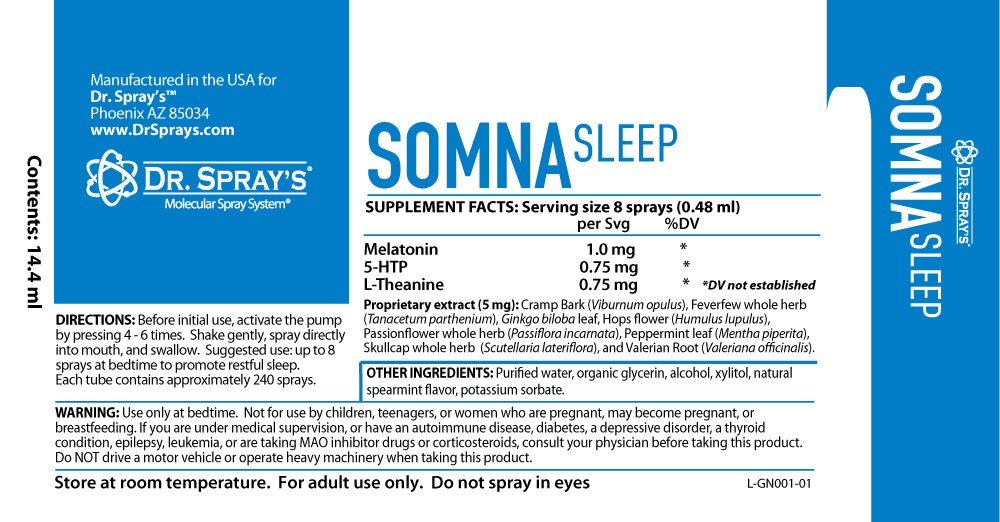
- Somna Sleep Spray – Natural sleep support
- Vitamin D3 Spray – Essential for sleep regulation
- Vitamin B12 Spray – Supports healthy sleep-wake cycles
- Kids Multi-Vitamin Spray – Complete nutritional support for growing children
All DrSprays products feature up to 90% absorption rates and are easy to use with even the pickiest toddlers. No pills, no struggle—just quick, effective nutritional support.