If you're asking yourself "how to make my 1 year old sleep," you're not alone. Sleep challenges are one of the most common concerns parents face during their child's first year and beyond. Between developmental milestones, changing sleep needs, and nutritional factors, many elements can affect your toddler's rest.
This comprehensive guide explores evidence-based strategies to help your one-year-old develop healthy sleep patterns, including the role nutrition and vitamins play in supporting quality rest.
Understanding Your 1-Year-Old's Sleep Needs
At 12 months, children typically need 12-14 hours of total sleep within a 24-hour period. This usually breaks down into 10-12 hours at night plus 1-2 daytime naps totaling 2-3 hours. However, every child is different, and these numbers serve as general guidelines rather than rigid requirements.
Common sleep challenges at this age include:
- Separation anxiety that peaks around 12-18 months
- Increased mobility and desire to practice new skills
- Teething discomfort
- Transitioning from two naps to one
- Nutritional deficiencies affecting sleep quality
Creating an Optimal Sleep Environment
Your child's sleep environment significantly impacts their ability to fall asleep and stay asleep throughout the night. Consider these essential elements:
Room Temperature and Darkness
Maintain a room temperature between 68-72°F. Use blackout curtains or shades to create complete darkness, as even small amounts of light can interfere with melatonin production. A completely dark room signals to your toddler's brain that it's time for sleep.
White Noise and Sound Management
White noise machines can mask household sounds and create a consistent auditory environment. Set the volume at a safe level (no louder than 50 decibels) and place the machine at least 7 feet away from the crib.
Safe Sleep Setup
Ensure your child's crib meets current safety standards. Remove pillows, blankets, stuffed animals, and bumper pads. A fitted sheet on a firm mattress is all your one-year-old needs. A sleep sack provides warmth without the risks associated with loose blankets.
Establishing a Consistent Bedtime Routine
Predictability helps children feel secure and signals their body that sleep is approaching. A consistent routine typically takes 30-45 minutes and should occur at the same time each evening.
Sample Bedtime Routine
- Bath time (5-10 minutes): Warm water relaxes muscles and provides a clear transition toward bedtime
- Quiet play or massage (5-10 minutes): Gentle activities help wind down energy levels
- Pajamas and diaper change: Complete physical care before the final settling phase
- Story time (10-15 minutes): Reading builds language skills while creating calm
- Final feeding and vitamins: Ensure nutritional needs are met before sleep
- Cuddle and songs (5 minutes): Brief comfort before placing in crib
- Lights out: Place your child in their crib drowsy but awake
The Role of Nutrition in Your Toddler's Sleep
What your one-year-old eats and drinks significantly impacts their sleep quality. Several nutritional factors directly influence the sleep-wake cycle.
Vitamin D and Sleep Regulation
Vitamin D plays a crucial role in sleep regulation. Research indicates that vitamin D deficiency is associated with sleep disorders in children. This vitamin helps regulate circadian rhythms and supports the production of sleep-related hormones.
Most toddlers need 600 IU of vitamin D daily, yet many don't receive adequate amounts, especially during winter months or in areas with limited sun exposure. Traditional liquid supplements can be difficult to administer to resistant toddlers, but innovative delivery methods like vitamin D3 spray make supplementation easier for both parents and children.
B Vitamins and Sleep Quality
B vitamins, particularly B6 and B12, support healthy nervous system function and help regulate sleep-wake cycles. B12 deficiency can lead to irritability and sleep disturbances in young children.
While whole grains, dairy, and proteins provide B vitamins, absorption can vary. Oral spray vitamins offer superior absorption rates compared to traditional supplements, ensuring your child receives the full nutritional benefit.
Avoiding Sleep-Disrupting Foods
Certain foods and beverages can interfere with sleep:
- Sugary snacks before bed cause blood sugar spikes and crashes
- Citrus fruits or acidic foods may cause discomfort
- Large meals within 2 hours of bedtime can cause digestive discomfort
- Foods containing artificial colors or preservatives may affect behavior and sleep
Addressing Common Sleep Disruptions
Night Wakings
If your one-year-old wakes during the night, wait a few minutes before responding. Many toddlers briefly wake between sleep cycles and will self-soothe back to sleep if given the opportunity. When you do respond, keep interactions brief, boring, and conducted in dim lighting.
Separation Anxiety
Separation anxiety intensifies around 12 months. Combat this by practicing brief separations during the day, maintaining consistent goodbye routines, and offering a comfort object (if age-appropriate and safe). Avoid sneaking away, as this increases anxiety.
Teething Pain
Teething can disrupt sleep significantly. If you suspect teething is the culprit, consult your pediatrician about appropriate pain relief options. Cold teething toys before bed may provide temporary relief.
Daytime Habits That Promote Nighttime Sleep
Appropriate Nap Timing
Many one-year-olds transition from two naps to one during this year. Watch for sleep cues and adjust gradually. If your child still takes two naps, ensure the afternoon nap ends by 3:00-3:30 PM to protect nighttime sleep.
Physical Activity
Active play during the day promotes better nighttime sleep. Ensure your toddler has opportunities for gross motor activities like crawling, cruising, or walking. However, avoid vigorous activity within 2 hours of bedtime, as this can be stimulating.
Consistent Meal Times
Regular meal and snack times help regulate your child's internal clock. Offer dinner at least 1.5-2 hours before bedtime to allow for digestion.
When to Consider Vitamin Supplementation
Even with a varied diet, some toddlers may benefit from vitamin supplementation. Consider discussing supplementation with your pediatrician if your child:
- Has a restricted diet due to allergies or preferences
- Shows signs of nutritional deficiency
- Experiences persistent sleep difficulties
- Was born prematurely
- Has limited sun exposure
Advantages of Spray Supplements for Toddlers
Traditional vitamin administration can be challenging with one-year-olds. Many children resist taking pills or liquid vitamins due to taste or texture. Spray supplements manufactured in Phoenix, Arizona, offer several advantages:
- Easy administration with no choking hazard
- Pleasant taste that children accept
- High absorption rate through oral mucosa
- No artificial colors or unnecessary additives
- Precise dosing capability
Doctor-developed formulations ensure that spray supplements contain appropriate concentrations for pediatric use when recommended by your healthcare provider.
Sleep Training Methods for 1-Year-Olds
If your toddler struggles with independent sleep, several gentle approaches can help establish healthy patterns.
The Gradual Withdrawal Method
Start by sitting next to your child's crib during bedtime. Every few nights, move your chair slightly farther away until you're eventually outside the room. This method provides reassurance while teaching independent sleep skills.
The Check-and-Console Method
Place your child in their crib awake. Leave the room and return at progressively longer intervals (2 minutes, then 5 minutes, then 10 minutes) to briefly reassure them. Keep these check-ins brief and boring—pat or verbally reassure without picking up.
The Bedtime Fading Technique
Temporarily move bedtime later to match when your child actually falls asleep. Once they're falling asleep quickly at this time, gradually move bedtime earlier by 15 minutes every few days until you reach the desired bedtime.
Red Flags: When to Consult Your Pediatrician
While most sleep challenges resolve with consistency and patience, certain situations warrant professional evaluation:
- Loud snoring or breathing pauses during sleep
- Extreme difficulty waking in the morning
- Excessive daytime sleepiness
- Gasping or choking during sleep
- Persistent night terrors or sleepwalking
- Sleep problems accompanied by developmental delays
- Suspected nutritional deficiencies
The Connection Between Vitamin Absorption and Sleep
Recent research highlights that absorption rates matter significantly when it comes to vitamin supplementation. Traditional pills and liquid supplements pass through the digestive system, where stomach acid and digestive enzymes can degrade nutrients before absorption.
Oral spray vitamins bypass much of the digestive process, delivering nutrients directly through the oral mucosa with absorption rates reaching 90%. This efficient delivery system ensures that sleep-supporting vitamins like D3 and B12 reach optimal blood levels more effectively.
For parents in Phoenix, Arizona, and surrounding areas, locally manufactured vitamin sprays provide a convenient solution backed by FDA registration and GMP certification standards.
Creating Long-Term Healthy Sleep Habits
Establishing strong sleep foundations during your child's first year sets the stage for healthy sleep throughout childhood. Key principles include:
- Consistency: Maintain regular sleep and wake times, even on weekends
- Independence: Allow your child to practice falling asleep without extensive parental intervention
- Nutrition: Ensure adequate vitamin and mineral intake to support sleep regulation
- Environment: Optimize the sleep space for darkness, temperature, and safety
- Routine: Follow predictable pre-sleep patterns that signal bedtime
Frequently Asked Questions
How long should it take my 1-year-old to fall asleep?
Most one-year-olds should fall asleep within 15-30 minutes of being placed in their crib. If it consistently takes longer than 30 minutes, your child may not be tired enough at bedtime, or there may be other factors affecting their ability to settle.
Is it normal for a 1-year-old to wake up at night?
Brief night wakings are normal at any age. However, if your child fully wakes and cannot return to sleep independently, or wakes multiple times requiring parental intervention, this suggests a sleep association that needs addressing.
Can vitamin deficiencies really affect my toddler's sleep?
Yes, research demonstrates that deficiencies in vitamins D, B12, and other nutrients can significantly impact sleep quality and duration. Vitamin D receptors exist in brain areas that regulate sleep, and deficiency has been linked to sleep disorders in children.
When should I transition from two naps to one?
Most children transition between 12-18 months. Signs your child is ready include consistently refusing one nap, taking very long to fall asleep for naps, or nighttime sleep becoming disrupted. Make this transition gradually over several weeks.
Are spray vitamins safe for 1-year-olds?
When manufactured to appropriate standards and used according to pediatrician recommendations, spray vitamins can be safe and effective for toddlers. Always consult your child's healthcare provider before starting any supplementation, and choose products manufactured in FDA-registered, GMP-certified facilities.
How much vitamin D does my 1-year-old need?
The American Academy of Pediatrics recommends 600 IU of vitamin D daily for children aged 1 year and older. However, your pediatrician may recommend different amounts based on your child's individual needs, sun exposure, and dietary intake.
What if my toddler refuses their vitamins?
Traditional liquid vitamins often have strong tastes that children resist. Vitamin spray formulations typically offer more pleasant flavors and easier administration. The quick spray delivery means less opportunity for resistance compared to trying to get a toddler to swallow a full dropper of liquid.
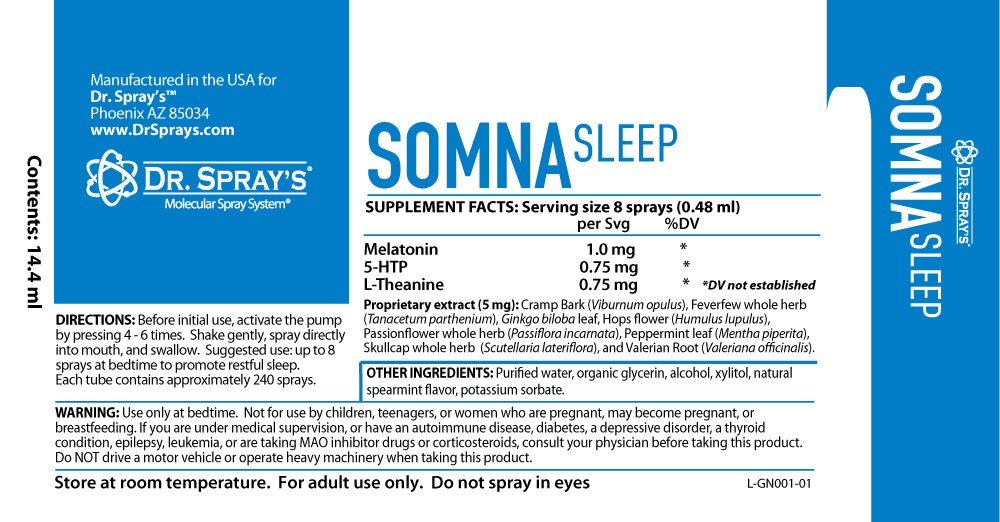
Can I use melatonin to help my 1-year-old sleep?
Melatonin supplementation in young children should only occur under direct pediatrician supervision. Focus first on optimizing sleep hygiene, routine, nutrition, and environment before considering any sleep aids.
About the Author
This article was developed by the research team at DrSprays, drawing on current pediatric sleep research, nutritional science, and clinical guidelines. Our Phoenix, Arizona-based team works with healthcare professionals to provide evidence-based information on nutrition, supplementation, and health optimization. All DrSprays products are manufactured in an FDA-registered, GMP-certified facility and developed with physician input to ensure quality and safety.
Support Your Toddler's Sleep with Proper Nutrition
While establishing healthy sleep habits requires patience and consistency, ensuring your one-year-old receives adequate nutrition—including essential vitamins that support sleep regulation—can make a significant difference in sleep quality.
If you're considering vitamin supplementation to support your toddler's overall health and sleep, explore DrSprays' range of doctor-developed oral vitamin sprays. Our vitamin D3 spray and vitamin B12 spray offer high-absorption, easy-to-administer formulations that take the struggle out of supplementation.
Manufactured in Phoenix, Arizona, with rigorous quality standards, our spray supplements provide the nutritional support your family needs. Always consult with your child's pediatrician before starting any supplementation program to ensure it's appropriate for your toddler's individual needs.
Contact our team to learn more about how oral spray vitamins can support your family's health, or explore our complete guide to how vitamin sprays work to understand the science behind superior absorption.