Getting a one-year-old to sleep through the night remains one of the most challenging aspects of early parenthood. While sleep training methods and bedtime routines play crucial roles, many parents overlook the impact of nutritional deficiencies on their toddler's sleep patterns. Understanding the connection between proper nutrition and quality sleep can make a significant difference in your child's nighttime rest.
Understanding Sleep Patterns in One-Year-Olds
At twelve months, most toddlers need approximately 11-14 hours of total sleep per day, including one or two daytime naps. However, many children this age still wake frequently during the night, leaving parents exhausted and frustrated. Before implementing any sleep strategy, it's important to recognize that night wakings can stem from various causes including teething, developmental milestones, separation anxiety, and nutritional gaps.
According to pediatric sleep research, consistent sleep patterns typically don't establish themselves overnight. The process requires patience, consistency, and attention to all factors that influence sleep quality, including your child's nutritional status.
The Nutritional Foundation of Better Sleep
Many parents don't realize that certain vitamin and mineral deficiencies can directly interfere with a child's ability to fall asleep and stay asleep throughout the night. While establishing good sleep hygiene remains essential, addressing potential nutritional gaps may provide the missing piece of the sleep puzzle.
Key Nutrients That Affect Toddler Sleep
Vitamin D3: This essential vitamin plays a crucial role in regulating sleep-wake cycles. Research shows that vitamin D deficiency correlates with sleep disturbances in young children. Low levels of vitamin D3 have been associated with shorter sleep duration, more frequent night wakings, and difficulty falling asleep. Many toddlers, especially those living in regions with limited sunshine exposure, may not get adequate vitamin D from food and sun exposure alone.
Vitamin B12: This important B vitamin supports nervous system function and helps regulate the body's circadian rhythms. B12 deficiency in young children can manifest as irritability, developmental delays, and sleep disruptions. While less common in children who consume animal products, some toddlers may benefit from ensuring adequate B12 levels, particularly if following a restricted diet.
Magnesium: Often called "nature's relaxation mineral," magnesium helps calm the nervous system and supports the production of melatonin, the hormone that regulates sleep. Toddlers with insufficient magnesium may experience restlessness, muscle tension, and difficulty settling down for sleep.
Calcium: This mineral works alongside magnesium to promote relaxation and supports the brain's ability to use tryptophan to manufacture melatonin. Adequate calcium intake helps regulate the sleep-wake cycle and may reduce nighttime disturbances.
Creating an Effective Bedtime Routine
While nutrition provides the foundation, a consistent bedtime routine gives your one-year-old the structure needed for successful sleep. Implementing these strategies alongside proper nutrition creates a comprehensive approach to better sleep.
The 30-Minute Wind-Down Window
Begin your bedtime routine approximately 30 minutes before your target sleep time. This window allows your toddler's body to transition from active play to rest. Keep activities calm and predictable: a warm bath, gentle massage, quiet story time, and dimmed lights all signal that sleep time approaches.
During this wind-down period, avoid stimulating activities such as active play, screen time, or exciting games. The goal is to gradually lower your child's energy level and help their body prepare for rest.
Optimizing the Sleep Environment
Transform your toddler's bedroom into a sleep sanctuary. Keep the room cool (between 68-72°F), dark, and quiet. Consider using blackout curtains, white noise machines, or soft lullabies to create consistent sleep cues. Ensure the crib or bed provides a safe, comfortable sleeping surface free from loose blankets, pillows, or stuffed animals that could pose safety risks.
Modern Solutions for Nutritional Support
Traditional vitamin delivery methods often present challenges for parents of young children. Pills and tablets pose choking hazards and prove difficult for toddlers to swallow. Liquid vitamins, while easier to administer, frequently come with unpleasant tastes that make daily supplementation a battle of wills.
The Advantages of Oral Spray Delivery
Advanced vitamin spray technology has revolutionized how families approach supplementation. Unlike traditional methods, oral spray vitamins offer several distinct advantages for parents of young children.
First, spray supplements bypass the digestive system partially, allowing for enhanced absorption. While traditional pills and capsules must be broken down in the stomach and processed through the digestive tract, spray delivery allows nutrients to absorb directly through the mucous membranes in the mouth. This results in higher bioavailability and faster onset of benefits.
Second, sprays eliminate the choking hazard and swallowing difficulty associated with pills and capsules. For a one-year-old, a simple spray into the cheek makes supplementation quick, safe, and stress-free.
Third, modern formulations have improved taste profiles significantly, making daily supplementation more pleasant for children and reducing mealtime struggles.
Specific Spray Solutions for Sleep Support
When considering nutritional support for your toddler's sleep, certain formulations designed with absorption and efficacy in mind may prove particularly beneficial. A vitamin D3 spray provides concentrated support for sleep cycle regulation in an easy-to-administer format. Similarly, for children with documented B12 needs, a vitamin B12 spray offers efficient delivery without the challenges of traditional supplementation.
These doctor-developed formulations manufactured in FDA-registered, GMP-certified facilities in Phoenix, Arizona, provide quality assurance that discerning parents seek. With absorption rates reaching approximately 90%, spray delivery ensures that the nutrients you provide actually reach your child's system to support their health and sleep patterns.
Addressing Common Sleep Disruptors
Even with proper nutrition and consistent routines, several factors can still interfere with your toddler's ability to sleep through the night. Understanding and addressing these common issues increases your chances of success.
Hunger and Feeding Schedule
At one year old, most children can sleep through the night without needing food. However, some toddlers still require a small snack before bed to prevent hunger from waking them. Offer a balanced bedtime snack containing protein and complex carbohydrates about 30-45 minutes before sleep time. Good options include whole grain crackers with cheese, yogurt with berries, or almond butter on whole wheat toast.
Ensure your daytime feeding schedule provides adequate calories and nutrients so nighttime hunger doesn't become an issue. Some parents find that offering a slightly larger dinner helps their toddler sleep longer stretches.
Teething Pain and Discomfort
Teething remains a significant sleep disruptor during the first year and beyond. Molars typically emerge between 13-19 months, causing considerable discomfort. If teething interferes with sleep, consult your pediatrician about appropriate pain relief options. Teething rings, cold washcloths, and gentle gum massage may provide relief.
Developmental Leaps and Separation Anxiety
Around twelve months, children often experience intense developmental changes and increased separation anxiety. These milestones can temporarily disrupt even previously solid sleep patterns. During these phases, extra comfort and reassurance help, but maintaining consistency with your basic sleep routine remains important.
When to Consult Healthcare Professionals
While most sleep challenges resolve with patience, consistency, and proper nutritional support, certain situations warrant professional consultation. Contact your pediatrician if your one-year-old:
- Snores loudly or appears to stop breathing during sleep
- Shows extreme difficulty breathing during sleep
- Wakes screaming inconsolably multiple times per night
- Demonstrates excessive daytime sleepiness or irritability
- Experiences persistent sleep problems lasting more than a few weeks
- Shows signs of developmental delays or regression
Additionally, before beginning any supplementation regimen for your child, consult with your pediatrician to rule out underlying medical conditions and ensure appropriate dosing for your child's specific needs.
Creating a Comprehensive Sleep Strategy
Successfully helping your one-year-old sleep through the night requires a multi-faceted approach that addresses both environmental and physiological factors. By combining consistent bedtime routines, an optimized sleep environment, appropriate nutrition, and when necessary, targeted supplementation through modern delivery methods like oral sprays, you create the best possible conditions for restful sleep.
Remember that every child is different, and what works for one family may not work for another. Patience and consistency remain your most valuable tools. Most sleep challenges at this age are temporary, and with the right support, both you and your toddler will soon enjoy more restful nights.
The Role of Parental Wellness
Finally, don't overlook the impact of your own health and stress levels on your child's sleep. Toddlers are remarkably perceptive and often pick up on parental anxiety and tension. Ensuring you maintain your own nutritional wellness helps you stay patient and consistent with your child's sleep routine.
Many exhausted parents in Phoenix, Arizona, and beyond have discovered that supporting their own energy and stress levels with proper nutrition makes managing toddler sleep challenges more sustainable. When you feel physically and mentally strong, you're better equipped to handle night wakings and maintain the consistency required for successful sleep training.
Frequently Asked Questions
Is it normal for my 1-year-old to still wake up at night?
Yes, it's quite common for one-year-olds to wake during the night, though many children this age can sleep through with proper support. Night wakings may occur due to teething, developmental milestones, hunger, separation anxiety, or nutritional factors. Most children gradually consolidate sleep with consistent routines and addressing underlying causes.
Can vitamin deficiencies really affect my toddler's sleep?
Yes, research indicates that deficiencies in certain nutrients, particularly vitamin D3 and B vitamins, can significantly impact sleep quality in young children. Low vitamin D levels have been associated with shorter sleep duration and more frequent night wakings. Ensuring adequate nutrition provides a foundation for better sleep patterns.
Are spray vitamins safe for toddlers?
When manufactured in FDA-registered, GMP-certified facilities and used according to pediatrician guidance, oral spray vitamins offer a safe supplementation method for children. Sprays eliminate choking hazards associated with pills while providing enhanced absorption. Always consult your pediatrician before starting any supplement regimen for your child.
How long does it take to see improvement in sleep patterns?
Sleep improvements typically occur gradually over 1-4 weeks when implementing consistent routines and addressing nutritional factors. If sleep issues stem from vitamin deficiencies, you may notice changes within 2-3 weeks of addressing those gaps, though individual results vary. Consistency remains key to success.
What's the best bedtime for a 1-year-old?
Most one-year-olds benefit from a bedtime between 7:00-8:00 PM. This timing aligns with natural circadian rhythms and ensures adequate total sleep time. Watch your child's sleepy cues and adjust within this window to find the optimal time for your individual toddler.
Should I let my 1-year-old cry it out?
Sleep training methods vary, and the right approach depends on your parenting philosophy and your child's temperament. Some families find success with graduated extinction methods, while others prefer gentler approaches. Consult with your pediatrician to determine the most appropriate method for your family, and ensure you've addressed any nutritional or medical factors first.
Can I give my toddler melatonin supplements?
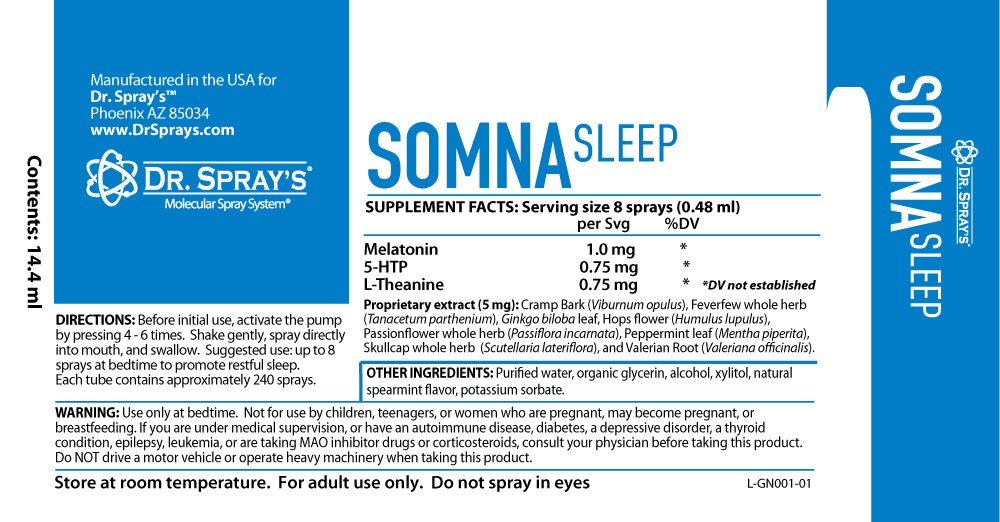
Melatonin supplementation in young children should only occur under direct pediatrician supervision. Before considering melatonin, address behavioral and nutritional factors that may affect natural melatonin production, such as vitamin D levels, bedtime routines, and light exposure. Your doctor can help determine if supplementation is appropriate.
How much vitamin D does my 1-year-old need?
The American Academy of Pediatrics recommends 400-600 IU of vitamin D daily for children over one year old, though some children may require more depending on their sun exposure, diet, and individual factors. Your pediatrician can assess your child's specific needs through testing if deficiency is suspected.
What if my toddler refuses to take vitamins?
Spray vitamins offer advantages for reluctant children since they require no swallowing and can be quickly administered with minimal resistance. The brief spray into the cheek takes seconds and bypasses many struggles associated with liquid vitamins or chewables. Choose formulations with pleasant taste profiles to increase acceptance.
About the Author
This article was developed by the research and content team at DrSprays, a Phoenix, Arizona-based company specializing in doctor-developed oral spray vitamins. Our team consults with pediatric health experts and stays current with nutritional research to provide families with evidence-based information about children's health and wellness. All DrSprays products are manufactured in FDA-registered, GMP-certified facilities to ensure the highest quality standards.
Take the Next Step Toward Better Sleep
If you suspect nutritional gaps may be affecting your toddler's sleep quality, consider exploring modern supplementation solutions that make daily nutrition simple and effective. DrSprays offers a range of doctor-developed oral spray vitamins with approximately 90% absorption rates, manufactured right here in Phoenix, Arizona.
Our Vitamin D3 spray and other formulations provide convenient, safe support for your family's nutritional needs. Each product undergoes rigorous quality testing in our FDA-registered, GMP-certified facility to ensure purity and potency.
Visit DrSprays.com to learn more about how advanced spray vitamin technology can support your family's wellness journey. Better sleep for your little one may be just a spray away.