Sleep challenges with three-year-olds are among the most common concerns parents face. At this developmental stage, children experience significant physical, cognitive, and emotional changes that can disrupt established sleep patterns. Understanding the underlying causes and implementing evidence-based strategies can help restore healthy sleep habits for both your child and your entire family.
This comprehensive guide explores proven techniques to help your three-year-old develop consistent, restorative sleep patterns while addressing the nutritional factors that may be affecting their rest.
Understanding Sleep Needs for Three-Year-Olds
According to pediatric sleep experts, three-year-olds typically require between 10-13 hours of total sleep within a 24-hour period. This usually includes 10-12 hours of nighttime sleep and a 1-2 hour afternoon nap, though some children this age are transitioning away from napping entirely.
Sleep needs vary by individual child, but consistent insufficient sleep can lead to behavioral issues, difficulty concentrating, weakened immune function, and developmental delays. Recognizing your child's specific sleep requirements is the foundation for creating an effective sleep routine.
Signs Your Three-Year-Old Isn't Getting Enough Sleep
- Excessive crankiness or emotional outbursts, especially in late afternoon
- Difficulty waking in the morning despite adequate time in bed
- Hyperactivity or difficulty focusing on age-appropriate activities
- Falling asleep during car rides or other non-sleep times
- Increased clumsiness or accidents
- Resistance to bedtime accompanied by clear exhaustion
Common Reasons Three-Year-Olds Struggle With Sleep
Several factors contribute to sleep difficulties at this age. Understanding the root causes helps parents address issues more effectively rather than simply treating symptoms.
Developmental and Behavioral Factors
Growing independence: Three-year-olds are asserting autonomy and may resist bedtime simply because they're being told what to do. This developmental milestone is healthy but can create bedtime battles.
Active imagination: At this age, children's imaginations flourish, sometimes manifesting as nighttime fears of monsters, darkness, or separation from parents. These fears feel very real to young children and can significantly impact their willingness to sleep.
Nap transitions: Many three-year-olds are outgrowing their need for daytime naps. This transition period can temporarily disrupt nighttime sleep as their bodies adjust to new sleep patterns.
Environmental and Routine Disruptions
Inconsistent bedtime routines, overstimulation before bed, uncomfortable sleep environments, and changes in family circumstances all contribute to poor sleep. Three-year-olds thrive on predictability, and disruptions to their expected patterns can manifest as sleep resistance.
Nutritional Deficiencies Affecting Sleep
Often overlooked, nutritional factors play a crucial role in sleep quality. Specific vitamin and mineral deficiencies can directly impact your child's ability to fall asleep and stay asleep throughout the night.
Vitamin D deficiency: Research indicates that insufficient vitamin D levels correlate with sleep disorders in children. Vitamin D receptors in the brain regulate sleep-wake cycles, and deficiency can lead to difficulty falling asleep and frequent night wakings.
B vitamin deficiencies: B vitamins, particularly B6 and B12, play essential roles in producing serotonin and melatonin—neurotransmitters that regulate sleep patterns. Children with inadequate B vitamin intake may experience sleep disturbances.
Magnesium insufficiency: This mineral helps calm the nervous system and prepare the body for rest. Many children don't consume adequate magnesium through diet alone, potentially affecting their ability to transition into sleep mode.
Establishing an Effective Bedtime Routine
Consistency is paramount when helping three-year-olds develop healthy sleep habits. A predictable bedtime routine signals to your child's body that sleep time is approaching, making the transition easier.
The Ideal Bedtime Routine Timeline
60 minutes before bed: Begin winding down activities. Turn off screens, dim lights, and transition to quiet play or reading. This is an ideal time to prepare a light snack if your child is hungry.
45 minutes before bed: Start the bath or hygiene routine. Warm baths can be particularly helpful as the subsequent drop in body temperature signals the body to produce melatonin.
30 minutes before bed: Change into pajamas, brush teeth, and use the bathroom. Complete any necessary preparations for the next day to reduce morning stress.
15 minutes before bed: Settle into the bedroom for quiet connection time. Read books, tell stories, sing lullabies, or practice gentle breathing exercises together.
Lights out: Keep the goodbye brief but warm. Extended negotiations at this point undermine the routine you've established.
Creating the Optimal Sleep Environment
The physical sleep environment significantly impacts sleep quality. Make your three-year-old's bedroom a sleep sanctuary:
- Temperature: Keep the room between 65-70°F (18-21°C) for optimal sleep
- Darkness: Use blackout curtains or shades, with a dim nightlight if your child fears complete darkness
- Noise control: Consider white noise machines to mask household sounds that might wake your child
- Comfortable bedding: Ensure sheets, blankets, and sleepwear are comfortable and appropriate for the season
- Safety: Remove potential hazards and ensure the room feels secure to your child
Addressing Common Sleep Challenges
Bedtime Resistance and Power Struggles
When your three-year-old fights bedtime, approach the situation with empathy while maintaining firm boundaries. Offer limited choices within your routine—for example, "Would you like to read two books or three books tonight?"—giving them a sense of control without negotiating the actual bedtime.
Avoid engaging in lengthy discussions once the routine is complete. Keep your responses brief, calm, and consistent: "It's sleeping time now. I love you. Goodnight." Return your child to bed without extensive conversation if they emerge from their room.
Night Wakings and Fears
If your child wakes during the night, respond calmly but avoid creating elaborate rituals that might become new sleep associations. Acknowledge their feelings without reinforcing fears: "I know you heard a noise, but you're safe. Everything is okay."
For persistent fears, address them during the day when your child isn't anxious. Read books about bedtime, practice coping strategies, and validate their emotions while providing reassurance.
The Nap Dilemma
Some three-year-olds still need naps while others have outgrown them. If your child fights bedtime after napping, consider gradually reducing nap length or implementing "quiet time" instead—a period in their room with books or quiet toys without the expectation of sleep.
If eliminating naps entirely, temporarily move bedtime earlier to compensate for lost daytime sleep while your child adjusts.
The Role of Nutrition in Children's Sleep
What your child consumes throughout the day—and particularly before bed—significantly impacts sleep quality. Beyond avoiding obvious stimulants like sugar and caffeine near bedtime, consider the nutritional building blocks that support healthy sleep patterns.
Key Nutrients for Better Sleep
Vitamin D3: Often called the "sunshine vitamin," vitamin D3 plays a crucial role in regulating circadian rhythms. Children who spend limited time outdoors or live in areas with less sunlight exposure—such as northern climates during winter months—may have insufficient vitamin D levels. Research published in the Journal of Clinical Sleep Medicine found significant correlations between vitamin D deficiency and sleep disorders in children.
Traditional supplementation methods can be challenging with young children who resist swallowing pills or dislike the taste of liquid supplements. Vitamin D3 spray offers an effective alternative, delivering nutrients through the oral mucosa for enhanced absorption without the struggle of traditional supplements.
B Complex Vitamins: The B vitamin family, particularly B6 and B12, supports the production of neurotransmitters essential for sleep regulation. Vitamin B12 specifically helps regulate melatonin production and supports healthy circadian rhythm function.
Many children, especially those with limited or selective diets, may not obtain adequate B vitamins from food alone. A vitamin B12 spray can help fill nutritional gaps in a format that's easy for parents to administer and for children to accept.
Magnesium: This essential mineral promotes relaxation by regulating neurotransmitters that calm the nervous system and quiet the mind. Magnesium deficiency is increasingly common in children due to dietary patterns and reduced nutrient density in modern foods.
Why Spray Supplements Work Better for Children
Parents in Phoenix, Arizona and throughout the country are discovering the advantages of oral spray vitamins for their children. Traditional pills and capsules present obvious challenges for three-year-olds, while liquid supplements often have unpalatable tastes that children resist.
Spray supplements offer several distinct advantages:
- Superior absorption: Nutrients delivered through the oral mucosa bypass the digestive system, potentially achieving absorption rates up to 90% compared to 10-20% for traditional pills
- Easy administration: A simple spray in the mouth eliminates battles over swallowing pills or forcing down unpleasant liquids
- Precise dosing: Each spray delivers a measured amount, ensuring consistent supplementation
- Pleasant experience: Many children find the spray format easier to accept, making consistent supplementation more achievable
The multi-vitamin spray approach provides comprehensive nutritional support in a single, convenient format—particularly valuable for parents managing the challenges of a three-year-old's sleep schedule.
Sleep-Specific Nutritional Support
For children experiencing persistent sleep challenges, targeted nutritional support designed specifically for sleep can complement behavioral strategies. Natural sleep-supporting compounds like melatonin (in appropriate doses for children), magnesium, and calming botanicals work together to promote relaxation and healthy sleep patterns.
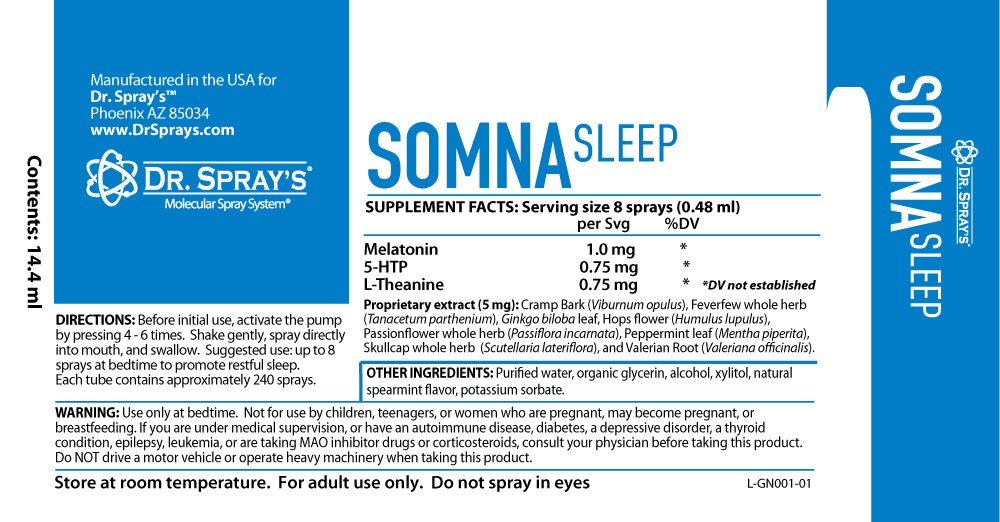
The Somna sleep spray combines these elements in a format specifically designed for ease of use. While always consult your pediatrician before introducing sleep supplements, many parents find that addressing nutritional factors alongside behavioral strategies produces the best results.
When to Consult a Healthcare Professional
While most sleep challenges in three-year-olds respond to consistent routines and behavioral strategies, certain signs warrant professional evaluation:
- Loud snoring, breathing pauses, or gasping during sleep (potential sleep apnea indicators)
- Excessive daytime sleepiness despite adequate time in bed
- Sleep resistance continuing beyond several weeks of consistent intervention
- Nightmares or night terrors occurring multiple times weekly
- Physical symptoms like frequent headaches, stomachaches, or unexplained pain affecting sleep
- Significant behavioral changes or developmental regression accompanying sleep issues
Your pediatrician can evaluate for underlying medical conditions, sleep disorders, or other factors contributing to sleep difficulties. They may recommend sleep studies or referral to pediatric sleep specialists for complex cases.
Long-Term Strategies for Healthy Sleep Habits
Establishing healthy sleep patterns at age three creates a foundation that benefits your child throughout childhood and into adulthood. Beyond immediate strategies, consider these long-term approaches:
Consistency Across Settings
Coordinate with caregivers, preschool teachers, and family members to maintain consistent sleep expectations and routines across different environments. While some flexibility is necessary, core elements like approximate bedtimes and nap schedules should remain as consistent as possible.
Model Healthy Sleep Behaviors
Children learn by observation. Demonstrate your own healthy sleep habits, talk positively about sleep and rest, and avoid using bedtime as punishment or sleep as something to be feared.
Adapt as Your Child Grows
Sleep needs and patterns evolve as children develop. Remain attentive to signs that your child has outgrown certain routines or needs adjustments to their sleep schedule. What works at three may need modification at four or five.
Address Health Proactively
Regular pediatric check-ups provide opportunities to discuss sleep patterns and address potential nutritional deficiencies before they significantly impact sleep. Maintaining adequate levels of essential nutrients through balanced diet and supplementation when necessary supports overall health and quality sleep.
Developed in Phoenix, Arizona, vitamin spray products from DrSprays provide convenient nutritional support that fits into busy family routines. The FDA-registered, GMP-certified facility ensures quality and consistency in every product, giving parents confidence in their children's supplementation.
Creating a Family Sleep Culture
Your three-year-old's sleep doesn't exist in isolation—it's part of your entire family's rest patterns and routines. When one family member struggles with sleep, everyone feels the impact. Creating a family culture that prioritizes and values sleep benefits all members.
Establish household "quiet hours" in the evening when activities naturally wind down. Reduce screen time for all family members in the hours before bed. Create predictable routines that signal the day's end. These collective practices reinforce your three-year-old's individual sleep routine and create an environment conducive to quality rest.
Frequently Asked Questions
How long does it take to establish new sleep habits for a three-year-old?
Most children respond to consistent sleep interventions within two to four weeks. However, the timeline varies depending on the severity of existing sleep issues, your child's temperament, and how consistently you implement strategies. The first week is typically the most challenging as your child adjusts to new expectations. Persistence through this initial period is essential—inconsistency during this phase often extends the adjustment period significantly.
Should I let my three-year-old cry it out?
The "cry it out" method is generally designed for younger infants, not three-year-olds who have developed language skills and complex emotional needs. At this age, better approaches include gradual withdrawal techniques where you slowly reduce your presence in the room over several nights, or the "excuse me" method where you briefly step out of the room for increasing intervals while reassuring your child you'll return. These methods teach independent sleep while respecting your child's developmental stage and emotional needs.
Can vitamin deficiencies really cause sleep problems in young children?
Yes, research increasingly demonstrates connections between specific nutritional deficiencies and sleep disturbances in children. Vitamin D deficiency has been linked to reduced sleep quality and duration in multiple studies. B vitamins play direct roles in neurotransmitter production that regulates sleep-wake cycles. While nutritional factors alone rarely cause sleep problems, addressing deficiencies often improves sleep quality when combined with appropriate behavioral strategies. Always consult your pediatrician before starting supplements, and consider testing to identify specific deficiencies rather than supplementing randomly.
Is it normal for my three-year-old to wake up at night?
Brief awakenings between sleep cycles are normal for people of all ages, including three-year-olds. The key difference is that many children this age haven't yet learned to self-soothe back to sleep without parental assistance. If your child wakes briefly but settles back to sleep independently, this is developmentally normal. However, if they consistently require intervention to return to sleep or wake fully multiple times nightly, this suggests they haven't developed independent sleep skills or another factor may be disrupting their rest.
What should I do if my child gets out of bed repeatedly?
Consistency is critical when addressing repeated curtain calls. Walk your child back to bed calmly and quietly without engaging in conversation, providing drinks, additional stories, or other requested items. Keep the interaction brief and boring. If this pattern continues despite consistency, consider whether there's an underlying issue like fear, discomfort, or a physical need that requires addressing during the daytime rather than at bedtime.
Are spray vitamins safe for three-year-olds?
When properly formulated for children and used according to dosing instructions, spray supplements are safe and offer advantages over traditional supplementation methods. The oral spray vitamin format typically provides superior absorption because nutrients enter the bloodstream through the oral mucosa rather than passing through the digestive system where many nutrients are broken down or poorly absorbed. Always choose supplements manufactured in FDA-registered facilities with appropriate quality certifications, and consult your pediatrician regarding appropriate types and dosages for your specific child.
How do I know if my child needs vitamin supplementation?
Signs that may indicate nutritional deficiencies include persistent fatigue despite adequate sleep, frequent illness, pale skin, delayed development, behavioral issues, and of course, sleep disturbances. However, these symptoms have many potential causes. Your pediatrician can order blood tests to identify specific deficiencies rather than supplementing blindly. Children with limited or selective diets, chronic health conditions, or certain dietary restrictions (such as vegetarian or vegan diets) face higher risk for nutritional gaps that may benefit from supplementation.
What time should a three-year-old go to bed?
Most three-year-olds do well with a bedtime between 7:00 and 8:30 PM, depending on their wake time and whether they still nap. The goal is ensuring they get 10-12 hours of nighttime sleep. A child who wakes at 6:30 AM should ideally be asleep by 7:30 or 8:00 PM. Watch your child's behavior cues—if they're melting down before bedtime, it may be too late; if they're taking over an hour to fall asleep consistently, it may be too early.
Taking Action: Your Next Steps
Improving your three-year-old's sleep requires patience, consistency, and a comprehensive approach addressing behavioral, environmental, and nutritional factors. Begin by implementing a consistent bedtime routine and optimizing the sleep environment. Track your child's sleep patterns to identify specific issues and measure progress.
Consider nutritional factors that may be impacting sleep quality. Many parents find that addressing vitamin deficiencies—particularly vitamin D and B vitamins—produces noticeable improvements in their children's sleep patterns. The convenience and effectiveness of spray supplements make consistent supplementation realistic even for busy families managing young children.
Remember that every child is unique. What works perfectly for one three-year-old may require modification for another. Stay flexible, remain consistent with core principles, and adjust specific strategies based on your child's responses.
Quality sleep profoundly impacts your three-year-old's physical health, emotional regulation, cognitive development, and behavior. The effort you invest now in establishing healthy sleep patterns provides benefits that extend far beyond these early years, setting your child up for a lifetime of restorative rest.
Support Your Child's Sleep With Better Nutrition
If you're addressing sleep challenges with your three-year-old, nutritional support may be the missing piece of your strategy. DrSprays offers doctor-developed vitamin and supplement sprays with up to 90% absorption rate—far superior to traditional pills and liquids.
Our Phoenix, Arizona-based, FDA-registered and GMP-certified facility produces high-quality spray supplements that make consistent nutrition easy for families:
- Vitamin D3 Spray - Support healthy sleep-wake cycles and immune function
- Vitamin B12 Spray - Promote neurotransmitter production for better sleep regulation
- Multi-Vitamin Spray - Comprehensive nutritional support in one convenient formula
- Somna Sleep Spray - Natural sleep support specifically formulated to promote relaxation and rest
Explore Our Complete Product Line
All DrSprays products are developed by healthcare professionals and manufactured to the highest quality standards. Give your family the nutritional foundation that supports healthy sleep and overall wellness.