Parents of one-year-olds often find themselves exhausted and searching for solutions to help their little ones sleep through the night. At this developmental stage, toddlers experience significant physical and cognitive changes that can disrupt previously established sleep patterns. Understanding the factors that influence sleep at this age—including nutrition, routine, and environment—can help you create conditions that promote restful nights for both your child and your family.
Proper nutrition plays a crucial role in supporting healthy sleep patterns in young children. While establishing bedtime routines and sleep-friendly environments are essential, ensuring your one-year-old receives adequate vitamins and minerals throughout the day can make a significant difference in their ability to settle down at night.
Understanding Sleep Needs at One Year Old
One-year-olds typically need between 11 to 14 hours of sleep in a 24-hour period, including naps. Most toddlers at this age require one to two daytime naps in addition to nighttime sleep. However, every child is unique, and individual sleep requirements can vary based on activity levels, growth spurts, and developmental milestones.
At this age, children are developing rapidly—learning to walk, expanding their vocabulary, and processing new experiences daily. These cognitive and physical developments can sometimes interfere with sleep as their brains remain active even at bedtime. Additionally, separation anxiety often peaks around this age, making bedtime more challenging for many families.
Common Sleep Challenges at This Age
Parents frequently report several sleep-related issues with one-year-olds:
- Difficulty falling asleep independently
- Frequent night wakings
- Early morning wake-ups
- Resistance to bedtime routines
- Sleep regression periods
- Transitioning from two naps to one nap
Addressing these challenges requires a multifaceted approach that considers both behavioral strategies and nutritional support.
The Connection Between Nutrition and Sleep Quality
What your child eats throughout the day significantly impacts their ability to sleep well at night. Several key vitamins and minerals play essential roles in regulating sleep cycles and promoting restful sleep.
Vitamin D and Sleep Regulation
Research has shown that vitamin D deficiency is associated with sleep problems in children. This essential nutrient helps regulate circadian rhythms and influences the production of sleep-regulating hormones. Many young children, especially those with limited sun exposure or darker skin tones, may not receive adequate vitamin D from diet and sunlight alone.
Traditional vitamin D supplements can be challenging to administer to resistant toddlers, but modern delivery methods like vitamin D3 spray offer a more convenient alternative. Oral spray vitamins bypass the digestive system for faster absorption, making them particularly effective for young children who may have developing digestive systems.
B Vitamins and Sleep Cycles
B vitamins, particularly B6 and B12, play crucial roles in producing neurotransmitters that regulate sleep-wake cycles. Vitamin B6 helps convert tryptophan to serotonin, which the body then uses to produce melatonin—the primary sleep hormone. A vitamin B12 spray can support healthy nervous system function and energy regulation throughout the day, which may help establish more consistent sleep patterns.
Unlike traditional pills or gummy vitamins, spray supplements offer up to 90% absorption rate by delivering nutrients directly through the oral mucosa. This enhanced bioavailability means your child receives more of the beneficial nutrients needed to support healthy sleep.
Magnesium's Calming Effects
Magnesium acts as a natural relaxant by regulating neurotransmitters and supporting the parasympathetic nervous system. While not all vitamin spray products contain magnesium, ensuring adequate intake through diet or supplementation can help calm an overactive nervous system before bedtime.
Establishing a Consistent Bedtime Routine
Consistency is perhaps the most important factor in helping one-year-olds develop healthy sleep habits. Children thrive on predictability, and a regular bedtime routine signals to their bodies that sleep time is approaching.
Creating an Effective Bedtime Sequence
An ideal bedtime routine for a one-year-old should last 20-30 minutes and include calming activities in the same order each night:
- Bath time: A warm bath can help lower body temperature afterward, which promotes sleepiness
- Nutritional support: If your pediatrician recommends vitamin supplementation, incorporating oral spray vitamins into your evening routine can be simple and stress-free
- Quiet play: Choose calm activities like reading books or gentle singing
- Pajamas and diaper change: Keep the environment calm and dimly lit
- Final feeding: Offer a bedtime feeding if appropriate for your child's age and schedule
- Transition to bed: Place your child in their crib while drowsy but still awake
The goal is to help your child learn to fall asleep independently rather than relying on feeding, rocking, or parental presence to drift off.
Optimal Timing for Bedtime
Most one-year-olds do best with a bedtime between 6:00 and 8:00 PM. Watch for sleep cues such as eye rubbing, decreased activity, or fussiness, and aim to begin your bedtime routine about 30 minutes before these signs typically appear. An overtired toddler often has more difficulty falling asleep and staying asleep.
Optimizing the Sleep Environment
The physical sleep environment significantly influences sleep quality. Creating a space that promotes relaxation and signals "sleep time" can make a substantial difference.
Temperature and Lighting
Keep your child's room cool (between 68-72°F) and completely dark. Use blackout curtains to block external light, as even small amounts of light can suppress melatonin production. Consider using a dim red nightlight if your child requires some illumination, as red wavelengths have minimal impact on circadian rhythms.
Sound Management
White noise machines can help mask household sounds and create a consistent audio environment throughout the night. The consistent sound can also provide comfort and help your child transition between sleep cycles without fully waking.
Safe Sleep Practices
Continue following safe sleep guidelines at this age: place your child on their back in a crib with a firm mattress and fitted sheet. Remove pillows, blankets, stuffed animals, and bumper pads to reduce suffocation risks. If your child stands up in the crib, lower the mattress to the lowest setting.
Managing Daytime Factors That Affect Nighttime Sleep
What happens during waking hours directly impacts nighttime sleep quality. Paying attention to daytime routines can solve many bedtime struggles.
Nap Schedule Optimization
Most one-year-olds transition from two naps to one nap sometime between 12 and 18 months. During this transition period, you might alternate between one-nap and two-nap days based on your child's tiredness. Once your child consistently takes one nap, schedule it for early afternoon (typically around 12:00-1:00 PM) to avoid interference with nighttime sleep.
Ensure the nap isn't too long (generally no more than 2-3 hours) or too late in the day, as this can make falling asleep at bedtime more difficult.
Physical Activity and Sunlight Exposure
Encourage plenty of physical activity during the day to build sleep pressure. Active play, exploring new environments, and practicing emerging motor skills all contribute to tiredness at bedtime. Additionally, exposure to natural sunlight during morning and daytime hours helps regulate circadian rhythms and supports vitamin D production.
For families in sunny climates like Phoenix, Arizona, morning outdoor time provides dual benefits—physical activity and natural vitamin D synthesis. However, many children still benefit from vitamin D supplementation, especially during hot summer months when outdoor time may be limited to avoid extreme heat.
Consistent Meal Times
Regular meal and snack times help regulate your child's internal clock. Ensure your one-year-old receives adequate nutrition throughout the day so hunger doesn't disrupt nighttime sleep. Include nutrient-dense foods that support sleep, such as those containing tryptophan (turkey, chicken, eggs), complex carbohydrates (whole grains, sweet potatoes), and healthy fats.
The Role of Modern Vitamin Delivery Systems
Traditional methods of vitamin supplementation often present challenges for parents of young children. Pills are choking hazards, liquids can be messy and may cause digestive upset, and gummy vitamins contain added sugars that can be problematic before bedtime.
Spray supplements represent an innovative solution that addresses many of these concerns. Developed by healthcare professionals and manufactured in FDA-registered, GMP-certified facilities, these products deliver nutrients through the oral mucosa for rapid absorption. The spray format is easy to administer even to resistant toddlers, and the enhanced bioavailability means smaller doses can be effective.
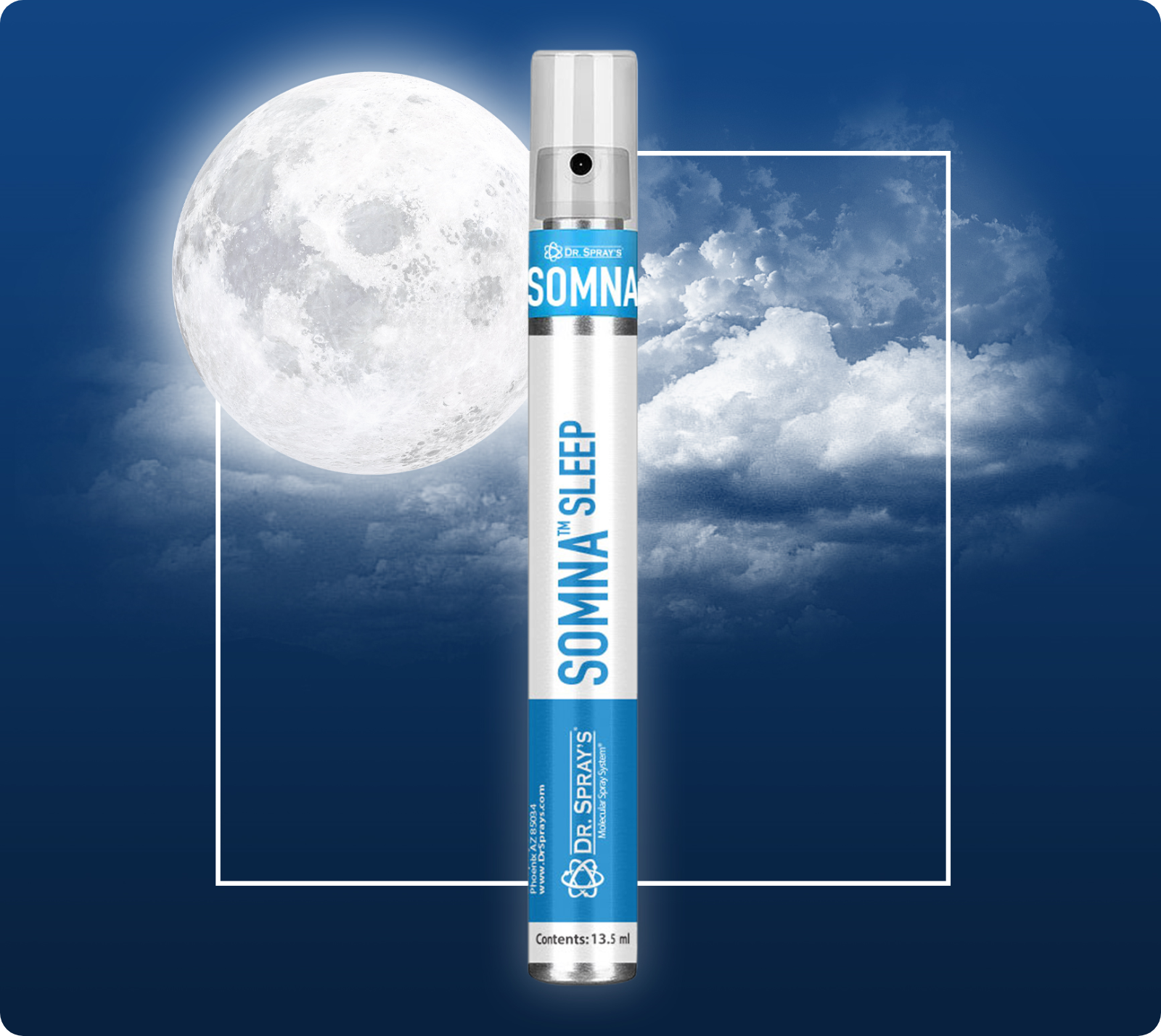
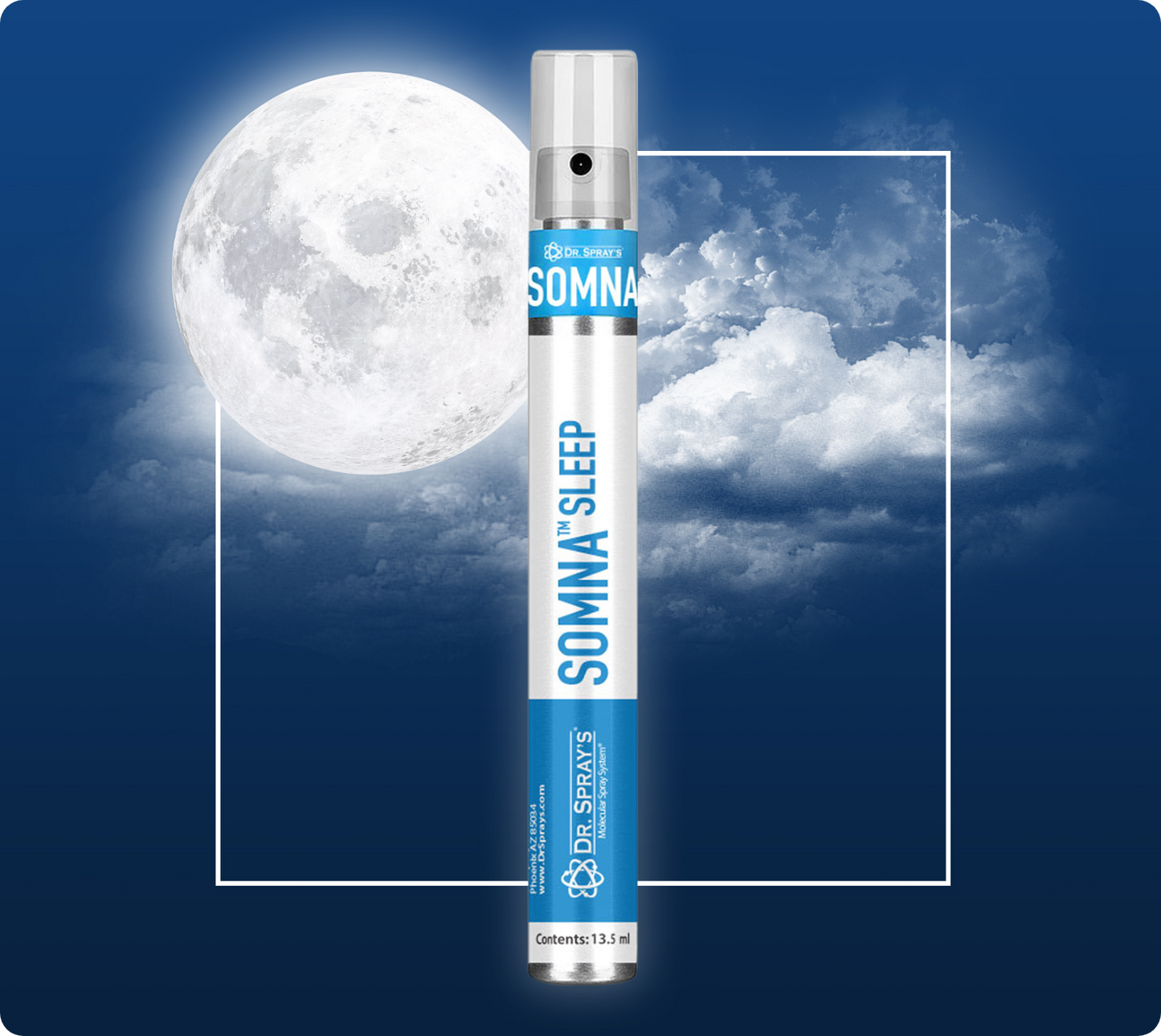
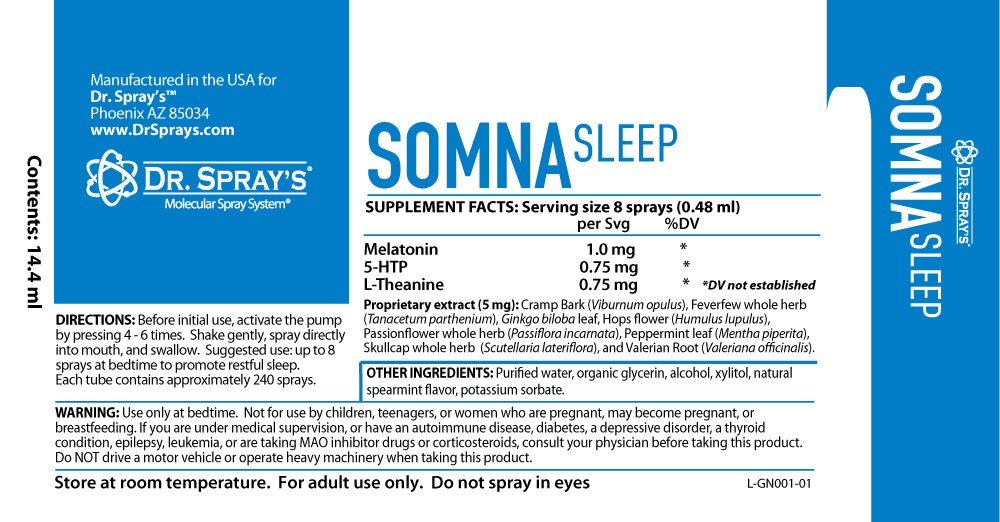
For parents struggling with bedtime routines, incorporating a sleep support spray formulated with natural ingredients may provide the additional support needed to help children settle down more easily. Products designed specifically for sleep typically contain ingredients like melatonin, L-theanine, and calming botanicals in age-appropriate formulations.
When selecting any supplement for your child, look for products manufactured in the United States under strict quality standards. Companies based in Phoenix, Arizona, and other locations with stringent manufacturing oversight typically offer greater transparency about ingredient sourcing and testing protocols.
Addressing Common Sleep Disruptions
Even with optimal routines and environments, sleep disruptions occur. Understanding how to respond appropriately helps minimize the impact on your child's sleep patterns.
Night Wakings
When your one-year-old wakes during the night, wait a few moments before responding to see if they can self-soothe back to sleep. If intervention is needed, keep interactions brief, boring, and dimly lit. Avoid stimulating play or extended conversation. Check that basic needs are met (dry diaper, comfortable temperature), provide brief reassurance, and return your child to bed.
Illness and Teething
During illness or teething, sleep often becomes more disrupted. While it's appropriate to provide extra comfort during these times, try to maintain your core bedtime routine as much as possible. Consult your pediatrician about appropriate pain management for teething discomfort.
Supporting your child's immune system with adequate vitamin C and zinc may help reduce illness frequency. A vitamin C and zinc spray provides these immune-supporting nutrients in an easily absorbed format.
Sleep Regressions
Sleep regressions—temporary periods when previously good sleepers begin waking frequently—commonly occur around 12 months as children master new developmental skills. These typically last 2-4 weeks. Maintain consistent routines during regressions, and avoid introducing new sleep associations that may be difficult to break later.
When to Seek Professional Help
While many sleep challenges resolve with consistent routines and time, certain situations warrant professional evaluation. Consult your pediatrician if your one-year-old:
- Snores loudly or has pauses in breathing during sleep
- Shows extreme difficulty breathing while sleeping
- Has excessive daytime sleepiness despite adequate nighttime sleep opportunities
- Demonstrates unusual movements or behaviors during sleep
- Has sleep problems persisting despite consistent intervention
- Shows signs of nutritional deficiencies that might impact sleep
Your pediatrician can evaluate whether underlying medical conditions, such as sleep apnea, reflux, or nutritional deficiencies, might be contributing to sleep problems. They can also provide guidance on whether vitamin supplementation would be beneficial for your child's specific situation.
Supporting Overall Health Through Better Sleep
Quality sleep is foundational to your one-year-old's growth, development, and emotional regulation. Children who sleep well typically have stronger immune systems, better attention spans, improved mood regulation, and enhanced learning capabilities.
The relationship between nutrition and sleep is bidirectional—poor sleep can interfere with nutrient absorption and appetite, while nutritional deficiencies can disrupt sleep quality. Taking a holistic approach that addresses both behavioral sleep strategies and nutritional support provides the best foundation for healthy sleep patterns.
Modern advancements in supplement delivery, such as oral spray vitamins, make it easier than ever to ensure your child receives essential nutrients that support healthy sleep cycles. These products offer convenience without sacrificing quality or effectiveness, helping busy parents provide optimal nutrition even during challenging developmental phases.
Creating Long-Term Healthy Sleep Habits
The sleep habits you establish during your child's first year set the foundation for years to come. While it may feel exhausting to maintain consistency during difficult periods, the investment pays dividends in the form of better sleep for the entire family.
Remember that sleep needs and patterns change as children develop. What works at 12 months may need adjustment by 18 months. Stay flexible and willing to modify your approach as your child grows, but maintain the core principles of consistency, appropriate environment, and nutritional support.
As your child transitions from infancy to toddlerhood, continue prioritizing sleep as an essential component of health. Ensure adequate vitamin D exposure or supplementation, maintain consistent routines, create optimal sleep environments, and respond to sleep challenges with patience and evidence-based strategies.
Frequently Asked Questions
How many hours should a one-year-old sleep per day?
Most one-year-olds need 11-14 hours of total sleep in a 24-hour period, typically consisting of 10-12 hours at night plus 1-3 hours of daytime napping. Individual needs vary based on activity level and developmental stage. Signs your child is getting adequate sleep include waking naturally without excessive fussiness, maintaining generally good mood during the day, and showing age-appropriate energy levels.
Can vitamin deficiencies cause sleep problems in toddlers?
Yes, deficiencies in certain vitamins and minerals can significantly impact sleep quality. Vitamin D deficiency has been linked to sleep disturbances in children, while inadequate B vitamins can affect the production of sleep-regulating neurotransmitters. Iron deficiency may cause restless leg syndrome, which disrupts sleep. If you suspect nutritional deficiencies might be affecting your child's sleep, consult your pediatrician about appropriate testing and supplementation. Modern delivery methods like vitamin spray products can make supplementation easier for young children.
Are spray vitamins safe for one-year-olds?
Spray supplements designed specifically for children and manufactured in FDA-registered, GMP-certified facilities are generally safe when used as directed. Always consult your pediatrician before starting any supplement regimen. Oral spray vitamins offer advantages over traditional pills (choking hazard) and some liquid formulations (digestive upset), with enhanced absorption rates of up to 90%. Look for products developed by healthcare professionals and manufactured under strict quality standards, such as those produced in regulated facilities in Phoenix, Arizona, and other locations with stringent oversight.
What is the best bedtime for a one-year-old?
Most one-year-olds thrive with a bedtime between 6:00 and 8:00 PM, with 7:00 PM being ideal for many children. The optimal bedtime depends on when your child wakes in the morning and their nap schedule. A child who wakes at 6:00 AM and takes an afternoon nap might do best with a 7:00 PM bedtime. Watch for natural sleep cues like eye rubbing or decreased activity, and aim for bedtime before your child becomes overtired, which can actually make falling asleep more difficult.
How long should a bedtime routine take?
An effective bedtime routine for a one-year-old should last 20-30 minutes. This provides enough time for calming activities without being so long that your child gets a "second wind." The routine should include consistent elements performed in the same order each night, such as bath time, pajamas, a final feeding if appropriate, and quiet activities like reading. If you incorporate vitamin supplementation as recommended by your pediatrician, oral spray vitamins can be easily added to the routine without extending the timeframe.
Should I let my one-year-old cry it out?
Sleep training approaches are personal decisions that should align with your family's values and your pediatrician's recommendations. Various methods exist, from graduated extinction (controlled crying) to gentler approaches involving parental presence. The most important factors are consistency, ensuring your child's basic needs are met, and creating conditions that allow your child to learn self-soothing skills. No single approach works for every family, and the "best" method is one you can implement consistently while maintaining your child's emotional security.
How does vitamin D3 spray differ from drops or pills?
Vitamin D3 spray delivers nutrients through the oral mucosa (the lining of the mouth) rather than requiring digestion. This method offers several advantages: faster absorption (within 2-3 minutes), higher bioavailability (up to 90% compared to 10-20% for some pill forms), easier administration for resistant toddlers, and no risk of choking. Spray supplements manufactured in quality-controlled facilities provide consistent dosing with each spray, unlike drops which can be difficult to measure accurately. The convenience factor also improves compliance, as parents find it easier to maintain daily supplementation routines.
Can supplements replace a healthy diet for sleep support?
No, supplements should complement, not replace, a nutritious diet. Whole foods provide a complex matrix of nutrients, fiber, and beneficial compounds that work synergistically to support health. However, even children eating balanced diets may have difficulty obtaining optimal levels of certain nutrients like vitamin D, especially in areas with limited sunlight or during seasons with reduced outdoor activity. Spray supplements can help fill nutritional gaps identified by your pediatrician while you continue prioritizing whole foods as the foundation of your child's nutrition.
About the Author
This article was developed by the nutrition education team at DrSprays, a Phoenix, Arizona-based company specializing in doctor-developed oral vitamin sprays. Our products are manufactured in an FDA-registered, GMP-certified facility and designed to provide optimal nutrient absorption through innovative spray delivery technology. While we provide educational content about nutrition and wellness, always consult your pediatrician or healthcare provider for personalized medical advice regarding your child's sleep and nutritional needs.
Support Your Child's Sleep with Quality Nutrition
Establishing healthy sleep patterns for your one-year-old requires attention to multiple factors, including consistent routines, optimal environments, and proper nutrition. While behavioral strategies form the foundation of good sleep habits, ensuring your child receives essential vitamins and minerals can provide additional support for restful nights.
DrSprays offers a range of oral spray vitamins designed for enhanced absorption and convenient administration. Our products are developed by healthcare professionals and manufactured in our FDA-registered, GMP-certified facility in Phoenix, Arizona, ensuring the highest quality standards. From vitamin D3 to support circadian rhythm regulation to B12 spray for nervous system health, our product line addresses key nutritional needs that support overall wellness.
Explore our complete selection of spray supplements to find solutions that fit your family's needs. With fast absorption, convenient delivery, and doctor-developed formulations, DrSprays makes optimal nutrition simple—even during the challenging toddler years.