Getting a one-year-old to sleep through the night is one of the most common challenges parents face. While sleep training methods and bedtime routines play crucial roles, many parents overlook an essential factor: nutritional deficiencies that can disrupt sleep patterns. Understanding the connection between nutrition and sleep quality can help you address the root causes of nighttime waking and establish healthier sleep habits for your toddler.
Understanding One-Year-Old Sleep Patterns
At twelve months, children typically need 12-14 hours of sleep per day, including nighttime sleep and one or two naps. However, the reality for many families looks quite different. Frequent night wakings, difficulty falling asleep, and early morning wake-ups are common concerns that can leave the entire household exhausted.
Before addressing nutritional factors, it's important to recognize that some sleep disruptions are developmentally normal. Your one-year-old is experiencing significant cognitive and physical growth, learning new skills like walking and talking, and developing greater awareness of separation from parents. These milestones can temporarily disrupt sleep patterns.
When Sleep Disruptions Signal Deeper Issues
While occasional night wakings are normal, persistent sleep problems may indicate underlying issues. Red flags include consistent difficulty falling asleep despite obvious tiredness, frequent night terrors, excessive daytime irritability, or complete resistance to bedtime routines. These patterns often point to factors beyond simple behavioral issues, including potential nutritional deficiencies that affect sleep regulation.
The Nutritional Foundation of Quality Sleep
Sleep is a complex biological process influenced by multiple systems in the body, many of which depend on adequate nutrition. Certain vitamins and minerals play critical roles in producing sleep-regulating hormones, maintaining nervous system function, and supporting the circadian rhythm that governs sleep-wake cycles.
Key Nutrients That Support Sleep
Several essential nutrients directly impact your child's ability to fall asleep and stay asleep throughout the night. Understanding these connections can help you identify potential gaps in your toddler's nutrition.
Vitamin D3 plays a surprising role in sleep regulation. This vitamin influences the production of melatonin, the hormone that signals to the body when it's time to sleep. Research has shown that vitamin D deficiency correlates with sleep disturbances in children, including difficulty falling asleep and frequent night wakings. Many children, especially those with limited sun exposure or darker skin tones, don't produce sufficient vitamin D3 naturally.
Vitamin B12 supports healthy nervous system function and helps regulate the body's internal clock. This vitamin is crucial for producing neurotransmitters that influence mood and sleep patterns. B12 deficiency can lead to restlessness, irritability, and disrupted sleep cycles. While B12 is found primarily in animal products, absorption can be challenging even when dietary intake seems adequate.
Magnesium acts as a natural relaxant for the nervous system and muscles. This mineral helps activate the parasympathetic nervous system, which is responsible for promoting calm and relaxation. Adequate magnesium levels support the production of GABA, a neurotransmitter that helps quiet the mind and prepare the body for sleep.
Vitamin C and Zinc work together to support immune function, which directly impacts sleep quality. When children are fighting off infections or dealing with inflammation, their sleep patterns often suffer. These nutrients help maintain a robust immune system and can reduce the frequency of illnesses that disrupt sleep.
Why Traditional Supplements May Fall Short
Many parents attempt to address nutritional deficiencies with traditional pills, liquids, or gummy vitamins. However, these delivery methods present several challenges that can limit their effectiveness, particularly for young children.
The Absorption Problem
Traditional oral supplements must pass through the digestive system, where they encounter stomach acid, enzymes, and various barriers that can significantly reduce nutrient absorption. Studies suggest that conventional vitamin pills may have absorption rates as low as 10-20%, meaning your child receives only a fraction of the stated nutrient content.
For one-year-olds with developing digestive systems, absorption challenges can be even more pronounced. Food sensitivities, temporary digestive upset, or simply the immature nature of their gut can further reduce how many nutrients actually reach the bloodstream where they're needed.
Compliance Challenges with Young Children
Getting a one-year-old to take traditional supplements poses practical difficulties. Pills are choking hazards, liquids often taste unpleasant despite flavoring efforts, and even gummy vitamins can be rejected or become negotiating tools. The daily battle to administer supplements can create stress around nutrition and reduce consistency in supplementation.
The Advantages of Oral Spray Vitamins for Sleep Support
Spray supplements represent an innovative solution to both absorption and compliance challenges. This delivery method offers distinct advantages for parents seeking to support their child's sleep through nutritional optimization.
Superior Absorption Through Buccal Delivery
When vitamins are delivered as an oral spray, they're absorbed directly through the mucous membranes in the mouth. This buccal absorption bypasses the digestive system entirely, allowing nutrients to enter the bloodstream immediately. High-quality vitamin spray formulations can achieve absorption rates of 90% or higher—dramatically more efficient than traditional pills or liquids.
This enhanced bioavailability means your child receives more of the beneficial nutrients with each dose, making supplementation more effective even at lower concentrations. For sleep-supporting nutrients like vitamin D3 and B12, this improved absorption can translate to more noticeable improvements in sleep quality.
Ease of Administration
Spray supplements eliminate the struggle of getting toddlers to swallow pills or drink unpleasant liquids. A quick spray in the mouth takes seconds and can easily become part of the bedtime routine without resistance. This ease of use dramatically improves consistency, which is crucial for addressing nutritional deficiencies that affect sleep.
Precise Dosing and Flexibility
Oral spray vitamins allow for precise control over dosage, making it easier to adjust nutrient levels based on your child's specific needs. This flexibility is particularly valuable when working with a pediatrician to address identified deficiencies or when tailoring supplementation to seasonal changes in sun exposure and dietary patterns.
Creating a Sleep-Supporting Nutritional Strategy
Addressing sleep issues through nutrition requires a comprehensive approach that combines targeted supplementation with broader dietary considerations and healthy sleep practices.
Identifying Potential Deficiencies
Before starting any supplementation, consult with your pediatrician to assess your child's nutritional status. Blood tests can identify specific deficiencies in key sleep-supporting nutrients like vitamin D3, B12, and iron. This testing provides a baseline that helps you target supplementation effectively and track improvements over time.
Consider your child's diet and lifestyle factors that might contribute to deficiencies. Limited sun exposure, restricted diets, digestive issues, or picky eating habits can all increase the risk of nutritional gaps that affect sleep quality.
Implementing Spray Vitamin Supplementation
When incorporating spray supplements into your child's routine, timing and consistency are essential. For sleep support, consider these strategies:
Vitamin D3 spray is best administered in the morning, as vitamin D can be energizing and supports the body's natural circadian rhythm. Morning supplementation helps reinforce the wake-sleep cycle by signaling daytime to the body's internal clock.
Vitamin B12 spray also works well as a morning supplement, providing energy support during the day while contributing to overall nervous system health that benefits nighttime sleep quality.
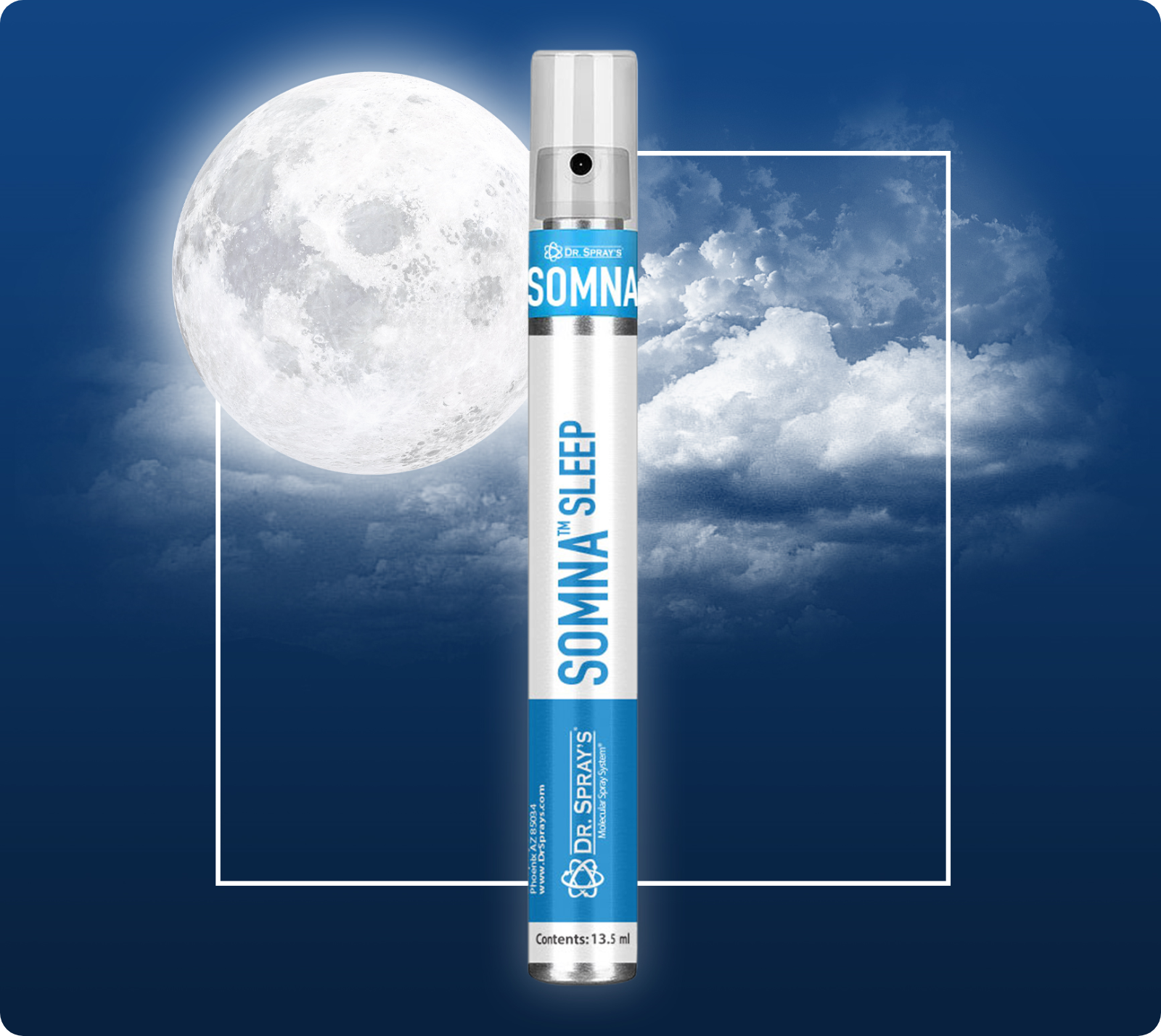
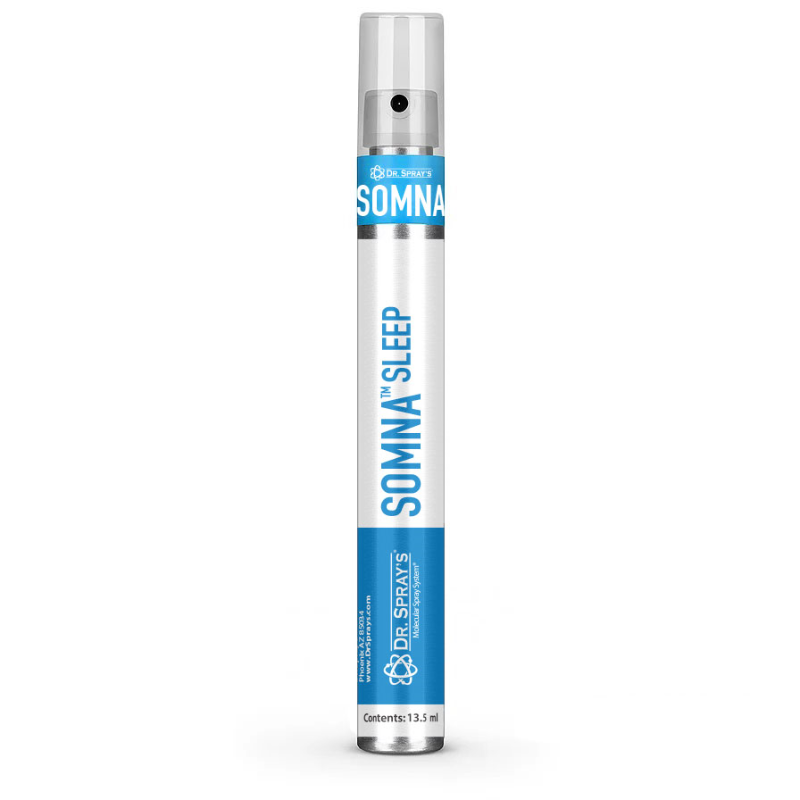
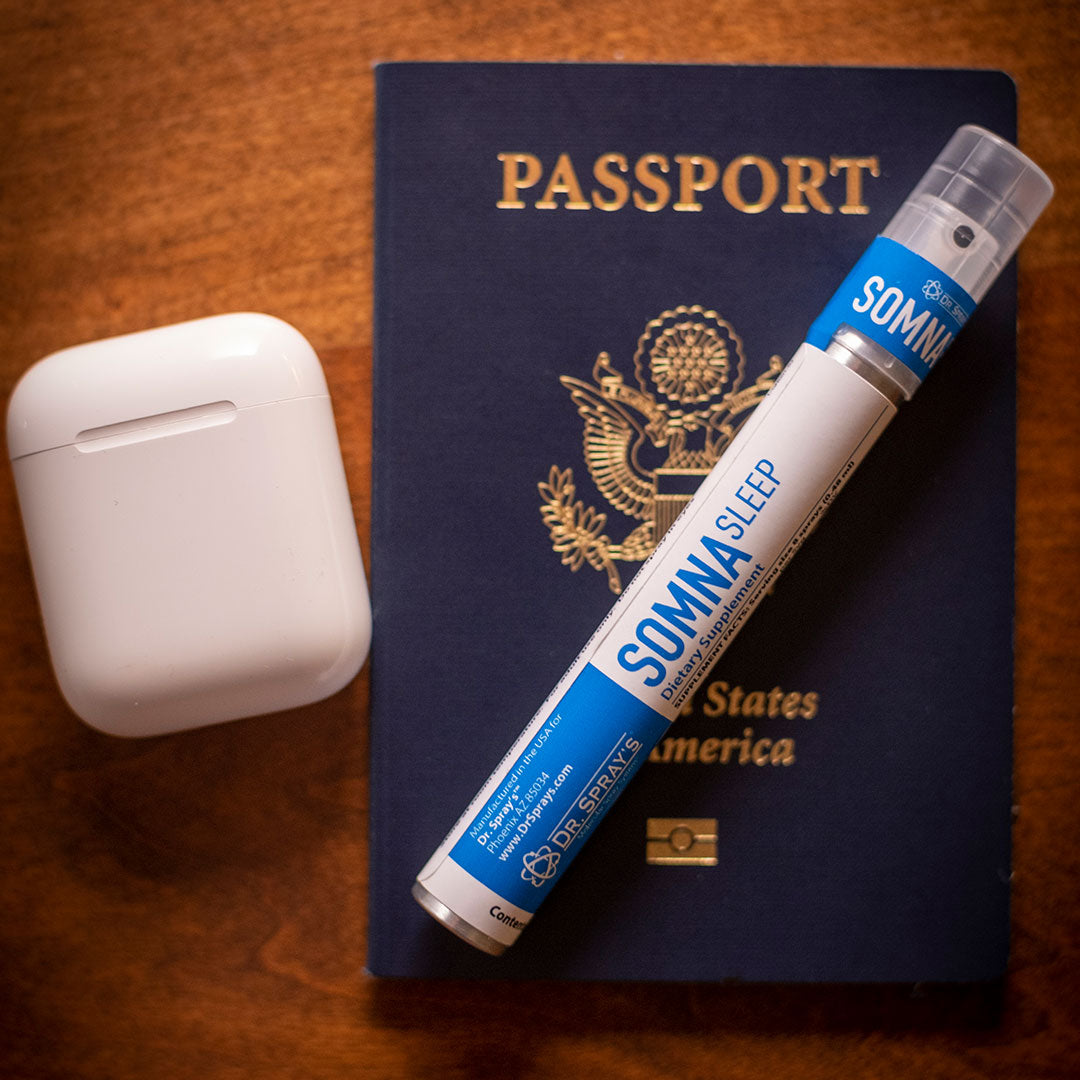
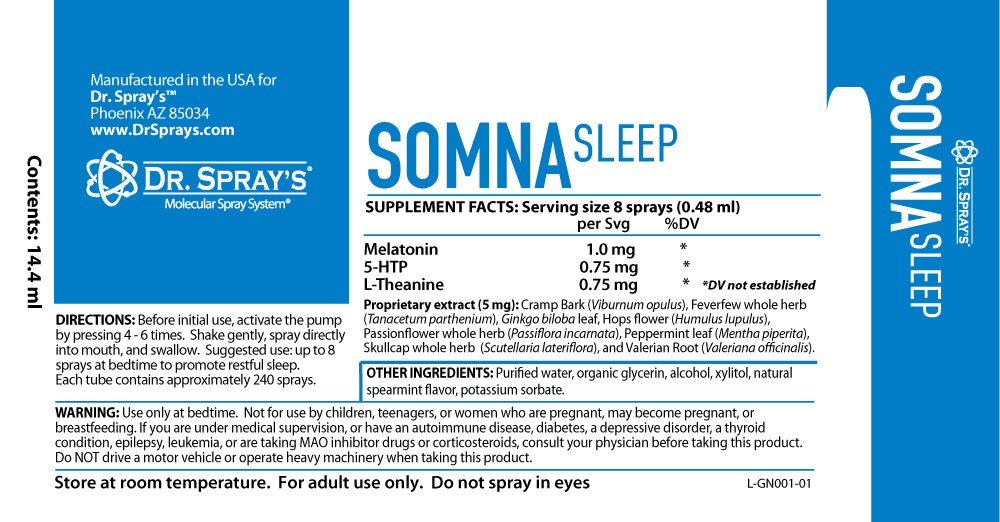
For targeted sleep support, specialized formulations designed specifically for relaxation and sleep can be administered 30-60 minutes before bedtime. These products typically combine sleep-supporting nutrients with calming compounds that help prepare the body for rest.
Integrating Supplementation with Sleep Hygiene
Nutritional support works best when combined with solid sleep hygiene practices. Even with optimal nutrition, environmental and behavioral factors significantly impact sleep quality.
Establish a consistent bedtime routine that signals to your child's body that sleep is approaching. This routine might include a warm bath, quiet play, reading books, and dimming lights. Consistency in timing and sequence helps regulate the circadian rhythm that governs sleep-wake cycles.
Create a sleep environment that supports rest: a dark, cool room with minimal noise and distractions. Remove stimulating toys from the sleep area and consider using white noise to mask disruptive sounds that might wake your toddler.
Pay attention to daytime habits that affect nighttime sleep. Ensure your one-year-old gets adequate physical activity and age-appropriate nap schedules. Too much daytime sleep or naps too close to bedtime can interfere with nighttime rest.
The Phoenix Advantage: Quality Manufacturing Standards
When selecting spray supplements for your child, manufacturing quality and safety standards should be primary considerations. Products manufactured in FDA-registered, GMP-certified facilities provide assurance of purity, potency, and safety.
In Phoenix, Arizona, advanced manufacturing facilities produce oral spray vitamins under strict quality control protocols. GMP (Good Manufacturing Practice) certification ensures that every batch meets rigorous standards for ingredient verification, contamination testing, and consistent formulation. FDA registration adds another layer of oversight, confirming that facilities meet federal safety and quality requirements.
For parents concerned about what they're giving their children, these quality certifications matter. They provide confidence that the spray supplements you administer contain exactly what's listed on the label, free from contaminants, and manufactured using safe, validated processes.
Addressing Common Concerns About Spray Supplements
Parents often have questions about spray vitamin safety, effectiveness, and appropriate use for young children. Understanding these considerations helps you make informed decisions about supplementation.
Safety Considerations for One-Year-Olds
Spray supplements designed for children should be formulated with appropriate concentrations for their age and size. Always consult your pediatrician before starting any supplementation, and follow dosing instructions carefully. Start with lower doses to assess tolerance, and monitor your child for any unusual reactions.
Quality spray supplements avoid artificial colors, unnecessary additives, and common allergens that might cause adverse reactions. Check ingredient lists carefully, especially if your child has known sensitivities or allergies.
How Quickly to Expect Results
Nutritional interventions for sleep typically require patience. While some parents notice improvements within days, addressing underlying deficiencies often takes several weeks of consistent supplementation. Vitamin D3 levels, for example, may take 6-8 weeks to optimize, with sleep improvements becoming apparent as levels normalize.
Track your child's sleep patterns in a journal to identify gradual improvements that might not be immediately obvious. Note factors like how long it takes to fall asleep, number of night wakings, and overall mood and energy during the day. This record helps you assess whether supplementation is providing benefits and can be valuable information to share with your pediatrician.
Combining Multiple Supplements
Many children benefit from multiple nutrient supports rather than single-vitamin supplementation. However, avoid over-supplementation by working with a healthcare provider to identify specific needs. Some spray supplements combine multiple sleep-supporting nutrients in one formula, which can simplify administration while providing comprehensive support.
Be cautious about combining products that contain overlapping ingredients to avoid exceeding recommended daily allowances. Quality supplement manufacturers provide clear information about nutrient content per serving, making it easier to avoid excessive intake.
Beyond Vitamins: Holistic Sleep Support
While nutritional optimization is crucial, the most effective approach to improving your one-year-old's sleep integrates multiple strategies addressing different aspects of sleep health.
Dietary Foundations
Focus on providing nutrient-dense whole foods that supply the building blocks for healthy sleep. Include a variety of fruits and vegetables for vitamin C and other antioxidants, whole grains for B vitamins and magnesium, and appropriate protein sources for amino acids that support neurotransmitter production.
Avoid sugary foods and drinks, especially in the hours before bedtime. Blood sugar fluctuations can disrupt sleep patterns and contribute to night wakings. Similarly, be cautious about foods that might cause digestive discomfort, as gastrointestinal issues commonly interfere with sleep quality in young children.
Managing Sleep Disruptors
Identify and address factors that might be undermining your child's sleep beyond nutrition. Common disruptors include teething pain, ear infections, environmental allergies, or sensitivities to fabrics or detergents used on bedding. Room temperature that's too warm or too cold can also interfere with comfortable sleep.
Evaluate your child's exposure to screens and stimulating activities before bed. Even at one year old, exposure to bright lights and exciting activities can make it harder to wind down for sleep. Create a calm transition period in the hour before bedtime.
Responding to Night Wakings
How you respond to night wakings can either reinforce or discourage the behavior. While you should always ensure your child's basic needs are met and that they feel secure, try to minimize stimulation during night interactions. Keep lights dim, avoid lengthy play or conversation, and use a calm, soothing tone.
As nutritional status improves and deficiencies are addressed, you may find that night wakings naturally decrease in frequency. This reduction happens because your child's body is better equipped to maintain deep, restorative sleep throughout the night.
Monitoring Progress and Adjusting Your Approach
Improving your one-year-old's sleep is often a process of trial, adjustment, and patience. Regular monitoring helps you understand what's working and what might need modification.
Tracking Sleep Patterns
Maintain a simple sleep log recording bedtime, wake time, number of night wakings, and daytime behavior. This record helps identify patterns and measure progress over time. Note any changes you make to diet, supplementation, or routines so you can correlate interventions with improvements or setbacks.
Working with Healthcare Providers
Share your sleep log and supplementation details with your pediatrician during regular check-ups. If sleep problems persist despite nutritional optimization and good sleep hygiene, additional evaluation may be needed to rule out medical issues like sleep apnea, reflux, or other conditions that interfere with rest.
Periodic reassessment of nutritional status through blood tests helps confirm that supplementation is effectively addressing identified deficiencies and that levels remain in healthy ranges without excessive accumulation.
Adjusting as Your Child Grows
Nutritional needs change as children grow and develop. What works for a one-year-old may need adjustment as your child approaches two years and beyond. Stay flexible and willing to modify your approach based on your child's changing needs, seasonal factors, and developmental stages.
Real-World Success: The Impact of Nutritional Sleep Support
Parents who address nutritional deficiencies alongside behavioral sleep strategies often report significant improvements in their child's sleep quality. These improvements extend beyond nighttime rest to affect daytime mood, behavior, and overall family well-being.
Better sleep supports cognitive development, immune function, growth, and emotional regulation—all critical during the rapid development of the toddler years. When children sleep well, they're more adaptable, less prone to tantrums, and better able to learn and explore their environment.
For families, improved child sleep means better parental rest, reduced stress, and more positive interactions throughout the day. The investment in addressing sleep issues—including nutritional optimization with tools like high-absorption spray supplements—pays dividends in quality of life for the entire household.
Getting Started with a Sleep-Supporting Nutrition Plan
If you're ready to address your one-year-old's sleep challenges through nutritional support, start with these practical steps:
First, schedule an appointment with your pediatrician to discuss your child's sleep issues and request testing for common nutritional deficiencies, particularly vitamin D3, B12, iron, and magnesium.
Second, evaluate your child's current diet and identify potential gaps in sleep-supporting nutrients. Consider whether picky eating, dietary restrictions, or limited food variety might be contributing to deficiencies.
Third, research high-quality spray supplement options manufactured in certified facilities with proven absorption rates. Look for products specifically formulated for children with appropriate dosing guidelines and minimal additives.
Fourth, develop a comprehensive sleep plan that combines nutritional support with solid sleep hygiene practices, including consistent routines, appropriate sleep environment, and healthy daytime habits.
Finally, commit to consistency and patience. Nutritional interventions take time to produce results, but the long-term benefits for your child's sleep, development, and overall health make the effort worthwhile.
Frequently Asked Questions
At what age can children safely use vitamin spray supplements?
While spray supplements can be appropriate for young children, always consult your pediatrician before starting any supplementation for a one-year-old. Age-appropriate formulations with proper dosing are essential. Many doctors recommend beginning supplementation after the first birthday, particularly for nutrients like vitamin D3 that are commonly deficient in toddlers.
How long does it take for vitamin supplementation to improve sleep?
The timeline varies depending on the severity of deficiency and the specific nutrient involved. Some parents notice improvements within one to two weeks, particularly with vitamin B12 supplementation. However, vitamin D3 levels typically take 6-8 weeks to optimize, with sleep improvements becoming more apparent as levels normalize. Consistency is crucial for achieving results.
Can I give my one-year-old multiple spray supplements at once?
Multiple supplements can be appropriate if your child has multiple deficiencies, but coordination is important to avoid excessive intake of any single nutrient. Work with your pediatrician to identify specific needs and ensure that combined supplementation stays within safe ranges. Some formulations combine multiple sleep-supporting nutrients in one product, which can simplify administration.
Are spray supplements more effective than gummy vitamins for toddlers?
Spray supplements offer superior absorption compared to gummy vitamins because they bypass the digestive system and deliver nutrients directly through the mucous membranes in the mouth. High-quality oral spray vitamins can achieve absorption rates of 90% or higher, compared to 10-20% for traditional oral supplements. Additionally, sprays avoid the sugar content common in gummy vitamins.
What should I look for when choosing a vitamin spray for my child?
Prioritize products manufactured in FDA-registered, GMP-certified facilities to ensure quality and safety. Look for formulations specifically designed for children with appropriate dosing, minimal additives, and no artificial colors or unnecessary ingredients. Check for third-party testing verification and clear labeling of nutrient content per serving.
Can vitamin supplementation alone solve my toddler's sleep problems?
While addressing nutritional deficiencies can significantly improve sleep quality, supplementation works best as part of a comprehensive approach. Combine nutritional support with solid sleep hygiene practices, consistent routines, and attention to environmental factors. If sleep problems persist despite these interventions, consult your pediatrician to rule out underlying medical conditions.
Is it safe to use sleep-specific spray supplements every night?
Sleep-supporting spray supplements designed for regular use are generally safe when used as directed and under pediatric guidance. However, avoid dependency on sleep aids by also addressing underlying issues and maintaining healthy sleep habits. Periodic consultation with your healthcare provider ensures continued appropriateness of supplementation as your child grows.
How do I know if my child's sleep issues are related to nutritional deficiencies?
Blood testing ordered by your pediatrician can identify specific deficiencies. Common signs that nutrition might be affecting sleep include persistent sleep problems despite good sleep hygiene, excessive daytime irritability, poor growth or development, frequent illness, or known dietary restrictions that limit nutrient intake. However, only testing can confirm deficiencies definitively.
About the Author
This article was developed by the research team at DrSprays, a Phoenix, Arizona-based company specializing in doctor-developed oral vitamin sprays. Our products are manufactured in an FDA-registered, GMP-certified facility and are designed to provide superior absorption through innovative spray delivery technology. With absorption rates of up to 90%, our spray supplements offer an effective solution for parents seeking to support their children's nutritional needs and overall health.
Support Your Child's Sleep with Advanced Nutritional Solutions
Helping your one-year-old sleep through the night requires addressing multiple factors, and nutrition plays a crucial role that's often overlooked. If traditional supplements haven't provided the results you're seeking, or if you're struggling with the daily challenge of getting your toddler to take vitamins, advanced spray supplement technology offers a better solution.
DrSprays provides doctor-developed spray supplements manufactured in Phoenix, Arizona under the highest quality standards. Our products deliver up to 90% absorption—far superior to traditional pills or liquids—ensuring your child receives maximum benefit from each dose. From vitamin D3 spray to support circadian rhythm regulation, to vitamin B12 spray for nervous system health, our formulations are designed with your child's wellness in mind.
Explore our complete range of sleep-supporting supplements and discover how advanced spray technology can make nutritional support easier and more effective for your family. Visit DrSprays.com to learn more about our products and find the right solutions for your one-year-old's sleep challenges.