Getting a two-year-old to sleep through the night remains one of the most challenging aspects of parenting. At this developmental stage, toddlers experience significant physical growth, cognitive leaps, and emotional changes—all of which can disrupt their sleep patterns. Understanding the underlying causes of sleep difficulties and implementing evidence-based strategies can help both you and your child get the rest you need.
This comprehensive guide explores practical solutions for improving your two-year-old's sleep, including the role of proper nutrition, establishing consistent routines, and addressing common sleep obstacles that parents face.
Understanding Sleep Needs for Two-Year-Olds
Before implementing sleep strategies, it's important to understand what normal sleep looks like for a two-year-old. According to pediatric sleep experts, children at this age typically need 11-14 hours of total sleep within a 24-hour period, which usually includes one daytime nap and nighttime sleep.
Typical Sleep Patterns at Age Two
Most two-year-olds follow this general sleep pattern:
- Nighttime sleep: 10-12 hours
- Daytime nap: 1-3 hours (usually one nap in the early afternoon)
- Total sleep: 11-14 hours per day
- Bedtime window: Between 7:00 PM and 8:30 PM
- Wake time: Between 6:00 AM and 8:00 AM
However, every child is unique, and some variation is normal. The key indicator of sufficient sleep is whether your child seems well-rested, energetic, and generally happy during waking hours.
Common Sleep Challenges for Two-Year-Olds
Several developmental and environmental factors commonly interfere with toddler sleep at this age:
Developmental Milestones
Two-year-olds are experiencing rapid brain development and learning new skills constantly. These cognitive leaps can cause temporary sleep disruptions as their brains process new information. Language explosion, potty training awareness, and increased independence can all affect sleep quality.
Separation Anxiety
Many toddlers experience renewed separation anxiety around age two, making bedtime particularly difficult. They may resist being alone or wake frequently seeking parental reassurance.
Behavioral Testing
The "terrible twos" reputation exists for a reason—this is when children begin asserting independence and testing boundaries. Bedtime often becomes a battleground as toddlers discover they can say "no" and delay sleep.
Sleep Regression
The two-year sleep regression is a real phenomenon, often triggered by developmental changes, environmental disruptions, or transitions like moving to a toddler bed.
Creating an Optimal Sleep Environment
The physical sleep environment significantly impacts your toddler's ability to fall asleep and stay asleep throughout the night.
Room Temperature and Lighting
Maintain a cool room temperature between 68-72°F. The body's natural temperature drop at night signals sleep readiness, and an overly warm room can interfere with this process. Use blackout curtains to eliminate light, as darkness triggers melatonin production, the hormone responsible for sleep regulation.
Sound Management
White noise machines can mask household sounds and create consistent auditory conditions throughout the night. Many toddlers find continuous background noise soothing and use it as a sleep association.
Safe and Comfortable Bedding
Ensure the mattress is firm and supportive. While stuffed animals and blankets are now safe for two-year-olds, avoid overcrowding the bed. One comfort item is usually sufficient.
Establishing a Consistent Bedtime Routine
Consistency is perhaps the most important factor in helping two-year-olds sleep well. A predictable routine signals to your child's brain and body that sleep is approaching.
The Power of Routine
Children thrive on predictability. A consistent sequence of events helps them feel secure and understand what's expected. Start your bedtime routine at the same time each night, approximately 30-45 minutes before your desired sleep time.
Effective Bedtime Routine Components
An ideal bedtime routine might include:
- Transition signal: Announce bedtime is approaching ("In 10 minutes, we'll start getting ready for bed")
- Bath time: Warm baths are naturally relaxing and provide sensory enjoyment
- Pajamas and diaper/potty: Getting dressed for bed signals the change to nighttime mode
- Tooth brushing: Establish this healthy habit early
- Quiet activity: Reading books together, singing lullabies, or gentle conversation
- Final goodnight: Consistent phrases and actions (hugs, kisses, tucking in)
Avoiding Stimulation Before Bed
Screen time should end at least one hour before bedtime. The blue light from devices suppresses melatonin production, making it harder for children to fall asleep. Instead, focus on calming activities like reading, puzzles, or quiet play.
The Role of Nutrition in Toddler Sleep
What your child eats throughout the day—and doesn't eat—can significantly impact their ability to sleep well at night.
Essential Nutrients for Sleep Quality
Several vitamins and minerals play crucial roles in sleep regulation:
Vitamin D and Sleep
Research indicates that vitamin D deficiency is associated with sleep disorders in children. This vitamin helps regulate circadian rhythms and supports overall sleep quality. However, many children don't get sufficient vitamin D from diet and sun exposure alone, especially during winter months or in regions with limited sunlight.
For toddlers who resist taking traditional supplements, vitamin D3 spray offers a convenient alternative. Unlike pills or gummy vitamins, oral spray vitamins deliver nutrients directly into the bloodstream through the oral mucosa, with absorption rates of up to 90%. This can be particularly beneficial for picky eaters or children who struggle with swallowing pills.
B Vitamins and Sleep Cycles
B vitamins, particularly B12, support healthy nervous system function and help regulate sleep-wake cycles. A vitamin B12 spray can help ensure adequate levels of this important nutrient, especially for children following vegetarian or vegan diets where B12 deficiency is more common.
Magnesium and Relaxation
Magnesium supports muscle relaxation and nervous system calm. Foods rich in magnesium include bananas, whole grains, and leafy greens. Ensuring your toddler gets adequate magnesium throughout the day may support better sleep at night.
Bedtime Snacks That Support Sleep
A small, appropriate bedtime snack can prevent hunger from waking your child during the night. Good options include:
- Banana with almond butter
- Whole grain crackers with cheese
- Warm milk
- Oatmeal with berries
Avoid sugar, chocolate, or anything with caffeine before bedtime.
Managing Daytime Naps for Better Nighttime Sleep
The relationship between daytime naps and nighttime sleep can be tricky to navigate with two-year-olds.
Optimal Nap Timing
Schedule naptime for early afternoon, ideally between 12:30 PM and 1:30 PM. Napping too late in the day can interfere with nighttime sleep. If your child naps past 3:00 PM, they may not be tired enough at bedtime.
Nap Duration Considerations
Most two-year-olds benefit from a 1.5 to 2-hour afternoon nap. If your child is having difficulty falling asleep at night, consider whether their nap is too long. However, eliminating naps entirely at this age often leads to overtiredness, which paradoxically makes sleep harder.
Signs Your Child Might Be Ready to Drop a Nap
While most two-year-olds still need a daily nap, some children begin transitioning away from napping toward age three. Signs include:
- Consistently taking more than 30 minutes to fall asleep at naptime
- Regularly resisting naptime without showing tiredness
- Napping causes difficulty falling asleep at bedtime
- Remaining cheerful and energetic throughout the day without a nap
If you notice these signs, try implementing "quiet time" instead of forcing sleep—your child rests in their room with books or quiet toys for an hour.
Addressing Night Wakings and Sleep Disruptions
Even with perfect routines and environments, many two-year-olds still wake during the night. How you respond to these wakings can either reinforce or discourage the behavior.
Determining the Cause of Night Wakings
Before deciding how to respond, consider what might be causing the waking:
- Genuine need: Hunger, discomfort, illness, or a dirty diaper
- Habit: Your child has learned that waking brings attention or other rewards
- Fear or anxiety: Nightmares, darkness, or separation concerns
- Environmental factors: Temperature, noise, or light changes
Response Strategies for Night Wakings
When your child wakes at night, approach with calm reassurance but avoid creating new sleep associations that require your presence. Keep interactions brief, boring, and quiet. Use a soft voice, minimal eye contact, and avoid turning on bright lights. Reassure your child that everything is okay and it's time to sleep, then leave the room.
The Gradual Retreat Method
If your child struggles to fall back asleep independently, consider gradual retreat: sit near their bed until they settle, then each night move your chair slightly farther away until you're outside the room. This helps them learn self-soothing while still feeling secure.
Dealing with Bedtime Resistance and Stalling Tactics
Two-year-olds are masters at delaying bedtime. Common stalling tactics include repeated requests for water, another story, one more hug, or the classic "I need to go potty."
Setting Clear Boundaries
Establish clear limits while remaining empathetic. For example, "We'll read two books tonight. You can choose which two." Offering limited choices gives your child a sense of control while maintaining your boundaries.
The Bedtime Pass System
Some parents find success with a "bedtime pass" system: give your child one or two passes they can "spend" on coming out of their room or calling for you. Once the passes are used, there are no more exits. This puts the child in control of their choices while limiting disruptions.
Staying Consistent
Consistency is critical. If you give in to requests occasionally, you've taught your child that persistence works, and they'll try even harder next time. Decide on your boundaries and maintain them every night.
When Nutritional Support May Help
While behavioral strategies form the foundation of healthy sleep habits, ensuring your child receives adequate nutrition can support these efforts.
The Challenge of Supplementing Toddlers
Many parents struggle to give their toddlers traditional vitamins. Pills are a choking hazard, liquids can be messy and hard to measure accurately, and gummy vitamins often contain added sugars and are processed through the digestive system, reducing absorption rates.
Advantages of Spray Supplements
Spray supplements offer several benefits for young children:
- Easy administration: Simply spray into the mouth—no swallowing pills required
- Higher absorption: Oral spray vitamins bypass digestive processing, with up to 90% absorption rate compared to 10-20% for traditional pills
- Accurate dosing: Each spray delivers a precise amount
- Pleasant taste: Most children accept the spray format more readily than pills or liquids
- No choking risk: Safe for toddlers who can't yet swallow pills
Quality Considerations
When selecting any supplement for your child, quality matters. Look for products manufactured in FDA-registered, GMP-certified facilities. For families in Phoenix, Arizona, and throughout the region, locally-produced vitamin spray options are available from facilities that meet these high standards.
DrSprays products, for instance, are doctor-developed and manufactured in Phoenix, AZ, in an FDA-registered facility with GMP certification, ensuring quality and safety standards are met.
Sleep Training Approaches for Two-Year-Olds
If you've tried gentler methods and your two-year-old still struggles significantly with sleep, you might consider more structured sleep training approaches.
The Ferber Method (Modified for Toddlers)
This graduated extinction approach involves putting your child to bed awake and checking on them at progressively longer intervals if they cry. For two-year-olds, you might start with checks every 3-5 minutes, extending to 10-15 minutes over several nights.
The Chair Method
Sit in a chair next to your child's bed until they fall asleep, then gradually move the chair farther from the bed each night until you're outside the room. This method takes longer but is gentler and may work better for anxious toddlers.
Pick Up, Put Down Method
When your child cries, pick them up to comfort them, but put them back down once calm. Repeat as necessary. This method provides reassurance while still encouraging independent sleep.
Important Considerations for Sleep Training
Sleep training should only be attempted when your child is healthy, and you can be consistent for at least a week. Choose a method that aligns with your parenting philosophy and comfort level. Consult your pediatrician before beginning any sleep training program, especially if your child has health concerns.
The Impact of Daily Physical Activity
Adequate physical activity during the day significantly improves nighttime sleep quality for toddlers.
Recommended Activity Levels
Two-year-olds should engage in at least 60-90 minutes of active play throughout the day. This doesn't need to be structured exercise—running, climbing, dancing, and outdoor exploration all count.
Timing Matters
While physical activity is beneficial, avoid high-energy play too close to bedtime. End vigorous activities at least two hours before sleep to allow your child's energy levels to naturally decrease.
Outdoor Time Benefits
Outdoor play offers the added benefit of natural light exposure, which helps regulate circadian rhythms. Morning and early afternoon outdoor time is particularly beneficial for sleep.
Managing Transitions That Affect Sleep
Two-year-olds often face significant transitions that can disrupt sleep patterns.
Moving to a Toddler Bed
The transition from crib to bed is a major change. Make it positive by involving your child in choosing bedding and emphasizing how "grown up" they are. However, maintain all other bedtime routines to provide consistency during this change.
New Sibling Arrival
A new baby in the house can trigger sleep regression in two-year-olds. Prepare your toddler in advance, maintain their routines as much as possible, and provide extra one-on-one attention during the day to reduce nighttime attention-seeking.
Starting Daycare or Preschool
New childcare situations can be exhausting and stimulating. Your child may need earlier bedtimes or longer naps temporarily as they adjust to this major change.
When to Consult a Healthcare Provider
While most toddler sleep issues resolve with consistent routines and patience, certain situations warrant professional evaluation:
- Loud snoring or breathing pauses during sleep (possible sleep apnea)
- Extreme difficulty falling asleep every night despite good sleep hygiene
- Persistent nightmares or night terrors
- Excessive daytime sleepiness or fatigue
- Sleep issues accompanied by developmental concerns
- Suspected medical conditions affecting sleep
Your pediatrician can assess whether underlying issues like sleep disorders, allergies, or nutritional deficiencies might be contributing to sleep problems.
Creating a Comprehensive Sleep Plan
Improving your two-year-old's sleep requires a multifaceted approach addressing environment, routine, nutrition, and behavioral factors.
Your Action Plan
- Optimize the sleep environment: Dark, cool, quiet room with comfortable bedding
- Establish consistent routines: Same bedtime, same sequence of events, every night
- Ensure adequate nutrition: Balanced diet with sleep-supporting nutrients throughout the day
- Manage daytime sleep: Appropriate nap timing and duration
- Provide physical activity: Active play during the day, calm activities before bed
- Set clear boundaries: Consistent responses to bedtime resistance and night wakings
- Track progress: Keep a sleep log to identify patterns and improvements
Be Patient and Persistent
Sleep improvements rarely happen overnight. Most strategies require at least one to two weeks of consistent implementation before you'll see significant changes. Some children respond quickly, while others need more time to adjust to new routines.
Frequently Asked Questions
How long should it take a two-year-old to fall asleep at bedtime?
A well-rested two-year-old with good sleep habits should typically fall asleep within 15-30 minutes of being put to bed. If your child consistently takes longer than 30 minutes to fall asleep, they may not be tired enough at bedtime, suggesting you might need to adjust their nap schedule or bedtime.
Is it normal for two-year-olds to wake up at night?
Brief nighttime wakings are normal for all ages, including toddlers. Most two-year-olds will briefly wake 2-3 times per night but should be able to self-soothe and return to sleep without parental intervention. If your child is fully waking and requiring help to fall back asleep, this indicates a sleep association issue that may need to be addressed.
Should I let my two-year-old cry it out?
This is a personal parenting decision that depends on your comfort level and your child's temperament. Modified sleep training approaches (like the Ferber method with check-ins) are generally considered acceptable for two-year-olds, but full extinction ("crying it out" with no checks) is controversial. Consider gentler methods first, such as gradual retreat or the chair method, especially if your child has experienced trauma or has special needs.
What if my two-year-old refuses to nap but is clearly tired?
Implement "quiet time" instead of forcing sleep. Place your child in their room with books or quiet toys for 60 minutes. Many children will eventually fall asleep during quiet time, and even if they don't, the rest period helps prevent overtiredness. Ensure you're attempting naptime at the optimal window (early afternoon) when sleep drive is naturally higher.
Can vitamin deficiencies really affect my toddler's sleep?
Yes, research has established connections between certain nutrient deficiencies and sleep problems. Vitamin D deficiency has been associated with sleep disorders in children, and B vitamins play important roles in regulating sleep-wake cycles. Iron deficiency can cause restless leg syndrome, which disrupts sleep. If you suspect nutritional deficiencies, consult your pediatrician about testing and appropriate supplementation.
How do I know if my child's sleep problems are serious enough to see a doctor?
Consult your pediatrician if your child shows signs of sleep-disordered breathing (loud snoring, breathing pauses, gasping), experiences extreme difficulty sleeping despite consistent good sleep practices for several weeks, has persistent nightmares or night terrors, shows excessive daytime sleepiness, or if sleep issues are accompanied by other developmental or health concerns.
Are spray vitamins safe for two-year-olds?
Oral spray vitamins designed for children are generally safe when used as directed and purchased from reputable manufacturers. Look for products from FDA-registered, GMP-certified facilities to ensure quality standards. Always consult your pediatrician before starting any supplement regimen, and follow dosage instructions carefully. Spray supplements can be easier to administer to young children and offer higher absorption rates than traditional pills.
What should I do if my two-year-old climbs out of the crib?
Once a child can climb out of their crib, it becomes a safety hazard. Transition to a toddler bed immediately. Make the room as safe as possible with outlet covers, secured furniture, and remove any hazards. Use a baby gate at the door if necessary to prevent unsupervised wandering. Maintain all other bedtime routines to provide consistency during this transition.
How late is too late for a two-year-old's bedtime?
Most sleep experts recommend bedtimes between 7:00 PM and 8:30 PM for two-year-olds. Bedtimes later than 9:00 PM are generally too late and can result in overtiredness, which paradoxically makes sleep more difficult. Pay attention to your child's natural sleepy cues (eye rubbing, yawning, decreased activity) and aim for bedtime before they become overtired.
Will giving my toddler melatonin help them sleep?
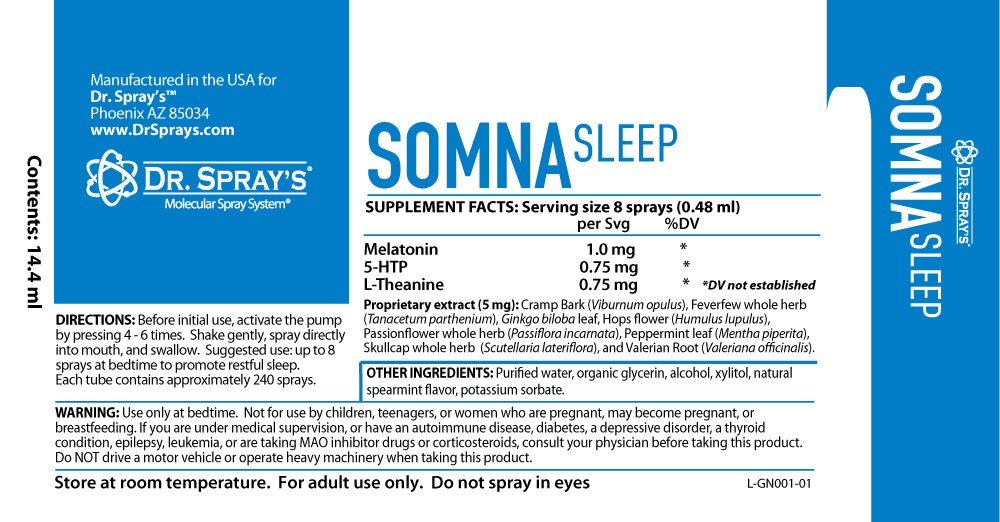
While melatonin supplements are sometimes used for children with specific sleep disorders, they should not be a first-line approach for typical toddler sleep issues. Melatonin may help with falling asleep but doesn't address nighttime wakings or teach healthy sleep habits. Always consult your pediatrician before giving melatonin or any other supplement to your child, as dosing for young children requires careful consideration and medical guidance.
Supporting Your Toddler's Sleep Journey
Helping your two-year-old develop healthy sleep habits is one of the most valuable gifts you can give them. Quality sleep supports physical growth, cognitive development, emotional regulation, and immune function. While the process requires patience and consistency, the benefits for both your child and your entire family are immeasurable.
Remember that every child is unique, and what works for one family may not work for another. Be willing to adjust your approach based on your child's individual needs and temperament. Focus on the fundamentals: consistent routines, a supportive sleep environment, appropriate nutrition, and clear, loving boundaries.
If you're struggling despite your best efforts, don't hesitate to reach out to your pediatrician or a pediatric sleep consultant. Professional guidance can help identify specific issues and create a tailored plan for your family's situation.
With time, consistency, and the right support—including ensuring adequate nutrition through diet and, when appropriate, quality supplements—your two-year-old can develop the healthy sleep habits that will serve them well throughout childhood and beyond.
Support Your Child's Sleep with Better Nutrition
Ensuring your toddler receives essential vitamins and minerals can support healthy sleep patterns and overall development. If you're looking for an easier way to supplement your child's nutrition, explore our range of doctor-developed vitamin sprays with up to 90% absorption rates.
Our vitamin sprays include:
- Vitamin D3 Spray – Supports healthy sleep-wake cycles and immune function
- Vitamin B12 Spray – Helps regulate energy levels and nervous system health
- Multi-Vitamin Spray – Comprehensive nutritional support for growing toddlers
All DrSprays products are manufactured in our FDA-registered, GMP-certified facility in Phoenix, Arizona, ensuring the highest quality standards for your family.