Helping your one-year-old establish healthy sleep patterns is one of the most important—and sometimes challenging—aspects of early parenting. At this age, children are developing rapidly, and their nutritional needs directly impact their ability to rest well. Understanding the connection between proper nutrition, including essential vitamins and minerals, and quality sleep can help you support your toddler's development during this critical time.
Understanding Your One-Year-Old's Sleep Needs
At twelve months, most toddlers need between 11 and 14 hours of sleep within a 24-hour period. This typically includes 10-12 hours of nighttime sleep and 1-2 daytime naps. However, every child is different, and your toddler's individual needs may vary slightly from these general guidelines.
Sleep at this age serves multiple crucial functions. During deep sleep, your child's body releases growth hormones, consolidates learning from the day, and strengthens their immune system. When sleep is disrupted or insufficient, you may notice increased fussiness, difficulty focusing, and even compromised immune function.
Common Sleep Challenges at One Year
One-year-olds face unique sleep disruptions including separation anxiety, teething discomfort, developmental milestones like walking, and changes in nap schedules. Many parents also encounter the "12-month sleep regression," a temporary period when previously good sleepers suddenly struggle with bedtime or wake frequently during the night.
The Nutritional Foundation of Better Sleep
What many parents don't realize is that their toddler's nutritional status plays a significant role in sleep quality. Several key vitamins and minerals directly influence the body's ability to produce sleep hormones and maintain healthy sleep-wake cycles.
Vitamin D3 and Sleep Regulation
Vitamin D3 is essential for regulating circadian rhythms—your child's internal clock that signals when it's time to sleep and wake. Research has shown that vitamin D deficiency correlates with sleep disturbances in children. The challenge is that many one-year-olds don't get adequate vitamin D from diet alone, especially if they're transitioning from formula to whole milk.
Traditional vitamin D supplements can be difficult to administer to toddlers who resist pills or liquids with unpleasant tastes. This is where vitamin D3 spray offers a practical solution. A vitamin spray can be quickly administered without the struggle of getting your child to swallow pills or drink chalky liquids.
B Vitamins and Energy Regulation
B vitamins, particularly B6 and B12, help regulate your child's energy levels throughout the day. When B vitamin levels are adequate, children tend to have more consistent energy during waking hours and settle more easily at bedtime. A vitamin B12 spray can help ensure your toddler maintains optimal levels of this essential nutrient.
Magnesium and Calcium for Relaxation
Magnesium and calcium work together to support muscle relaxation and nervous system function. These minerals help calm the body in preparation for sleep. Many one-year-olds don't consume enough magnesium-rich foods, making supplementation worth considering after consulting with your pediatrician.
Creating an Effective Sleep Routine
Consistency is the cornerstone of helping your one-year-old sleep well. A predictable bedtime routine signals to your child's body that sleep is approaching, triggering the natural release of melatonin, the sleep hormone.
The Ideal Bedtime Routine Structure
Start your routine 30-45 minutes before your desired sleep time. Begin with a warm bath, which naturally lowers body temperature afterward—a signal to the brain that it's time for sleep. Follow with putting on pajamas, brushing teeth, and moving to the bedroom for quiet activities.
Dim the lights during your routine to support melatonin production. Bright lights, especially blue light from screens, suppress melatonin and can make falling asleep more difficult. If you need to administer any oral spray vitamins, incorporate this into your routine at a consistent time, ideally earlier in the evening rather than right before bed.
Creating the Optimal Sleep Environment
Your child's bedroom should be cool (between 68-72°F), dark, and quiet. Use blackout curtains to block external light and consider white noise to mask household sounds. Ensure the crib mattress is firm and the sleep space is free from loose blankets, pillows, or stuffed animals that could pose safety risks.
Addressing Common Sleep Disruptors
Managing Separation Anxiety
Separation anxiety peaks around 12-18 months and can significantly impact sleep. Your child may cry when you leave the room or wake frequently seeking reassurance. Build confidence during the day with short separations, consistent goodbye rituals, and plenty of reconnection time.
At bedtime, create a modified routine that provides comfort while encouraging independence. Stay calm and consistent, offering brief reassurance if your child wakes but avoiding picking them up unnecessarily. Your confident, relaxed demeanor signals to your child that nighttime separation is safe.
Teething and Physical Discomfort
Molars typically emerge around 12-15 months and can cause significant discomfort that disrupts sleep. Watch for signs including drooling, gum swelling, and increased fussiness. Offer appropriate pain relief as recommended by your pediatrician, and consider a cold teething toy before bed.
Developmental Leaps and Sleep Regression
When your one-year-old is learning new skills like walking or talking, their brain may be so active that sleep suffers temporarily. These regressions typically last 2-4 weeks. Maintain your routine during these periods rather than creating new habits you'll need to break later.
Nutrition Throughout the Day for Better Night Sleep
What your toddler eats during the day significantly impacts nighttime sleep quality. A balanced diet supports stable blood sugar levels, which prevents middle-of-the-night wakings due to hunger.
The Role of Protein and Complex Carbohydrates
Include protein at every meal and snack to support steady energy levels. Complex carbohydrates from whole grains, fruits, and vegetables provide sustained energy without the blood sugar spikes and crashes associated with simple sugars.
For dinner, offer a balanced meal 2-3 hours before bedtime. This timing allows for digestion while preventing hunger during the night. A small, protein-rich snack before bed can help children who tend to wake hungry, but avoid large meals close to sleep time.
Ensuring Adequate Vitamin Intake
Even with a varied diet, many one-year-olds struggle to meet all their nutritional needs through food alone. Picky eating is developmentally normal at this age but can lead to nutritional gaps. Spray supplements offer an efficient delivery method with high absorption rates—up to 90% compared to traditional pills—making them particularly valuable for toddlers who may not fully digest tablet supplements.
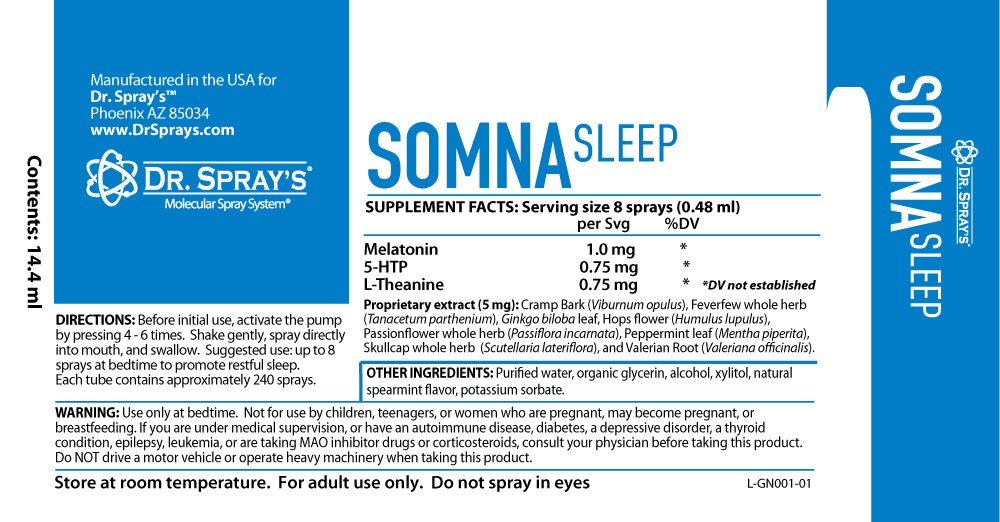
Products developed by medical professionals and manufactured in FDA-registered, GMP-certified facilities in Phoenix, Arizona, like those from DrSprays, provide parents with quality-controlled options that are easier to administer than traditional supplements.
The Science Behind Oral Spray Vitamin Delivery
Understanding why oral spray vitamins can be particularly effective for young children helps parents make informed decisions about supplementation. The oral mucosa—the lining of the mouth—allows for rapid absorption directly into the bloodstream, bypassing the digestive system where many nutrients can be degraded or poorly absorbed.
For toddlers with sensitive stomachs or those who resist taking supplements, this delivery method offers significant advantages. The quick administration (just a spray or two) means less struggle and more consistent supplementation. This consistency is particularly important for nutrients that support sleep, as irregular intake may not provide the steady nutritional support needed for sleep regulation.
When to Consult Your Pediatrician
While many sleep challenges at one year are normal and resolve with consistent routines and proper nutrition, some situations warrant professional evaluation. Contact your pediatrician if your child:
- Consistently snores loudly or appears to stop breathing during sleep
- Seems excessively tired despite adequate sleep opportunities
- Has difficulty breathing or shows signs of illness
- Experiences significant weight loss or failure to thrive
- Shows extreme resistance to sleep lasting more than a few weeks
Before starting any supplementation regimen, including vitamin spray products, discuss your child's specific needs with their healthcare provider. They can assess for underlying nutritional deficiencies and recommend appropriate dosages based on your child's individual health profile.
Building Long-Term Healthy Sleep Habits
The patterns you establish at one year create the foundation for your child's sleep health for years to come. Children who learn to self-soothe and follow consistent bedtime routines tend to be better sleepers throughout childhood.
Age-Appropriate Independence
Encourage your one-year-old to participate in their bedtime routine. Let them choose between two acceptable pajama options or pick a bedtime book. This involvement creates positive associations with bedtime and develops early decision-making skills.
Place your child in the crib while drowsy but still awake. This crucial practice teaches them to fall asleep independently—a skill that will serve them well when they wake during normal sleep cycles throughout the night.
Consistency Across Caregivers
If multiple people care for your child, ensure everyone follows the same bedtime routine and sleep rules. Inconsistency confuses toddlers and can undermine the habits you're trying to establish. Write down your routine and expectations so all caregivers can follow the same approach.
Practical Tips for Phoenix, Arizona Families
For families in Phoenix, Arizona, the intense heat and strong sunshine present unique considerations for toddler sleep and health. The desert climate can affect both vitamin D production and sleep patterns.
Managing Heat and Sleep
Keep your child's room cool, especially during summer months when Phoenix temperatures soar. Use air conditioning to maintain a comfortable sleep environment. Consider room-darkening shades that also provide insulation against heat.
Vitamin D Considerations in Sunny Climates
While Phoenix gets abundant sunshine, the intense UV radiation means limited safe sun exposure for young children. The American Academy of Pediatrics recommends keeping children under six months out of direct sunlight and using sun protection for older children. This necessary sun protection can limit natural vitamin D production, making vitamin D3 spray supplementation particularly relevant for Phoenix families.
Frequently Asked Questions
How long should my one-year-old's naps be?
Most one-year-olds take 1-2 naps totaling 2-3 hours during the day. Morning naps typically last 45 minutes to an hour, while afternoon naps may be longer. As your child approaches 15-18 months, they'll likely transition to one longer midday nap. Watch your child's individual cues rather than adhering rigidly to schedules—undertired or overtired children both struggle with nighttime sleep.
Can vitamin deficiencies really affect my toddler's sleep?
Yes, research shows clear connections between certain nutritional deficiencies and sleep disturbances. Vitamin D deficiency has been linked to poor sleep quality and shorter sleep duration in children. Iron deficiency can cause restless leg syndrome, which disrupts sleep. B vitamins play roles in neurotransmitter production and circadian rhythm regulation. If your pediatrician identifies deficiencies, addressing them may improve sleep quality.
Are spray vitamins safe for one-year-olds?
When manufactured according to FDA guidelines in GMP-certified facilities and formulated appropriately for children, spray vitamins are safe. Always consult your pediatrician before starting any supplement regimen. They can recommend appropriate products and dosages based on your child's specific needs and health status.
What's the best time to give my toddler vitamins?
Most vitamins can be given with meals to enhance absorption and reduce the chance of stomach upset. However, avoid giving B vitamins too close to bedtime, as they can be energizing for some children. Vitamin D can be given at any time of day. Establish a consistent time that fits naturally into your routine—many parents find morning breakfast or evening dinner works well.
My one-year-old won't stay in their crib. What should I do?
If your child is climbing out of the crib, ensure their safety first by lowering the mattress to its lowest position and removing items they could use as steps. If climbing continues, you may need to transition to a toddler bed earlier than planned. Maintain consistent boundaries—calmly return your child to bed each time they get up without engaging in conversation or play. This consistency teaches that nighttime is for sleeping.
How do I know if my child is getting enough sleep?
Well-rested one-year-olds are generally happy and alert during the day, fall asleep within 15-20 minutes of being put to bed, and wake up naturally (not crying) in the morning. If your child seems cranky, falls asleep in the car even on short trips, or has frequent meltdowns, they may need more sleep. Keep a sleep log for a week to identify patterns and share with your pediatrician if concerns persist.
Should I wake my one-year-old from naps?
Generally, avoid waking a sleeping child unless their nap is interfering with nighttime sleep. If your toddler naps late into the afternoon and then has trouble falling asleep at bedtime, you may need to wake them or move nap time earlier. Most children should be awake from their last nap at least 4-5 hours before bedtime.
What absorption rate can I expect from oral spray vitamins compared to pills?
Oral spray vitamins typically achieve absorption rates around 90% because they're absorbed directly through the oral mucosa into the bloodstream. Traditional pills and tablets that must pass through the digestive system may have absorption rates of 10-20%, depending on the specific nutrient and individual digestive health. This higher absorption rate means more of the vitamin becomes bioavailable to your child's body.
Supporting Your Child's Sleep Journey
Helping your one-year-old develop healthy sleep habits requires patience, consistency, and attention to their overall health—including nutritional needs. While establishing routines and creating an optimal sleep environment form the foundation, ensuring your child receives adequate nutrition, including essential vitamins and minerals, supports their body's natural sleep processes.
For parents seeking convenient, effective supplementation options, DrSprays offers doctor-developed oral spray vitamins manufactured in a FDA-registered, GMP-certified facility in Phoenix, Arizona. With products like Vitamin D3 spray and Vitamin B12 spray, parents can ensure their toddlers receive essential nutrients in a form that's easy to administer and highly absorbable.
Remember that every child is unique, and what works for one family may not work for another. Trust your instincts, stay consistent with your approach, and don't hesitate to reach out to your pediatrician when you have concerns. With time, patience, and the right support—nutritional and otherwise—your one-year-old will develop the healthy sleep habits that benefit the entire family.
Support Your Toddler's Sleep with Optimal Nutrition
Give your one-year-old the nutritional foundation they need for healthy sleep. Explore our doctor-developed vitamin sprays, formulated for maximum absorption and ease of use—perfect for active toddlers and busy parents.
Learn more about our FDA-registered Phoenix facility and quality standards