Getting a three-year-old to sleep can feel like navigating a nightly maze. Between bedtime resistance, middle-of-the-night wake-ups, and early morning risings, many parents find themselves exhausted and searching for solutions. Understanding the science behind toddler sleep and implementing consistent strategies can transform your evenings from battlegrounds into peaceful transitions.
This comprehensive guide explores proven techniques to help your three-year-old develop healthy sleep habits, including the surprising role that proper nutrition and vitamin supplementation can play in supporting natural sleep cycles.
Understanding Three-Year-Old Sleep Needs
At three years old, children typically need between 10-13 hours of sleep within a 24-hour period. This usually breaks down into 10-12 hours of nighttime sleep plus one afternoon nap lasting 1-2 hours. However, every child is different, and some three-year-olds begin transitioning away from naps entirely during this year.
The quality of sleep matters just as much as quantity. Deep, restorative sleep supports cognitive development, emotional regulation, physical growth, and immune function. When toddlers don't get adequate sleep, you'll notice increased irritability, difficulty focusing, hyperactivity, and even compromised immune systems that make them more susceptible to illness.
Common Sleep Challenges at Age Three
Three-year-olds face unique sleep obstacles that differ from younger toddlers:
- Increased imagination: Developing cognitive abilities can trigger fears of the dark, monsters, or being alone
- Growing independence: Testing boundaries becomes a favorite pastime, and bedtime is no exception
- Nap transitions: The body may be ready to drop naps, but the child still needs that rest
- Overstimulation: Busy days filled with preschool, activities, and screen time can make it harder to wind down
- Separation anxiety: Even at three, some children experience renewed attachment concerns at bedtime
Creating the Ideal Sleep Environment
Your child's bedroom should be a sleep sanctuary designed to promote rest. Small environmental adjustments can make significant differences in how quickly and deeply your three-year-old sleeps.
Optimize the Physical Space
Keep the bedroom cool, ideally between 65-70°F (18-21°C). Toddlers sleep best in slightly cooler temperatures, and overheating can cause restless sleep and frequent wake-ups. Use breathable cotton bedding and appropriate pajamas for the season.
Darkness signals the brain to produce melatonin, the hormone that regulates sleep-wake cycles. Install blackout curtains or shades to eliminate outside light from streetlamps, car headlights, or early morning sun. A small nightlight is acceptable if your child fears complete darkness, but keep it dim and position it away from the bed.
White noise machines or fans can mask household sounds that might wake your toddler. Consistent background noise also creates a predictable auditory environment that helps the brain recognize sleep time.
Remove Sleep Disruptors
Electronics have no place in a toddler's bedroom. The blue light emitted by tablets, phones, and televisions suppresses melatonin production and stimulates the brain when it should be winding down. Establish a firm rule that screens stay out of the bedroom entirely.
Similarly, remove stimulating toys from immediate view. A bedroom cluttered with action figures, building blocks, or other engaging toys invites play instead of sleep. Keep a few comfort items like stuffed animals or books, but store the majority of toys elsewhere.
Establishing a Consistent Bedtime Routine
Consistency is the cornerstone of healthy toddler sleep. A predictable bedtime routine signals the body that sleep is approaching, triggering physiological changes that promote drowsiness.
The 30-60 Minute Wind-Down
Begin your bedtime routine 30-60 minutes before you want your child asleep. This gives enough time for calming activities without feeling rushed. A typical routine might include:
- Transition signal (5 minutes): Give a warning that bedtime is approaching—"In five minutes, we'll start getting ready for bed"
- Bath time (10-15 minutes): Warm water relaxes muscles and the temperature drop afterward promotes sleepiness
- Pajamas and hygiene (5-10 minutes): Brush teeth, use the bathroom, put on pajamas
- Quiet activity (10-15 minutes): Reading books, gentle stretching, or quiet conversation
- Bedtime (5-10 minutes): Tucking in, final hugs, lullaby, or brief meditation
The Power of Predictability
Perform these activities in the same order every single night. This predictability helps your three-year-old's brain recognize the pattern and begin preparing for sleep automatically. Even small variations—like brushing teeth before bath instead of after—can disrupt the routine's effectiveness.
Maintain the same bedtime seven days a week, even on weekends. Consistency reinforces the circadian rhythm, making it easier for your child to fall asleep and wake naturally at appropriate times.
The Role of Nutrition in Toddler Sleep
What your child eats and drinks throughout the day significantly impacts nighttime sleep quality. Proper nutrition supports the body's natural sleep mechanisms and helps prevent wake-ups caused by hunger or nutrient deficiencies.
Timing Evening Meals and Snacks
Serve dinner 2-3 hours before bedtime to allow adequate digestion. A too-full stomach can cause discomfort that interferes with sleep, while going to bed hungry may trigger middle-of-the-night wake-ups.
If your child needs an evening snack, offer it 30-60 minutes before the bedtime routine begins. Choose options that combine complex carbohydrates with a small amount of protein or healthy fat:
- Whole grain crackers with cheese
- Banana with almond butter
- Oatmeal with berries
- Greek yogurt with granola
These combinations provide sustained energy without causing blood sugar spikes that can lead to restlessness.
Essential Nutrients for Quality Sleep
Several vitamins and minerals play crucial roles in regulating sleep-wake cycles. Deficiencies in these nutrients can manifest as difficulty falling asleep, frequent night wakings, or poor sleep quality.
Vitamin D3 influences circadian rhythms and sleep duration. Research shows that children with adequate vitamin D levels fall asleep faster and sleep longer than those who are deficient. The challenge is that many children don't get sufficient sun exposure—especially during winter months—to produce adequate vitamin D naturally.
B vitamins, particularly B6 and B12, support the production of serotonin and melatonin, neurotransmitters essential for sleep regulation. B12 also helps regulate the body's internal clock. Children following restricted diets or picky eaters may not consume enough B-vitamin-rich foods.
Magnesium acts as a natural relaxant, calming the nervous system and preparing the body for rest. It also helps regulate melatonin production. Signs of magnesium deficiency include restlessness, muscle tension, and difficulty relaxing at bedtime.
Vitamin Spray Supplements: A Toddler-Friendly Solution
Traditional pills and capsules pose challenges for three-year-olds who may refuse them, struggle to swallow them, or lack consistent absorption due to developing digestive systems. Oral spray vitamins offer an effective alternative that addresses these concerns.
Unlike traditional supplements that must pass through the digestive system, vitamin spray supplements deliver nutrients through the oral mucosa—the thin membrane lining the mouth. This method allows for absorption rates up to 90%, compared to roughly 10-20% for many pill-based supplements that lose potency during digestion.
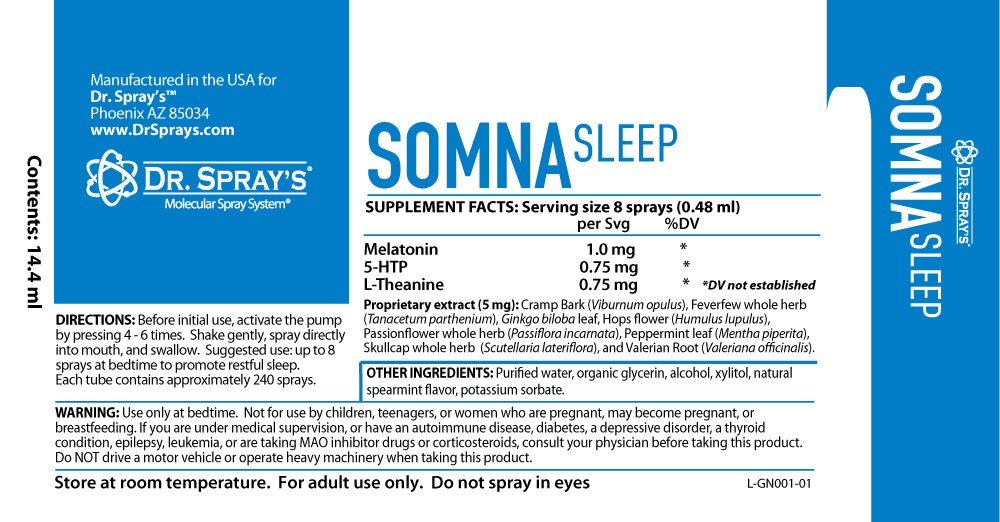
For parents in Phoenix, Arizona, and surrounding areas, DrSprays manufactures doctor-developed oral spray vitamins in an FDA-registered, GMP-certified facility. Their vitamin D3 spray and vitamin B12 spray provide targeted nutritional support in formats that three-year-olds readily accept.
The convenience factor matters too. A quick spray before bedtime becomes part of the routine without the negotiation battles that often accompany pill-swallowing. Most spray supplements have pleasant flavors that children actually enjoy, transforming supplementation from a struggle into a simple step.
Addressing Behavioral Sleep Resistance
Even with perfect environments and routines, some three-year-olds resist sleep simply because they're testing boundaries or don't want to miss out on what's happening while they're asleep.
The Bedtime Pass System
Give your child one or two "bedtime passes" each night—physical cards or tokens they can exchange for one more hug, drink of water, or bathroom trip. Once the passes are used, you calmly but firmly redirect them back to bed without additional engagement. This system gives children controlled autonomy while setting clear limits.
Graduated Extinction (The Camping Out Method)
If your child struggles with separation at bedtime, try gradually reducing your presence. Start by sitting in a chair next to the bed while they fall asleep. Every few nights, move the chair slightly farther away until you're outside the door, then eventually not needed at all.
Stay calm and boring during this process. Don't engage in conversation, make eye contact, or provide entertainment. Your presence alone provides reassurance without reinforcing the idea that bedtime is playtime.
Positive Reinforcement
Create a simple reward system for successful nights. A sticker chart where your child earns stickers for staying in bed can motivate cooperation. After earning a certain number of stickers, offer a small reward like choosing the next day's activity or picking a special breakfast.
Focus praise on specific behaviors: "You did such a great job staying in your bed all night!" rather than vague comments like "Good job."
Managing Nighttime Wake-Ups
Even children who fall asleep easily may wake during the night. How you respond to these wake-ups determines whether they become habits or occasional events.
Brief, Boring Check-Ins
When your child calls out or comes to your room, keep interactions minimal. Use a calm, neutral voice and few words. Physically guide them back to bed if necessary, but avoid extended conversations, snuggling, or bringing them into your bed unless absolutely necessary for comfort.
The goal is to reassure them that you're available while making nighttime wake-ups unstimulating and unrewarding compared to staying asleep.
Address Physical Causes
Sometimes wake-ups have physiological rather than behavioral causes. Consider whether your child might be waking due to:
- Sleep apnea or breathing difficulties: Snoring, mouth breathing, or pauses in breathing warrant medical evaluation
- Nightmares versus night terrors: Nightmares occur during REM sleep and the child remembers them; night terrors happen during deep sleep and the child has no memory of them
- Discomfort: Room temperature, wet diapers/training pants, itchy pajamas, or hunger
- Illness: Ear infections, teething, or other medical issues
If wake-ups persist despite behavioral interventions, consult your pediatrician to rule out underlying medical causes.
Transitioning Away from Naps
Many three-year-olds begin dropping their daytime nap, but the transition can temporarily disrupt nighttime sleep if not managed carefully.
Signs Your Child Is Ready
Look for these indicators that nap-dropping might be appropriate:
- Takes longer than 30 minutes to fall asleep for naps
- Skips naps entirely but remains pleasant and functional
- Naps interfere with nighttime sleep onset, pushing bedtime later
- Wakes naturally from naps after very short periods (20-30 minutes)
The Quiet Time Alternative
Even if your child no longer sleeps during nap time, maintain a "quiet time" period. Have them spend 45-60 minutes in their room looking at books, doing puzzles, or engaging in other calm, independent activities. This provides the rest their body still needs while allowing you necessary downtime.
On days when your child seems especially tired or cranky, they may still need an actual nap. Stay flexible and responsive to their cues rather than rigidly enforcing either naps or no-naps.
Adjusting Bedtime
When dropping naps, temporarily move bedtime 30-60 minutes earlier to compensate for lost daytime sleep. As your child's body adjusts over several weeks, you can gradually shift bedtime to your preferred time if needed.
The Impact of Daytime Activities on Night Sleep
What happens during waking hours directly influences how well your three-year-old sleeps at night. Strategic planning of daytime activities can set the stage for better evening rest.
Physical Activity Requirements
Three-year-olds need at least 60 minutes of physical activity daily—running, jumping, climbing, dancing, or playing actively. This energy expenditure creates physical tiredness that promotes sleep readiness. However, avoid vigorous activity within two hours of bedtime, as it can be overstimulating.
Morning and early afternoon are ideal times for energetic play, with calmer activities reserved for late afternoon and evening.
Screen Time Boundaries
The American Academy of Pediatrics recommends no more than one hour of high-quality screen time daily for children aged 2-5. More importantly for sleep, establish a firm rule that all screens turn off at least one hour before bedtime—preferably two hours.
The blue light emitted by devices suppresses melatonin production for several hours after exposure. Even "educational" screen time before bed can significantly impact your child's ability to fall asleep quickly.
Sunlight Exposure
Natural sunlight, especially in the morning, helps regulate circadian rhythms. Aim for at least 30 minutes of outdoor time before noon when possible. This exposure reinforces the body's understanding of day versus night, making evening sleepiness more predictable.
For families in Phoenix, Arizona, managing sun exposure requires balance—seek morning or late afternoon outdoor time to avoid intense midday heat while still benefiting from natural light.
When to Seek Professional Help
Most toddler sleep challenges resolve with consistent implementation of healthy sleep practices. However, certain situations warrant consultation with your pediatrician or a sleep specialist.
Red Flags Requiring Medical Evaluation
Schedule an appointment if you notice:
- Loud snoring, gasping, or pauses in breathing during sleep
- Excessive daytime sleepiness despite adequate sleep opportunity
- Persistent sleep problems lasting more than three months despite behavioral interventions
- Sleepwalking or other unusual nighttime behaviors
- Extreme bedtime anxiety that seems disproportionate or worsening
- Sleep problems accompanied by developmental concerns or behavioral issues
Your pediatrician can assess whether underlying medical conditions like sleep apnea, restless leg syndrome, or nutritional deficiencies might be contributing to sleep difficulties.
Frequently Asked Questions
What time should a 3-year-old go to bed?
Most three-year-olds benefit from a bedtime between 7:00-8:00 PM, depending on their wake-up time and whether they still nap. Calculate backward from their necessary wake time to ensure they get 10-12 hours of nighttime sleep. If your child wakes at 6:30 AM, aim for a 7:00-7:30 PM bedtime. Children who no longer nap may need slightly earlier bedtimes to compensate for lost daytime sleep.
How long does it take a 3-year-old to fall asleep?
A well-rested three-year-old with healthy sleep habits typically falls asleep within 15-30 minutes of being put to bed. If your child consistently takes longer than 30 minutes to fall asleep, bedtime may be too early, they may be getting too much daytime sleep, or they may need adjustments to their bedtime routine. Conversely, falling asleep in less than 5 minutes often indicates sleep deprivation.
Is it normal for a 3-year-old to fight bedtime?
Some bedtime resistance is developmentally normal as three-year-olds test boundaries and assert independence. However, extreme or persistent fighting may indicate that bedtime doesn't align with their natural sleep schedule, the routine lacks consistency, or underlying anxiety needs addressing. Distinguishing between normal boundary-testing and genuine sleep problems helps you respond appropriately.
Should I let my 3-year-old cry it out at bedtime?
Full "cry it out" methods are generally not recommended for three-year-olds, who can understand and respond to gentler approaches. Instead, use graduated extinction or the camping out method, which provide reassurance while teaching independent sleep skills. If your child is crying intensely or for extended periods, they may have legitimate needs requiring your attention, such as fear, discomfort, or illness.
Can vitamin deficiencies affect my toddler's sleep?
Yes, deficiencies in several vitamins and minerals can significantly impact sleep quality. Vitamin D3 deficiency is associated with shorter sleep duration and difficulty falling asleep. Low B12 levels can disrupt circadian rhythms and sleep-wake cycles. Magnesium deficiency may cause restlessness and difficulty relaxing. If you suspect nutritional gaps, consider spray supplements that offer superior absorption compared to traditional pills, or consult your pediatrician about testing for specific deficiencies.
How do I know if my 3-year-old is getting enough sleep?
Well-rested three-year-olds wake naturally without needing to be roused, maintain pleasant moods throughout most of the day, don't experience afternoon "meltdowns," and show age-appropriate attention spans. Signs of insufficient sleep include excessive crankiness, hyperactivity, difficulty concentrating, falling asleep in the car during short trips, or needing to be woken every morning. Track your child's sleep patterns and behaviors for a week to identify potential sleep debt.
What's the best way to give my toddler vitamins before bed?
Oral spray vitamins provide the most convenient and effective bedtime supplement option for toddlers. Unlike pills that can be choking hazards or require swallowing skills, vitamin sprays deliver nutrients through a quick spray in the mouth. This method achieves absorption rates up to 90% through the oral mucosa, bypassing digestive limitations. Incorporate the spray into your bedtime routine after tooth brushing to establish consistency. DrSprays offers sleep-supporting options like D3 spray and B12 spray that are specifically formulated for optimal absorption.
My 3-year-old wakes up multiple times every night. What should I do?
First, rule out physical causes like sleep apnea, discomfort, or illness by consulting your pediatrician. If medical issues aren't the culprit, evaluate your response to wake-ups—providing too much attention may inadvertently reinforce the behavior. Keep nighttime interactions brief, boring, and consistent. Ensure your child isn't overtired (which paradoxically causes more wake-ups) by protecting adequate sleep opportunity. Address any nutritional gaps that might affect sleep quality. Finally, consider whether schedule changes, stressors, or developmental leaps might be temporarily disrupting sleep patterns.
Supporting Your Child's Sleep Journey
Helping your three-year-old develop healthy sleep habits requires patience, consistency, and a multifaceted approach. By optimizing their sleep environment, establishing predictable routines, ensuring proper nutrition, and responding appropriately to challenges, you create the foundation for restorative rest that supports their development and your family's well-being.
Remember that sleep patterns evolve as children grow. What works perfectly for several months may need adjustment as your child's needs change. Stay flexible and responsive while maintaining the core principles of consistency, appropriate sleep schedules, and supportive bedtime practices.
The investment you make now in establishing healthy sleep habits pays dividends throughout childhood and beyond. Three-year-olds who learn to fall asleep independently, self-soothe during brief nighttime wakings, and maintain consistent sleep schedules develop skills that serve them for life.
About the Author
This article was developed by the team at DrSprays, a Phoenix, Arizona-based company specializing in doctor-developed oral vitamin sprays. Our products are manufactured in an FDA-registered, GMP-certified facility and formulated to achieve superior absorption rates through innovative spray delivery systems. We're committed to supporting family health through evidence-based nutritional solutions that make supplementation simple, effective, and accessible for all ages.
Take the Next Step Toward Better Sleep
If nutritional gaps might be affecting your three-year-old's sleep quality, consider how targeted supplementation could help. DrSprays vitamin supplements offer a toddler-friendly solution that delivers essential sleep-supporting nutrients with up to 90% absorption.
Our Vitamin D3 spray supports healthy circadian rhythms and sleep duration, while our Vitamin B12 spray helps regulate your child's internal clock. Both products feature pleasant flavors that make supplementation easy to incorporate into bedtime routines.
Manufactured locally in Phoenix, Arizona, in our FDA-registered facility, DrSprays products meet the highest quality and safety standards. Explore our complete line of oral spray vitamins to find the right nutritional support for your family's needs.
Shop DrSprays vitamin supplements today and give your child the nutritional foundation for healthy, restorative sleep.