Getting a four-year-old to sleep can feel like an impossible task for many parents. Between boundless energy, bedtime resistance, and frequent night wakings, sleep challenges at this age are incredibly common. Understanding the underlying causes and implementing evidence-based strategies can transform bedtime from a nightly battle into a peaceful routine.
This comprehensive guide explores proven techniques to help your preschooler develop healthy sleep habits, including nutritional considerations that may support better rest.
Understanding Sleep Needs for Four-Year-Olds
At four years old, children typically require 10-13 hours of sleep within a 24-hour period, according to the American Academy of Sleep Medicine. However, individual needs vary, and some children may need slightly more or less depending on their activity levels, growth patterns, and overall health.
Most four-year-olds have transitioned away from daytime naps, though some still benefit from a short afternoon rest. This transition can temporarily disrupt nighttime sleep patterns as children adjust to staying awake throughout the day.
Signs Your Child Isn't Getting Enough Sleep
- Difficulty waking up in the morning
- Increased irritability or emotional outbursts
- Hyperactivity or difficulty focusing
- Falling asleep during car rides or other quiet moments
- Resistance to bedtime accompanied by overtired behavior
Common Sleep Challenges at Age Four
Four-year-olds face unique developmental challenges that can interfere with sleep. Understanding these obstacles helps parents address the root causes rather than just the symptoms.
Bedtime Resistance
At this age, children are developing independence and testing boundaries. Bedtime often becomes a power struggle as they assert their autonomy. This resistance may manifest as endless requests for water, bathroom trips, or "just one more" story.
Nighttime Fears
Preschoolers have vivid imaginations that can create anxiety around darkness, monsters, or separation from parents. These fears are developmentally normal but can significantly disrupt sleep if not addressed properly.
Overstimulation
Modern life exposes children to screens, busy schedules, and stimulating activities that can make winding down difficult. The blue light from devices and exciting content can interfere with natural melatonin production.
Creating an Effective Bedtime Routine
Consistency is the foundation of healthy sleep habits. A predictable bedtime routine signals to your child's body that sleep is approaching, triggering natural drowsiness responses.
The Ideal Bedtime Sequence
Start your routine 30-45 minutes before desired sleep time. This duration allows sufficient time for calming activities without feeling rushed:
- Bath time: Warm water relaxes muscles and the subsequent temperature drop promotes sleepiness
- Pajamas and hygiene: Tooth brushing and using the bathroom prevent interruptions later
- Quiet activity: Reading books, gentle conversation, or quiet music
- Final goodnight: Tuck-in, brief affection, and lights out
Timing Matters
Maintain the same bedtime every night, including weekends. Children's circadian rhythms thrive on consistency. For most four-year-olds, a bedtime between 7:00 and 8:30 PM works well, allowing for adequate overnight sleep before morning wake time.
Optimizing the Sleep Environment
The bedroom environment plays a crucial role in sleep quality. Small adjustments can make significant differences in how easily your child falls asleep and stays asleep.
Temperature and Lighting
Keep the bedroom cool, ideally between 65-70°F (18-21°C). Use blackout curtains to block external light, which can interfere with melatonin production. A small nightlight is acceptable if your child fears complete darkness, but choose warm-toned, dim options rather than bright white or blue lights.
Noise Management
Some children sleep better with white noise, which masks disruptive household sounds. Others prefer silence. Experiment to discover what works best for your child, but maintain consistency once you've found an effective approach.
Comfort and Safety
Ensure your child's mattress provides adequate support and bedding is comfortable but not overheating. Remove stimulating toys from the sleep area, reserving the bed exclusively for sleep rather than active play.
Nutritional Factors Affecting Sleep
What your child consumes during the day, particularly in the hours before bed, can significantly impact sleep quality. Nutritional deficiencies may also contribute to sleep disturbances.
Evening Nutrition Guidelines
Avoid sugary snacks and caffeinated beverages (including chocolate) within three hours of bedtime. Instead, offer protein-rich snacks if your child is hungry, such as cheese, yogurt, or nut butter on whole grain crackers. These provide sustained energy without blood sugar spikes that can cause nighttime wakings.
Key Nutrients for Healthy Sleep
Certain vitamins and minerals play essential roles in sleep regulation:
Vitamin D3: Research links vitamin D deficiency with sleep disorders in children. This vitamin helps regulate circadian rhythms and supports overall sleep quality. Many children, especially those with limited sun exposure, may have suboptimal vitamin D levels. A vitamin D3 spray offers an easy absorption method for children who resist traditional supplements.
B Vitamins: The B vitamin complex, particularly B12, supports the body's production of sleep-regulating hormones. Deficiencies can contribute to restlessness and difficulty falling asleep. Vitamin B12 spray provides rapid absorption, with studies showing that oral spray delivery achieves up to 90% bioavailability compared to traditional pills.
Magnesium: This mineral promotes relaxation and helps regulate neurotransmitters that calm the nervous system. Food sources include leafy greens, nuts, seeds, and whole grains.
The Advantage of Spray Supplements
For parents in Phoenix, Arizona, and beyond who struggle to get their children to take traditional vitamins, oral spray vitamins offer a practical solution. Doctor-developed spray supplements bypass digestive barriers, delivering nutrients directly through the oral mucosa for superior absorption.
Unlike pills or gummies that children may refuse or chew incorrectly, vitamin spray products are quick, taste-friendly, and work within seconds. This delivery method is particularly beneficial for children with sensitive stomachs or those who experience nausea from traditional supplements.
Behavioral Strategies for Better Sleep
Beyond routine and environment, specific behavioral approaches can address common sleep disruptions in four-year-olds.
The Pass System
Give your child one or two "bedtime passes" each night—physical cards they can exchange for a brief parent visit, drink of water, or bathroom trip. Once passes are used, they understand there are no more interruptions until morning. This gives children controlled autonomy while setting clear boundaries.
Positive Reinforcement
Create a simple reward chart for successful bedtimes. Define success clearly: staying in bed quietly, using calm voices, completing the routine cooperatively. Small rewards (stickers, extra story the next night, choosing breakfast) motivate without creating dependency on material incentives.
Addressing Nighttime Fears
Validate your child's feelings without reinforcing fears. Instead of checking under the bed for monsters, which suggests monsters might exist, provide comfort objects like a special stuffed animal or "brave spray" (water in a spray bottle). Teach simple calming techniques like deep breathing or thinking of happy places.
Managing Night Wakings
Most four-year-olds still experience occasional night wakings. How parents respond determines whether these become habitual disruptions or pass naturally.
When to Intervene
Wait a few moments before responding to nighttime calls. Many children briefly wake, call out habitually, and return to sleep independently if not engaged. If your child genuinely needs help, keep interactions brief, boring, and quiet. Avoid turning on bright lights or engaging in conversation that fully wakes them.
Sleep Cycle Awareness
Children move through sleep cycles every 60-90 minutes. Brief wakings between cycles are normal. Teaching self-soothing skills helps children transition between cycles without parental intervention. Avoid creating dependencies on rocking, feeding, or other parent-driven soothing methods at this age.
Physical Activity and Sleep Connection
Regular physical activity profoundly impacts sleep quality in young children. Four-year-olds need substantial movement throughout the day to build adequate sleep pressure by bedtime.
Daily Activity Recommendations
The CDC recommends preschoolers engage in at least three hours of physical activity throughout the day. This includes active play, structured activities like swimming or dance classes, and outdoor time. However, avoid vigorous exercise within two hours of bedtime, as this can be temporarily stimulating.
Outdoor Time Benefits
Natural light exposure during the day strengthens circadian rhythms. Morning and afternoon outdoor play helps regulate your child's internal clock, making it easier to fall asleep at night. This is particularly important in sunny climates like Phoenix, Arizona, though parents should always protect children from excessive heat and sun exposure.
Screen Time and Sleep Quality
Digital devices emit blue light that suppresses melatonin production, the hormone responsible for sleepiness. The content children view can also be emotionally or intellectually stimulating, making it difficult to wind down.
Establishing Screen Boundaries
The American Academy of Pediatrics recommends no screens for at least one hour before bedtime, though two hours is ideal. Remove televisions, tablets, and phones from the bedroom entirely. Replace screen time with calming activities like reading, puzzles, or creative play.
Creating Tech-Free Zones
Designate bedrooms as screen-free spaces. This creates a strong mental association between the bedroom and sleep, rather than entertainment or stimulation. Model this behavior yourself, as children learn more from what parents do than what they say.
When to Seek Professional Help
While most sleep challenges resolve with consistent behavioral approaches, certain signs indicate the need for professional evaluation.
Red Flags
- Loud snoring or pauses in breathing during sleep
- Extreme difficulty falling asleep (more than 30-45 minutes) despite appropriate routine
- Frequent nightmares or night terrors multiple times per week
- Excessive daytime sleepiness despite adequate nighttime sleep opportunity
- Persistent sleep problems lasting more than three months
These symptoms may indicate sleep disorders like sleep apnea, restless leg syndrome, or other medical conditions requiring professional treatment. Consult your pediatrician for evaluation and referral to a sleep specialist if needed.
Special Considerations and Challenges
Transitioning from Naps
If your four-year-old still naps, the timing significantly affects nighttime sleep. Late afternoon naps can delay bedtime readiness. If naps seem to interfere with nighttime sleep, gradually shift nap time earlier or implement quiet time instead, where your child rests quietly with books but doesn't necessarily sleep.
Siblings Sharing Rooms
When siblings share a bedroom, stagger bedtimes if one child falls asleep more easily than the other. The child who struggles with sleep can have extra one-on-one time with a parent during the routine, while the better sleeper goes to bed first. Once both are asleep-trained, synchronized routines work well.
Travel and Schedule Disruptions
Maintain core routine elements even when away from home. Bring familiar items like special blankets or stuffed animals. When returning home, immediately resume normal schedules rather than allowing "catch-up" days that extend the adjustment period.
Supporting Your Child's Natural Sleep Cycle
Beyond behavioral strategies, supporting your child's body with proper nutrition helps optimize natural sleep processes. The modern diet often lacks sufficient quantities of sleep-supporting nutrients, particularly for picky eaters common at this age.
Many Phoenix-area families have found success with spray supplements that deliver essential vitamins without the battle of swallowing pills. The spray delivery method offers several advantages: rapid absorption through oral tissues, no digestive discomfort, and easy administration even for resistant children.
Doctor-developed formulations ensure appropriate dosing for children while maintaining the highest quality standards. Products manufactured in FDA-registered, GMP-certified facilities provide peace of mind regarding safety and efficacy.
Creating Long-Term Sleep Success
Establishing healthy sleep habits at age four creates a foundation for lifelong sleep health. The strategies you implement now teach your child essential self-regulation skills that extend far beyond bedtime.
Consistency Over Perfection
Perfect adherence to routines every single night isn't realistic or necessary. Aim for consistency 80-90% of the time. Occasional variations for special events won't derail progress if you return to normal patterns promptly.
Patience with the Process
Behavioral changes typically take 1-3 weeks to become established habits. Expect some resistance initially, particularly if you're changing existing patterns. Remain calm and consistent, and improvements will follow.
Celebrating Progress
Acknowledge improvements, even small ones. Did your child only call out twice instead of five times? Did bedtime take 20 minutes instead of an hour? Recognize these victories to maintain motivation for both you and your child.
Frequently Asked Questions
What time should a 4-year-old go to bed?
Most four-year-olds should go to bed between 7:00 and 8:30 PM, depending on their wake time. Calculate backward from when they need to wake up, ensuring 10-13 hours for sleep. A child who wakes at 6:30 AM should be asleep by 7:30-8:30 PM.
How long should a bedtime routine take for a 4-year-old?
An effective bedtime routine typically takes 30-45 minutes from start to finish. This includes bath time, changing into pajamas, brushing teeth, reading stories, and final tucking in. Shorter routines may not provide adequate wind-down time, while longer routines can become stalling tactics.
Is it normal for a 4-year-old to fight bedtime every night?
Some bedtime resistance is developmentally normal as children assert independence. However, nightly battles suggest the routine needs adjustment. Evaluate bedtime timing (not overtired or under-tired), routine consistency, and whether your child has appropriate autonomy within clear boundaries.
Should I let my 4-year-old cry it out at bedtime?
At age four, extinction methods ("cry it out") are generally not recommended or necessary. Instead, use behavioral strategies like the bedtime pass system, positive reinforcement, and gradual withdrawal of parental presence. Four-year-olds can understand explanations and respond to logical consequences better than younger children.
Can vitamin deficiencies cause sleep problems in children?
Yes, deficiencies in certain nutrients—particularly vitamin D, B vitamins, and magnesium—can contribute to sleep difficulties. If your child has persistent sleep problems alongside other symptoms like irritability, poor appetite, or frequent illness, discuss nutritional assessment with your pediatrician. Oral spray vitamins offer enhanced absorption compared to traditional supplements, making them effective for addressing deficiencies.
Why does my 4-year-old wake up multiple times per night?
Night wakings can result from incomplete sleep cycles, nighttime fears, discomfort, or habitual patterns. Ensure the sleep environment is comfortable, address any fears during daytime conversations, and respond minimally to night wakings to avoid reinforcing them. If snoring or breathing irregularities occur, consult your pediatrician about possible sleep apnea.
How do I stop my 4-year-old from getting out of bed repeatedly?
Implement the bedtime pass system, giving your child one or two physical passes they can exchange for a brief parent interaction. Once passes are used, calmly return them to bed without engaging in conversation. Consistency is essential—if you give in occasionally, you'll reinforce the behavior.
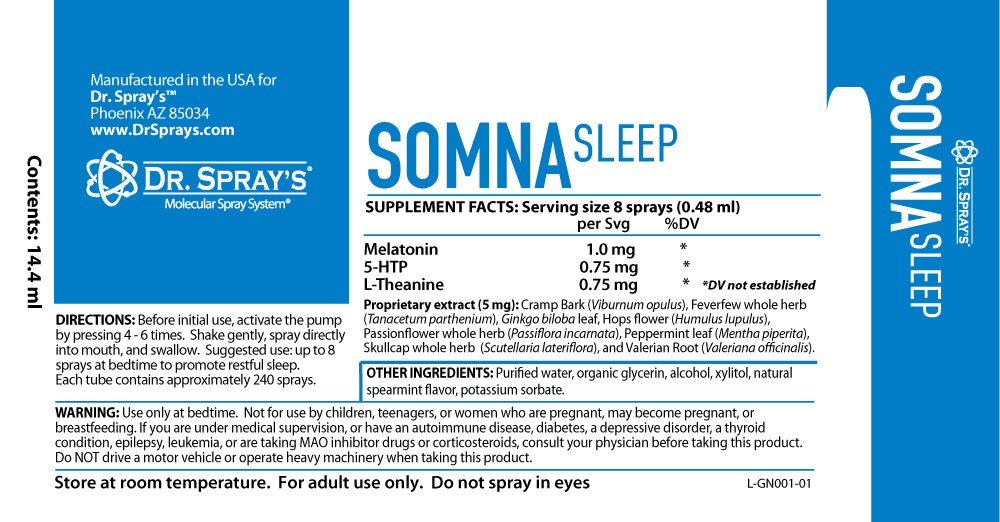
Are melatonin supplements safe for 4-year-olds?
While melatonin is widely available, the American Academy of Pediatrics suggests trying behavioral approaches first. If considering melatonin, consult your pediatrician about appropriate dosing and timing. Focus first on supporting your child's natural melatonin production through consistent sleep schedules, light exposure patterns, and proper nutrition including vitamin D and B vitamins.
What if my 4-year-old says they're not tired at bedtime?
Children often don't recognize their own tiredness signals. Maintain consistent bedtime regardless of protests. Adjust the routine to include very calm activities that don't require active parental participation—your child can look at books independently in bed even if not immediately sleepy. If genuine difficulty falling asleep persists beyond 30-45 minutes regularly, bedtime may be too early.
How can I help my child who wakes up too early?
Ensure the bedroom stays dark in early morning using blackout curtains. Use a toddler clock that changes color at acceptable wake time, teaching your child to stay quietly in bed until the signal. Avoid responding immediately to early wake calls, as this reinforces the behavior. Gradually shift bedtime 15 minutes later if your child consistently wakes very early feeling fully rested.
Transform Bedtime from Battle to Peaceful Routine
Helping your four-year-old develop healthy sleep habits requires patience, consistency, and understanding of their developmental needs. By implementing structured bedtime routines, optimizing the sleep environment, ensuring adequate physical activity, and supporting their body's natural sleep processes through proper nutrition, you can transform challenging bedtimes into peaceful transitions.
Remember that every child is unique—what works perfectly for one may need adjustment for another. Stay consistent with your chosen approaches for at least two weeks before evaluating effectiveness. The investment you make now in establishing healthy sleep habits will benefit your child's physical health, emotional regulation, and cognitive development for years to come.
When sleep challenges persist despite your best efforts, don't hesitate to seek professional guidance. Sleep is too important for overall health and development to let chronic problems continue unaddressed.
Support Your Child's Sleep with Superior Nutrition
Proper nutrition plays a vital role in healthy sleep patterns. If you're concerned your child may not be getting optimal levels of sleep-supporting nutrients, consider doctor-developed vitamin sprays that deliver essential vitamins with up to 90% absorption.
Explore our full range of oral spray vitamins formulated for maximum bioavailability, manufactured in our FDA-registered, GMP-certified facility in Phoenix, Arizona. From vitamin D3 spray to support circadian rhythm regulation to vitamin B12 spray for energy regulation, our spray supplements make it easy to ensure your family gets the nutrients they need for healthy sleep and overall wellness.
Questions about which spray supplement is right for your family? Contact our team for personalized guidance from our knowledgeable staff.