Getting a 5-year-old to sleep can feel like an Olympic sport for exhausted parents. Between boundless energy, bedtime resistance, and the classic "just one more story" requests, establishing a consistent sleep routine requires patience, strategy, and sometimes a little extra nutritional support.
This comprehensive guide explores evidence-based approaches to help your 5-year-old develop healthy sleep habits, including the role that proper nutrition and vitamin spray supplementation can play in supporting natural sleep patterns.
Understanding Sleep Needs for 5-Year-Olds
According to the American Academy of Sleep Medicine, children aged 3-5 years need 10-13 hours of sleep per 24-hour period. At age 5, most children have transitioned away from daytime naps, making nighttime sleep quality even more critical for their development, behavior, and overall health.
Sleep deprivation in young children can manifest as:
- Hyperactivity and difficulty concentrating
- Mood swings and emotional outbursts
- Weakened immune function
- Slower cognitive development
- Behavioral problems at school or home
Understanding these stakes helps parents prioritize consistent bedtime routines even when life gets busy.
Common Sleep Challenges at Age 5
Five-year-olds face unique sleep obstacles that differ from both toddlers and older children. Recognizing these challenges is the first step toward addressing them effectively.
Increased Independence and Boundary Testing
At this age, children are developing autonomy and often test limits around bedtime. They may negotiate for later bedtimes, request multiple trips to the bathroom, or call out repeatedly after lights-out. This behavior is developmentally normal but requires consistent responses from caregivers.
Active Imaginations and Nighttime Fears
Five-year-olds have vivid imaginations that can work against them at bedtime. Fears of monsters, darkness, or separation from parents become more pronounced. These anxieties are real to your child and deserve acknowledgment rather than dismissal.
Physical Energy and Insufficient Daytime Activity
Children who don't burn enough physical energy during the day often struggle to settle at night. Modern sedentary activities like screen time can compound this problem, leaving children mentally stimulated but physically restless.
Nutritional Deficiencies Affecting Sleep
Certain vitamin and mineral deficiencies can directly impact sleep quality. Low levels of vitamin D, magnesium, and B vitamins have been linked to sleep disturbances in children. Addressing these gaps through diet and supplementation may improve sleep outcomes.
Creating an Effective Bedtime Routine
Consistency is the cornerstone of successful sleep habits. A predictable bedtime routine signals to your child's body that sleep is approaching, triggering natural melatonin production and preparing them for rest.
The Ideal Timeline: 60-90 Minutes Before Bed
Begin winding down at least an hour before your target bedtime. This allows sufficient time for calming activities without rushing, which can increase stress and resistance.
A sample routine might include:
- 6:30 PM: Light dinner (avoid heavy, sugary, or caffeinated foods)
- 7:00 PM: Bath time with calming lavender soap
- 7:20 PM: Pajamas and teeth brushing
- 7:30 PM: Quiet play or coloring
- 7:45 PM: Reading time in bed
- 8:00 PM: Lights out with a brief cuddle or back rub
Screen Time Boundaries
Blue light from tablets, phones, and televisions suppresses melatonin production, making it harder to fall asleep. Establish a firm "no screens" rule at least two hours before bedtime. Replace evening screen time with books, puzzles, or conversation.
The Power of Routine Consistency
Follow the same sequence every night, even on weekends. Children thrive on predictability, and their bodies will begin to anticipate sleep at the appropriate time. Consistency also reduces bedtime negotiations because expectations are clear.
Optimizing the Sleep Environment
The bedroom environment significantly impacts sleep quality. Small adjustments can make a meaningful difference in how quickly your child falls asleep and how well they sleep through the night.
Temperature and Darkness
Keep the room cool (between 65-70°F) and as dark as possible. If your child fears complete darkness, use a dim red or amber nightlight rather than white or blue lights that interfere with melatonin production.
Noise Control
White noise machines can mask household sounds and create a consistent auditory environment. Many children find these soothing, particularly if they share a room with siblings.
Comfortable Bedding
Invest in comfortable, breathable sheets and an age-appropriate pillow. Let your child help choose bedding with their favorite colors or characters to increase their investment in bedtime.
Safety and Comfort Items
A special stuffed animal or blanket can provide comfort during the transition to sleep. These transitional objects help children self-soothe when they wake briefly during the night.
The Role of Nutrition in Children's Sleep
What your child eats and drinks throughout the day—and especially in the evening—directly affects their ability to fall asleep and sleep soundly.
Sleep-Promoting Foods
Certain foods naturally support sleep by providing nutrients that facilitate melatonin and serotonin production:
- Complex carbohydrates (whole grain toast, oatmeal)
- Foods rich in tryptophan (turkey, eggs, cheese)
- Magnesium-rich options (bananas, nuts, leafy greens)
- Calcium sources (milk, yogurt, fortified plant milk)
Foods and Drinks to Avoid
Limit or eliminate these items in the evening hours:
- Sugary snacks and desserts that cause energy spikes
- Caffeinated beverages (including chocolate milk)
- Heavy, fatty meals that may cause digestive discomfort
- Excessive liquids that increase nighttime bathroom trips
Vitamin Deficiencies That Impact Sleep
Research indicates several nutrients play crucial roles in sleep regulation for children. Deficiencies in these areas may contribute to sleep difficulties.
Vitamin D3: Studies show that vitamin D deficiency correlates with shorter sleep duration and poorer sleep quality in children. Vitamin D receptors are present in areas of the brain that regulate sleep. A vitamin D3 spray offers an efficient delivery method, particularly for children who have difficulty swallowing pills or who may not get adequate sun exposure during winter months.
At DrSprays, our Vitamin D3 spray is formulated for optimal absorption, delivering this critical nutrient directly through the oral mucosa for faster uptake than traditional tablets.
Vitamin B12: This vitamin supports neurological function and helps regulate circadian rhythms. B12 deficiency can cause sleep-wake cycle disruptions. Children following vegetarian or vegan diets may be particularly at risk for B12 deficiency. A vitamin B12 spray provides an easy supplementation option that bypasses digestive absorption challenges.
Magnesium: Known as nature's relaxation mineral, magnesium helps calm the nervous system and relax muscles. While not available in all spray formats, ensuring adequate magnesium intake through diet or supplementation supports better sleep.
When to Consider Vitamin Spray Supplements
While whole foods should always be the primary source of nutrition, oral spray vitamins can fill gaps when dietary intake is insufficient or when absorption issues are present.
Advantages of Spray Delivery for Children
Spray supplements offer several benefits over traditional pills or gummies for young children:
- No choking hazard: Eliminates the risk associated with swallowing pills
- Superior absorption: Nutrients enter the bloodstream through the oral mucosa, bypassing first-pass metabolism in the digestive system
- Faster action: Sublingual absorption typically works more quickly than tablets
- Easy administration: Simple spray format that children find less intimidating
- Accurate dosing: Measured spray delivery ensures consistent amounts
- Pleasant experience: Better-tasting than many pills, with no texture issues
Quality and Safety Considerations
When selecting vitamin spray products for your child, prioritize quality and safety certifications. Products manufactured in FDA-registered, GMP-certified facilities ensure consistent quality standards and rigorous testing.
DrSprays produces all formulations in our Phoenix, Arizona facility under strict quality controls. Our doctor-developed formulas are designed for optimal bioavailability, with absorption rates reaching 90%—significantly higher than many traditional supplement forms.
Targeted Sleep Support with Somna Spray
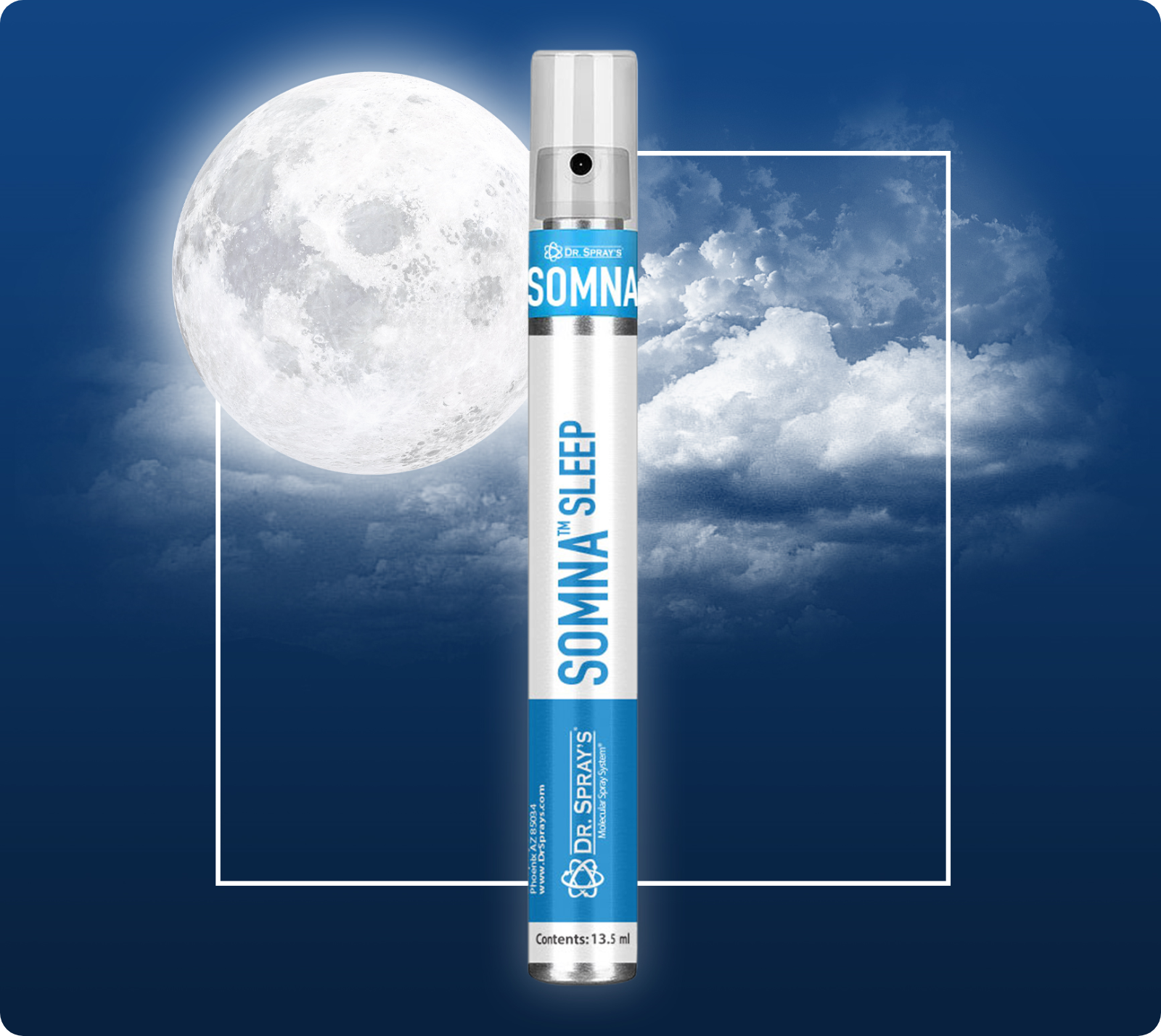
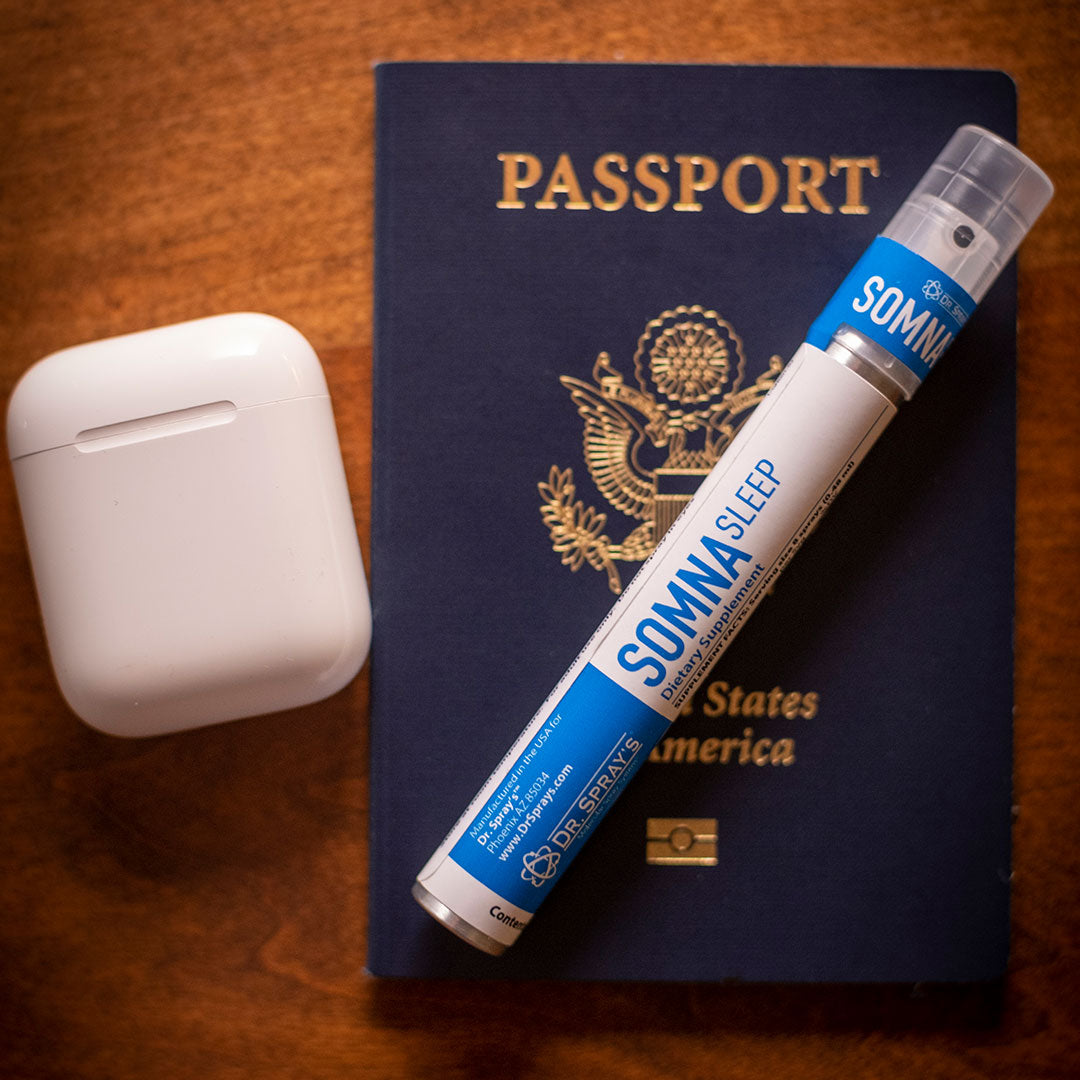
For children experiencing persistent sleep difficulties, targeted nutritional support may help establish healthier sleep patterns. Our Somna Sleep spray combines natural ingredients that work synergistically to promote relaxation and support the body's natural sleep cycle.
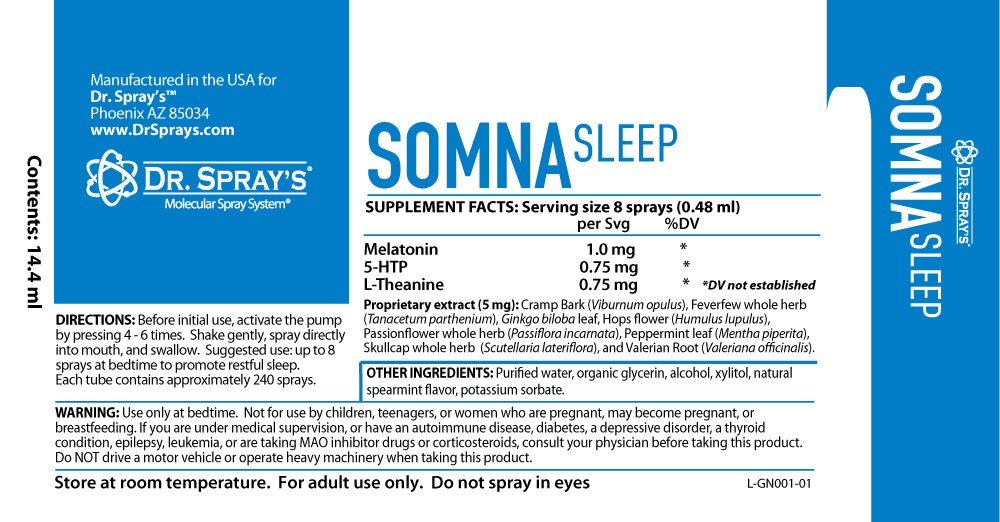
Formulated with melatonin, GABA, and calming botanicals, Somna provides gentle support for occasional sleeplessness. The spray delivery system allows for flexible dosing and quick absorption, making it ideal for children who need help winding down at bedtime.
Always consult with your pediatrician before introducing any new supplement, including sleep support products, to ensure appropriateness for your child's individual needs.
Behavioral Strategies for Bedtime Success
Combining nutritional support with proven behavioral techniques creates the most effective approach to sleep challenges.
The Bedtime Pass System
Give your child one or two "bedtime passes" they can exchange for a brief interaction after lights-out—a drink of water, one more hug, or a bathroom trip. Once passes are used, no further requests are honored. This system acknowledges their needs while setting clear boundaries.
Positive Reinforcement
Create a sticker chart or reward system for successful bedtime cooperation. Focus on specific behaviors: staying in bed, using a calm voice, or completing the bedtime routine without resistance. Celebrate progress rather than perfection.
Gradual Retreat Method
If your child struggles with separation anxiety at bedtime, try gradually reducing your presence. Start by sitting next to the bed, then move progressively farther away over several nights until you're outside the door, then down the hall. This builds independence while maintaining security.
Addressing Nighttime Fears
Take fears seriously and validate your child's feelings. Use a "monster spray" (water in a spray bottle), check closets together, or create a worry box where fears are "locked up" for the night. Problem-solve together during daytime hours when anxiety is lower.
Physical Activity and Sleep Connection
Adequate physical activity during the day is essential for quality sleep at night. The Centers for Disease Control recommends at least 60 minutes of physical activity daily for children.
Timing Matters
Encourage active play earlier in the day and early evening, but avoid vigorous exercise within two hours of bedtime. Physical activity stimulates cortisol production, which can interfere with the natural evening rise in melatonin.
Outdoor Time Benefits
Natural sunlight exposure, particularly in the morning, helps regulate circadian rhythms. Outdoor play combines physical activity with light exposure, supporting both daytime alertness and nighttime sleepiness.
Supporting Overall Health for Better Sleep
Sleep doesn't exist in isolation—it's connected to your child's overall health, nutrition, and daily routines.
Immune Function and Sleep
Sleep and immune health have a bidirectional relationship. Poor sleep weakens immunity, while frequent illness disrupts sleep. Supporting immune function with adequate nutrition, including vitamins C and D, helps maintain the healthy sleep-wake cycles your child needs.
Our Vitamin C + Zinc spray provides immune support with the convenience and superior absorption of spray delivery, helping maintain the robust health that underlies good sleep.
Comprehensive Nutritional Support
A well-nourished child sleeps better. Consider a high-quality multivitamin spray to fill nutritional gaps, particularly if your child is a picky eater. Comprehensive nutrition supports every body system, including those that regulate sleep.
When to Seek Professional Help
While most childhood sleep issues resolve with consistent routines and patience, some situations warrant professional evaluation.
Consult your pediatrician if your child experiences:
- Loud snoring or breathing pauses during sleep (possible sleep apnea)
- Extreme daytime sleepiness despite adequate nighttime sleep
- Frequent nightmares or night terrors that persist beyond age 6
- Significant sleep disruptions lasting more than three months
- Behavioral problems at school related to tiredness
- Signs of restless leg syndrome or periodic limb movements
A pediatric sleep specialist can conduct evaluations to rule out underlying sleep disorders that require specific treatment.
Creating Sustainable Sleep Habits
The strategies you implement now establish patterns that will serve your child for years to come. Consistency, patience, and a holistic approach addressing both behavioral and nutritional factors create the strongest foundation for healthy sleep.
Remember that setbacks are normal. Travel, illness, developmental leaps, and life changes can temporarily disrupt even well-established routines. Return to your consistent approach as quickly as possible after disruptions, and sleep patterns will typically normalize within a few days.
The Phoenix Advantage: Local Quality You Can Trust
At DrSprays, we understand the challenges parents face in supporting their children's health. That's why we've dedicated ourselves to creating superior spray supplements right here in Phoenix, Arizona, using doctor-developed formulas and pharmaceutical-grade ingredients.
Our FDA-registered, GMP-certified facility ensures every bottle meets rigorous quality standards. When you choose DrSprays products, you're supporting both your child's health and American manufacturing excellence.
Frequently Asked Questions
What time should a 5-year-old go to bed?
Most 5-year-olds should be asleep between 7:00-8:30 PM, depending on their wake time. Calculate backward from their morning wake time to ensure they get 10-12 hours of sleep. A child who wakes at 6:30 AM should be asleep by 7:30 PM at the latest.
How long should a bedtime routine take for a 5-year-old?
An effective bedtime routine typically takes 30-60 minutes from start to finish. This includes bath time, changing into pajamas, brushing teeth, reading stories, and final cuddles. Shorter routines may feel rushed and increase resistance, while longer routines can become drawn-out negotiations.
Are vitamin sprays safe for children?
Yes, when used as directed and sourced from reputable manufacturers. Oral spray vitamins are safe and often preferable for children who struggle with pills. Always choose products from FDA-registered facilities, follow dosage instructions carefully, and consult your pediatrician before starting any new supplement, especially for children under age 4.
Can vitamin D deficiency cause sleep problems in children?
Research suggests a connection between vitamin D deficiency and sleep disturbances in children, including difficulty falling asleep, frequent night waking, and shorter overall sleep duration. Vitamin D receptors in the brain influence sleep-regulating pathways. A vitamin D3 spray can help address deficiency when sun exposure and dietary sources are insufficient.
What should I do if my child keeps getting out of bed?
Respond consistently and calmly each time. Use minimal interaction—gently return your child to bed without extended conversation, negotiation, or emotional reactions. The bedtime pass system can reduce this behavior by giving children limited, controlled opportunities to leave their room. Consistency is key; most children stop testing boundaries once they realize the response never changes.
How can I tell if my child isn't getting enough sleep?
Signs of sleep deprivation in 5-year-olds include difficulty waking in the morning, hyperactivity or low energy during the day, frequent emotional meltdowns, falling asleep during car rides at unusual times, difficulty concentrating, and increased illness frequency. Children who are well-rested wake naturally, maintain stable moods, and have energy for age-appropriate activities throughout the day.
Is melatonin safe for 5-year-olds?
Melatonin supplementation for children remains a topic of ongoing research. While many pediatricians recommend low-dose melatonin for short-term use in specific situations, it should only be used under medical supervision. Always try behavioral and environmental interventions first. If sleep difficulties persist, consult your pediatrician about whether melatonin or our Somna Sleep spray might be appropriate for your child.
What's the difference between spray vitamins and gummy vitamins?
Spray supplements offer superior absorption because nutrients enter the bloodstream through the oral mucosa, bypassing the digestive system. They also avoid the added sugars common in gummy vitamins, deliver more accurate dosing, and eliminate choking risks. The spray format typically allows for higher bioavailability—our formulations achieve up to 90% absorption compared to 10-30% for many tablet and gummy forms.
Should I wake my 5-year-old from naps?
Most 5-year-olds no longer need naps. If your child naps during the day, it may interfere with nighttime sleep. If they fall asleep during the day, keep naps short (30 minutes maximum) and ensure they occur before 3 PM. If your child regularly seems exhausted during the day despite adequate nighttime sleep opportunity, consult your pediatrician to rule out underlying sleep disorders.
How do I transition from co-sleeping to independent sleeping at age 5?
Transition gradually using positive reinforcement. Start by creating an appealing sleep space your child helps design. Use the gradual retreat method, slowly reducing your presence over several weeks. Offer a special transitional object like a stuffed animal. Celebrate small successes with rewards. Expect some resistance and regression—consistency and patience will eventually succeed. Some families find success alternating nights, slowly increasing the frequency of independent sleeping.
About the Author
This article was developed by the research and content team at DrSprays, a Phoenix, Arizona-based manufacturer of doctor-formulated vitamin and supplement sprays. Our team works closely with healthcare professionals to translate the latest nutritional science into practical guidance for families. All DrSprays products are manufactured in our FDA-registered, GMP-certified facility to ensure the highest quality standards.
Take the Next Step Toward Better Sleep
Supporting your 5-year-old's sleep doesn't have to be a nightly battle. With consistent routines, an optimized sleep environment, and proper nutritional support, you can help your child develop the healthy sleep habits that will benefit them for a lifetime.
If nutritional gaps may be contributing to your child's sleep challenges, consider the targeted support that vitamin spray supplementation can provide. Our doctor-developed formulas deliver the nutrients children need in a format they'll actually use—no fighting over pills or concerns about absorption.
Explore our complete line of spray vitamins and supplements designed for superior absorption and easy use. From Vitamin D3 to support sleep regulation, to our specialized Somna Sleep formula for occasional sleep support, DrSprays offers solutions backed by science and made with care in Phoenix, Arizona.
Have questions about which products might benefit your child? Contact our team for personalized guidance, or speak with your pediatrician about incorporating DrSprays products into your child's health routine.
Better sleep starts tonight—and we're here to support your family every step of the way.