Getting a four-year-old to sleep can feel like an impossible task for many parents. Between the bedtime battles, endless requests for water, and the classic "just one more story," establishing a consistent sleep routine often becomes the most challenging part of the day. If you're struggling with this nightly challenge, you're not alone—and there are proven strategies that can help.
Understanding the science behind your preschooler's sleep needs is the first step toward creating peaceful bedtimes. At age four, children require approximately 10-13 hours of sleep per night to support their rapid physical growth, cognitive development, and emotional regulation. When sleep is compromised, you'll likely notice increased tantrums, difficulty concentrating, and behavioral challenges that ripple through the entire day.
Understanding Your 4-Year-Old's Sleep Needs
Four-year-olds are at a fascinating developmental stage. Their imaginations are exploding, they're testing boundaries, and their bodies are growing at an incredible rate. All of this development requires quality sleep to process new information, consolidate memories, and repair tissues.
At this age, most children have transitioned away from daytime naps, though some may still benefit from a quiet rest period in the afternoon. The key is ensuring that any daytime rest doesn't interfere with nighttime sleep. If your child naps after 3 PM, you may find bedtime becomes significantly more difficult.
Signs Your Child Isn't Getting Enough Sleep
- Increased irritability and emotional outbursts
- Difficulty waking in the morning
- Hyperactivity or difficulty sitting still
- Decreased attention span
- Clumsiness or increased accidents
- Falling asleep during car rides or quiet activities
Recognizing these signs early allows you to adjust your approach before sleep deprivation affects your child's overall well-being.
Creating the Perfect Bedtime Routine
Consistency is the cornerstone of successful sleep habits for preschoolers. Your four-year-old thrives on predictability, and a well-structured bedtime routine signals to their brain and body that sleep is approaching.
Start the Wind-Down Early
Begin your bedtime routine at least 30-45 minutes before you want your child asleep. This transition period is crucial for shifting from active play to a calm, restful state. Rushing through bedtime activities often backfires, creating resistance and anxiety around sleep.
Dim the lights throughout your home as evening approaches. Bright lights suppress melatonin production, the hormone responsible for regulating sleep-wake cycles. Creating a darker environment helps trigger your child's natural sleepiness.
The Ideal Bedtime Sequence
- Dinner at a consistent time: Aim for at least two hours before bed to allow proper digestion
- Bath time: The drop in body temperature after a warm bath promotes sleepiness
- Pajamas and teeth brushing: Make hygiene part of the routine, not a negotiation
- Quiet activities: Reading, gentle conversation, or soft music
- Final goodnight: Keep it brief and loving, then leave the room
Each family's routine will look slightly different, but the key is maintaining the same order and timing every night, including weekends. This consistency reinforces your child's circadian rhythm.
The Sleep Environment Matters
Creating an optimal sleep environment is just as important as your bedtime routine. Your child's bedroom should be a sanctuary designed specifically for rest.
Temperature Control
The ideal bedroom temperature for sleep is between 65-70°F. Children sleep better in cooler rooms, though you'll want to ensure they have appropriate bedding. Here in Phoenix, Arizona, where temperatures can soar, maintaining a consistent cool temperature throughout the night is particularly important for quality sleep.
Darkness and Light Management
While some children feel more secure with a nightlight, keep it as dim as possible—preferably a warm, amber-toned light rather than blue-spectrum light that can interfere with sleep. Blackout curtains can be particularly helpful for early risers or during summer months when sunset comes late.
Sound Considerations
White noise machines can help mask household sounds and create a consistent auditory environment. However, keep the volume low—around 50 decibels or quieter—to protect your child's developing hearing.
Addressing Common Sleep Challenges
Even with perfect routines and environments, four-year-olds present unique sleep challenges. Understanding why these issues occur helps you respond effectively.
The Curtain Call Phenomenon
After you've said goodnight, does your child suddenly need water, another hug, to tell you something important, or to use the bathroom? These "curtain calls" are common stalling tactics. Address them by:
- Including these needs in the bedtime routine (water bottle accessible, final bathroom trip, extra hug built in)
- Calmly but firmly reminding them that everything they need has been provided
- Avoiding extended conversations or engagement during curtain calls
- Returning them to bed without frustration or lengthy explanations
Nighttime Fears and Anxiety
Four-year-olds have vivid imaginations, which can manifest as bedtime fears. Monster spray, dream catchers, or a special stuffed animal "protector" can provide comfort. Take their fears seriously without reinforcing them—acknowledge feelings while maintaining confidence in their safety.
Early Morning Wake-Ups
If your child consistently wakes too early, ensure their room stays dark until an appropriate wake time. Teaching them to stay in bed until a specific time (using a toddler clock that changes color) respects everyone's sleep needs while building independence.
The Role of Nutrition in Sleep Quality
What your child eats—and when—significantly impacts their ability to fall asleep and stay asleep. Certain nutrients play direct roles in sleep regulation and the production of sleep-supporting hormones.
Key Nutrients for Healthy Sleep
Vitamin B12: This essential vitamin supports the production of melatonin and helps regulate circadian rhythms. B12 deficiency has been linked to sleep disturbances in children. A vitamin B12 spray offers superior absorption compared to traditional pills, which can be particularly helpful for children with absorption issues.
Vitamin D3: Often called the "sunshine vitamin," D3 plays a crucial role in sleep regulation. Research shows that vitamin D deficiency correlates with sleep problems in children. Since many children don't get adequate sun exposure—especially during school hours or in regions with intense sun like Arizona—supplementation may be necessary. Vitamin D3 spray provides an easy, effective delivery method without the challenge of swallowing pills.
Magnesium: This mineral supports the nervous system and promotes relaxation. Foods rich in magnesium include bananas, whole grains, and leafy greens.
Complex Carbohydrates: A small bedtime snack containing complex carbs can prevent hunger from disrupting sleep without causing blood sugar spikes.
Foods to Avoid Before Bed
Limit sugar, caffeine (including chocolate), and large meals within two hours of bedtime. These can interfere with falling asleep and maintaining deep, restorative sleep cycles.
When to Consider Supplementation
While a balanced diet should provide most nutrients, modern eating patterns and individual variations mean some children benefit from supplementation. Before starting any supplement regimen, consult with your pediatrician to identify specific needs through appropriate testing.
The Advantages of Spray Supplements
Traditional pills and gummies present challenges for young children—choking hazards, difficulty swallowing, or poor absorption. Oral spray vitamins offer distinct advantages:
- Superior absorption: Spray supplements bypass the digestive system, entering the bloodstream directly through the mucous membranes for up to 90% absorption rate
- Easy administration: No choking risk or battle over swallowing pills
- Precise dosing: Each spray delivers a consistent, measured amount
- Fast-acting: Effects can be noticed more quickly than with pills that must be digested
For families in Phoenix, Arizona and beyond, vitamin spray options provide a practical solution for supporting children's nutritional needs without added stress.
The Impact of Daily Activity on Sleep
Physical activity directly influences sleep quality. Four-year-olds need substantial active play each day—ideally at least three hours of physical activity, including both structured and unstructured play.
Timing Physical Activity
While exercise promotes better sleep, timing matters. Avoid vigorous physical activity within two hours of bedtime, as this can be overstimulating. Instead, focus on active play during morning and afternoon hours, transitioning to calmer activities as evening approaches.
Outdoor Time Benefits
Exposure to natural light during the day strengthens circadian rhythms. Morning sunlight is particularly beneficial for setting your child's internal clock. Even 20-30 minutes of outdoor time can make a significant difference in nighttime sleep quality.
Screen Time and Sleep Disruption
The relationship between screen time and sleep problems in children is well-documented. Blue light from devices suppresses melatonin production, making it harder to fall asleep even hours after screen exposure.
Establishing Screen Time Boundaries
The American Academy of Pediatrics recommends limiting screen time and establishing a "digital sunset" at least one hour before bed—ideally two hours. This includes:
- Television
- Tablets and smartphones
- Computers and video games
- Even educational programming
Replace screen time with conversation, reading, puzzles, or other calm activities that don't involve digital devices.
Supporting Your Child's Overall Health
Sleep doesn't exist in isolation—it's interconnected with overall health, nutrition, emotional well-being, and daily routines. A holistic approach addresses all these factors together.
Building a Foundation of Health
Consider the bigger picture of your child's wellness:
- Consistent meal times: Regular eating schedules support stable blood sugar and predictable energy patterns
- Adequate hydration: Throughout the day, not right before bed
- Emotional security: Address stressors, transitions, or anxieties that may surface at bedtime
- Family connection: Quality time during the day reduces the need to seek attention at night
For comprehensive nutritional support, consider a multivitamin spray designed to fill common dietary gaps. These formulations provide balanced nutrition in an easy-to-use format.
When to Seek Professional Help
Most sleep challenges in four-year-olds resolve with consistent routines and appropriate interventions. However, certain signs indicate it's time to consult your pediatrician or a sleep specialist:
- Chronic snoring or breathing pauses during sleep
- Excessive daytime sleepiness despite adequate nighttime sleep
- Severe resistance to sleep that doesn't improve with consistent routines
- Sleep disturbances lasting more than a few weeks
- Signs of sleep disorders like sleepwalking or night terrors occurring frequently
Your child's doctor can rule out underlying medical conditions, assess for sleep disorders, and provide personalized guidance.
Patience and Consistency: Your Best Tools
Establishing healthy sleep habits takes time. You may not see immediate results, and there will be setbacks—vacations, illnesses, and developmental leaps can all disrupt even the best routines. The key is returning to your established patterns as quickly as possible after disruptions.
Remember that every child is unique. What works perfectly for one four-year-old may need adjustment for another. Pay attention to your child's individual cues and responses, adapting strategies as needed while maintaining core principles of consistency, routine, and a supportive sleep environment.
Frequently Asked Questions
What time should a 4-year-old go to bed?
Most four-year-olds should go to bed between 7:00 and 8:30 PM, depending on their wake time. The goal is to ensure 10-13 hours of total sleep. If your child wakes at 6:30 AM, a bedtime around 7:00-7:30 PM is appropriate. Consistency matters more than the exact time—choose a bedtime that works for your family and stick to it.
How long should a bedtime routine take for a 4-year-old?
An effective bedtime routine should take 30-45 minutes from start to finish. This includes bath time, brushing teeth, changing into pajamas, reading stories, and final goodnight. If your routine regularly exceeds an hour, it may be too long and actually delay sleep rather than promote it.
Should my 4-year-old still be napping?
Most four-year-olds have outgrown the need for daily naps. However, some children still benefit from a short rest period (30-60 minutes) in the early afternoon. If napping makes bedtime difficult or your child resists naps completely, it's likely time to eliminate them. Replace nap time with quiet activities that allow for rest without actual sleep.
Can vitamin spray supplements help my child sleep better?
Certain nutrients play important roles in sleep regulation. If your child has deficiencies in vitamins B12 or D3, addressing these gaps through diet or supplementation may improve sleep quality. Spray supplements offer superior absorption compared to traditional pills and are easier for young children to take. Always consult your pediatrician before starting any supplement regimen to identify specific nutritional needs.
What should I do if my 4-year-old wakes up during the night?
Brief nighttime awakenings are normal—the goal is teaching your child to self-soothe and return to sleep independently. If your child calls out, wait a moment before responding to see if they settle themselves. If you need to intervene, keep interactions brief, boring, and in dim lighting. Avoid bringing them to your bed, turning on bright lights, or engaging in conversation. Calmly reassure them and return them to their own bed.
How do I handle bedtime resistance and stalling tactics?
Anticipate common stalling tactics by building them into your routine: offer water, schedule a final bathroom trip, and provide an extra hug before lights out. Once you've said final goodnight, remain calm but firm. Avoid negotiating or providing extra attention for curtain calls. Consistency is crucial—if you sometimes give in to requests and sometimes don't, you'll actually reinforce the behavior.
Are oral spray vitamins better than gummies for children?
Spray supplements offer several advantages over gummies for children. They provide superior absorption rates (up to 90% compared to 10-20% for some pill forms), have no choking risk, contain no added sugars or unnecessary ingredients often found in gummies, and deliver precise dosing with each spray. Additionally, many gummy vitamins lack certain nutrients because they're unstable in that format, whereas spray vitamins can deliver a complete range of nutrients.
What's the best way to transition from inconsistent sleep schedules to a routine?
Start by establishing a consistent wake time every day, including weekends. This anchors your child's circadian rhythm. Then work backward to determine an appropriate bedtime. Implement your new routine gradually if needed—shifting bedtime by 15 minutes every few nights until you reach your target time. Most importantly, maintain absolute consistency once you've established your schedule. It typically takes 2-3 weeks for new sleep patterns to feel natural.
About the Author
This article was developed by the research team at DrSprays, a Phoenix, Arizona-based company specializing in doctor-developed oral vitamin sprays. Our FDA-registered, GMP-certified facility produces high-quality spray supplements designed for superior absorption and ease of use. We're committed to providing evidence-based health information to help families make informed decisions about nutrition and wellness.
Supporting Your Family's Sleep and Wellness
Helping your four-year-old develop healthy sleep habits is one of the most valuable gifts you can give them. Quality sleep supports every aspect of their development—physical growth, cognitive function, emotional regulation, and immune health.
While establishing routines and creating optimal sleep environments form the foundation of good sleep hygiene, ensuring your child receives adequate nutrition supports these efforts. Many children have nutritional gaps that may affect sleep quality, energy levels, and overall well-being.
If you're concerned about your child's nutritional status or looking for easier ways to ensure they receive essential vitamins, consider the benefits of spray supplements. DrSprays offers a complete line of doctor-developed vitamin sprays, including formulations specifically designed to support healthy sleep patterns.
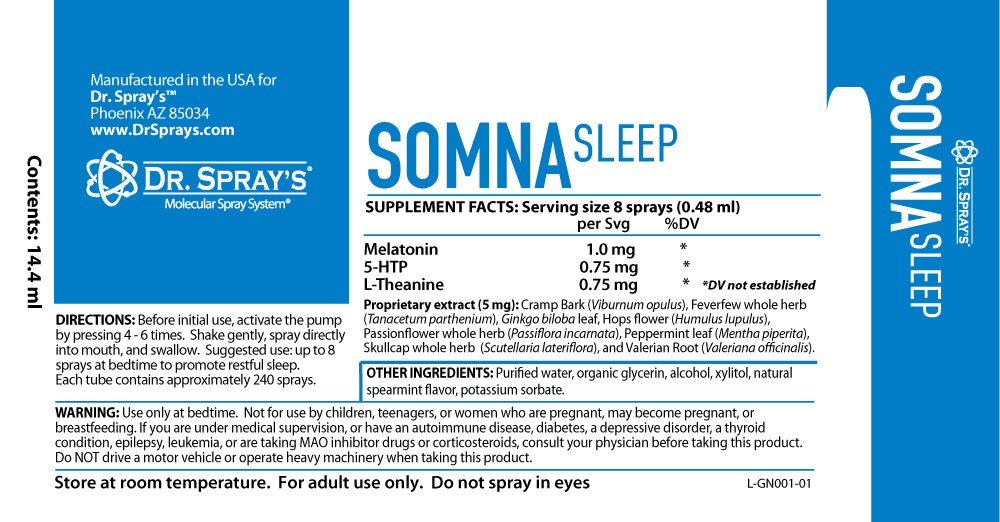
Our Sleep Support spray combines nutrients that promote natural relaxation and healthy sleep cycles, while our comprehensive range of individual vitamin sprays allows you to target specific nutritional needs. All our products are manufactured in our FDA-registered, GMP-certified facility in Phoenix, Arizona, ensuring the highest quality standards.
Visit DrSprays.com to explore our full product line and discover how spray supplements can support your family's health and wellness journey. With 90% absorption rates and easy administration, our vitamin sprays make daily nutrition simple—leaving you more time to focus on what matters most: your family.