Bedtime with a two-year-old can feel like an Olympic event—complete with negotiations, tears, and endless curtain calls. If you're struggling to establish a peaceful sleep routine for your toddler, you're not alone. This comprehensive guide explores evidence-based strategies to help your two-year-old fall asleep more easily and stay asleep through the night.
Understanding Two-Year-Old Sleep Patterns
Two-year-olds typically need 11-14 hours of sleep in a 24-hour period, including one daytime nap. However, this age marks a significant developmental phase where children assert independence, experience separation anxiety, and possess vivid imaginations—all factors that can complicate bedtime.
Their sleep architecture is also maturing. At two years old, children spend more time in lighter sleep stages than infants do, making them more susceptible to waking from environmental disruptions. Understanding these patterns helps parents set realistic expectations and develop appropriate strategies.
Common Sleep Challenges at This Age
Several developmental milestones intersect at age two, creating the perfect storm for bedtime resistance:
- Separation anxiety peaks: Your toddler may fear being away from you, even in familiar surroundings
- Increased independence: The desire to assert control often manifests as bedtime battles
- Active imagination: Fear of the dark or imaginary creatures becomes more common
- Nap transitions: Some children are ready to drop their nap, while others still need it
- Physical development: Climbing skills may lead to crib escapes or toddler bed challenges
Creating the Ideal Sleep Environment
Your child's bedroom should be a sleep sanctuary. Environmental factors significantly impact how quickly and deeply your two-year-old sleeps.
Optimize the Physical Space
Temperature matters more than many parents realize. Keep the room between 65-70°F (18-21°C). In warmer climates like Phoenix, Arizona, where summer temperatures soar, maintaining a cool bedroom requires attention to air conditioning settings and breathable bedding materials.
Darkness signals the brain to produce melatonin, the sleep hormone. Install blackout curtains or shades to eliminate light pollution from streetlights or early morning sun. A small nightlight with red or amber tones (which don't suppress melatonin production) can provide comfort without disrupting sleep chemistry.
White noise machines mask disruptive sounds and create consistent auditory cues that signal sleep time. Choose continuous sounds rather than those with music or nature sounds that may include sudden volume changes.
Safety Considerations
If your two-year-old is still in a crib, ensure the mattress is at the lowest setting. Once they can climb out (typically around 35 inches tall), transition to a toddler bed for safety. Remove potential hazards like heavy toys, cords, or furniture they could climb.
Establishing a Consistent Bedtime Routine
Predictability is the cornerstone of healthy toddler sleep. A consistent bedtime routine signals the body that sleep is approaching, triggering physiological changes that promote drowsiness.
The 30-Minute Wind-Down
Begin your routine 30-45 minutes before you want your child asleep. This provides enough time to complete calming activities without rushing:
- Bath time (10-15 minutes): Warm water relaxes muscles and the subsequent temperature drop after bathing promotes sleepiness
- Pajamas and grooming (5 minutes): Teeth brushing, diaper change, and comfortable sleepwear
- Quiet activity (10-15 minutes): Reading books, gentle conversation, or quiet songs
- Final goodnight routine (5 minutes): Tuck-in, any comfort objects, lights out
Consistency is critical. Perform these activities in the same order, in the same location, every night—including weekends and during travel when possible.
Choosing the Right Bedtime
Watch for your child's natural sleep cues: eye rubbing, yawning, decreased activity, or clinginess. These typically appear around the same time each evening. Aim to have your child in bed during this "sleep window"—missing it can lead to overtiredness and increased cortisol, making sleep more difficult.
Most two-year-olds do best with a bedtime between 7:00-8:00 PM. Earlier bedtimes often result in better sleep than later ones, counterintuitive as that may seem.
Addressing Behavioral Sleep Challenges
Even with perfect environmental conditions and routines, behavioral challenges can derail sleep. Here's how to handle common issues.
The "One More" Requests
Two-year-olds are masters at delaying tactics: one more story, one more hug, one more drink. Set clear expectations during the routine: "After this book, it's sleep time." When requests come, calmly redirect: "We already did that. It's sleep time now."
Consider a "bedtime pass" system: give your child one coupon they can exchange for a single callback after lights-out. This acknowledges their need for control while setting firm boundaries.
Managing Nighttime Wakings
If your two-year-old wakes during the night, respond consistently but minimally. Keep interactions brief, boring, and dark. Avoid turning on bright lights, engaging in conversation, or bringing them to your bed (unless that's your intended sleep arrangement).
Check that they're safe and comfortable, offer brief reassurance, and leave. Some children need a parent's presence but not interaction—sitting quietly in a chair while they resettle can provide security without creating dependency.
The Role of Nutrition in Toddler Sleep
What your two-year-old eats—and when—significantly affects sleep quality. Several nutrients play crucial roles in sleep regulation.
Essential Sleep-Supporting Nutrients
Vitamin B12 supports the production of melatonin and helps regulate circadian rhythms. Deficiency in B12 can lead to sleep disturbances, even in young children. While toddlers typically obtain B12 from dairy, eggs, and meat, some children—particularly those with dietary restrictions or absorption issues—may benefit from supplementation under pediatric guidance.
Vitamin D3 influences sleep quality and duration. Research shows that adequate vitamin D levels correlate with better sleep patterns in children. Since toddlers often have limited sun exposure (especially in sun-intense regions where sunscreen is necessary), and many don't consume sufficient vitamin D-fortified foods, deficiency is surprisingly common.
Magnesium, found in leafy greens, whole grains, and nuts, promotes muscle relaxation and nervous system calmness. Calcium works synergistically with magnesium to support sleep cycles.
Timing Matters
Avoid heavy meals within two hours of bedtime, as digestion can interfere with sleep onset. However, a small, balanced snack can prevent hunger-related wakings. Good options include:
- Banana with a small amount of nut butter
- Whole grain crackers with cheese
- Yogurt with berries
- Warm milk with a pinch of cinnamon
Limit fluids in the hour before bed to reduce nighttime diaper discomfort or bathroom needs for children who are potty training.
Modern Supplement Delivery Methods
Traditional pill supplements pose choking risks for young children and are difficult to administer. Many liquid vitamins contain sugars, artificial colors, or flavors that may actually interfere with sleep or cause hyperactivity.
Innovative oral spray vitamins offer a safer, more effective alternative. These spray supplements deliver nutrients directly through the oral mucosa, achieving absorption rates up to 90%—significantly higher than traditional pills or gummies. For toddlers who resist pills or liquids, a quick spray is often more acceptable.
If your pediatrician recommends vitamin supplementation, consider formulations specifically designed for optimal delivery. A vitamin B12 spray or vitamin D3 spray can ensure your child receives these sleep-supporting nutrients without the hassle of pills or the sugar content of gummies.
Daytime Habits That Promote Nighttime Sleep
Quality nighttime sleep begins with daytime choices. Your two-year-old's activities during waking hours directly impact their ability to fall asleep and stay asleep.
Physical Activity Requirements
Toddlers need abundant physical activity—at least three hours of active play throughout the day. This doesn't mean structured exercise; running, climbing, dancing, and outdoor play all count. Physical exhaustion promotes better sleep, but timing matters: avoid vigorous activity within two hours of bedtime, as it can be overstimulating.
Sunlight Exposure
Natural light exposure, particularly in the morning, helps regulate circadian rhythms. Aim for at least 30 minutes of outdoor time before noon. This is especially important in sunny climates, though be mindful of sun safety during peak hours in regions like Arizona where UV exposure is intense year-round.
Nap Management
Most two-year-olds still need one daytime nap, but timing and duration matter. Naps should:
- Occur in the early afternoon (ideally ending by 3:00 PM)
- Last 1-2 hours (not longer, to preserve nighttime sleep pressure)
- Follow a consistent schedule
If your child resists naps but becomes overtired by evening, try "quiet time" instead—an hour of calm activities in their room. Some children will fall asleep; others will rest without sleeping.
When Sleep Problems Indicate Underlying Issues
While bedtime resistance is developmentally normal, certain red flags warrant professional consultation.
Signs to Discuss with Your Pediatrician
Contact your child's doctor if you observe:
- Loud snoring or breathing pauses during sleep (possible sleep apnea)
- Excessive daytime sleepiness despite adequate nighttime sleep
- Persistent difficulty falling asleep despite consistent routines (taking more than 30-45 minutes regularly)
- Frequent nightmares or night terrors (more than once per week)
- Significant resistance to sleep accompanied by other behavioral changes
- Physical symptoms like frequent nighttime leg discomfort
Medical Conditions Affecting Sleep
Several conditions can disrupt toddler sleep:
Sleep apnea: Enlarged tonsils or adenoids may obstruct breathing during sleep, causing frequent wakings and poor sleep quality. This requires medical evaluation and treatment.
Restless leg syndrome: Though less common in toddlers, some children experience uncomfortable leg sensations that interfere with sleep onset. Iron deficiency sometimes contributes to this condition.
Nutritional deficiencies: Deficiencies in iron, vitamin D, B vitamins, or magnesium can all impact sleep quality. Blood tests can identify these issues.
Food sensitivities: Undiagnosed sensitivities or allergies may cause discomfort that disrupts sleep. Keep a food and sleep diary if you suspect this connection.
Creating Positive Sleep Associations
Children develop associations between certain objects, actions, or conditions and sleep. Positive sleep associations help children fall asleep independently and resettle during normal nighttime wakings.
Transitional Objects
A special stuffed animal, blanket, or other comfort object can provide security when parents aren't present. Introduce the object during happy, awake times first, then incorporate it into the bedtime routine. Choose something safe for unsupervised sleep—no ribbons, buttons, or small detachable parts.
Self-Soothing Skills
Teaching your two-year-old to fall asleep independently—without nursing, rocking, or a parent lying beside them—is one of the most valuable sleep skills. This doesn't mean ignoring your child or leaving them to cry for extended periods. Instead, gradually reduce your involvement:
- Begin by staying in the room until they're drowsy but not fully asleep
- Move progressively farther from the bed each night
- Eventually wait just outside the open door
- Finally, say goodnight and leave while they're still awake
This process may take several weeks. Consistency and patience are essential.
Adjusting Strategies for Individual Temperaments
Not all two-year-olds respond identically to sleep strategies. Tailor your approach to your child's unique temperament.
The Sensitive Child
Highly sensitive children may struggle with transitions and separation. They benefit from:
- Extra transition warnings ("Five more minutes until bath time")
- Longer wind-down periods with especially calm activities
- Gradual, gentle sleep training approaches
- Detailed explanations about what will happen
The Spirited Child
Strong-willed, energetic children often resist sleep because they fear missing out. Strategies that work well include:
- Offering limited choices to provide a sense of control ("Would you like to read two books or three?")
- Ensuring abundant daytime physical activity
- Making bedtime routine non-negotiable while allowing flexibility within its structure
- Using visual schedules or countdown timers
The Easy-Going Child
Adaptable children generally adjust well to sleep routines but may not signal their sleep needs clearly. Watch for subtle fatigue cues and maintain consistency even when they seem fine with variability.
Technology and Screen Time Considerations
The American Academy of Pediatrics recommends no screen time within one hour of bedtime for young children. The blue light emitted by screens suppresses melatonin production, making sleep onset more difficult.
If screens are part of your evening routine, enable blue light filters or "night mode" settings on devices, though eliminating screens entirely during the pre-bedtime hour is ideal. Replace screen time with physical books, conversation, or quiet play.
Handling Sleep Regressions and Disruptions
Even children who previously slept well may experience temporary setbacks. Common triggers include:
- Developmental leaps (language explosions, potty training)
- Travel or schedule changes
- Illness or teething
- New siblings or family stress
- Transitions (new school, moving)
During regressions, maintain your routine as consistently as possible while providing extra comfort as needed. Most regressions resolve within 2-4 weeks if you don't establish new sleep dependencies during this period.
Travel and Special Circumstances
Maintaining sleep routines while traveling requires planning but is achievable. Pack familiar items: your child's regular pajamas, comfort object, and a portable white noise machine. Request rooms away from elevators and ice machines.
Stick to your routine as closely as possible, even if timing shifts due to time zones. For significant time changes (more than two hours), adjust bedtime gradually—15 minutes per day—before and after the trip if possible.
Working with Multiple Caregivers
If your two-year-old has multiple caregivers (co-parents, grandparents, daycare), everyone should follow the same sleep guidelines and routines. Create a written sleep plan detailing:
- Exact bedtime routine steps and timing
- Environmental preferences (temperature, darkness, white noise)
- How to respond to nighttime wakings
- Any comfort objects or specific phrases used
Consistency across caregivers prevents confusion and helps establish reliable sleep patterns.
Frequently Asked Questions
How long should it take a two-year-old to fall asleep?
Typically, it should take between 15-30 minutes for a well-rested two-year-old to fall asleep after being put to bed. If it consistently takes longer than 45 minutes, your child may not be tired enough at bedtime (consider a later bedtime or shorter naps), or there may be environmental or behavioral issues interfering with sleep onset.
Should I let my two-year-old cry it out?
The "cry it out" method is one of several sleep training approaches, and its appropriateness depends on your parenting philosophy and your child's needs. Gentler methods—like gradual parent withdrawal or the "check and console" approach—can be equally effective and feel more comfortable for many families. Whatever method you choose, consistency is more important than the specific approach. Consult your pediatrician if you're unsure which method suits your family.
What if my two-year-old keeps getting out of bed?
Repeatedly return your child to bed calmly and silently, without engaging in conversation or showing frustration. This may require many repetitions initially, but consistency works. Some families use baby gates at the bedroom door or door alarms for safety while children learn boundaries. Ensure the bedroom is completely childproofed if your toddler will be unsupervised.
Is it normal for a two-year-old to wake during the night?
Brief nighttime wakings are normal at all ages—adults experience them too but usually return to sleep without fully waking. The goal isn't to prevent all wakings but to teach your child to resettle independently. If your child wakes frequently (more than once per night) and requires your intervention each time, evaluate whether sleep associations need adjustment.
Can vitamin deficiencies cause sleep problems in toddlers?
Yes, deficiencies in several vitamins and minerals can impact sleep quality. Vitamin D deficiency has been linked to sleep disorders in children. B vitamins, particularly B12, play roles in regulating sleep-wake cycles. Iron deficiency may contribute to restless leg syndrome. If your child has persistent sleep difficulties, discuss nutritional testing with your pediatrician. They may recommend supplementation with easily absorbed formulations like vitamin spray products if deficiencies are identified.
Should I wake my two-year-old from a long nap?
If your child's nap extends beyond two hours or ends after 4:00 PM, consider waking them to protect nighttime sleep. While it seems counterintuitive to wake a sleeping child, excessively long or late naps reduce sleep pressure at bedtime, making nighttime sleep more difficult. Aim for naps ending by 3:00 PM when possible.
How can I tell if my child has a sleep disorder versus normal toddler sleep resistance?
Normal bedtime resistance typically responds to consistent routines and boundaries within a few weeks. Signs suggesting a true sleep disorder include: loud snoring, breathing pauses during sleep, excessive daytime sleepiness despite adequate sleep opportunity, or sleep difficulties that persist despite consistent interventions over several months. Trust your instincts—if something seems wrong beyond typical toddler behavior, consult your pediatrician.
Supporting Your Family's Sleep Health
Helping your two-year-old develop healthy sleep habits is an investment in your entire family's wellbeing. Quality sleep affects your child's mood, behavior, learning, immune function, and growth. For parents, better toddler sleep means improved rest, reduced stress, and more patience for daytime parenting challenges.
Remember that sleep challenges are almost universal at this age. If you're struggling, you're not failing—you're navigating a complex developmental phase. Be patient with your child and yourself. Small, consistent changes typically yield better results than dramatic overhauls.
If you've implemented environmental and behavioral strategies but sleep issues persist, consider whether nutritional factors might play a role. Adequate levels of sleep-supporting nutrients are foundational to healthy rest. Modern supplement delivery methods make ensuring proper nutrition easier, even for toddlers who resist traditional vitamins.
Take the Next Step Toward Better Sleep
Establishing healthy sleep patterns for your two-year-old requires patience, consistency, and sometimes professional support. If you've optimized your child's sleep environment and routine but still face challenges, nutritional gaps might be contributing to the difficulty.
At DrSprays, we've developed doctor-formulated vitamin spray supplements with superior absorption rates—up to 90% compared to traditional pills. Our FDA-registered, GMP-certified facility in Phoenix, Arizona produces safe, effective formulations designed for modern lifestyles.
While our products are formulated for adult use, we understand that family wellness starts with proper nutrition at every age. If your pediatrician has recommended vitamin supplementation for your child, ask them about oral spray delivery methods as a potentially more effective option than traditional vitamins.
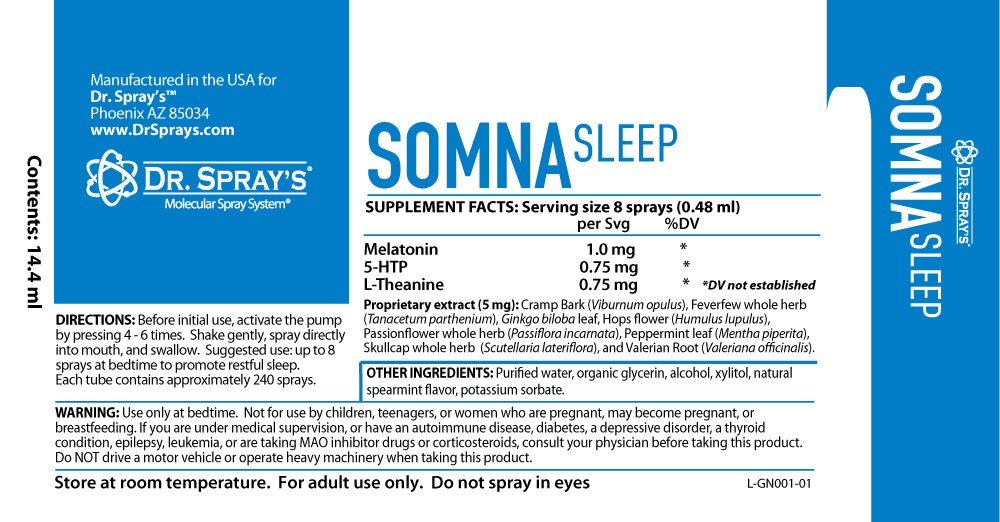
Explore our complete range of oral spray vitamins, including our specialized sleep support formula, and discover how innovative nutrient delivery can support your family's health. Contact our team with questions about our products and formulations.
About the Author
This article was developed by the DrSprays content team in collaboration with sleep health researchers and pediatric nutrition experts. Our Phoenix-based company is dedicated to providing evidence-based health information alongside our innovative spray supplement products. All content is reviewed for accuracy and updated regularly to reflect current research and clinical guidelines. For specific questions about your child's sleep or health, always consult with your pediatrician or a qualified healthcare provider.